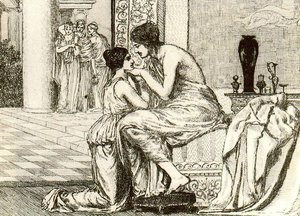
Портрет Макс Клингер

Самые известные картины Макс Клингер: все 100 работ в рейтинге

Обновлено Октябрь 2026 · рейтинг на основе нашего показателя популярности (количество поисковых запросов, посещений и заказов для каждой работы) · 281 работ Макс Клингер в нашем каталоге

Вкратце

Самая известная картина Макс Клингер, которую знают многие, — это The death peeing. Сразу за ними следуют The Isle of the Dead и Presa. Из 281 работ Макс Клингер в нашем каталоге эти 100 являются самыми известными. Каждая из них сопровождается указанием года создания, музея и кратким описанием того, что делает её особенной.

1857 – 1920, Лейпциг Symbolism Больше всего работ: Баварские государственные живописные коллекции

Топ-10 работ Макс Клингер: шедевры, известные всем

1
The death peeing работы Макс Клингер

The death peeing

Painting

The air hangs heavy near the riverbank where a skeletal figure stands, stripped of the terrifying dignity often assigned to the Grim Reaper. This figure, a personification of death, occupies the shoreline with a startlingly mundane presence. He stands with legs apart, facing the water, engaged in the most basic of biological functions. The act of urination into the stream demystifies the specter, pulling the concept of mortality away from…

2
The Isle of the Dead работы Макс Клингер

The Isle of the Dead

Painting

The Isle of the Dead emerges from the vision of Max Klinger, a German artist who leaves a profound mark on the landscape of late 19th-century thought. Born in Leipzig in 1857, Klinger moves through a world of shifting aesthetics, eventually passing away in 1920. In this specific work, titled The Isle of the Dead, he captures a moment that feels suspended in a quiet, heavy stillness.

3
Presa работы Макс Клингер

Presa

Lithograph

The artwork presents a monochrome scene rendered in grayscale, utilizing a range of black, white, and gray tones. At the bottom center of the frame, a reclining nude female figure is positioned as the primary focal point. Above her, a large group of men in formal attire occupies the upper portion of the composition. These figures are partially obscured by shadow, creating a sense of depth through overlapping forms. The…

4
Y sin embargo! работы Макс Клингер

Y sin embargo!

Graphite

Max Klinger, born in Leipzig in 1857, produced Y sin embargo! as part of a career that bridged the transition from Realism to Symbolism. The artist, who died in 1920, was a significant figure in German art, known for his ability to move beyond mere visual representation to explore the psychological and the subconscious. This specific work reflects his interest in the intersection of the human form and the natural…

Продолжайте знакомство с Макс Клингер: от 11 до 100

11At the Beach (1890) работы Макс КлингерAt the Beach1890 · Баварские государственные живописные коллекции 12Portrait of a Roman Woman on a Flat Roof in Rome (1891) работы Макс КлингерPortrait of a Roman Woman on a Flat Roof in Rome1891 · Штедель-Музей 13Christ in Olympus (1897) работы Макс КлингерChrist in Olympus1897 14Female Nude (1910) работы Макс КлингерFemale Nude1910 15Bathing Women (1912) работы Макс КлингерBathing Women1912 16A legation работы Макс КлингерA legation 17Plague работы Макс КлингерPlague 18Workers at a House Construction (1889) работы Макс КлингерWorkers at a House Construction1889 19Seaside Idyl работы Макс КлингерSeaside IdylБаварские государственные живописные коллекции 20Female Study Head работы Макс КлингерFemale Study Head 21Portrait of a Gentleman работы Макс КлингерPortrait of a Gentleman 22Cupid работы Макс КлингерCupid 23Salvation работы Макс КлингерSalvation 24The source работы Макс КлингерThe source 25An Max Klinger работы Макс КлингерAn Max Klinger 26untitled (336) работы Макс Клингерuntitled (336) 27untitled (1870) работы Макс Клингерuntitled (1870) 28untitled (5707) работы Макс Клингерuntitled (5707) 29untitled (7927) работы Макс Клингерuntitled (7927) 30untitled (4077) работы Макс Клингерuntitled (4077) 31untitled (5205) работы Макс Клингерuntitled (5205) 32untitled (4640) работы Макс Клингерuntitled (4640) 33untitled (1790) работы Макс Клингерuntitled (1790) 34untitled (7957) работы Макс Клингерuntitled (7957) 35untitled (1515) работы Макс Клингерuntitled (1515) 36untitled (1160) работы Макс Клингерuntitled (1160) 37untitled (5386) работы Макс Клингерuntitled (5386) 38untitled (5714) работы Макс Клингерuntitled (5714) 39untitled (9844) работы Макс Клингерuntitled (9844) 40untitled (3585) работы Макс Клингерuntitled (3585) 41untitled (5586) работы Макс Клингерuntitled (5586) 42untitled (3254) работы Макс Клингерuntitled (3254) 43untitled (4823) работы Макс Клингерuntitled (4823) 44untitled (5191) работы Макс Клингерuntitled (5191) 45untitled (1133) работы Макс Клингерuntitled (1133) 46Venus in the sea работы Макс КлингерVenus in the sea 47Cupido работы Макс КлингерCupido 48untitled (3590) работы Макс Клингерuntitled (3590) 49untitled (7159) работы Макс Клингерuntitled (7159) 50Angustias работы Макс КлингерAngustias 51Old love. initial stamps работы Макс КлингерOld love. initial stamps 52untitled (5140) работы Макс Клингерuntitled (5140) 53Scene работы Макс КлингерScene 54Venus and Mercury работы Макс КлингерVenus and Mercury 55psyche bathing работы Макс Клингерpsyche bathing 56Phriam And Thisbe I работы Макс КлингерPhriam And Thisbe I 57untitled (2692) работы Макс Клингерuntitled (2692) 58Abduction работы Макс КлингерAbduction 59Venus and Psyche работы Макс КлингерVenus and Psyche 60Zephyr carrying his sisters работы Макс КлингерZephyr carrying his sisters 61The wedding party of Psyche работы Макс КлингерThe wedding party of Psyche 62Sister jumping from a rock работы Макс КлингерSister jumping from a rock 63Psyche and Ceres работы Макс КлингерPsyche and Ceres 64Love, death and extramundos работы Макс КлингерLove, death and extramundos 65untitled (9745) работы Макс Клингерuntitled (9745) 66Mother I работы Макс КлингерMother I 67Pan comforting Psyche работы Макс КлингерPan comforting Psyche 68untitled (4174) работы Макс Клингерuntitled (4174) 69Psyche crossing the Acheron работы Макс КлингерPsyche crossing the Acheron 70Desire работы Макс КлингерDesire 71Psyche on a rock работы Макс КлингерPsyche on a rock 72Jupiter and Venus работы Макс КлингерJupiter and Venus 73Psyche and Arundo работы Макс КлингерPsyche and Arundo 74Farmer planting misery работы Макс КлингерFarmer planting misery 75The childhood of Amor работы Макс КлингерThe childhood of Amor 76Satire работы Макс КлингерSatire 77Intermezzo 1 работы Макс КлингерIntermezzo 1 78Phriam And Thisbe II работы Макс КлингерPhriam And Thisbe II 79Charon работы Макс КлингерCharon 80untitled (1999) работы Макс Клингерuntitled (1999) 81Time and glory работы Макс КлингерTime and glory 82Psyche on the road to Tartarus работы Макс КлингерPsyche on the road to Tartarus 83Venus presents Psyche the Love работы Макс КлингерVenus presents Psyche the Love 84Titan работы Макс КлингерTitan 85Psyche venerated by the people работы Макс КлингерPsyche venerated by the people 86Psyche and Venus работы Макс КлингерPsyche and Venus 87Parade работы Макс КлингерParade 88Death knight работы Макс КлингерDeath knight 89The priestesses of Venus работы Макс КлингерThe priestesses of Venus 90untitled (8812) работы Макс Клингерuntitled (8812) 91Rockfall работы Макс КлингерRockfall 92Naked woman under a tree работы Макс КлингерNaked woman under a tree 93Cold Hand работы Макс КлингерCold Hand 94Captive работы Макс КлингерCaptive 95violation работы Макс Клингерviolation 96The great goddess работы Макс КлингерThe great goddess 97untitled (547) работы Макс Клингерuntitled (547) 98Psyche and Juno работы Макс КлингерPsyche and Juno 99Night 1 работы Макс КлингерNight 1 100untitled (2269) работы Макс Клингерuntitled (2269)

Картины Макс Клингер по периодам творчества

Что чаще всего писал Макс Клингер

Четыре наиболее часто встречающихся сюжета в этих работах, каждый из которых представлен своим самым известным примером.

Где можно увидеть картины Макс Клингер

4 музеев, в которых находится большинство картин со страницы.

Музей Город Работы Макс Клингер Картины из этого списка
Баварские государственные живописные коллекции, МюнхенБаварские государственные живописные коллекции Мюнхен 2 At the Beach, Seaside Idyl
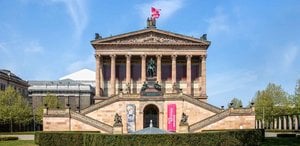
Старая национальная галерея, БерлинСтарая национальная галерея Берлин 3 Venus in the Shell Carriage. Part of the Wall Decoration of Villa Albers in Berlin-Steglitz
Национальная галерея в Праге, ПрагаНациональная галерея в Праге Прага 1 Evening
Штедель-Музей, ФранкфуртШтедель-Музей Франкфурт 1 Portrait of a Roman Woman on a Flat Roof in Rome

Одна знаменитая работа Макс Клингер на каждое десятилетие

Произведения по десятилетиям

Выберите десятилетие, чтобы увидеть его шедевр.

Картины Макс Клингер: что хотят знать люди

Какая картина Макс Клингер наиболее известна?Посмотреть ответ

В начале списка — The death peeing. Сразу за ним: The Isle of the Dead и Presa.

Какие 10 самых известных картин Макс Клингер?Посмотреть ответ

The death peeing, The Isle of the Dead, Presa, Y sin embargo!, Rescue, Mermaid holding a shell up, the philosopher, Venus in the Shell Carriage. Part of the Wall Decoration of Villa Albers in Berlin-Steglitz, Evening и Play in the meadow. Год создания и музей каждой работы указаны в списке выше.

Сколько работ есть у Макс Клингер?Посмотреть ответ

В нашем каталоге 281 работ Макс Клингер, созданных в период с 1879 по 1912.

В каких музеях находятся самые известные картины Макс Клингер?Посмотреть ответ

Большинство из них можно найти в Баварские государственные живописные коллекции (Мюнхен), Старая национальная галерея (Берлин) и Национальная галерея в Праге (Прага). Полный список музеев представлен выше.

Когда были написаны самые известные работы Макс Клингер?Посмотреть ответ

В 1880s — больше, чем в любой другой период: 3 из 100 работ на этой странице относятся к этому времени, Venus in the Shell Carriage. Part of the Wall Decoration of Villa Albers in Berlin-Steglitz из них.

Какие самые старые и новые известные картины Макс Клингер?Посмотреть ответ

Самая ранняя работа здесь датирована Evening (1879), а самая поздняя — Bathing Women (1912).

Что чаще всего писал Макс Клингер?Посмотреть ответ

Gods (7), Symbolic imagery (6) и Landscape (4) из 100 работ на этой странице.

Чем обычно пользовался Макс Клингер в своей живописи?Посмотреть ответ

Painting, использовано в 2 из 100 работ на этой странице.

С каким художественным направлением связан Макс Клингер?Посмотреть ответ

Symbolism, как вы можете видеть на работах на этой странице.

Что можно увидеть у Макс Клингер в Баварские государственные живописные коллекции?Посмотреть ответ

На этой странице вы можете увидеть 2 произведений из коллекции Баварские государственные живописные коллекции, Мюнхен, включая At the Beach и Seaside Idyl.

Могу ли я заказать репродукцию Макс Клингер для своего дома?Посмотреть ответ

Да. Каждая картина на этой странице доступна в виде написанной вручную масляной репродукции или в виде печати в подходящем вам размере. Чтобы оформить заказ, просто перейдите на страницу картины.

Познакомьтесь с Макс Клингер

The Shadowed World of Max Klinger: A Pioneer of Symbolism

Max Klinger, born in Leipzig in 1857, wasn’t simply an artist; he was a translator of the unseen—a chronicler of dreams and anxieties that lay just beneath the surface of everyday life. His artistic journey began not with immediate acclaim but with a slow, deliberate descent into a world of psychological depth, a realm where symbols held more power than mere representation. From his early training at the Academy of Fine Arts in Karlsruhe, under the guidance of Karl Gussow, Klinger absorbed the lessons of traditional techniques—the meticulous rendering of form and light—but it was his fascination with the etchings of masters like Menzel and Goya that truly ignited his imagination. These artists demonstrated a remarkable ability to convey narrative complexity and profound emotional intensity through printmaking – qualities Klinger would masterfully harness throughout his career. He wasn’t interested in merely depicting what *was*; he sought to unveil what *felt*, what resonated with the hidden currents of the human soul.

From Realism's Embrace to Symbolic Depths

Klinger’s artistic evolution was marked by a conscious and deliberate shift away from the prevailing aesthetic of realism—the detailed, often superficial depictions of everyday life that dominated the art world at the time. Initially, his work reflected this trend, showcasing scenes of urban life with considerable detail. However, this phase proved merely a stepping stone towards something far more profound. The turning point arrived with his groundbreaking series of etchings, *Paraphrase on the Finding of a Glove* (1881). This ambitious project wasn’t a literal illustration of an event; instead, it was a fragmented, dreamlike exploration of desire, loss, and the intricate complexities of human relationships. The glove itself became a potent symbol—a relic imbued with memory, longing, and the ephemeral nature of connection. The series' ten plates unfolded not as a straightforward narrative but as a collection of evocative images, each contributing to a larger, more ambiguous whole. This work established Klinger as a leading voice within the burgeoning Symbolist movement, demonstrating his unique ability to transform ordinary objects into vehicles for profound psychological insight—to imbue them with layers of meaning that extended far beyond their physical appearance. He wasn’t interested in simply *showing* what something looked like; he wanted to convey what it *represented*, what it evoked within the viewer's subconscious.

Sculpture, Printmaking and the Exploration of Myth

Klinger’s artistic output was remarkably diverse, encompassing not only painting and printmaking but also sculpture—though it is arguably in the realm of graphic arts that he achieved his most enduring legacy. His prints are characterized by their meticulous technique, dramatic use of light and shadow, and haunting imagery. He wasn't afraid to tackle challenging themes – mortality, sexuality, and the darker aspects of the human psyche – often exploring them through allegorical figures and symbolic landscapes. Beyond *Paraphrase on the Finding of a Glove*, works like his depictions of Faustian bargains and mythological scenes reveal a fascination with archetypal narratives and universal human struggles. He experimented extensively with various intaglio techniques, including etching, drypoint, and aquatint, skillfully blending them to create a rich tapestry of tonal and formal effects. His sculptural work, though less prolific than his prints, was equally ambitious—often deliberately unsettling in its form and challenging conventional notions of beauty. A prime example is his monumental installation in homage to Beethoven at the Vienna Secession in 1902 – a powerful testament to the composer’s genius and a bold statement of artistic innovation. Klinger's sculptures weren't simply representations; they were explorations of emotion, often imbued with a sense of mystery and unease.

Influences and Legacy: A Bridge to Modernity

Max Klinger’s influence extended far beyond his own lifetime. He wasn’t merely a product of his time; he was a catalyst for change, paving the way for Expressionism, Surrealism, and other avant-garde movements that sought to explore the inner world of human experience. His emphasis on symbolism, psychological depth, and subjective interpretation resonated deeply with artists grappling with the anxieties and uncertainties of the modern age. He anticipated the work of later Surrealists like Salvador Dalí and René Magritte through his exploration of dreamlike states and subconscious desires. Klinger’s art wasn't simply historical; it remains strikingly relevant today. In an era defined by rapid change and a pervasive sense of unease, his exploration of psychological themes – anxiety, alienation, and the search for meaning – continues to resonate with audiences worldwide. His legacy is a reminder that true artistic innovation lies not in merely replicating reality but in revealing its hidden depths and challenging our preconceived notions about the world around us. The artist’s willingness to confront uncomfortable truths and explore the darker corners of the human psyche cemented his place as a pivotal figure in the transition from 19th-century academic traditions to the radical experimentation of the 20th century.

Notable Works & Continued Relevance

Beyond the celebrated *Paraphrase on the Finding of a Glove*, Klinger’s oeuvre boasts numerous significant pieces that continue to captivate and inspire. Paintings like “Karl Haberstock,” showcasing his influence on fellow artists, and works such as those included in collections at Kunstsammlungen und Museen Augsburg demonstrate his broad artistic range. His monochrome photographs, including "Days Of March III," with their intriguing UFO sightings, reveal a willingness to embrace the unconventional and explore the boundaries of perception. Klinger’s art isn't merely historical; it remains strikingly relevant today. In an era defined by uncertainty and rapid change, his exploration of psychological themes—anxiety, alienation, and the search for meaning—continues to resonate with audiences worldwide. His legacy is a reminder that true artistic innovation lies not in simply replicating reality but in revealing its hidden depths and challenging our preconceived notions about the world around us.

Все 281 работ Макс Клингер →