


Картина подстраивается под ваш выбор: , .
Описание предмета коллекционирования
William Holman Hunt’s intense self-portrait captures the Pre-Raphaelite Brotherhood's realism and moral focus. This 1845 painting showcases youthful dedication with meticulous detail, reflecting Victorian artistic ideals – discover this iconic artwork.
 Читать далее
Биография художника
Уильям Холман Хант – английский художник-прерафаэлитик, известный своими детальными и символичными религиозными картинами, такими как «Свет Мира». Его работы отражают духовные поиски и стремление к реализму в викторианской живописи.
Масляная репродукция ручной работы
Картина маслом на холсте в выбранном вами размере и раме, написанная на заказ нашими художниками. ( Перейти к печатным копиям Перейти к цифровым изображениям)
Подробнее об этой картине
 Предпросмотр
 Поделиться
 Поделиться
 Детали произведения
 Руководство

 Скачать
 Похожие предметы
 Рентгенография
 Слайд-шоу
 Вопросы и ответы
 Статистика просмотров
Закажите свою картину в четыре простых шага
Не торопитесь. Вы можете изменить любой ответ; цена в вашей корзине будет обновляться после каждого выбора.
1 Шаг первый из четырех
Какой размер вы бы хотели выбрать?
Эти размеры сохраняют пропорции оригинальной картины. На рисунке показано, как выбранный вами вариант будет смотреться на стене над двухметровым диваном.
Или укажите свои размеры
Выберите один из наших стандартных размеров, соответствующих оригинальным пропорциям произведения искусства.

Введите необходимую ширину и высоту, чтобы репродукция подошла к вашей раме или стене. Поскольку работа выполняется вручную, при изменении пропорций художник может немного увеличить область вокруг картины или, наоборот, обрезать края — выбор за вами. Перед началом работы мы пришлем вам цифровой макет на утверждение. Изображение на этой странице не является точным результатом — увидеть реальный вид можно только на макете.
2 Шаг второй из четырех
Как его подготовить: в рулоне, на подрамнике или в раме?
Ниже указаны цены для размера, выбранного вами на первом этапе.
Выберите тип обработки краев холста
Выберите свою раму

Белый торцевой край $1

Размытый край $1

С продолжением изображения $1

P118B $10

P118H $10

P118W $10

P438Z $10

P508JH $12

P508YH $12

P805H $10

P805Z $10

P919BZ $10

P919G $10

P919XJ $10

P959ZH $10

P968JZ $12

W106C $8

W218G $10

W218JH $8

W218Y $10

W307PJ $10

W316G $10

W316PJ $8

W316Y $10

W398PJ $8

W4111J $10

W500HY $15

W500JH $15

W692G $12

W849H $8

W940BG $15

W953PJ $8

H24-GOLD $30

H24-SILVER $30

H36-GOLD $45

H36-SILVER $45
В раме
Багет: . Общий размер в раме: .
3 Третий шаг из четырех
Желаете ли вы внести какие-либо изменения в картину?
Большинство людей отвечают «нет». Но поскольку каждая картина создается вручную, наш художник может адаптировать ее специально для вас.
После оформления заказа команда ArtsDot.com свяжется с клиентом по электронной почте для получения инструкций и предоставит предварительный макет
4 Четвертый шаг из четырех
Несколько вариантов отделки
Все они являются необязательными. Выбранные ответы не влекут за собой дополнительных расходов.
Кто автор?
Доставка по всему миру () за 3–4 недели вместо стандартных 5 недель. (12 Ноябрь). Без компромиссов в качестве.
Табличка, как в музее?
Детали гравировки на бронзовой плакетке
This elegant plaque features the artist's name and the title of the artwork, finely engraved for a timeless presentation.
It is made from bronze with a refined, elegant finish. The text is precisely laser-engraved for a sharp and permanent result. Measuring 9x2 cm, the plaque is compact yet easy to read. It's built to be durable and scratch-resistant, offering a professional, museum-quality look. Mounting is simple thanks to the included adhesive backing.
Детали прозрачной акриловой таблички
The plaque includes essential engraved details such as the artist's name, the title of the artwork, the date it was created, the type of media used-like oil on canvas or watercolor-a brief description of the piece, and a QR code that links to the complete artwork information.
It is crafted from clear acrylic, offering a sleek, modern appearance. The text is UV-engraved in black to ensure strong visual contrast. With a size of 10x15 cm, it ensures optimal readability. It comes equipped with two metal hooks for secure wall mounting. The plaque is designed to be weather-resistant, making it suitable for various environments, and it includes interactive features that work seamlessly with smartphone scanning.
Информация о чёрной акриловой табличке
This elegant plaque includes engraved information such as the artist's name, the title of the artwork, the date it was created, the type of media used (like oil on canvas or watercolor), a short description of the artwork, and a QR code for quick access to more information.
The plaque itself is made from refined black acrylic with a premium finish. The text is laser-engraved in white for high contrast and readability. Its size is 10x15 cm, designed to be easy to read. It comes with two metal hooks for professional mounting. The design is sleek and fits any interior style. It is also weather-resistant and durable, with built-in digital integration for mobile compatibility.
Защитный лак?
Когда вам нужна доставка?
✓ Проверить и заказать
Ваша картина в соответствии с вашим заказом

Self Portrait
Техника репродукции
Размер репродукции
-

Выдающийся мастер высокого класса
Более высокая детализация, изысканность и дополнительное время на создание работы
-

Оформление репродукции
-
-
Для произведений искусства или репродукций, размер которых превышает 105 см (приблизительно 41 дюйм) по любой из сторон, рама будет доставлена в разобранном виде (в виде комплекта). Этот метод обеспечивает безопасную доставку и предотвращает повреждения при транспортировке.
Требуется профессиональная сборка — это не продукт для самостоятельной сборки (DIY).
Комплект должен быть собран, а холст натянут опытным мастером по багетным рамам с использованием клеевого ПВА (не входит в комплект), струбцин для натяжки холста и зажимов, чтобы удерживать подрамник ровным до полного высыхания клея. Неправильная сборка или неравномерное натяжение холста могут привести к необратимому повреждению произведения искусства и не являются гарантийным случаем.
 Для произведений искусства или репродукций, размер которых превышает 105 см (приблизительно 41 дюйм) по любой из сторон, рама будет доставлена в разобранном виде (в виде комплекта). Этот метод обеспечивает безопасную доставку и предотвращает повреждения при транспортировке.
В комплект входят все бруски из массива дерева, точно вырезанные по размеру.
Собирается с помощью предоставляемых винтов, а также столярного клея для угловых соединений, который не входит в комплект и должен быть приобретен вашим мастером.
Требуются профессиональные инструменты, не входящие в комплект: щипцы для натяжки холста (натяжитель) и зажимы, чтобы удерживать рейки ровно во время высыхания клея.
Важно:
Для соединения углов требуется клей для дерева, перекладины необходимо зафиксировать струбцинами до полного высыхания клея, а для натяжки холста на собранную раму требуются щипцы для натяжки холста. Ни один из этих инструментов не входит в комплект. Пожалуйста, убедитесь в наличии опытного мастера по багетным работам перед заказом рамы такого размера.

Этикетка
-
-

Защитный лак
Глянцевый лак (насыщает цвета, защищает от воздействия света и влаги)
-

Персонализация картины
Примеры возможных изменений: замена лица на фото клиента; добавление домашнего питомца (например, замена кошки на собаку); добавление скрытого сообщения на фоне; изменение пейзажа или элементов фона.
-

Экспресс-доставка
Доставка по всему миру () за 3–4 недели вместо стандартных 5 недель. (12 Ноябрь). Без компромиссов в качестве.
-
Экспресс-доставка
Доставка по всему миру () в течение 5 недель. (19 Ноябрь).
Включено в стоимость
Итоговая стоимость
$ 263
Вариант со стеклом доступен только для размеров менее 110 см
Включено в каждый заказ
- Бесплатная экспресс-доставка по всему миру
- Высококачественный льняной холст
- Полное страхование при доставке
- Гарантия возмещения таможенных пошлин
- Гарантия точного цветового соответствия
- 100-дневная гарантия возврата (только при обнаружении дефектов)
- Гарантия возврата 100% средств
- Скидка при оптовом заказе


William Holman Hunt's 'Self Portrait': A Window into Victorian Vision
The year is 1845. William Holman Hunt, a young artist wrestling with the burgeoning realities of Victorian England, presents us with a remarkably intimate and profoundly significant work – his self-portrait. More than just a likeness, this painting embodies the spirit of a movement: the Pre-Raphaelite Brotherhood’s audacious challenge to artistic convention and their fervent belief in the power of art to convey moral truth. Housed within the Birmingham Museum and Art Gallery, it remains a potent symbol of Hunt's dedication and a crucial document illuminating the era’s artistic anxieties and aspirations.
- Subject & Composition: The portrait depicts Hunt himself in his youth, meticulously rendered with a formal suit and tie. His direct gaze, unwavering and intense, immediately establishes a connection with the viewer – an unprecedented level of engagement for the time. The simple brown background serves not as a distraction but to amplify the subject’s presence, drawing all attention to his thoughtful expression.
- Pre-Raphaelite Influence: Hunt's adherence to Pre-Raphaelite principles is immediately apparent. The meticulous detail, the almost photographic realism, and the deliberate avoidance of idealized beauty are hallmarks of this revolutionary style. This was a reaction against the perceived artificiality of academic art, a yearning for sincerity and a return to the clarity and emotional depth found in the works of artists before Raphael.
A Study in Detail: Technique and Materials
Hunt’s technique is characterized by an extraordinary level of observation and painstaking execution. He employed oil paints with a remarkable sensitivity, layering thin glazes to achieve subtle gradations of tone and texture. The rendering of his clothing – the fabric's folds, the sheen of the silk, the precise stitching – demonstrates a dedication to realism rarely seen in contemporary portraiture. The use of brown pigments, carefully chosen for their depth and richness, contributes significantly to the painting’s somber yet dignified atmosphere. It is evident that Hunt spent considerable time studying his own features, striving not merely to capture a likeness but to convey something deeper – his intellectual curiosity and artistic commitment.
- Color Palette: The restrained color palette—primarily browns, blacks, and subtle variations of grey—reflects the Pre-Raphaelites’ preference for naturalism and their rejection of bright, artificial colors.
- Brushwork: Hunt's brushwork is remarkably smooth and controlled, contributing to the painting's polished appearance.
Symbolism and Context – A Victorian Soul
Beyond its technical merits, ‘Self Portrait’ offers a fascinating glimpse into the intellectual and spiritual climate of Victorian England. The Pre-Raphaelites were deeply concerned with moral questions and sought to use art as a vehicle for social commentary. Hunt's serious demeanor and direct gaze suggest a man grappling with profound ideas – perhaps reflecting his involvement in religious contemplation or his engagement with contemporary philosophical debates. The painting’s creation coincided with the rise of industrialization, a period marked by both immense progress and significant social upheaval. Hunt’s work can be seen as a quiet resistance to this rapid transformation, a reaffirmation of traditional values and a plea for beauty amidst the encroaching darkness.
- Historical Context: Created during Queen Victoria's reign (1837–1901), the painting reflects the Victorian era’s fascination with morality, spirituality, and detailed observation.
- Symbolic Elements: While seemingly straightforward, the portrait can be interpreted as a meditation on identity, purpose, and the artist’s role in society.
Legacy and Resonance – An Enduring Masterpiece
William Holman Hunt's ‘Self Portrait’ is more than just a historical artifact; it remains a powerful testament to the enduring human desire for beauty, truth, and meaning. Its influence extended far beyond the Pre-Raphaelite Brotherhood, shaping the course of British art and inspiring generations of artists. Today, this remarkable painting continues to captivate viewers with its technical brilliance, emotional depth, and profound reflection on the human condition. A hand-painted reproduction offers a unique opportunity to experience the full impact of Hunt’s vision – a window into a pivotal moment in artistic history.
Вопросы и ответы
Использует ли «Self Portrait», Уильям Холман Хант резкие контрасты или мягкую гармонию?
В работе «Self Portrait» Balanced контраст сочетается с Unified Palette гармонией.
Для какой комнаты лучше всего подойдет «Self Portrait», Уильям Холман Хант, учитывая его цветовую гамму?
Цветовая палитра Earthy в работе «Self Portrait», Уильям Холман Хант идеально гармонирует с рекомендованным пространством: Living Room.
Какое настроение принесет в интерьер произведение «Self Portrait»?
Благодаря своей Calm атмосфере, работа «Self Portrait» идеально подойдет для Living Room.
Похожие произведения


Уильям Холман Хант
1827 - 1910, Великобритания
Биография художника
William Holman Hunt: A Soul Painted on Canvas
William Holman Hunt, born in the bustling heart of Cheapside, London, on April 2nd, 1827, wasn’t merely a painter; he was a profound seeker – a philosopher and spiritualist who translated his deepest convictions into breathtaking visual narratives. His early life, though steeped in the practical world of his father's warehouse business, harbored an artistic spirit that would ultimately defy expectations and reshape the course of Victorian art. Initially destined for a similar path of commerce, Hunt discovered solace and purpose within the realm of painting, beginning with clandestine sketches and, eventually, formal training at the prestigious Royal Academy Schools. However, this initial apprenticeship proved restrictive; he yearned for an artistic expression that transcended the rigid conventions of academic art – a desire fueled by a deep dissatisfaction with what he perceived as its artificiality and detachment from genuine human experience. This yearning led him to embrace the ideals of the Pre-Raphaelite Brotherhood, a collective dedicated to reviving the sincerity, detail, and symbolic richness of pre-Renaissance Italian painting—a movement that would forever alter the landscape of British art. Hunt’s journey was not simply about aesthetics; it was a relentless quest for truth, morality, and spiritual resonance within the very act of creating visual representations.The Genesis of a Revolutionary Brotherhood
In 1848, amidst the intellectual ferment of London, William Holman Hunt, alongside Dante Gabriel Rossetti and John Everett Millais, established the Pre-Raphaelite Brotherhood (PRB). This wasn’t merely an artistic group; it was a deliberate rebellion against what they viewed as the decline of art since the era of Raphael. The PRB championed a return to meticulous detail, vibrant colors, and subject matter rooted in sincerity and symbolic depth—drawing inspiration from the works of artists like Giotto and the early Italian masters who predated the perceived artificiality of High Renaissance ideals. Hunt’s commitment to these principles remained unwavering throughout his career. His early work, exemplified by *The Hireling Shepherd*, painted in 1851, powerfully demonstrated this dedication. The painting's astonishing realism – from the individual strands of wool on the sheep’s fleece to each meticulously rendered blade of grass—was revolutionary for its time, challenging the prevailing academic style and demanding a new level of observational skill. *The Hireling Shepherd* wasn’t simply a depiction of rural life; it was an allegory of moral corruption, subtly conveying a critique of societal values through painstaking detail and symbolic imagery. The Brotherhood's manifesto, penned by Rossetti, articulated their core beliefs: to reject the conventions of the Royal Academy, embrace the honesty of nature, and strive for artistic works that were both beautiful and morally uplifting. Hunt’s role within this movement was pivotal – he served as a driving force behind its ideals, advocating for a return to the spiritual and emotional depth of earlier art forms.A Pilgrimage of Faith and Symbolic Depth
Hunt's artistic journey took an extraordinary turn with his extensive travels to the Holy Land in the 1850s and 60s. Driven by a profound desire for historical accuracy and a deep-seated spiritual quest, he embarked on a pilgrimage to Palestine and Syria, meticulously documenting landscapes, costumes, and customs. This dedication to authenticity profoundly influenced his later works, imbuing them with an unparalleled sense of realism and spiritual resonance. He sought not just to *represent* the biblical scenes but to *experience* them, immersing himself in the sights, sounds, and atmosphere of the ancient world. The resulting paintings – including *Joseph Entering Egypt*, *The Disrobing of Christ*, and, most famously, *The Light of the World* – are testaments to his meticulous research and artistic skill. *The Light of the World*, completed in 1853, stands as perhaps Hunt’s most enduring masterpiece. The image of Christ knocking at a door, offering salvation to those who open their hearts, became immensely popular throughout Victorian England and America, resonating with audiences seeking spiritual guidance during a period of rapid social change. Hunt's meticulous attention to detail – from the texture of the garments to the expressions on the faces of his subjects – created an intensely realistic and emotionally engaging depiction of a timeless biblical parable.The Pursuit of Truth and Artistic Integrity
Throughout his career, William Holman Hunt remained steadfast in his commitment to artistic integrity and moral purpose. He believed that art had a vital role to play in shaping society—to inspire virtue, promote understanding, and challenge conventional wisdom. His paintings weren’t merely decorative; they were carefully constructed allegories designed to provoke thought and encourage viewers to examine their own lives and beliefs. Hunt's influence extended beyond the realm of painting; he was deeply engaged with contemporary social and political issues, using his art as a platform for expressing his views on topics such as poverty, injustice, and religious hypocrisy. He corresponded extensively with leading intellectuals and artists of his time, including John Ruskin, whose writings on art and morality profoundly shaped Hunt’s artistic philosophy. Ruskin's emphasis on the importance of truth, beauty, and social responsibility resonated deeply with Hunt’s own values, inspiring him to create works that were both aesthetically pleasing and ethically sound.Legacy and Enduring Influence
William Holman Hunt died on September 7th, 1910, leaving behind a remarkable body of work that continues to captivate audiences today. His paintings are celebrated for their meticulous detail, vibrant colors, and profound symbolic depth—qualities that have secured his place as one of the most important figures in Victorian art. Hunt’s legacy extends far beyond the beauty of his individual works; he revolutionized British painting by championing realism, symbolism, and a commitment to artistic integrity. His influence can be seen in the work of countless artists who followed him, and his paintings continue to inspire awe and contemplation—reminding us of the power of art to illuminate the human condition and explore the mysteries of faith. His dedication to capturing truth through meticulous observation and symbolic representation remains a testament to the enduring value of artistic vision.

Похожие статьи
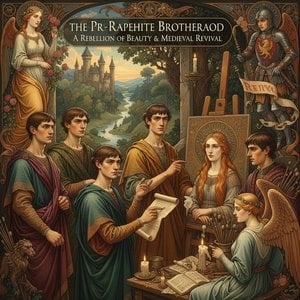
The Pre-Raphaelite Brotherhood: A Rebellion of Beauty & Medieval Revival
Explore the captivating world of the Pre-Raphaelite Brotherhood! Discover their rebellion against academic art, iconic masterpieces, and lasting influence on Victorian aesthetics. Learn about Rossetti, Burne-Jones & more.

The Nuance of Flesh: A Technical Study of Skin Tones in the Portrait Tradition
Master the technical secrets of skin tones from Rubens to Odutola. Explore the evolution of portraiture expertise now.

Джеймс Уистлер: Топ-25 шедевров художника для ценителей искусства и декора
Погрузитесь в мир Джеймса Уистлера! Топ-25 шедевров художника, от знаменитых ноктюрнов до изысканных портретов. Узнайте историю создания и эстетику каждой картины. Репродукции высокого качества для вашего интерьера на ArtsDot.com.