Предпросмотр
 Поделиться
 Поделиться
 Детали произведения

 Скачать
 Похожие работы
 Рентгенография
 Слайд-шоу
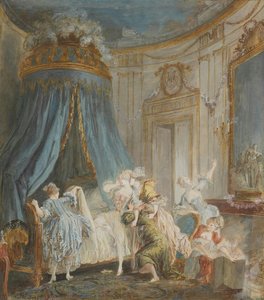
Приведение невесты в постель


 Читать далее
Масляная репродукция ручной работы
Картина маслом на холсте в выбранном вами размере и раме, написанная на заказ нашими художниками. ( Перейти к печати Переключиться на изображение)




P118B $10

P118H $10

P118W $10

P438Z $10

P508JH $12

P508YH $12

P805H $10

P805Z $10

P919BZ $10

P919G $10

P919XJ $10

P959ZH $10

P968JZ $12

W106C $8

W218G $10

W218JH $8

W218Y $10

W307PJ $10

W316G $10

W316PJ $8

W316Y $10

W398PJ $8

W4111J $10

W500HY $15

W500JH $15

W692G $12

W849H $8

W940BG $15

W953PJ $8




Выберите один из наших стандартных размеров, соответствующих оригинальным пропорциям произведения искусства.

Вы можете указать собственные размеры, чтобы картина идеально вписалась в выбранную раму или пространство. Если выбранный вами размер не соответствует пропорциям оригинала, мы либо обрежем полотно, либо расширим его за счет дополнительных элементов, написанных вручную. Цифровой макет будет отправлен вам на утверждение перед началом производства.
Обратите внимание, что предварительный просмотр на экране не отражает фактическую обрезку или расширение. Только макет точно покажет окончательную композицию.
Хотя доступны индивидуальные размеры, мы рекомендуем выбирать вариант из предопределенного списка, чтобы сохранить исходные пропорции.
После оформления заказа команда ArtsDot.com свяжется с клиентом по электронной почте для уточнения деталей и предоставит предварительный макет
Доставка по всему миру () за 3–4 недели вместо стандартных 5 недель. (8 Август). Без компромиссов в качестве.

Бесплатная экспресс-доставка по всему миру

Высококачественный льняной холст

Полное страхование доставки

Гарантия возмещения таможенных пошлин

Гарантия точного соответствия цветов

Политика возврата в течение 60 дней (только при наличии дефектов)

Гарантия возврата 100% средств

Предложение оптовых скидок
 Вариант со стеклом доступен только для размеров менее 110 см

Приведение невесты в постель
Техника репродукции
Размер репродукции
-


Итоговая стоимость
$ 263
Описание произведения
Bringing the Bride to Bed: A Rococo Intimacy Captured by Baudouin
Pierre-Antoine Baudouin’s “Bringing the Bride to Bed,” painted in 1767, is more than just a depiction of domestic life; it's a masterful distillation of Rococo aesthetics and psychological nuance. Executed with gouache over red chalk and subtle graphite traces on laid paper, this intimate scene transports viewers back to the opulent salons of Parisian aristocratic society during the reign of Louis XV. Gavin Hamilton’s meticulous observation of detail—evident in the richly ornamented room and the expressive faces of its figures—elevates it beyond mere illustration into a profound meditation on love, anticipation, and feminine vulnerability. The painting centers around a woman lying serenely upon a bed, surrounded by her female companions. The artist skillfully employs chiaroscuro – dramatic contrasts between light and shadow – to sculpt the forms of the figures and create an atmosphere of warmth and seclusion. Notice how Baudouin’s use of color is restrained yet deliberate; muted reds and golds dominate the palette, reflecting the prevailing decorative trends of the era while simultaneously conveying a sense of understated elegance. The inclusion of a chair positioned near the bed and another one further back adds depth to the composition, suggesting a dynamic interplay between observation and participation. Beyond its formal beauty lies a rich tapestry of symbolism. The bed itself represents fertility and new beginnings—a visual shorthand for the impending marriage ceremony. The woman’s calm demeanor speaks volumes about her inner strength and composure amidst the excitement of the occasion. Her gaze directs towards the viewer, inviting us to share in her moment of vulnerability and anticipation. Baudouin's technique—characterized by delicate hatching and blending—captures not only the visual appearance but also the emotional essence of this pivotal scene. The artwork’s historical context is crucial to understanding its significance. Produced during Hamilton’s time as a prominent antiquarian painter, “Bringing the Bride to Bed” reflects the broader fascination with classical ideals of beauty and harmony that permeated European culture at the time. Baudouin's work aligns perfectly with the artistic sensibilities of his era, demonstrating an exceptional grasp of Rococo style—a movement defined by its emphasis on ornamentation, pastel colors, and idealized representations of human emotion. Furthermore, consider the painting’s impact on viewers encountering it today. Baudouin succeeds in conveying a palpable sense of intimacy and tenderness, capturing a fleeting glimpse into the private sphere of aristocratic life. The meticulous rendering of textures—from the plush upholstery to the smooth skin of the woman—invites contemplation about the materiality of art and its ability to evoke powerful emotions. “Bringing the Bride to Bed” remains an enduring testament to Baudouin’s artistic vision and his profound understanding of human psychology, cementing its place as a cornerstone of Rococo art history.- Artist: Pierre-Antoine Baudouin
- Date: 1767
- Size: 36 x 31 cm
- Medium: Gouache over Red Chalk and Graphite on Laid Paper
Additional Resources
You can explore more about Pierre-Antoine Baudouin’s life and work on ArtsDot.com (ArtsDot.com) and discover related artworks on National Gallery of Canada. Also, delve into Jean-Pierre-Antoine Tassaert’s artistic journey (Jean-Pierre-Antoine Tassaert) and explore the influence of classical antiquities on European art.Online Presence
This artwork is featured prominently on Wikimedia Commons (Wikimedia Commons), where you can find high-resolution images and detailed information about its provenance.Похожие произведения


![Three Studies Of A Woman's Head And A Study Of Hands [recto], — Ватто, Rococo Style](/media/artworks/images/thumbnails/de/cd/decd4d141ba2488f8ef518c83414b9f9.jpg)


Биография художника
Gavin Hamilton: The Antiquarian Painter of Rome
Gavin Hamilton (1723, Lanarkshire – 4 January 1798, Rome) stands as a singular figure in the history of art, a man whose legacy is inextricably linked to both the burgeoning neoclassical movement and his passionate, sometimes controversial, pursuit of ancient Roman antiquities. More than simply a painter, Hamilton was an arbiter of taste, a scholar, and ultimately, a key player in shaping how Europe understood and engaged with its classical past. His life unfolded across two continents – initially within the vibrant intellectual landscape of Scotland, then culminating in a decades-long sojourn in Rome, where he dedicated himself to collecting and interpreting the remnants of antiquity. This unique combination of artistic skill and scholarly obsession cemented his place as one of the most influential painters of the late 18th century. Hamilton’s early life was steeped in the Scottish Enlightenment. Born in Lanarkshire, Scotland, in 1723, he displayed an exceptional aptitude for learning from a young age, matriculating at the University of Glasgow at just fifteen years old. His family background—his father was a headmaster and fellow of Balliol College, Oxford—provided him with a privileged education, fostering a deep appreciation for classical literature and philosophy. This intellectual foundation would prove crucial to his later artistic endeavors. He spent several formative years in Italy, studying under Agostino Masucci in Rome, absorbing the principles of neoclassical art and developing a keen eye for detail and composition. Crucially, it was during this period that he became deeply immersed in the world of Roman antiquities, embarking on a lifelong quest to unearth and understand these remnants of a lost civilization. This pursuit would define much of his career and ultimately lead him to become a leading authority on classical art and taste. Hamilton’s artistic style evolved significantly throughout his career. Initially influenced by the grand manner championed by Sir Joshua Reynolds – particularly in his emphasis on idealized beauty and dramatic narrative – he gradually developed a more restrained, almost austere aesthetic. His later works, especially those depicting scenes from Homer's *Iliad*, are characterized by their monumental scale, meticulous detail, and a deliberate avoidance of overt emotionalism. These paintings weren’t merely decorative; they were carefully constructed allegories designed to convey moral lessons and celebrate the virtues of Roman civilization. The cycle of six paintings based on the *Iliad*, commissioned for the Earl of Moira, became his most celebrated achievement, establishing him as a leading figure in the neoclassical movement. These works, engraved and widely disseminated across Europe, profoundly influenced subsequent generations of artists and shaped public perceptions of classical antiquity. His *Death of Lucretia* (1760s), depicting the legendary Roman heroine’s sacrifice, further solidified his reputation for dramatic storytelling and masterful composition. However, Hamilton's career was not without its complexities. His relentless pursuit of antiquities often led him into ethically questionable territory. He engaged in a controversial practice known as “antiquarianism,” which involved acquiring ancient sculptures and artifacts through dubious means – sometimes by removing them from their original contexts or even outright theft. This behavior, coupled with his outspoken opinions on classical art and taste, earned him considerable criticism during his lifetime. Despite these controversies, Hamilton’s influence remained undeniable. He was a respected scholar and a highly sought-after consultant to wealthy patrons and collectors across Europe. His expertise shaped the understanding of classical art for an entire generation, and his paintings continue to be studied and admired today. Hamilton's final years were spent in Rome, where he continued his scholarly pursuits and amassed a vast collection of Roman antiquities. He died in 1798, leaving behind a legacy as both a brilliant artist and a controversial figure—a man who blurred the lines between art, scholarship, and the sometimes-questionable ethics of collecting ancient treasures. His work remains a testament to the enduring fascination with classical antiquity and the profound impact that one individual can have on shaping our understanding of the past.
pierre-antoine baudouin
1723 - 1769 , France
Основные сведения
- Artistic Movement Or Style: Neoclassical history painter
- Artists Or Movements Influenced By This Artist:
- Jacques-Louis David
- Thomas Blackwell
- Artists Who Influenced This Artist:
- Agostino Masucci
- Sir Joshua Reynolds
- Date Of Birth: 1723
- Date Of Death: 1798
- Full Name: Gavin Hamilton
- Nationality: Scottish
- Notable Artworks:
- Death of Lucretia
- Homer's Iliad cycle
- Place Of Birth: Lanarkshire, Scotland
Похожие статьи

Топ-25 шедевров Ренуара: искусство, история и вдохновение для интерьера
Погрузитесь в мир Ренуара! 🎨 Откройте топ-25 шедевров импрессионизма, историю создания картин и вдохновляющую красоту. Купите репродукции высокого качества для вашего интерьера на ArtsDot.com – музейное искусство онлайн!

The Rococo Aesthetic: Opulence, Rebellion & the Pursuit of Pleasure in 18th-Century Art
Explore the opulent world of Rococo art! Discover its origins, key artists like Watteau & Boucher, and lasting influence on design. Expert insights for collectors & enthusiasts.

Топ-10 шедевров рококо: искусство, изменившее интерьеры | ArtsDot.com
Погрузитесь в мир рококо! Откройте для себя 10 шедевров искусства от Watteau, Boucher и Fragonard. Узнайте историю создания культовых картин и вдохновитесь для декора интерьера. Репродукции высокого качества на ArtsDot.com.

The Rococo Style: Aristocratic Leisure & the Pursuit of Delight in 18th-Century Art
Explore the opulent world of Rococo art! Discover Watteau, Boucher & Nattier's masterpieces. Expert insights for collectors seeking museum-quality reproductions and custom portraits at ArtsDot.

Jean-Baptiste Pater: Rococo Charm & Ephemeral Beauty of 18th-Century France
Explore the captivating world of Jean-Baptiste Pater, a master of Rococo painting. Discover his elegant *fête galante* scenes and shimmering portraits – a glimpse into 18th-century French aristocracy. Learn about his legacy & find high-quality reproductions.