


 Примерить в интерьере
 Отправить
 Поделиться
 Подробнее
 Руководство

 Скачать
 Похожие объекты
 Рентгенография
 Слайд-шоу
 Статистика
Святой Иосиф
 Масло на жесткой основе
- Настенное искусство
- Ранний нидерландский Ренессанс
 1445
1445- — Эпоха Возрождения
 21.0 x 18.0 cm
 Музей имени Гулбенкиана
 Развернуть текст
Масляная репродукция ручной работы
Картина маслом на холсте в выбранном вами размере и раме, написанная на заказ нашими художниками. ( Переключиться на печать Перейти к цифровым изображениям)




P118B $10

P118H $10

P118W $10

P438Z $10

P508JH $12

P508YH $12

P805H $10

P805Z $10

P919BZ $10

P919G $10

P919XJ $10

P959ZH $10

P968JZ $12

W106C $8

W218G $10

W218JH $8

W218Y $10

W307PJ $10

W316G $10

W316PJ $8

W316Y $10

W398PJ $8

W4111J $10

W500HY $15

W500JH $15

W692G $12

W849H $8

W940BG $15

W953PJ $8




Выберите один из наших стандартных размеров, соответствующих оригинальным пропорциям произведения искусства.

Введите необходимую ширину и высоту, чтобы репродукция подошла к вашей раме или стене. Поскольку работа выполняется вручную, при изменении пропорций художник может немного увеличить область вокруг картины или, наоборот, обрезать края — выбор за вами. Перед началом работы мы пришлем вам цифровой макет на утверждение. Изображение на этой странице не является точным результатом — увидеть реальный вид можно только на макете.
После оформления заказа команда ArtsDot.com свяжется с клиентом по электронной почте для уточнения деталей и предоставит предварительный макет
Доставка по всему миру () за 3–4 недели вместо стандартных 5 недель. (28 Октябрь). Без компромиссов в качестве.

Бесплатная экспресс-доставка по всему миру

Высококачественный льняной холст

Полное страхование при транспортировке

Гарантия возврата таможенных пошлин

Гарантия точного цветового соответствия

100-дневный период возврата (только при обнаружении дефектов)

Гарантия возврата 100% средств

Скидка при заказе нескольких работ
 Вариант со стеклом доступен только для размеров менее 110 см

Святой Иосиф
Материал репродукции
Размер репродукции
-


Итоговая стоимость
$ 263
Окно в благочестие: Безмолвное величие Святого Иосифа
В безмолвной атмосфере середины XV века лишь немногим художникам удавалось столь мастерски запечатлеть пересечение человеческой уязвимости и божественной благодати, как Рогиру ван дер Вейдену. Его картина, Святой Иосиф, завершенная около 1445 года, представляет собой нечто гораздо большее, чем просто религиозный портрет; это глубокое размышление об интроспекции и вере. Когда зритель вглядывается в это интимное произведение, возникает мгновенное ощущение сопричастности к моменту частной молитвы. Главный герой, почитаемый отец Иисуса, изображен не в момент грандиозного зрелища, а в состоянии тихого достоинства. Облаченный в эффектную красную шапку и темно-синюю мантию с мягким капюшоном, Святой Иосиф смотрит в окно; его взгляд выдает ум, погруженный в молитву или, возможно, наблюдающий за едва уловимыми движениями внешнего мира. Это ощущение неподвижности почти осязаемо, оно предлагает убежище спокойствия, которое продолжает очаровывать коллекционеров и декораторов, ищущих произведения, способные привнести душевную, созерцательную энергию в современный интерьер.Алхимия света и детализации
Блеск этого шедевра кроется в необычайном техническом мастерстве Ван дер Вейдена — навыке, который, вероятно, был отточен в годы его работы ювелиром. Опыт обращения с драгоценными металлами позволил ему подойти к холсту с беспрецедентным чутьем на текстуру и сияние. Благодаря кропотливому нанесению полупрозрачных лессировок он достиг уровня реализма, ставшего революционным для раннего нидерландского периода. Кажется, можно почти физически ощутить тяжесть плотной ткани синей мантии и заметить тонкую игру света на обветренных чертах лица святого. Эта техника не просто копирует реальность; она создает внутреннее сияние, духовный свет, который, кажется, исходит из самой фигуры. Для искушенного глаза тщательная проработка каждой складки и тени служит свидетельством способности художника превращать масло и пигмент в живое, дышащее присутствие.Символизм и дух Фландрии
Помимо технического великолепия, Святой Иосиф глубоко укоренен в культурном и религиозном рвении Фландрии XV века. В ту эпоху регион был процветающим центром торговли и благочестия, где искусство служило мостом между земным и божественным. Композиция картины — с едва заметными фигурами на заднем плане и изящной птицей в верхнем углу — добавляет повествованию слои символической глубины. Окно служит мощной метафорой порога между внутренним миром души и внешним миром сотворенного сущего. В эпоху, когда Святой Иосиф олицетворял добродетели смирения, праведности и непоколебимой защиты, этот портрет выступает как визуальная проповедь о красоте жизни, прожитой в тихом благочестии. Для тех, кто стремится украсить пространство искусством, выходящим за рамки простого декорирования, эта работа предлагает вневременную связь с глубоким эмоциональным и духовным наследием Северного Возрождения.Вопросы и ответы
Какое чувство передает «Святой Иосиф», Рогер ван дер Вейден?
«Святой Иосиф», Рогер ван дер Вейден передает Созерцательный чувство в рамках общей Спокойствие атмосферы.
К какому виду произведений искусства относится «Святой Иосиф», Рогер ван дер Вейден?
В каталоге работа «Святой Иосиф», Рогер ван дер Вейден классифицирована как Настенное искусство. Эта категория помогает находить похожие произведения.
В какой технике выполнено произведение «Святой Иосиф», Рогер ван дер Вейден?
Техника исполнения работы «Святой Иосиф», Рогер ван дер Вейден — Масло на жесткой основе. Репродукции стремятся максимально точно передать особенности этой техники.
Похожие произведения


![The Madonna Between St. John The Baptist And St. Sebastian [detail] — Пьетро Перуджинец, Renaissance](/media/artworks/images-thumb/f0/3a/f03a20887bc1e56ffa9a705ad2276cb8.jpg)

Биография художника
A Master of Emotion: The Life and Legacy of Rogier van der Weyden
Rogier de la Pasture – known to history as Rogier van der Weyden – emerged around 1400 in the vibrant city of Tournai, nestled within what is now Belgium. This talented artist’s life was a testament to his dedication and skill, shaping the course of Early Netherlandish painting. While details surrounding his early years remain somewhat shrouded in mystery, it's believed he initially honed his craft not with brush and pigment alone, but as a goldsmith. This formative training instilled within him an unwavering commitment to meticulous detail and a refined sensibility for craftsmanship – qualities that would become instantly recognizable hallmarks of his artistic style. The precision demanded by working with precious metals undoubtedly translated into the exquisite rendering of textures, fabrics, and expressions that define his most celebrated masterpieces. He wasn’t merely depicting reality; he was recreating it with painstaking accuracy, imbued with an almost reverent attention to detail.From Tournai to Brussels: A Rising Star
By 1427, van der Weyden had ascended to the rank of master within the Guild of Saint Luke in Tournai – a significant milestone that solidified his position as a professional artist and opened doors to prestigious commissions. His career truly took flight when he entered the service of Philip the Good, Duke of Burgundy, in 1435. This patronage was transformative; it provided not only financial security but also access to an elite circle of influence and exposure to some of the most discerning eyes of the era. It was during this period that van der Weyden’s artistic vision truly began to mature, moving away from the somewhat rigid conventions of earlier Netherlandish painters towards a more emotionally resonant and naturalistic approach. He wasn't simply painting religious scenes; he was striving to evoke genuine feeling in the viewer, to create an experience that transcended mere observation. His work reflected a growing interest in portraying human emotion with unprecedented depth and sensitivity – a departure from the stylized representations of earlier periods.The Language of Feeling: Style and Technique
Rogier van der Weyden’s artistic signature is immediately recognizable through several defining characteristics. His palette was remarkably rich and diverse, a vibrant tapestry of colors carefully chosen to avoid repetition and create depth and complexity within his compositions. He possessed an extraordinary ability to convey profound emotion – *pathos* – particularly in depictions of religious subjects like the Lamentation, where grief and sorrow are palpable. This emotional intensity wasn’t achieved through dramatic gestures or exaggerated expressions; rather, it was subtly woven into the very fabric of the painting, conveyed through delicate nuances of facial expression, body language, and composition. His figures, while adhering to the conventions of the time, demonstrate a growing interest in realistic representation – not just in anatomy and drapery, but also in capturing the psychological states of his subjects. They possess a dignified, almost sculptural quality, particularly evident in his grand triptychs, lending them an air of solemnity and reverence. He masterfully employed oil paint, building up layers of translucent glazes to achieve luminous effects and create a sense of depth and realism that was revolutionary for its time. The use of light and shadow – *chiaroscuro* – became a key element in his dramatic compositions, further enhancing the emotional impact of his works.Notable Works and Enduring Masterpieces
Throughout his prolific career, van der Weyden produced numerous works that stand as testaments to his artistic prowess. St Luke Drawing a Portrait of the Madonna, housed in the Museum of Fine Arts, Boston, showcases his mastery of oil on panel and meticulous observation. The *Lamentation*, residing in the Musée des Beaux-Arts Tournai, Belgium, is perhaps his most celebrated work – a powerfully emotive depiction of Christ’s mourning, renowned for its dramatic use of *chiaroscuro* and its ability to evoke profound sorrow in the viewer. Multiple versions of The Deposition exist, each demonstrating his skill in conveying grief and drama with breathtaking sensitivity. The *Annunciation*, a masterpiece of refined style and attention to detail, exemplifies his ability to imbue even the most traditional subjects with a sense of freshness and vitality. And finally, the intricate and richly detailed *Bladelin Triptych* stands as a monumental achievement – a complex altarpiece that showcases the full range of van der Weyden’s artistic abilities. These works, and many others, continue to captivate audiences today, solidifying his position as one of the most important painters of the 15th century.Lasting Influence: A Legacy Forged in Paint
Van der Weyden's influence extended far beyond the borders of his native Flanders. His works were highly sought after throughout Europe, particularly in Italy and Spain, where they introduced a new level of emotional depth and naturalism to local artistic traditions. Although his fame experienced a period of relative decline in the 17th century, a rediscovery during the 19th century cemented his place as one of the most important painters of the 15th century. He stands alongside Jan van Eyck and Robert Campin as one of the “three great” Early Flemish masters, each contributing uniquely to the development of Northern Renaissance art. His innovative techniques and emotionally charged compositions paved the way for future generations of artists, inspiring countless imitators and influencing the course of Western painting for centuries to come. He helped establish oil painting as the dominant medium and elevated the status of the artist within society, transforming them from skilled craftsmen into revered creators. Rogier van der Weyden’s legacy continues to resonate today, a testament to his enduring genius and his profound understanding of the human condition.
Рогер ван дер Вейден
1400 - 1464 , Бельгия
Краткая справка
- Artistic Movement Or Style: Ранненидерландское искусство
- Artists Or Movements Influenced By This Artist:
- Итальянское Ренессанс
- Испанская живопись
- Artists Who Influenced This Artist:
- Роберт Кампин
- Ян ван Эйк
- Date Of Birth: c. 1400
- Date Of Death: 1464
- Full Name: Rogier van der Weyden
- Nationality: Бельгиец
- Notable Artworks:
- Схождение с креста
- Плачущие
- Поклонение волхвов
- Place Of Birth: Tournai, Бельгия
Похожие статьи

Топ-10 знаменитых картин в оттенках серо-голубого: искусство и декор от ArtsDot
Погрузитесь в мир серо-голубых оттенков! От Моне до Ренуара – 10 знаменитых картин, вдохновляющих на создание уникального интерьера. Репродукции высокого качества от ArtsDot.com. Explore the full collection online!

Serene Blue Backgrounds: Discover Soulful Art to Transform Your Space with Timeless Elegance
Transform your home with soulful blue art. From serene Monet impressions to modern textured sculptures, discover curated masterpieces designed to inspire calm. Explore expert art consultations and bespoke hand-painted reproductions to create your personal sanctuary.

Эль Греко: 25 шедевров гения. Купить картины онлайн | ArtsDot
Погрузитесь в мир Эль Греко! 25 величайших шедевров испанского маньеризма. Узнайте историю создания культовых картин, технику и символизм. Купите репродукции высокого качества для вашего интерьера на ArtsDot.com.
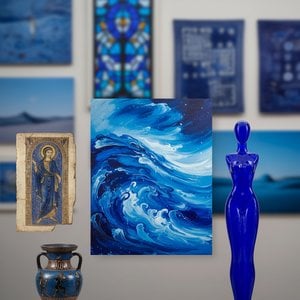
The Allure of Azure: Exploring the Symbolic & Aesthetic Depths of Blue in Art History
Explore the rich history of blue in art! Discover its symbolism, from ancient pigments to modern masterpieces by Kandinsky & Seurat. Uncover the psychological impact and cultural meanings behind this captivating hue.

Crimson Threads of Narrative: Exploring Symbolism & Representation in Artworks Featuring the Red Dress
Explore the rich symbolism of the red dress in art history! From ancient power displays to iconic portraits like Cézanne’s 'Madame Cezanne', discover the cultural and artistic significance behind this captivating color. Expert analysis & insights.


