


Картина подстраивается под ваш выбор: , .
Описание предмета коллекционирования
Admire Franz Ehrlich’s architectural blueprint 'DEVELOPMENT SCHEMES,' showcasing meticulous detail and geometric precision—a testament to Bauhaus principles and communist ideals.
 Читать далее
Биография художника
Изучите искусство Франца Эрлиха: немецкого архитектора, каллиграфа и графического дизайнера. Откройте для себя влияние Баухауса, коммунистические связи и инновационный дизайн.
Данное произведение защищено авторским правом
Произведение искусства, представленное на этой странице, защищено законом об авторском праве, что исключает возможность законного создания или продажи его точной репродукции. Данная защита обеспечивается международными соглашениями, такими как Бернская конвенция и национальным законодательством, включая положения, изложенные в Закон США об авторском праве — Раздел 17.
В качестве достойной и законной альтернативы мы предлагаем авторские картины ручной работы, вдохновленные оригиналом. Наши опытные профессиональные художники тщательно изучают стиль, настроение и художественную суть оригинала, чтобы создать новое, уникальное произведение, которое вызывает те же чувства, оставаясь при этом самостоятельным оригинальным творением.
Этот метод полностью соответствует нормам авторского права, так как он не предполагает копирования или дублирования защищенного произведения. Напротив, это творческая реинтерпретация — создание новой картины, которая вдохновлена оригиналом, но не является его точной копией.
Закажите ваш в четыре простых шага
Не торопитесь. Вы можете изменить любой ответ; цена в вашей корзине будет обновляться после каждого выбора.
1 Шаг первый из четырех
On which medium should it be printed?
Canvas is printed with giclée inks and can be stretched or framed like a painting; paper comes flat, or framed behind glass.
2 Шаг второй из четырех
Какой размер вы бы хотели выбрать?
Эти размеры сохраняют пропорции оригинальной картины. На рисунке показано, как выбранный вами вариант будет смотреться на стене над двухметровым диваном.
Или укажите свои размеры
Выберите один из наших стандартных размеров, соответствующих оригинальным пропорциям произведения искусства.

Введите необходимую ширину и высоту, чтобы репродукция подошла к вашей раме или стене. При печати изображение можно только уменьшить, но нельзя увеличить больше оригинала, поэтому при выборе другого формата часть изображения может быть обрезана. Перед печатью мы отправим вам цифровой макет на утверждение. Изображение на этой странице не отображает реальную обрезку — ее можно увидеть только на макете.
3 Третий шаг из четырех
Как его подготовить: в рулоне, на подрамнике или в раме?
Ниже указаны цены для размера, выбранного вами на первом этапе.
Выберите тип обработки краев холста
Выберите свою раму

Белый торцевой край $1

Размытый край $1

С продолжением изображения $1

P118B $10

P118H $10

P118W $10

P438Z $10

P508JH $12

P508YH $12

P805H $10

P805Z $10

P919BZ $10

P919G $10

P919XJ $10

P959ZH $10

P968JZ $12

W106C $8

W218G $10

W218JH $8

W218Y $10

W307PJ $10

W316G $10

W316PJ $8

W316Y $10

W398PJ $8

W4111J $10

W500HY $15

W500JH $15

W692G $12

W849H $8

W940BG $15

W953PJ $8

H24-GOLD $30

H24-SILVER $30

H36-GOLD $45

H36-SILVER $45
В раме
Багет: . Общий размер в раме: .
4 Четвертый шаг из четырех
Несколько вариантов отделки
Все они являются необязательными. Выбранные ответы не влекут за собой дополнительных расходов.
Доставка по всему миру () за 2 недели вместо стандартных 4–5 недель. (22 Ноябрь)
Табличка, как в музее?
Детали гравировки на бронзовой плакетке
This elegant plaque features the artist's name and the title of the artwork, finely engraved for a timeless presentation.
It is made from bronze with a refined, elegant finish. The text is precisely laser-engraved for a sharp and permanent result. Measuring 9x2 cm, the plaque is compact yet easy to read. It's built to be durable and scratch-resistant, offering a professional, museum-quality look. Mounting is simple thanks to the included adhesive backing.
Детали прозрачной акриловой таблички
The plaque includes essential engraved details such as the artist's name, the title of the artwork, the date it was created, the type of media used-like oil on canvas or watercolor-a brief description of the piece, and a QR code that links to the complete artwork information.
It is crafted from clear acrylic, offering a sleek, modern appearance. The text is UV-engraved in black to ensure strong visual contrast. With a size of 10x15 cm, it ensures optimal readability. It comes equipped with two metal hooks for secure wall mounting. The plaque is designed to be weather-resistant, making it suitable for various environments, and it includes interactive features that work seamlessly with smartphone scanning.
Информация о чёрной акриловой табличке
This elegant plaque includes engraved information such as the artist's name, the title of the artwork, the date it was created, the type of media used (like oil on canvas or watercolor), a short description of the artwork, and a QR code for quick access to more information.
The plaque itself is made from refined black acrylic with a premium finish. The text is laser-engraved in white for high contrast and readability. Its size is 10x15 cm, designed to be easy to read. It comes with two metal hooks for professional mounting. The design is sleek and fits any interior style. It is also weather-resistant and durable, with built-in digital integration for mobile compatibility.
Защитный лак?
Когда вам нужна доставка?
✓ Проверить и заказать
Your print, as you ordered it

DEVELOPMENT SCHEMES. Existing buildings / development as currently intended / development as it should be intended
Техника репродукции
Размер репродукции
-

Оформление репродукции
-
-
Для произведений искусства или репродукций, размер которых превышает 105 см (приблизительно 41 дюйм) по любой из сторон, рама будет доставлена в разобранном виде (в виде комплекта). Этот метод обеспечивает безопасную доставку и предотвращает повреждения при транспортировке.
Требуется профессиональная сборка — это не продукт для самостоятельной сборки (DIY).
Комплект должен быть собран, а холст натянут опытным мастером по багетным рамам с использованием клеевого ПВА (не входит в комплект), струбцин для натяжки холста и зажимов, чтобы удерживать подрамник ровным до полного высыхания клея. Неправильная сборка или неравномерное натяжение холста могут привести к необратимому повреждению произведения искусства и не являются гарантийным случаем.
 Для произведений искусства или репродукций, размер которых превышает 105 см (приблизительно 41 дюйм) по любой из сторон, рама будет доставлена в разобранном виде (в виде комплекта). Этот метод обеспечивает безопасную доставку и предотвращает повреждения при транспортировке.
В комплект входят все бруски из массива дерева, точно вырезанные по размеру.
Собирается с помощью предоставляемых винтов, а также столярного клея для угловых соединений, который не входит в комплект и должен быть приобретен вашим мастером.
Требуются профессиональные инструменты, не входящие в комплект: щипцы для натяжки холста (натяжитель) и зажимы, чтобы удерживать рейки ровно во время высыхания клея.
Важно:
Для соединения углов требуется клей для дерева, перекладины необходимо зафиксировать струбцинами до полного высыхания клея, а для натяжки холста на собранную раму требуются щипцы для натяжки холста. Ни один из этих инструментов не входит в комплект. Пожалуйста, убедитесь в наличии опытного мастера по багетным работам перед заказом рамы такого размера.

Этикетка
-
-

Защитный лак
Глянцевый лак (насыщает цвета, защищает от воздействия света и влаги)
-

Экспресс-доставка
Доставка по всему миру () за 2 недели вместо стандартных 4–5 недель. (22 Ноябрь)
-
Экспресс-доставка
Доставка по всему миру () в течение 4–5 недель. (29 Ноябрь).
Включено в стоимость
Итоговая стоимость
$ 63
Вариант со стеклом доступен только для размеров менее 110 см
Включено в каждый заказ
- Бесплатная экспресс-доставка по всему миру
- Высококачественный льняной холст
- Полное страхование при доставке
- Гарантия возмещения таможенных пошлин
- Гарантия точного цветового соответствия
- 100-дневная гарантия возврата (только при обнаружении дефектов)
- Гарантия возврата 100% средств
- Скидка при оптовом заказе


Franz Ehrlich’s Development Schemes: A Blueprint for Vision
This meticulously crafted architectural drawing by Franz Ehrlich, dated unknown but originating from the mid-20th century, transcends mere technical documentation; it embodies a profound reflection of modernist ideals and the ambition to reshape urban landscapes. Executed in black ink on paper—a testament to traditional drafting techniques—the artwork presents a striking visual narrative that speaks volumes about its creator’s artistic sensibilities and intellectual engagement with the burgeoning field of architectural planning.- Subject Matter: The drawing focuses squarely on urban development, depicting detailed plans for constructing new buildings alongside existing structures. It's not simply about construction; it’s about reimagining spaces and integrating them harmoniously into the broader cityscape.
- Style & Technique: Ehrlich adheres to a distinctly architectural drafting style—characterized by orthogonal projection and prioritizing dimensional accuracy over artistic embellishment. The use of hatching patterns subtly conveys depth and shading, lending an illusion of realism to the schematic representation. Precise lines delineate building outlines and structural elements, reflecting the meticulous attention to detail demanded by professional architects.
- Historical Context: Produced during a period marked by significant architectural experimentation—particularly influenced by the Bauhaus movement—the drawing embodies the modernist ethos of functionality, simplicity, and rational design. The Bauhaus’s emphasis on uniting art and craft aimed to liberate architecture from ornamentation and elevate it to a higher level of aesthetic expression.
- Composition & Visual Elements: The image is dominated by three horizontal rows of building designs arranged in a grid format—a deliberate choice that underscores the systematic planning inherent in urban development schemes. A rectangular border frames the artwork, reinforcing its formal character and conveying a sense of seriousness.
- Symbolism & Emotional Impact: Beyond its technical precision, the drawing evokes a powerful feeling of order, control, and optimism—reflecting the belief that architecture could contribute to creating more efficient and aesthetically pleasing environments. It’s a visual manifesto for shaping cities according to enlightened principles.
Detailed Examination of Drawing Techniques
Ehrlich's masterful use of hatching is particularly noteworthy. Rather than relying on shading gradients, he employs dense lines to simulate tonal variations within the building facades—a technique that maximizes clarity and minimizes visual distortion. The density of hatching corresponds directly to the perceived level of illumination, creating a convincing illusion of depth without resorting to perspective conventions. This deliberate stylistic choice underscores Ehrlich’s commitment to conveying spatial information accurately while maintaining an understated aesthetic sensibility.Exploring Connections to Bauhaus Ideals
The drawing's stylistic lineage can be traced directly back to the Bauhaus school in Dessau, where Ehrlich honed his artistic skills during a formative period of experimentation and innovation. Like other Bauhaus architects, Ehrlich championed the concept of “Gesamtkunstwerk”—a holistic approach to design that integrates various art forms into a unified aesthetic experience—rejecting the decorative excesses of Victorian architecture. This commitment to functionality and simplicity aligns perfectly with the drawing’s core message: architecture should serve humanity's needs while elevating its visual beauty.A Legacy of Precision and Vision
Franz Ehrlich’s “Development Schemes” remains a compelling exemplar of modernist architectural drafting—a testament to his artistic talent and intellectual curiosity. Its enduring appeal lies not only in its technical accuracy but also in its ability to communicate a powerful vision for shaping urban spaces—a vision rooted in the belief that architecture could contribute meaningfully to improving human life and fostering a more harmonious relationship between art and society.Вопросы и ответы
Как мне скачать изображение «DEVELOPMENT SCHEMES. Existing buildings / development as currently intended / development as it should be intended», Франц Эрлих?
Цифровое изображение работы «DEVELOPMENT SCHEMES. Existing buildings / development as currently intended / development as it should be intended», Франц Эрлих доступно для скачивания на странице произведения Скачать цифровое изображение: скачивание цифрового изображения в высоком разрешении.
К какому периоду творчества Франц Эрлих относится работа «DEVELOPMENT SCHEMES. Existing buildings / development as currently intended / development as it should be intended»?
В творческом наследии Франц Эрлих работа «DEVELOPMENT SCHEMES. Existing buildings / development as currently intended / development as it should be intended» относится к периоду Bauhaus Era. Этот этап позволяет сопоставить её с другими произведениями художника.
Какой преобладающий цвет в произведении «DEVELOPMENT SCHEMES. Existing buildings / development as currently intended / development as it should be intended», Франц Эрлих?
Преобладающий цвет произведения «DEVELOPMENT SCHEMES. Existing buildings / development as currently intended / development as it should be intended», Франц Эрлих — Putty (#c5bcad).
Подробнее об этой картине
 Предпросмотр
 Купить картину ручной работы
 Поделиться
 Поделиться
 Детали произведения
 Руководство

 Скачать
 Похожие предметы
 Рентгенография
 Слайд-шоу
 Вопросы и ответы
 Статистика просмотров
Похожие произведения


Франц Эрлих
1907 - 1984, Германия
Биография художника
Ранние годы и образование
Франц Эрлих, выдающийся немецкий архитектор, каллиграф и графический дизайнер, родился в 1907 году. Его юность была отмечена врожденной тягой к искусству, что привело его в стены легендарного Баухауса в Дессау, где он обучался с 1927 по 1930 год. Это престижное учебное заведение сыграло решающую роль в формировании художественного мировоззрения Эрлиха, познакомив его с самыми смелыми авангардными течениями той эпохи.Творческий путь и политические убеждения
Приверженность Эрлиха коммунистической партии оказала глубокое влияние на его судьбу и профессиональную деятельность. В 1935 году он был арестован и заключен под стражу нацистским режимом — событие, которое коренным образом изменило траекторию его творческих поисков. Несмотря на все преграды и испытания, Эрлих продолжал вносить свой вклад в мировое искусство, оставив после себя наследие, которое одновременно вдохновляет и заставляет глубоко задуматься.Знаковые произведения
Среди наиболее значимых работ Эрлиха можно выделить следующие:- «800 лет. Das Buch [Книга]. План и виды (выставочные стенды, Лейпцигская ярмарка) — истинное свидетельство его новаторского подхода к дизайну и архитектуре.
- Проект реализации дома проф. д-ра Бауманна (план фундамента), демонстрирующий его высочайшее мастерство в архитектурном планировании.
- «1933» (фото-скульптурный рекламный проект) — уникальное слияние фотографии и скульптуры, подчеркивающее его экспериментальную натуру.
Музеи и коллекции, представляющие работы Эрлиха
Портал ArtsDot.com представляет обширную коллекцию работ Эрлиха, включая упомянутые выше шедевры. Важным хранилищем его творческих достижений также является Фонд Баухауса в Дессау (Дессау-Рослау, Германия).Наследие и влияние
Вклад Франца Эрлиха в мировое искусство многогранен и отражает широкий спектр его интересов и талантов. Его жизненный путь — как творческий, так и личный — предлагает ценный взгляд на пересечение искусства и политики в переломный момент немецкой истории.- Ознакомиться с другими работами Эрлиха можно по ссылке https://AllmentsStore.com/@/franz-ehrlich
- Изучить коллекцию Фонда Баухауса в Дессау можно здесь: Bauhaus Dessau Foundation (Дессау-Рослау, Германия)


Похожие статьи

За пределами декора: Архитектурный резонанс репродукций изобразительного искусства во внутреннем дизайне
Узнайте, как репродукции изобразительного искусства преображают интерьеры! Экспертные советы по выбору стиля, сочетанию с архитектурой и созданию роскошной атмосферы. Вдохновение от Ренессанса для вашего дома или бизнеса.

Mastering the Hatching Technique: How Layered Lines Create Depth and Texture in Art
Discover the secrets of hatching and cross-hatching. Explore how master artists use layered lines to create depth, texture, and volume, from Renaissance engravings to modern masterpieces. Perfect for art enthusiasts looking to deepen their appreciation for fine art techniques.
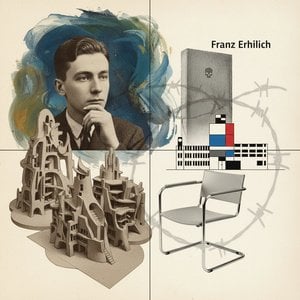
Franz Ehrlich: Bridging Expressionism, Bauhaus & the Shadows of History
Explore the life of Franz Ehrlich, a pivotal Bauhaus architect whose career spanned Expressionism, resistance during Nazi Germany, and GDR reconstruction. Discover his complex legacy & view museum-quality reproductions at ArtsDot.