Joseph Edward Southall: A Quiet Revolutionary
Joseph Edward Southall (1861 – 1944) stands as a compelling figure in British art history—a painter who defied the prevailing trends of his time, prioritizing craftsmanship and spiritual depth over mere stylistic innovation. He wasn’t a flamboyant innovator eager to shatter artistic conventions; rather, he was a steadfast champion of tempera painting, deeply rooted in the Arts and Crafts movement's ethos and guided by unwavering Quaker convictions. His life story is one of quiet determination—a dedication to preserving traditional techniques, fostering social responsibility within art, and upholding ethical ideals that resonated powerfully across his lifetime.- Early Life & Education: Born in Nottingham on August 23rd, 1861, Southall’s upbringing was shaped by Quaker values instilled by his parents—Joseph Sturge Southall and Elizabeth Maria Baker—who were active members of the Society of Friends. His father's untimely death at age 27 profoundly impacted his formative years, prompting a relocation to Edgbaston, Birmingham, where he grew up alongside his maternal grandmother.
- Birmingham School of Art & Influences: Southall’s artistic journey commenced at Ackworth School and Bootham School in York, followed by enrollment at the Birmingham School of Art. Here, he encountered fellow artist Arthur Gaskin—a lifelong collaborator who shared a commitment to Arts and Crafts principles inspired by thinkers like Carlyle, Ruskin, and Morris.
- The Tempera Revival & Ruskinian Inspiration: Southall’s artistic breakthrough occurred during his travels through Italy in 1883. Witnessing the frescoes of Benozzo Gozzoli ignited an admiration for Renaissance masters who predated widespread oil painting adoption—artists who championed tempera as the ideal medium, prioritizing detail and luminosity. This conviction was solidified by Ruskin's influential commentary on Carpaccio’s *Two Venetian Ladies*, cementing Southall’s belief in tempera’s expressive potential.
- The Birmingham Group & Artistic Philosophy: In 1901 Southall co-founded the Birmingham Group of Artist-Craftsmen—a collective dedicated to reviving traditional artistic practices and upholding ethical considerations. The group's members, including Gaskin, Gere, Payne, and Sleigh, embraced Ruskinian ideals and sought to infuse their art with social responsibility.
- Legacy & Artistic Achievements: Southall’s enduring influence extends beyond his paintings—which frequently depicted domestic interiors, landscapes, portraits, and scenes of everyday life imbued with symbolic resonance. He served as President of the Royal Birmingham Society of Artists from 1939 until his death in 1944, leaving behind a rich artistic legacy characterized by meticulous craftsmanship and profound spiritual conviction.
- Tempera Technique: Southall mastered egg tempera—renowned for its luminosity, detail, and subtle color gradations—reflecting Ruskinian principles of careful planning and execution.
- Subject Matter: His paintings focused on domestic interiors, landscapes, portraits, and scenes of everyday life, often conveying symbolic meaning rooted in Quaker faith and socialist ideals.
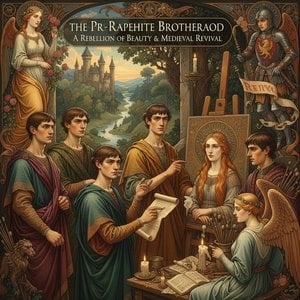
- Pre-Raphaelite Influence: Southall’s artistic style bore a discernible debt to the Pre-Raphaelites—characterized by realism, romantic sensibility, and meticulous draughtsmanship.
- Arts & Crafts Ideals: He embodied Arts and Crafts principles—emphasizing craftsmanship, simplicity, and social responsibility as core tenets of artistic practice.
- Mastro Auctions:
- Fine Art Archive:
- Royal Academy of Arts:
- Birmingham School of Art:
Întrebări și răspunsuri
Care sunt locul și anul nașterii lui Joseph Edward Southall?
Joseph Edward Southall s-a născut în Nottingham, în anul 1861.
Unde sunt grupate operele lui Joseph Edward Southall pe baza cuvintelor cheie?
Pagina După cuvinte cheie a lui Joseph Edward Southall grupează operele de artă ale artistului în funcție de cuvintele cheie.
Există o cronologie a operelor lui Joseph Edward Southall?
Există o cronologie a lucrărilor lui Joseph Edward Southall: pagina Cronologia operelor de artă a artistului ordonează operele în funcție de data creației.
What aliases or alternate names does Joseph Edward Southall have?
Joseph Edward Southall appears under the alternate names J.E. Southall, Southall.
Unde pot fi găsite operele lui Joseph Edward Southall, grupate pe mișcări artistice?
Operele lui Joseph Edward Southall pot fi vizualizate pe baza stilului artistic în pagina Toate mișcările a artistului.
În ce oraș și țară s-a născut Joseph Edward Southall?
Joseph Edward Southall s-a născut în Nottingham, în Regatul Unit.
Câte opere de artă ale lui Joseph Edward Southall pot fi vizualizate?
Puteți vizualiza 18 opere de artă de opere ale lui Joseph Edward Southall pe pagina Toate operele de artă.
Unde pot găsi statistici despre operele lui Joseph Edward Southall?
Există o pagină Statistici pentru Joseph Edward Southall, care prezintă statistici despre operele de artă ale artistului pe acest site.