Portretul lui John Korner

Descoperă cele 10 cele mai faimoase picturi ale lui John Korner

Actualizat Noiembrie 2026 · clasat în funcție de scorul nostru de popularitate (căutări, vizite și comenzi pentru fiecare operă) · 13 lucrări ale lui John Korner în catalogul nostru

Pe scurt

Dacă cunoști o pictură a lui John Korner, probabil este Emerging 2 (1958). Coast Trellice (1958) și Coast Glitter 2 (1958) completează cele trei piese pe care oamenii le recunosc imediat. Catalogul nostru conține 13 lucrări ale lui John Korner. Mai jos sunt cele 10 opere cele mai cunoscute, fiecare cu anul creării, locul unde poate fi găsită și trăsăturile care o fac specială.

născut în 1967, Aarhus Cele mai multe lucrări: Statens Museum For Kunst

Începe de aici: cele mai importante 10 picturi ale lui John Korner

Unde poți vedea picturile lui John Korner

Muzeul care deține cele mai multe dintre picturile prezentate pe această pagină.

Muzee Oraș Lucrări lui John Korner Picturi din această listă
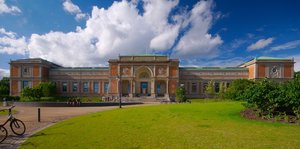
Statens Museum For Kunst, CopenhagaStatens Museum For Kunst Copenhaga 3 Untitled. Tramp/Crocodile, Anders, Jesper

John Korner an de an: piesele de excepție

Piesele datate de pe această pagină acoperă doar 5 ani din activitatea lui John Korner, de la 2004 la 2008. Urmăriți-le an de an.

Lucrări pe an

Alege un an pentru a vedea lucrările sale.

Întrebările tale despre picturile lui John Korner

Care este cea mai celebră pictură a lui John Korner?Vezi răspunsul

În topul listei se află Emerging 2 (1958). Următoarele sunt: Coast Trellice (1958) și Coast Glitter 2 (1958).

Care sunt cele mai cunoscute 10 picturi ale lui John Korner?Vezi răspunsul

Emerging 2, Coast Trellice, Coast Glitter 2, Pacific Gateway, Flowers by a Blue River, Compass Rose 1, White Painting, Untitled. Tramp/Crocodile, Anders și Jesper. Veți găsi anul și muzeul fiecăruia în lista de mai sus.

Câte picturi a creat John Korner?Vezi răspunsul

În catalogul nostru avem 13 lucrări ale lui John Korner, datate între 2004 și 2008.

Unde puteți vedea celebrele picturi ale lui John Korner?Vezi răspunsul

Le vei găsi pe majoritatea în Statens Museum For Kunst (Copenhaga). Lista muzeelor de mai sus oferă detalierea completă.

Când a pictat John Korner cele mai cunoscute opere?Vezi răspunsul

În 2008, mai mult decât în orice altă perioadă: 2 dintre cele 10 piese de pe această pagină datează de atunci, Anders dintre acestea.

Care sunt primele și ultimele picturi ale lui John Korner care au fost realizate?Vezi răspunsul

Cea mai veche piesă de aici este Untitled. Tramp/Crocodile (2004); cea mai recentă este Anders (2008).

Ce opere ale lui John Korner puteți vedea la Statens Museum For Kunst?Vezi răspunsul

Pe această pagină poți vedea 3 dintre piesele din cadrul Statens Museum For Kunst, Copenhaga, inclusiv Untitled. Tramp/Crocodile, Anders și Jesper.

Cunoașteți-l pe John Korner

John Korner: A Quiet Revolution in Watercolor

John Michael Anthony Koerner (September 29, 1913 – February 23, 2014) wasn’t a household name—not in the conventional sense of musical stardom or cinematic acclaim. Yet, his contribution to Danish art history is undeniable: John Korner carved out a distinctive path as a watercolorist whose ethereal landscapes and subtly expressive portraits captured the essence of the Nordic spirit. Born in Aarhus, Denmark, Koerner’s artistic journey began with formal training at the Royal Danish Academy of Fine Arts between 1992 and 1998, where he honed his craft and garnered recognition for his unique vision. He was awarded an Eckersberg Medal in 2012—a prestigious honor bestowed upon Denmark's most promising young artist—solidifying his place among the nation’s artistic elite.
  • Early Life & Influences:
  • Koerner’s formative years were marked by a profound connection to nature. Growing up in Aarhus instilled within him an appreciation for the serene beauty of Denmark's coastal regions and forests—influences that would permeate his artistic output. While biographical details remain somewhat sparse, anecdotal evidence suggests exposure to Impressionist painters like Claude Monet and Camille Pissarro played a crucial role in shaping his aesthetic sensibilities. These artists championed capturing fleeting moments of light and color, mirroring Koerner’s own approach to watercolor.

Watercolor Technique & Artistic Style

Koerner's distinctive style revolved around mastering the delicate medium of watercolor—a technique he embraced with unwavering dedication. Unlike bolder mediums like oil paint, watercolor relies on translucency and layering, allowing for subtle gradations of color and an unparalleled ability to convey atmosphere. He favored a muted palette dominated by blues, greens, and browns—colors that perfectly complemented his subjects—often depicting landscapes bathed in misty mornings or portraits imbued with quiet contemplation. His signature method involved applying thin washes of pigment onto damp paper, building up layers gradually to achieve depth and luminosity. This painstaking process demanded patience and precision, resulting in paintings characterized by a remarkable sense of serenity and understated beauty.
  • Notable Works:
  • “Flowers by a Blue River”, completed in 2004, exemplifies Koerner’s artistic vision. This evocative watercolor captures the tranquil essence of a riverside meadow—a scene rendered with meticulous detail and infused with luminous hues. The artist's masterful use of impasto technique adds textural richness to the composition, creating a dynamic interplay between light and shadow.
  • “Compass Rose 1”
  • : This piece showcases Koerner’s ability to distill complex emotions into simple forms—a testament to his artistic prowess.

Recognition & Legacy

Beyond the Eckersberg Medal, Koerner's work gained international acclaim through exhibitions in Berlin and Helsinki, demonstrating the breadth of his influence within the contemporary art world. His participation in Art Basel solidified his reputation as a respected figure among collectors and critics alike. Furthermore, collaborations with institutions like John Muir House and The Museum of Methodism underscore his commitment to artistic engagement with broader cultural contexts.

Concluding Thoughts

John Korner’s legacy extends beyond the canvases he created—it resides in the enduring beauty of his paintings and the quiet contemplation they inspire. He wasn't driven by grand ambitions or flamboyant gestures; rather, he pursued excellence through unwavering dedication to his craft—a path that ultimately yielded a body of work profoundly rooted in observation, sensitivity, and an unwavering belief in the transformative power of watercolor. His art continues to resonate with viewers who appreciate understated elegance and the profound connection between artist and landscape.