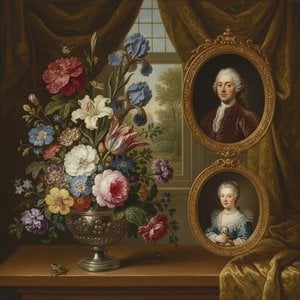
Viața și Arta lui Gabriel Metsu
Gabriel Metsu a fost un pictor care a explorat cu măiestrie o multitudine de subiecte, refuzând să se limiteze la o singură direcție artistică. Mâinile sale erau la fel de pricepute în compunerea picturilor istorice și a portretelor, precum și în capturarea naturilor moartei sau a scenelor de gen. Această dorință de a nu rămâne captiv într-un singur stil i-a conferat o operă diversă, un spectru artistic atât de bogat încât orice încercare de a-l încadra într-o singură metodă creatoare pare sortită eșecului.
Născut în Leiden în anul 1629, Metsu a crescut într-un mediu cultural vibrant, fiind fiul lui Jacques Metsu, pictor și designer de textile, și al lui Jacquemijn Garniers, o parteche. Aceste rădăcini în Leiden i-au oferit fundamentul necesar pentru o viață dedicată observării minuțioase a detaliilor lumii înconjurătoare. Deși cariera sa l-a purs ulterior spre Amsterdam, esența sa artistică a rămas profund ancorată în peisajul cultural al secolului al XVII-lea în Țările de Jos.
Opera sa se concentrează adesea pe momentele de liniște ale vieții cotidiene. Metsu poseda un talent rar de a surprinde figuri umane în cadre domestice, concentrându-se uneori pe modul în care lumina mângâia o suprafață sau pe gestul delicat prin care o persoană deține un obiect. În timp ce alți pictori ai epocii sale căutau o semnătură vizuală rigidă și recunoșterea imediată a brushwork-ului, Gabriel Metsu și-a schimbat frecvent abordarea. A fost un pictor eclectic, oscilând între marile narațiuni ale istoriei și scenele mai intime, mai fragile, ale oamenilor în propriile lor cămine.
Tinerețe, familie și formare
Gabriel Metsu s-a născut în Leiden, în anul 1629, într-un univers cultural vibrant. Tatăl său, Jacques Metsu, era pictor și meșteșugar al textilelor, originar din Hainault. Această legătură profundă cu măiestria artizanale a modelat, cel mai probabil, atmosfera din căminul său de la începuturi, deși Jacques a decedat în martie 1629, la scurt timp după nașterea lui Gabriel. Tânărul artist a crescut în mediul Leiden, un loc în care artele vizuale formau inima vieții de zi cu zi. Până în anul 1648, acesta devenise deja membru fondator al gildei pictorilor din Leiden, un moment care i-a consacrat statutul de maestru independent în cadrul comunității locale.
Detaliile referitoare la educația sa timpurie rămân, însă, un subiect de dezbatere pentru istorici. Este posibil ca acesta să fi studiat în Utrecht sub îndrumarea pictorilor catolici Nicolaus Knüpfer și Jan Weenix. Evoluția sa artistică a fost influențată în continuare de perioada petrecută în rolurile de profesor și de elev, în timp ce îi instruia pe Michiel van Musscher și pe Joost van Geel. Acești ani de început i-au oferit fundația tehnică esențială pentru o carieră ce, în cele din urmă, s-a îndreptat spre acele scene domestice și portrete pline de viață pentru care este astăzi celebrat.
Activitatea artistică în Leiden și Amsterdam
În anul 1648, Gabriel Metsu a devenit unul dintre primii membri ai gildei de pictori din Leiden. Această etapă a vieții sale în Leiden l-a aflat lucrând alături de o comunitate vibrantă de artiști locali, deși prezența sa în acest oraș a fost relativ scurtă. Până în 1650, acesta încetease deja să mai fie membru al gildei, iar focusul său artistic a început să se schimbe odată cu mutarea sa spre Amsterdam, în jurul anului 1655. Această tranziție a marcat o schimbare profundă atât în mediul său de viață, cât și în subiectele pe care a ales să le observe cu atâta atenție.
După ce s-a stabilit în Amsterdam, Gabriel Metsu a locuit pe Prinsengracht, într-un cadru plin de viață. Casa sa era situată în apropierea rudelor sale, copiii rafinatorului de zahăr Philips Metsu. Această proximitate față de familie și ritmul alert al cartierului de pe lângă canal i-au oferit un fundal constant și plin de textură pentru creațiile sale. Și-a petrecut restul vieții în acest oraș, rafinându-și măiestria în pictarea acelor scene de domesticitate și interacțiune socială care îi definesc, în mod inconfundabil, moștenirea artistică.
Tehnică și Stil Artistic
Mâna lui Gabriel Metsu călătorea cu măiestrie între perspective vizuale diverse, demonstrând o adaptabilitate rară. El a împrumutat profunzimea chiaroscuro-ului lui Rembrandt, utilizând jocul de lumini și umbre pentru a defini volumul și greutatea unei încăperi întregi. În alte momente, pensula sa căuta realismul luminos și eteric regăsit în opera lui Vermeer. Această versatilitate i-a permis să transiteze de la o iluminare dramatică și densă, la o strălucire mai clară și uniformă. Adesea, spiritul său artistic se îndrepta spre fijnschilders din Leiden, concentrându-se pe un nivel de detalii meticuloase care cereau o mână sigură și o răbdare neînduplecată. Opera sa nu a fost niciodată captivă într-o singură metodă, ci s-a adaptat mereu nevoilor specifice ale subiectului care îi era în fața ochilor.
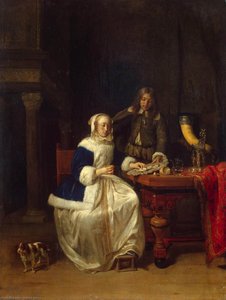
Gabriel Metsu poseda un talent aparte de a surprinde mișcările silențioase ale unei încăperi. Picturile sale se concentrau frecvent pe tânăra femeie, pe scenele vibrante de la piață sau pe chipurile marcate de timp ale vârstnicilor. Privirea sa atentă observa modul în care lumina mângâia o mânecă de mătase sau un vas de ceramică. Această atenție obsesivă la detalii se extindea până la postura și gestica subiectelor sale; prin efecte de iluminare subtile, el reușea să sugereze stările psihologice profunde, capturând o privire trecătoare sau o clipă de gândire privată. În interioarele sale domestice, simpla poziționare a unui scaun sau înclinarea ușoară a unui cap deveneau povești despre realitățile liniștite ale vieții de zi cu zi.
- The Sick Child (c. 1660)
- A Musical Party (c. 1659)
- The Poultry Woman (c. 1662)
Patronaj, Atelier și Comenzi
Subzistența lui Gabriel Metsu era strâns legată de cerințele constante ale clasei comerciale și de gospodăriile prospere ale Epocii de Aur olandeze. În Delft, artistul a găsit o prezență constantă în cadrul familiei Van der Veer, servind ca pictor al curții lor — o funcție ce, cel mai probabil, i-a oferit un flux continuu de scene domestice și portrete. Această legătură cu o familie de rang sugerează un nivel profund de încredere și o integrare stabilă în cercul lor social.
Odată ajuns în Amsterdam, cercul său de influență s-a extins, incluzând figuri precum Jan J. Hinlopen, un negustor de țesături. Astfel de patroni îi ofereau artistului resursele necesare pentru a explora subiecte diverse, de la interioarele liniștite până la scene de gen mai complexe. Opera sa reflecta adesea gusturile acestor indivizi, capturând texturile și nuanțele sociale ale vieții lor cotidiene. De asemenea, Metsu a căpătat inspirație din ideile de compoziție ale altor maeștri, precum modul în care Gerard ter Borch dispune perechile de picturi pe teme comune, o metodă pe care Metsu a adoptat-o pentru a crea conexiuni narative între piese de colecție distincte.
- The Woman taken in Adultery (1653)
- Portrait of the family Hinlopen
Opere cheie și picturi memorabile
Mâinile lui Gabriel Metsu au explorat o multitudine de subiecte, oscilând adesea între liniștea contemplativă a unui interior și agitația vibrantă a unei străzi. În anul 1653, a dat viață căre Femeia prinsă în adulter, o operă de o amploare remarcabilă ce trădează devotamentul său timpuriu pentru teme dramatice. Până în 1659, atenția sa s-a îndreptat spre interacțiunile sociale, capturate cu măiestrie în O petrecere muzicală. Aceste creații dezvăluie un pictor fascinat de modul în care oamenii ocupă spațiul înconjurător, fie că este vorba despre un moment de tensiune bruscă sau despre ritmul comun al unei încăperi pline de viață.
Anii de maturitate au marcat o tranziție către liniștea profundă a vieții domestice. Farmacul (Chimistul), pictat în 1661, surprinde un moment specific și discret de schimb de bunuri și interacțiune umană. Această afinitate pentru texturile vieții cotidiene a continuat în 1662 cu Vânzătoarea de păsări, unde focalizarea cade pe realitățile simple ale unui decor de piață. Chiar și în compozițiile mai melancolice, precum Copilul bolnav din perioada 1660, se observă o atenție minuțioasă pentru modul în care lumina cade peste scenă, amintind de interioarele luminoase și eterice ale contemporanilor săi.
Printre cele mai semnificative lucrări ale sale se numără:
- Femeia prinsă în adulter (1653)
- O petrecere muzicală (1659)
- Copilul bolnav (aprox. 1660)
- Farmacul (Chimistul) (1661)
- Vânzătoarea de păsări (1662)
Anii de la sfârșit și moștenirea sa
Până în anul 1658, Gabriel Metsu își stabilise viața în Amsterdam, orașul care i-ar fi devenit scenă pentru maturitate, iar aici s-a căsătorit cu Isabella de Wolff. Această unire a adus în mediul său de existență o notă de intimitate și o simțire profundă a vieții domestice, temă care s-ar fi revărsat, cu o naturalețe rară, pe pânzele sale pictate ulterior. Locuind pe malul canalului Prinsengracht, într-o zonă vibrantă, situată între o berărie și o piață de legume, Gabriel Metsu a trăit în inima pulsului urban. Această proximitate față de mișcarea constantă a orașului a influențat, probabil, modul în care a capturat, în anii săi de maturitate, acele scene delicate de interacțiune între viața publică și cea privată.
Totuși, drumul său artistic și vital a fost unul scurt, fiind tăiat de destin la vârsta de doar 38 de ani. În anul 1667, Gabriel Metsu a plecat la unison cu timpul, fiind înmormântat în liniștea sacrală a bisericii Nieuwe Kerk. După trecerea sa în neființă, Isabella de Wolff a ales să părăsească agitația Amsterdamului pentru liniștea Enkhuizen. Astfel, liniștea care a însoțit ultimii săi ani de viață în oraș rămâne în contrast poetic cu scenele de piață pline de viață și cu adunările din taverne pe care, odinioară, le imortaliza cu atâta măiestrie pe pânză.
Moștenire și influență
Prezența lui Gabriel Metsu în Epoca de Aur olandeză a lăsat o amprentă profundă asupra modului în care pictorii abordau colțurile liniștite ale unei încăperi. Capacitatea sa de a surprinde schimbările subtile de lumină într-un cadru domestic și greutatea psihologică a unui simplu gest au ajutat la modelarea direcției picturii de gen. Opera sa este recunoscută pentru influența asupra mai multor figuri majore ale epocii, printre care Johannes Vermeer, Jan Steen, Frans van Mieris și Pieter de Hooch. Modul în care a gestionat lumina și așezarea figurilor într-o cameră sugerează o conexiune profundă cu evoluțiile care aveau loc în mijlocul secolului al XVII-lea.
Există un mod specific prin care el observa lumea, un stil care pare să fi răsunat în lucrările contemporanilor săi. Influența sa este remarcată în mod deosebit în picturile lui Pieter de Hooch, unde accentul pus pe spațiile interioare și liniștea unui moment reflectă un interes similar pentru texturile vieții de zi cu zi. Trecând de la picturile istorice la scenele intime, el a ajutat la extinderea limitelor a ceea ce un pictor ar putea alege să reprezinte, evoluând de la narațiunile grandioase către detaliile mici și negrăbite ale unei gospodării.
Unde pot fi admirate astăzi operele sale
Urmărirea prezenței picturilor sale ne poartă într-o călătorie prin câteva dintre cele mai importante colecții de artă din lume. În Amsterdam, Rijksmuseum găzduiește capodopere precum Copilul bolnav, o operă pictată în jurul anului 1660. Măiestria sa de a surprinde momentele domestice de o liniște profundă este vizibilă și în sălile Louvre din Paris, unde se află mai multe dintre pânzele sale, printre care Farmacistul și Piața de legume din Amsterdam. Aceste lucrări ne oferă o privire intimă asupra texturilor vieții cotidiene din secolul al XVII-lea.
Peste Atlantic, Metropolitan Museum of Art din New York păstrează o parte din moștenirea sa artistică, inclusiv O petrecere muzicală și O femeie așezată la fereastră. Aceste picturi dezvăluie modul magistral în care gestiona lumina în spațiile interioare. La Londra, Colecția Wallace cuprinde lucrări precum Sportivul care doarme, o piesă ce reflectă acele scene sociale specifice pe care le picta adesea. Talentele sale sunt prezente și în alte locații de renume, printre care Muzeul Hermitage din Sankt Petersburg și Galleria degli Uffizi din Florența.
- Copilul bolnav (aprox. 1660)
- Farmacistul (1661)
- O petrecere muzicală (1659)
- Sportivul care doarme (1657)
Întrebări și răspunsuri
Pot sorta operele lui Gabriel Metsu după culoare?
Indice Spectral lui Gabriel Metsu este o pagină care organizează operele de artă ale acestuia în funcție de culoare.
De unde este Gabriel Metsu?
Gabriel Metsu s-a născut în Țările de Jos.
Câte opere de artă ale lui Gabriel Metsu pot fi vizualizate în catalog?
Puteți explora cele 219 de opere de artă de opere ale lui Gabriel Metsu pe pagina Toate operele de artă.