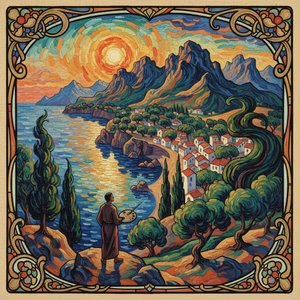
O via sculptată în piatră și credință: Lumea lui Antoni Gaudí
Antoni Gaudí i Cornet, născut pe 25 iunie 1852, în orașul catalan Reus, Spania, nu a fost doar un arhitect; a fost un vizionar care a sculptat visele în realitate. Povestea vieții sale este la fel de captivantă și neconvențională precum clădirile care poartă marca sa indelibilă. Creșterea printre dealurile rotunde și peisajele aspre ale Catalaniei i-a modelat profund sensibilitatea artistică. Chiar și din copilărie, a dat dovadă de o abilitate de observație acută, studiind meticulos formele și texturile naturii – o influență care avea să devină piatra de temelie a limbajului său arhitectural unic. Viața de familie a fost marcată atât de confort, cât și de constrângeri; tatăl său, un cupretor, i-a insuflat respectul pentru măiestrie, în timp ce catolicismul devotat al mamei sale a cultivat o conexiune spirituală profundă care a străpuns întreaga sa creație ulterioară. Aceste experiențe timpurii au pus bazele unei cariere dedicate armonizării artei, naturii și credinței. Educația sa formală a început la școala Piarist din Reus, urmată de studiile la Universitatea din Barcelona, înainte de a absolvi în sfârșit la Școala Provincială de Arhitectură în 1878. Chiar și în anii academici, talentul lui Gaudí era evident, deși poate nu recunoscut convențional; profesorii săi îi recunoșteau îndemânarea, dar se chinuiau adesea să o reconciliează cu normele stabilite. El și-a completat educația lucrând ca desenant pentru arhitectul Josep Fontserè i Mestres, contribuind la proiecte precum Parcul Ciutadella din Barcelona – o primă privire asupra peisajelor urbane pe care urma să le transforme în scurt timp.
Înflorirea unei viziuni unice
Primele sale comenzi au prezentat un stil în devenire, care îmbina cu măiestrie influențe istorice – neogotice și orientaliste – însă capacitatea sa înnăscută de a transcende imitarea și de a forja ceva complet nou este cea care l-a separat de ceilalți. Casa Vicens (1883-1888) stă ca o primă mărturie a acestei originalități emergente, elementele sale maure și neogotice fiind împletite cu o paletă vibrantă și detalii intricate. Totuși, începerea lucrărilor la basilica Sagrada Família în 1883 a fost cea care i-a definit cu adevărat opera vieții. Ceea ce a început ca un proiect neogotic relativ convențional s-a transformat rapid, sub îndrumarea lui Gaudí, într-o capodoperă organică și îndrăzneață – o dovadă a viziunii sale neclintite și a tehnicilor structurale inovatoare. El nu a visat doar o clădire, ci o „biblie de piatră”, fiecare element fiind îmbuierat cu simbolism religios. În același timp, Gaudí crea minuni rezidențiale precum Casa Batlló și Casa Milà (La Pedrera), finalizate între 1904 și 1910. Aceste structuri au sfidat convenția arhitecturală prin fațadele lor ondulate, formele scheletice și respingerea simetriei rigide. Ele nu erau doar clădiri, ci organisme vii, care respirau cu o energie unică. Parc Güell, început în 1900, a exemplificat și mai mult măiestria sa de a integra arhitectura cu peisajul natural, utilizând mozaicuri colorate – tehnica sa semnătură, *trencadís* – pentru a crea spații armonioase care păreau atât de fantastice, cât și profund spirituale. Chiar și lucrările mai timpurii, precum Palau Güell (1886-1888), au demonstrat experimentarea sa cu arcuri parabolice și utilizarea inovatoare a materialelor, prefigurând revoluțiile structurale ce urmau să vină.
Natura, Credința și Inovația: Pilonii Geniului lui Gaudí
În inima filosofiei arhitecturale a lui Gaudí se afla o reverență neclintită față de natură. El credea că formele naturale dețin cheia designului perfect, studiind meticulos totul, de la cochilii de scoici și copaci până la scheletele animalelor. Această biomimetică nu era doar estetică; ea a informat și inovațiile sale structurale. Structurile sale echilibrate – bazate pe coloane înclinate și voalte ușoare din plăci – au fost un răspuns direct la observarea modului în care elementele naturale distribuie greutatea eficient, eliminând nevoia de contraforturi tradiționale. Dincolo de natură, profunda credință catolică a lui Gaudí a fost o influență la fel de puternică, fiind deosebit evidentă în Sagrada Família, unde simbolismul religios este țesut în fiecare fațetă a designului. Basilica nu era pur și simplu un loc de cult; era menită să fie o manifestare fizică a credințelor creștine. De asemenea, el a fost pionier în tehnica *trencadís* – o formă de art mozaic care utilizează bucăți de ceramică spartă – creând suprafețe vibrante și texturate care adăugau un alt strat de frumusețe organică creațiilor sale. Expunerea sa timpurie la influențele neogotice și orientale i-a oferit o fundație, dar el nu a replicat pur și simplu aceste stiluri; le-a absorbit, le-a transformat și, în final, le-a transcende pentru a crea ceva unic, propriul său stil.
O moștenire durabilă: Impactul lui Gaudí asupra lumii
Antoni Gaudí este pe bună dreptate considerat cel mai mare exponent al Modernismului Catalan (Art Nouveau), un mișcare care a căutat să forjeze o identitate culturală distinctă pentru Catalonia prin artă și arhitectură. Opera sa nu a fost doar despre construirea de structuri; a fost despre crearea unei experiențe, evocarea emoției și celebrarea spiritului patriei sale. Astăzi, șapte dintre capodoperele lui Gaudí – Sagrada Família, Park Güell, Casa Batlló, Casa Milà, Palau Güell, Casa Vicens și Cripta din Colonia Güell – sunt desemnate Situri Patrimoniu Mondial UNESCO, o dovadă a valorii lor universale excepționale. Influența sa asupra arhitecturii se extinde mult dincolo de Spania; arhitecți și designeri din întreaga lume continuă să tragă inspirație din formele sale inovatoare, tehnicile structurale și abordarea holistică a designului. Tragic, viața lui Gaudí a fost tăiată în întuneric pe 10 iunie 1926, când a fost lovit de un tramway în Barcelona. Într-o ironie crudă, aspectul său neprețuit l-a făcut pe mulți să creadă că este doar un cerșetor, întârziind asistența medicală până când a fost prea târziu. În ciuda de moartea sa, construcția Sagrada Família a continuat pe baza planurilor și modelelor sale meticulos detaliate și este programată să fie finalizată în 2026 – centenarul trecerii sale în neființă. Mai mult, Biserica Catolică a inițiat un proces de canonizare pentru Gaudí în 2003, recunoscând atât devotamentul său religios, cât și contribuțiile sale artistice extraordinare – un omagiu binemeritat adus omului care și-a dedicat viața ridicării monumentelor care ating cerul.
Dincolo de cărămizi și mortar: Spiritul nemuritor al lui Gaudí
- Identitatea Catalană: Opera lui Gaudí a devenit sinonimă cu cultura catalană, întruchipând un spirit de independență și inovație artistică.
- Revoluția Arhitecturală: El a provocat normele arhitecturale convenționale, fiind pionier în noi tehnici structurale și îmbrățișând formele organice.
- Rezonanță Spirituală: Credința sa profundă a infuzat creațiile sale cu simbolism religios și un sentiment al sacralului.
- Inspirație Perpetuă: Gaudí continuă să îi inspire pe arhitecți, artiști și designeri din întreaga lume, lăsând o moștenire durabilă în peisajul artei și arhitecturii moderne.
Antoni Gaudí a fost mai mult decât un simplu arhitect; a fost un poet al pietrei, un vizionar care a transformat Barcelona într-o operă de artă vie. Clădirile sale nu sunt doar structuri, ci mărturii ale puterii imaginației, ale credinței și ale frumuseții nemuritoare a lumii naturale.
Întrebări și răspunsuri
Unde sunt grupate operele lui Antoni Gaudí pe baza cuvintelor cheie?
Pentru a găsi lucrări realizate de Antoni Gaudí pe o temă specifică, utilizați pagina După cuvinte cheie a artistului, care grupează operele de artă pe cuvinte cheie.
În ce perioadă istorică a activat Antoni Gaudí?
Antoni Gaudí a activat în perioada Secolul al XIX-lea. Această perioadă situează activitatea artistului în istorie.
Unde pot fi găsite operele lui Antoni Gaudí, organizate pe subiecte?
Atlas pe subiecte lui Antoni Gaudí este o pagină care organizează operele de artă ale artistului în funcție de subiectele acestora.
Pot sorta operele lui Antoni Gaudí după culoare?
Pagina Indice Spectral organizează operele lui Antoni Gaudí pe culori.
Câte opere de artă ale lui Antoni Gaudí pot fi vizualizate?
Puteți vizualiza 19 opere de artă de opere ale lui Antoni Gaudí pe pagina Toate operele de artă.
Care sunt locul și anul nașterii lui Antoni Gaudí?
Antoni Gaudí s-a născut în Riudoms, în anul 1852.
What other names is Antoni Gaudí known by?
Antoni Gaudí is also known as Gaudi.
De unde este Antoni Gaudí?
Antoni Gaudí s-a născut în Spania.