

 Previzualizare
 Trimite
 Distribuie
 Detalii despre lucrare

 Descarcă
 Produse similare
 Radiografie
 Diapozitive automate
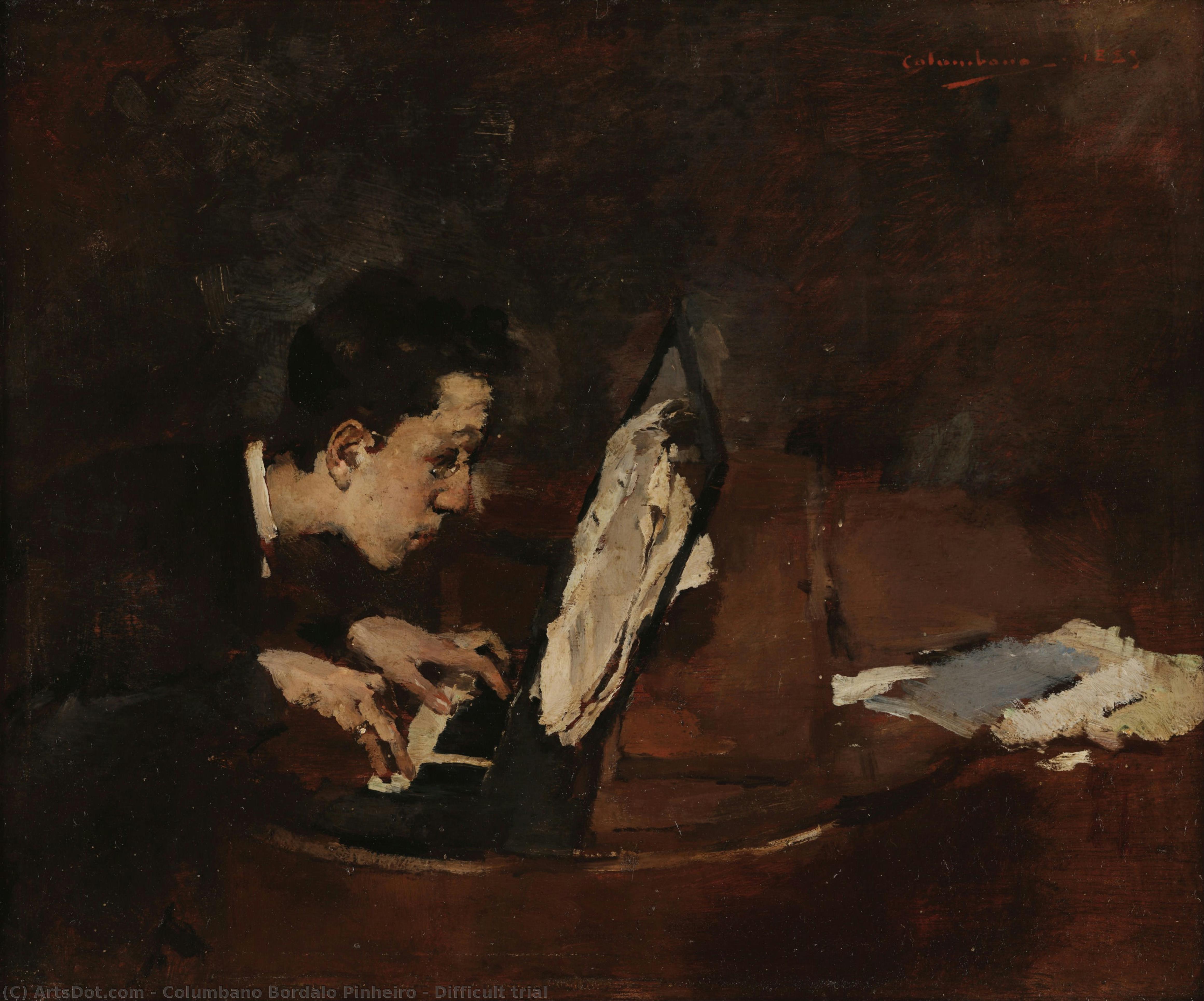
Dificil încercare
 Ulei pe pânză
- Artă murală
- Contemporary Realism
 1883
1883 25.0 x 30.0 cm
 Casa-Museu Dr. Anastácio Gonçalves
 Vezi mai mult
Reproducere pictată manual în ulei
Pictură în ulei pe pânză, realizată manual de artiștii noștri la dimensiunea și ramele dorite de dumneavoastră, pe comandă. ( Comandă printul Cumpără imaginea)




P118B $10

P118H $10

P118W $10

P438Z $10

P508JH $12

P508YH $12

P805H $10

P805Z $10

P919BZ $10

P919G $10

P919XJ $10

P959ZH $10

P968JZ $12

W106C $8

W218G $10

W218JH $8

W218Y $10

W307PJ $10

W316G $10

W316PJ $8

W316Y $10

W398PJ $8

W4111J $10

W500HY $15

W500JH $15

W692G $12

W849H $8

W940BG $15

W953PJ $8




Alegeți dintre dimensiunile noastre prestabilite, care respectă proporțiile originale ale operei de artă.

Puteți introduce propriile dimensiuni pentru a se potrivi unui anumit cadru sau spațiu. Dacă dimensiunea selectată nu corespunde proporțiilor imaginii originale, vom decupa opera de artă sau vom extinde pictura cu elemente suplimentare pictate manual. O simulare digitală vă va fi trimisă pentru aprobare înainte de începerea producției.
Vă rugăm să rețineți că previzualizarea de pe ecran nu reflectă decuparea sau extinderea reală. Doar macheta va arăta cu exactitate compoziția finală.
Deși sunt disponibile dimensiuni personalizate, vă recomandăm să selectați o dimensiune din lista predefinită pentru a păstra proporțiile originale.
După plasarea comenzii, echipa ArtsDot.com va contacta clientul prin e-mail pentru instrucțiuni și îi va furniza o previzualizare a machetei
Livrare în întreaga lume () în 3-4 săptămâni, în loc de cele 5 săptămâni standard. (15 August). Fără compromisuri în ceea ce privește calitatea.

Livrare expres gratuită la nivel mondial

Pânză de in de înaltă calitate

Asigurare completă pentru transport

Garanție de rambursare a taxelor vamale

Garanția fidelității culorilor

Politica de retur în 60 de zile (doar pentru defecte)

Garanție de rambursare 100%

Ofertă pentru comenzi multiple
 Opțiunea cu sticlă este disponibilă doar pentru dimensiuni de sub 110 cm

Dificil încercare
Tehnică de reproducere
Dimensiune reproducere
-


Preț total calculat
$ 263
Descriere operă de artă
Difficult Trial - A Portrait of Scientific Observation
Columbano Bordalo Pinheiro’s “Difficult Trial,” painted in 1883, transcends mere representation; it embodies the spirit of Portuguese Realism during its golden age. This striking oil painting captures a moment of intense contemplation – a man meticulously examining a dissected fish specimen under a magnifying glass – offering viewers an intimate glimpse into the pursuit of knowledge and the complexities of human psychology.
- Subject Matter: The artwork centers around scientific observation, specifically the dissection of marine life. Bordalo Pinheiro’s fascination with anatomy and natural history is palpable in this detailed depiction.
- Style & Influences: Heavily influenced by French Naturalism and Impressionism, Bordalo Pinheiro adheres to academic conventions while prioritizing psychological realism. The artist's gaze mirrors the broader artistic currents of his time, reflecting a desire to portray subjects with unflinching honesty.
- Technique – Impasto & Detail: Bordalo Pinheiro employs an impasto technique—thickly applied paint—creating a tactile surface that enhances the visual impact and conveys a sense of immediacy. The meticulous rendering of textures contributes significantly to the painting’s realism, capturing every nuance of the specimen and the man's focused expression.
- Color Palette & Mood: Dominated by earthy tones – browns, ochres, and muted reds – the color palette evokes a contemplative mood, mirroring the solemnity of scientific inquiry. The subdued hues underscore the painting’s emotional resonance, hinting at introspection and perhaps even melancholy.
Historical Context - Portugal's Artistic Renaissance
Painted during Portugal’s artistic renaissance—a period marked by burgeoning intellectual curiosity and a renewed interest in classical ideals— “Difficult Trial” reflects the broader cultural landscape of its era. Bordalo Pinheiro’s work aligns with the movement’s commitment to portraying human subjects with psychological depth, moving beyond superficial beauty to explore inner states.
The painting speaks to the Victorian fascination with scientific advancement and the burgeoning humanist tradition that championed observation and understanding as pathways to enlightenment. It's a testament to Bordalo Pinheiro's ability to distill complex ideas into a powerfully evocative visual experience.
Symbolism - Beyond Anatomy
More than just a depiction of anatomical study, “Difficult Trial” carries symbolic weight. The dissected fish represents vulnerability and the pursuit of truth—a confrontation with mortality and an acknowledgement of the limitations inherent in human perception. The man’s unwavering gaze symbolizes determination and intellectual rigor.
The magnifying glass serves as a visual metaphor for scrutiny and analysis, highlighting Bordalo Pinheiro's artistic preoccupation with capturing the essence of human consciousness. It invites viewers to contemplate not only what is seen but also what lies beneath the surface—the unspoken anxieties and aspirations that shape our experience.
Emotional Impact - Quiet Contemplation
"Difficult Trial" succeeds in conveying a profound sense of quiet contemplation. Bordalo Pinheiro’s masterful use of light and shadow creates an atmosphere of solemn seriousness, drawing the viewer into the man's inner world. The painting lingers in the mind long after viewing, prompting reflection on themes of knowledge, observation, and the human condition.
It is a remarkable achievement of Realist portraiture—a testament to Bordalo Pinheiro’s artistic vision and his ability to transform scientific inquiry into an emotionally resonant artwork.
Opere similare


Biografie artist
A Portuguese Master of Realism: The Life and Art of Columbano Bordalo Pinheiro
Columbano Bordalo Pinheiro, born in Faro, Portugal (1857), stands as a pivotal figure in the nation’s art history. He wasn't merely a painter; he was a chronicler of his time, a psychological portraitist who delved into the very soul of Portuguese society during a period of profound change. Born into an already established artistic lineage – his father, Manuel Maria Bordalo Pinheiro, was a celebrated Romantic painter, and his brother Rafael a renowned caricaturist – Columbano inherited a creative spirit that would blossom into a uniquely compelling vision. His early training under his father, alongside sculptors like Simões de Almeida and Miguel Ângelo Lupi, laid the foundation for a career marked by meticulous observation and technical skill. However, it was a scholarship to study in France in 1881 that truly ignited his artistic trajectory, exposing him to the burgeoning movements of Naturalism, Realism, and Impressionism. While absorbing influences from masters like Courbet, Manet, and Degas, Bordalo Pinheiro never succumbed to imitation; he forged a style distinctly his own – often characterized by a somber palette and an introspective quality that resonated deeply with the Portuguese temperament.Early Life and Artistic Beginnings
Columbano’s formative years were steeped in artistic tradition. His father, Manuel Maria Bordalo Pinheiro, was a prominent Romantic painter known for his dramatic landscapes and expressive figures, shaping Columbano's initial understanding of visual art. Rafael Bordalo Pinheiro, his brother, honed his satirical skills as a caricaturist, fostering Columbano’s keen eye for detail and social commentary. This familial influence instilled in him a dedication to artistic excellence from an early age. He pursued formal training at the Lisbon Academy of Fine Arts, mastering techniques that would serve him well throughout his prolific career. Notably, he studied alongside sculptors like Simões de Almeida and Miguel Ângelo Lupi, broadening his artistic horizons and solidifying his grasp of sculptural principles.The Influence of French Naturalism
A pivotal moment in Bordalo Pinheiro’s artistic development arrived with his relocation to Paris in 1881. This journey provided him with direct exposure to the revolutionary ideas circulating within the European art world – specifically, the tenets of Naturalism and Realism. Artists like Courbet championed a commitment to portraying life truthfully, without idealization or romantic embellishment, rejecting academic conventions that prioritized beauty over accuracy. Bordalo Pinheiro embraced this ethos wholeheartedly, recognizing its potential to capture the complexities of human experience and social realities. He meticulously studied the works of Impressionists such as Monet and Renoir, absorbing their innovative approaches to capturing fleeting moments of light and color – though he remained steadfast in his preference for a darker palette and a psychologically nuanced style.The Grupo do Leão: A Hub for Artistic Debate
Driven by intellectual curiosity and a desire to engage with the broader artistic landscape, Bordalo Pinheiro joined forces with fellow artists, writers, and thinkers at Lisbon’s “Leão de Ouro” restaurant – establishing the influential “Grupo do Leão.” This gathering served as a crucible for artistic debate and experimentation, propelling Naturalism into prominence within Portuguese art circles. The Grupo del León was committed to rejecting academic art's focus on idealized beauty and instead prioritizing truthful representation of everyday life. Bordalo Pinheiro’s involvement in this group solidified his belief that art should serve as a conduit for social commentary and intellectual inquiry. He collaborated closely with Rafael Bordalo Pinheiro, Teófilo Braga, Raul Brandão and José Malhoa, fostering a vibrant exchange of ideas and pushing the boundaries of artistic expression.Portraits: Capturing the Essence of Character
Bordalo Pinheiro’s reputation soared as he gained renown for his portraiture – becoming the favored painter of Portugal’s leading intellectuals and cultural figures. Jos María de Eça de Queiroz, Teófilo Braga, Raul Brandão and Antero de Quental all commissioned him to depict their likenesses, demonstrating Bordalo Pinheiro's profound understanding of human psychology. Unlike mere visual representations, his portraits aimed to convey the inner life of his subjects – revealing their vulnerabilities, ambitions, and the weight of experience etched onto their faces. His masterpiece is undoubtedly that of Antero de Quental (1889), a haunting depiction capturing the poet’s impending suicide – an extraordinary testament to Bordalo Pinheiro's uncanny ability to perceive and portray the hidden depths of the human psyche. Works like “Portrait of Cunha Vasco” exemplify his masterful use of light and shadow, highlighting the subject’s intellectual intensity and inner turmoil. He deliberately eschewed idealized beauty, embracing flaws as integral components of individuality – a courageous stance that distinguished him from many of his contemporaries.Legacy and Recognition
Columbano Bordalo Pinheiro died in Lisbon in 1929, leaving behind an enduring legacy as Portugal’s foremost painter of the nineteenth century. He was consistently compared to Wilhelm Leibl and John Singer Sargent for his technical skill and psychological insight – securing his place among the titans of European art history. His paintings continue to inspire contemplation on life's complexities and the profound power of artistic expression, residing prominently in the Chiado Museum and Casa-Museu Dr. Anastácio Gonçalves. He championed modern art and tirelessly worked to build a collection that reflected Portugal’s evolving cultural landscape during his tenure as director of the National Museum of Contemporary Art (1914–1927). His unwavering dedication to artistic innovation cemented his position as a visionary leader who shaped the trajectory of Portuguese art for decades to come.
Columbano Bordalo Pinheiro
1857 - 1929 , Portugalia
Detalii rapide
- Artistic Movement Or Style: Realism, Naturalism
- Artists Or Movements Influenced By This Artist: ['Grupo do Leão']
- Artists Who Influenced This Artist:
- Wilhelm Leibl
- John Singer Sargent
- Date Of Birth: November 21, 1857
- Date Of Death: 1929
- Full Name: Columbano Bordalo Pinheiro
- Nationality: Portuguese
- Notable Artworks:
- Antero de Quental portrait
- Cunha Vasco portrait
- The Peasant of Fontainebleau
- Place Of Birth: Lisbon, Portugal
Articole similare

The Enduring Legacy of Oil on Canvas: Technique, History & Aesthetic Impact
Explore the rich history & techniques of oil painting – from Renaissance masters to Impressionism. Discover pigments, layering methods, and why this timeless medium endures. Expert insights for artists & art enthusiasts.

The Enduring Power of Painting: A Historical & Contemporary Exploration of Form and Emotion
Explore the rich history & enduring techniques of oil painting with ArtsDot. Discover masterpieces, learn about art collecting, and find authentic handmade reproductions crafted by skilled artists.

Oil on Canvas: A Historical & Technical Exploration of a Timeless Artistic Medium
Explore the rich history & enduring techniques of oil painting on canvas. Discover the science behind its longevity, conservation practices, and contemporary relevance. Expert insights for art enthusiasts.

Capodopere ale Secolului al XIX-lea: 10 Lucrări de Artă Esențiale pentru Decorul Tău
Descoperă 10 capodopere ale secolului al XIX-lea! Explorează romantismul lui Delacroix, impresionismul lui Monet și realismul lui Courbet. Găsește inspirație pentru decorul tău cu reproduceri de artă de calitate muzeală pe ArtsDot.com.

Moștenirea Durabilă a Picturii în Ulei: Tehnică, Istorie și Practică Contemporană
Descoperă istoria fascinantă și tehnicile esențiale ale picturii în ulei. Ghid complet pentru artiști, de la materiale până la creații contemporane. Îmbunătățește-ți abilitățile artistice!



