


 Vezi în context
 Trimite
 Distribuie
 Detalii
 Ghidul

 Descarcă
 Produse similare
 Radiografie
 Diaporama
 Statistici
Tree Form
 Oil On Canvas
- WallArt
- Surrealism
 1941
1941 39.0 x 31.0 cm
 Leeds Art Gallery
 Citește mai mult
Lucrarea de artă afișată pe această pagină este protejată de legile privind drepturile de autor, ceea ce înseamnă că nu putem crea sau vinde în mod legal o reproducere identică. Această protecție este garantată prin acorduri internaționale, precum Convenția de la Berna și de legile naționale, inclusiv cele prevăzute de Legea dreptului de autor din S.U.A. – Titlul 17. Toate drepturile rezervate. Orice reproducere neautorizată este interzisă.
Această metodă respectă pe deplin reglementările privind drepturile de autor, deoarece nu implică copierea sau duplicarea operei protejate. În schimb, este o reinterpretare creativă – o pictură nouă, influențată de original, dar care nu este identică cu acesta.
Giclée / Imprimare artistică
Printuri giclée sau pe canvas de calitate muzeală, cu proces de producție rapid și opțiuni flexibile de finisare. ( Comandă pictură realizată manual Treci la imagine digitală)




P118B lei10

P118H lei10

P118W lei10

P438Z lei10

P508JH lei12

P508YH lei12

P805H lei10

P805Z lei10

P919BZ lei10

P919G lei10

P919XJ lei10

P959ZH lei10

P968JZ lei12

W106C lei8

W218G lei10

W218JH lei8

W218Y lei10

W307PJ lei10

W316G lei10

W316PJ lei8

W316Y lei10

W398PJ lei8

W4111J lei10

W500HY lei15

W500JH lei15

W692G lei12

W849H lei8

W940BG lei15

W953PJ lei8




Alegeți dintre dimensiunile noastre prestabilite, care respectă proporțiile originale ale operei de artă.

Introduceți lățimea și înălțimea de care aveți nevoie, pentru a se potrivi ramei sau peretelui dumneavoastră. O printare poate fi doar tăiată, niciodată extinsă dincolo de dimensiunea imaginii originale, astfel încât o dimensiune cu o formă diferită va pierde o parte din imagine. Vă trimitem o simulare digitală pentru aprobare înainte de a imprima orice. Imaginea afișată pe această pagină nu prezintă tăierea reală — doar simularea arată acest lucru.
Livrare în întreaga lume () în 2 săptămâni, în loc de cele 4/5 săptămâni standard. (23 Octombrie)

Livrare expres gratuită la nivel mondial

Pânză de in premium

Asigurare completă pentru transport

Garanție de rambursare a taxelor vamale

Garanția fidelității culorilor

Politica de retur în 100 de zile (doar pentru defecte)

Garanție de rambursare 100%

Reducere pentru comenzi multiple
 Opțiunea cu sticlă este disponibilă doar pentru dimensiuni de sub 110 cm

Tree Form
Giclée / Imprimare artistică
Dimensiune reproducere
-


Preț total
lei 288
A Descent into the Organic: Unveiling Graham Vivian Sutherland's "Tree Form"
Graham Vivian Sutherland’s 1941 painting, “Tree Form,” isn’t merely a depiction of a tree; it’s an immersion in primal emotion and a profound exploration of the natural world filtered through the lens of Surrealism. This arresting work, housed within a relatively modest 39 x 31 cm canvas, immediately commands attention with its unsettling yet captivating composition – a colossal, textured creature emerging from a void of deep indigo. It’s a piece that lingers in the mind long after viewing, prompting questions about instinct, vulnerability, and the hidden depths beneath the surface of our perception.
Sutherland, a master of translating the English landscape into intensely personal visions, was deeply influenced by the European avant-garde movements of his time. He wasn’t simply replicating what he saw; he was distilling it – stripping away the familiar and revealing something far more potent. The painting's roots lie in Sutherland’s lifelong fascination with Pembrokeshire, a rugged coastal region in Wales that provided him with an endless source of inspiration. This particular piece embodies his signature style: a masterful blend of meticulous observation and dreamlike abstraction. The work reflects the post-war mood of uncertainty and introspection, mirroring a generation grappling with the aftermath of conflict and searching for new ways to understand themselves and their world.
Decoding Texture and Form: A Study in Impasto
Technically, “Tree Form” is a testament to Sutherland’s remarkable skill. The dominant technique is oil paint applied with a generous hand, utilizing thick impasto – building up layers of pigment to create an incredibly tactile surface. The raised areas, the recessed pools, and the swirling patterns within the creature's scales aren’t merely decorative; they are integral to the painting’s emotional impact. The artist deliberately avoids precise detail, opting instead for a gestural approach that conveys movement and energy. Notice how the brushstrokes themselves seem to writhe and pulsate, mirroring the unsettling quality of the subject.
The color palette is predominantly dark – deep blues, greens, and violets dominate, punctuated by flashes of gold and teal. These colors aren’t used in a harmonious way; they clash and contrast, contributing to the painting's sense of unease. The limited use of brighter hues—particularly the gold—suggests a glimmer of hope or perhaps even a primal instinct struggling to emerge from the darkness. The flattened perspective further enhances this feeling of claustrophobia, drawing the viewer directly into the creature’s shadowed realm.
Symbolism and the Primal Within
While rooted in observation, “Tree Form” transcends simple representation. The central figure – a vaguely reptilian or amphibian form – is open to multiple interpretations. Some scholars suggest it represents the primal instincts that lie dormant within us all, a reminder of our connection to the natural world and its often-unpredictable forces. Others see it as an embodiment of vulnerability, a creature both powerful and exposed. The swirling patterns within its scales could be interpreted as symbols of chaos or perhaps even the interconnectedness of all things.
The painting’s overall mood is undeniably unsettling, yet simultaneously compelling. It evokes feelings of unease, curiosity, and a profound sense of mystery. Sutherland wasn't interested in providing easy answers; he was inviting us to confront our own anxieties and explore the darker corners of the human psyche. “Tree Form” remains a powerful testament to the artist’s ability to transform observation into a deeply personal and emotionally resonant experience.
Întrebări și răspunsuri
Cine este autorul operei "Tree Form" și din ce curent face parte?
În spatele operei „Tree Form” se află Graham Vivian Sutherland și mișcarea Surrealism.
"Tree Form" de Graham Vivian Sutherland este o compoziție de tip portret, peisaj sau pătrată?
Formatul pentru "Tree Form" este Portrait. Acest lucru este util atunci când planificați unde va fi amplificată o reproducere.
Ce dimensiune și orientare sunt recomandate pentru o printare a lucrării "Tree Form" de Graham Vivian Sutherland?
Dimensiunea Medium, orientarea Portrait: aceasta este configurația de imprimare sugerată pentru "Tree Form" de Graham Vivian Sutherland.
Opere similare


Biografie artist
Peisajele Vizionare ale lui Graham Vivian Sutherland
Graham Vivian Sutherland, un titan al Modernismului britanic, poseda capacitatea rară de a transforma contururile familiare ale lumii naturale în ceva profund tulburător și profund spiritual. Născut în Streatham, Londra, în 1903, călătoria lui Sutherland a fost una de metamorfoză constantă. Deși primii săi ani au fost modelați de o educație clasică la Epsom College, adevărata sa vocație a apărut departe de cercurile juridice ale familiei sale. Prima sa incursiune în lumea tehnică a unui ucenicie la Midland Railway Locomotive Works i-a oferit o bază de precizie care s-ar fi manifestat ulterior în gravurile sale intricate și în picturile sale în ulei cu texturi bogate. Pe măsură ce a trecut la Goldsmiths' School of Art, Sutherland a început să se îndepărteze de reprezentarea tradițională, simțindu-se atras de puterea evocatoare a gravurii și a acuitții.
Estetica timpurie a artistului era profund înrădăcinată în romantismul lui Samuel Palmer, însă el a refuzat să rămână ancorat în trecut. În schimb, Sutherland a acționat ca o punte între tradiția pastorală engleză și energia radicală a mișcărilor de avangardă europene. Absorbind logica onirică a Surrealismului și emoționalitatea brută a Expresionismului, el a dezvoltat un limbaj vizual capabil să surprindă atât peisajul fizic, cât și starea psihologică. Primele sale gravuri, caracterizate printr-un sentiment de mister și formă organică, au pus bazele unei cariere definite de o obsesie pentru „ciudățenia” naturii — o temă care avea să devină cea mai durabilă moștenire a sa.
Umbra Naturii și Anii Războiului
Anii 1940 au marcat o eră crucială în dezvoltarea lui Sutherland, pe măsură ce focalizarea sa s-a mutat de la mediul delicat al gravurii către texturile viscerale, impasto, ale picturii în ulei. În această perioadă, peisajele aspre și întinse de vânt ale Pembrokeshire au devenit muză sa principală. În lucrări precum Thorn Tree, se poate fi asistat la măiestria artistului de a îmbina realitatea botanică cu distorsiunea suprarealistă. El nu picta pur și simplu arbori; el picta tensiunea, lupta și arhitectura scheletică a vieții însăși. Această perioadă l-a văzut îndreptându-se spre o modalitate de vedere mai abstractă, dar profund simbolică, unde spinii, rădăcinile și ramurile răsucite serveau drept metafore pentru vulnerabilitatea și reziliența umană.
Al Doilea Război Mondial a adus o dimensiune diferită, mai sumbră, lucrării sale. Servind ca artist de război oficial, Sutherland și-a îndreptat privirea către scenele industriale și adesea tulburătoare ale frontului intern britanic. Picturile sale din această eră, precum Flying Bomb Depot The Caverns, sunt lecții magistrale de atmosferă. Prin texturi dense și o paletă care evocă atât degradarea, cât și teroarea, el a surprins desolarea bizară a interioarelor din timpul războiului. Aceste opere nu au fost doar documentație; ele au fost portrete psihologice ale unei epoci marcate de anxietate și de prezența amenințătoare a distrugerii, reflectând realitatea fracturată a unei lumi în război.
O Moștenire a Simbolismului și a Măreției
În anii de după război, opera lui Sutherland a urcat la noi înălțimi de semnificație spirituală și publică. A început să integreze simbolismul religios cu motivele sale organice, creând o sinteză puternică între sacru și natural. Acest lucru a culminat cu una dintre cele mai monumentale realizări ale sale: proiectarea massivei tapiserii centrale pentru noua Catedrală Coventry, intitulată Christ in Glory in the Tetramorph. Această lucrare, care a utilizat capacitatea sa de a manipula forma și culoarea la o scară grandioasă, stă ca o mărturie a rolului său în reconstrucția culturală a Marii Britanii postbelice.
Pe parcursul carierei sale prolifice, versatilitatea lui Sutherland i-a permis să lase o amprentă indelibilă în multiple discipline:
- Portretul: Capacitatea sa de a surprinde profunzimea psihologică a figurilor publice, precum portretul său demn și melancolic Somerset Maugham.
- Gravura: O dedicare de o viață întregă pentru precizia acuității și a gravurii, care i-a format simțul liniei și al structurii.
- Artele Decorative: Contribuțiile sale la designul tapiseriilor și arta sticlă, aducând abstractizarea modernă în sfera frumuseții funcționale.
În cele din urmă, Graham Sutherland rămâne o piatră de temelie a artei secolului XX deoarece a îndrăznit să privească dincolo de suprafața peisajului. El a găsit suprarealul în real și divinul în organic. Moștenirea sa nu se regăsește doar în muzee, ci și în modul în care percepem frumusețea ascunsă, adesea aspră, a lumii din jurul nostru — o lume în care fiecare spin poartă o poveste și fiecare umbră conține un mister.

Graham Vivian Sutherland
1903 - 1980 , Regatul Unit
Informații rapide
- Artistic Movement Or Style: Surrealism
- Artists Or Movements Influenced By This Artist: ['Paul Nash']
- Artists Who Influenced This Artist:
- Samuel Palmer
- F.L. Griggs
- Date Of Birth: August 24, 1903
- Date Of Death: February 17, 1980
- Full Name: Graham Vivian Sutherland
- Nationality: British
- Notable Artworks:
- Flying Bomb Depot
- Entrance to a Lane
- Place Of Birth: London, England
Articole conexe

Top 10 Capodopere Albastre: Picturi Celebre și Inspirație pentru Decor
Descoperă top 10 picturi celebre dominate de nuanțe subtile de albastru! Explorează poveștile din spatele capodoperelor Monet, Renoir și Van Gogh. Inspirație decor interior & reproducere tablouri pe ArtsDot.com

Cele mai importante 10 capodopere ale abstracției geometrice | Artă & Decor de lux pe ArtsDot.com
Descoperă cele mai importante 10 capodopere ale abstracției geometrice! Explorează istoria, artiștii (Mondrian, Kandinsky) și culorile vibrante care au definit arta modernă. Reproduceri de tablouri de lux pe ArtsDot.com pentru un decor interior rafinat. Explorează colecția online!

Wassily Kandinsky: Cele Mai Iconice 25 De Opere – Artă Abstractă pentru Decor Rafinat
Descoperă cele mai emblematice 25 de opere ale lui Wassily Kandinsky, pionierul artei abstracte! Explorează culorile vibrante, compozițiile unice și istoria fascinantă din spatele fiecărei picturi. Reproduceri de calitate muzeală pe ArtsDot.com – inspiră-ți decorul cu artă modernă!
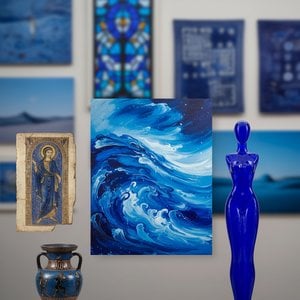
The Allure of Azure: Exploring the Symbolic & Aesthetic Depths of Blue in Art History
Explore the rich history of blue in art! Discover its symbolism, from ancient pigments to modern masterpieces by Kandinsky & Seurat. Uncover the psychological impact and cultural meanings behind this captivating hue.

Top 10 Capodopere ale Expresionismului Abstract: Artă, Artiști și Decorațiuni de Lux | ArtsDot.ro
Descoperă Top 10 capodopere ale Expresionismului Abstract! Explorează poveștile lui Pollock, Rothko și De Kooning. Reproduceri de artă de lux & inspirație decor pe ArtsDot.ro. Găsește pictura perfectă pentru spațiul tău!

