
- Acasă

- Imagine digitală
- Elioth Gruner
- Spring frost

 Comandă tipăritul Comandă reproducere pictată
 Trimite
 Distribuie
 Detalii despre lucrare
 Adaugă la favorite

 Descarcă
 Similare
 Radiografie
 Diaporama
Spring frost
 Acrylic On Canvas
- WallArt
- Impressionistic Landscape
 1919
1919 157.0 x 206.0 cm
 Galeria de Artă a Statelor Unite ale Australiei
 Vezi mai mult
Achiziționați o imagine digitală îmbunătățită și de înaltă rezoluție, mult superioară previzualizării online.
Fiecare fișier este pregătit cu meticulozitate de specialiștii noștri interni, utilizând instrumente avansate și retușare manuală expertă. Ne asigurăm că fiecare imagine beneficiază de o claritate excepțională, o acuratețe precisă a culorilor și detalii fine.
Fișierul final este livrat prin e-mail în termen de 72 de ore, optimizat pentru utilizare imediată în medii profesionale, editoriale și de imprimare. Aceasta este aceeași calitate în care au încredere studiouri de design, edituri și galerii de top.
Imagine Digitală
Descărcați un fișier la rezoluție înaltă pentru afișare personală, imprimare și proiecte creative.
Inclus în fiecare comandă de imagini digitale
Livrare digitală de expertiză, garantată
Când alegeți ArtsDot.com, nu primiți doar o simplă imagine – primiți o operă de artă digitală îmbunătățită profesional, creată cu precizie și susținută de o garanție de satisfacție. Iată tot ceea ce primești odată cu comanda ta, în mod automat:

Livrare rapidă prin e-mail
Fișierul imaginii digitale la rezoluție înaltă vă va fi trimis prin e-mail în termen de 72 de ore de la finalizarea comenzii – gata pentru utilizare imediată.

Fișier digital optimizat prin IA
Opera ta de artă este optimizată profesional prin intermediul unor instrumente AI avansate și al editării manuale, asigurând un nivel maxim de detalii, claritate și acuratețe a culorilor.

Retransmitere gratuită pe viață
Ai șters sau ai pierdut din greșeală fișierul? Nu îți face griji – ți-l vom retrimite oricând, gratuit.

Fără taxe de import – Întotdeauna
Bucură-te instant de opera ta de artă, fără taxe vamale, taxe de import sau costuri de livrare – descărcările digitale sunt întotdeauna fără taxe.

Garanția acurateței culorilor
Asigurăm că imaginea ta digitală reflectă culorile originale cât mai fidel posibil, utilizând instrumente profesionale și procese de gestionare a culorii.

Garanție de satisfacție de 60 de zile
Dacă nu sunteți mulțumit de imaginea digitală achiziționată, o vom revizui sau vă vom returna 100% în termen de 60 de zile – fără nicio explicație necesară.

Garanție de returnare 100% a banilor
Nu ești mulțumit? Obține o rambursare completă în termen de 60 de zile de la primirea fișierului tău digital – fără întrebări.

Reduceri pentru comenzi multiple
Cumpără 3 imagini, economisește 10% - Cumpără 5, economisește 15% - Cumpără 10+, economisește 20%. Ideal pentru proiecte creative, galerii și agenții.
Descrierea obiectului de colecție
A Dawn of Tranquility: Elioth Gruner’s “Spring Frost”
Elioth Gruner's "Spring Frost," painted in 1919, isn’t merely a depiction of a rural scene; it’s an immersion into the very essence of Australian light and landscape. This evocative work, now residing within the Art Gallery of New South Wales, captures a fleeting moment – the nascent warmth of early morning breaking over a pastoral vista—with a remarkable sensitivity to atmosphere and texture. Gruner, a pivotal figure in Australian Impressionism, masterfully translates the raw beauty of the Emu Plains countryside into a painting that resonates with both serenity and vibrant energy.
The scene unfolds before us: a small herd of dairy cows stands bathed in the soft glow of the rising sun, their forms rendered with a loose, expressive brushstroke. The foreground is dominated by a field of grass, its texture achieved through short, choppy strokes that seem to shimmer with reflected light. Beyond this immediate focus, the eye drifts into a hazy distance, where rolling hills and a muted sky create an expansive sense of space. Gruner’s choice of palette—a symphony of earthy browns, ochres, and subtle blues—evokes the cool tones of dawn while simultaneously injecting warmth through the golden highlights that dance across the cows' hides and the dew-kissed grasses.
The Influence of Light and Color
Gruner’s technique is deeply rooted in the Impressionist tradition, yet he possesses a distinctly Australian sensibility. He wasn’t simply aiming to replicate what he saw; instead, he sought to capture the *feeling* of that moment—the crispness of the air, the warmth on the skin, and the transformative power of light. His use of broken color, characteristic of Impressionism, creates a sense of movement and vibrancy within the painting. The colors aren’t blended smoothly; rather, they are applied in small, distinct strokes, allowing each hue to retain its individual identity and contribute to the overall luminosity of the scene.
Notably, Gruner was influenced by Max Meldrum's theories on color and light, a prominent figure in early 20th-century Australian art. Meldrum’s emphasis on “tone” – the fundamental quality of light—guided Gruner to prioritize capturing the subtle shifts in illumination across the landscape. This pursuit is evident in the painting’s masterful rendering of shadows and highlights, which create a dynamic interplay of form and atmosphere.
A Portrait of Rural Australia
"Spring Frost" isn't just a beautiful landscape; it’s also a poignant reflection on rural life in early 20th-century Australia. The presence of the cows—symbols of industry, sustenance, and connection to the land—underscores the importance of agriculture within the Australian identity. The solitary figure of the farmer, subtly integrated into the scene, suggests a quiet dignity and a deep understanding of his environment. This painting offers a glimpse into a world where life was intimately connected to the rhythms of nature.
Symbolism and Emotional Resonance
Beyond its representational qualities, “Spring Frost” is rich in symbolism. The title itself—"Spring Frost"—evokes a sense of delicate beauty and transient grace. The frost, barely perceptible yet undeniably present, hints at the fragility of life and the ephemeral nature of beauty. The painting’s overall mood is one of peaceful contemplation, inviting the viewer to slow down, appreciate the simple pleasures of rural existence, and connect with the natural world.
Reproductions of “Spring Frost” capture a significant portion of this original atmosphere. The artwork's enduring appeal lies in its ability to transport us to a bygone era—a time when life moved at a slower pace and the beauty of the Australian landscape was deeply revered. It remains a cornerstone of Australian art, embodying both the artistic innovation of its creator and the timeless allure of the bush.
Opere de artă similare


Biografie Artist
Elioth Gruner - Biographical Overview
Elioth Lauritz Leganyer Gruner (1882-1939) stands as one of Australia’s most revered landscape painters, a figure inextricably linked to the Heidelberg School movement and celebrated for his profound understanding of light and color. Born in Gisborne, New Zealand, on December 16, 1882, Gruner descended from Norwegian and Irish heritage—a lineage that instilled within him an unwavering connection to the land – a characteristic that would become central to his artistic vision. His father, Elliott Grüner, was a bailiff of Norwegian descent, while his mother, Mary Ann Brennan, carried Irish roots; these familial influences shaped his formative years and subtly guided his artistic trajectory. Early Life & Artistic Beginnings Gruner’s childhood in Sydney—a relocation orchestrated by his parents shortly after his birth—provided him with an environment ripe for artistic exploration. From a young age, he demonstrated a remarkable aptitude for drawing, nurtured by his mother who recognized the importance of formal instruction and secured lessons with Julian Ashton, a prominent Impressionist artist around the age of twelve. This early exposure to artistic principles would prove invaluable in shaping Gruner’s subsequent career. However, tragedy struck when both his father and older brother succumbed to illness within a relatively short span, placing immense responsibilities upon Gruner at just fourteen years old. He bravely accepted these burdens by securing employment—working tirelessly to support his family while simultaneously pursuing his passion for painting during his leisure hours. Notably, he began submitting works to exhibitions organized by the Society of Artists in Sydney around 1901 – a testament to his unwavering dedication and artistic perseverance. Developing an Impressionistic Vision Gruner’s artistic style is undeniably rooted in Impressionism, though it evolved over time and absorbed influences from diverse sources. He possessed an extraordinary ability to capture the ephemeral effects of light and atmosphere—a hallmark of the Heidelberg School—transforming ordinary landscapes into canvases imbued with serenity and poetic beauty. The encouragement he received from Norman Lindsay—a fellow artist who championed his confidence and refined his artistic vision—was instrumental in propelling him forward. This formative relationship fostered a shared appreciation for capturing the essence of Australian rural life, cementing Gruner’s stylistic identity. A Transformative European Journey Between 1923 and 1925, Gruner embarked on an extended sojourn to Europe—a pivotal experience that profoundly impacted his artistic sensibilities. This journey exposed him to new perspectives and techniques, prompting a deliberate simplification of his compositions and intensifying his focus on pattern and brushwork. Critiques from Sir William Orpen during this period served as invaluable guidance, challenging Gruner to hone his craft and explore innovative approaches. The resulting paintings reflected a newfound awareness of color theory and textural nuances—a departure from the more luminous Impressionistic style he had cultivated previously. Recognition & Major Achievements – The Wynne Prize Legacy Gruner’s talent garnered widespread acclaim, culminating in unparalleled success at the prestigious Wynne Prize for landscape painting—an honor bestowed upon him seven times consecutively. This remarkable accomplishment solidified his position as Australia's most prolific Wynne Prize winner alongside Hans Heysen and underscored the exceptional quality of his work. His victorious paintings included “Morning Light” (1916), depicting a tranquil rural scene bathed in golden light; “Spring Frost” (1919)—celebrated for its masterful portrayal of dawn’s ethereal glow—and “The Valley of the Tweed” (1921), commissioned by the Art Gallery of New South Wales and representing a monumental achievement in Australian landscape painting. Gruner's unwavering dedication to capturing the beauty of the Australian bush, combined with his technical prowess, ensured that he would be remembered as an enduring icon within the nation’s artistic heritage. His legacy continues to inspire artists today.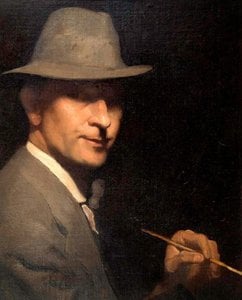
Elioth Gruner
1882 - 1939 , Noua Zeelandă
Detalii rapide
- Artistic Movement Or Style: Impressionism
- Artists Who Influenced This Artist:
- Julian Ashton
- Norman Lindsay
- Date Of Birth: December 16, 1882
- Date Of Death: October 17, 1939
- Full Name: Elioth Lauritz Leganyer Gruner
- Nationality: Australian
- Notable Artworks:
- Morning Light
- Spring Frost
- The Valley of the Tweed
- Place Of Birth (City And Country): Gisborne, New Zealand

