A Timeless Citadel: Unveiling the Majesty of Prague Castle
Perched dramatically atop a hill overlooking the vibrant city of Prague, Prague Castle isn’t merely a castle; it's a living chronicle of Czech history, a breathtaking fusion of architectural styles spanning centuries, and a testament to the enduring power of royal ambition. More than just a single structure, it represents an entire complex—a sprawling tapestry woven from Romanesque foundations, Gothic grandeur, Renaissance elegance, and Baroque flourishes – each layer whispering tales of kings, emperors, and presidents who have shaped the destiny of this captivating nation. Its imposing silhouette dominates the Prague skyline, beckoning visitors to step back in time and immerse themselves within its storied walls.
The castle’s origins trace back to the 9th century, when Prince Bořivoj established a fortified settlement on this strategic location. Over the ensuing millennium, successive rulers—Přemyslid kings, Holy Roman Emperors, and Bohemian monarchs—left their indelible mark, transforming the initial stronghold into a magnificent royal residence and administrative center. The Basilica of St. George, with its Romanesque roots and later Baroque additions, stands as a poignant reminder of this evolution, while the imposing St. Vitus Cathedral, begun in the 14th century and still undergoing restoration today, embodies the zenith of Gothic architecture in Central Europe. Within its soaring vaults and stained-glass windows reside the tombs of Bohemian kings and emperors—a solemn testament to their legacy.
- St. Vitus Cathedral: The heart of Prague Castle, this colossal Gothic cathedral is a masterpiece of architectural ambition. Its intricate stained glass windows cast kaleidoscopic patterns across the vast interior, while the Chapel of St. Wenceslas houses the crown jewels of Bohemia – symbols of royal power and national identity.
- The Old Royal Palace: Once the seat of Bohemian rulers, this palace offers a glimpse into the opulent lives of kings and queens. Explore its grand halls, admire the intricate frescoes, and imagine the lavish ceremonies that once unfolded within these walls.
- Golden Lane: A charming street lined with tiny, colorful houses—once home to goldsmiths, alchemists, and other artisans—the Golden Lane is a delightful contrast to the castle’s more imposing structures. Legend has it that Franz Kafka resided here for a time, adding another layer of intrigue to this historic lane.
- Lobkowicz Palace: This stunning palace showcases the wealth and influence of the Lobkowicz family, one of the oldest noble families in Bohemia. The collection includes Renaissance art, Baroque furniture, and a remarkable array of historical documents—offering a unique insight into Bohemian aristocratic life.
A Treasury of Art and History
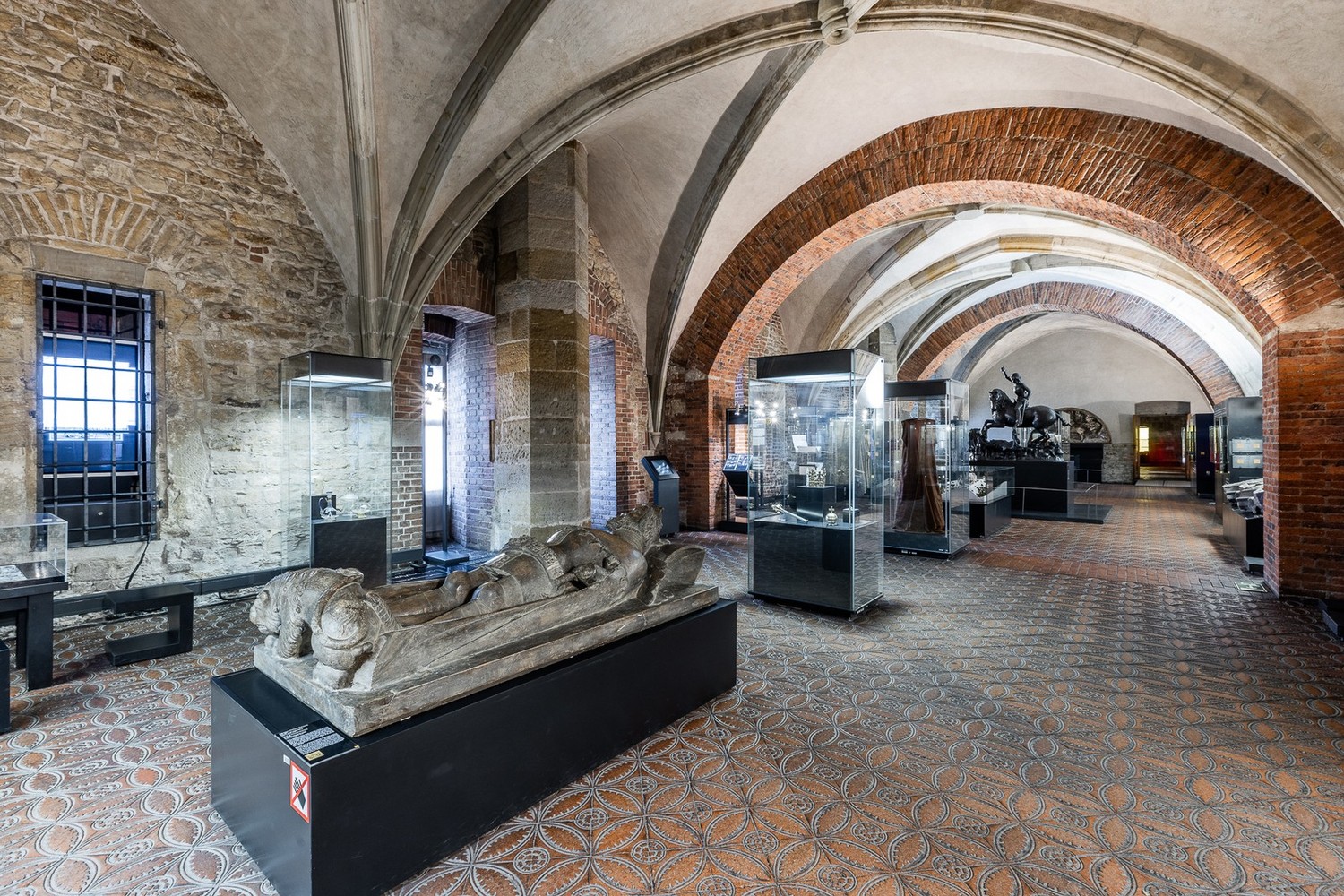
Prague Castle’s collections are remarkably diverse, encompassing everything from medieval armor and weaponry to exquisite religious icons and Renaissance paintings. The Royal Armoury houses an impressive array of ceremonial objects—swords, helmets, tapestries, and furniture—reflecting the wealth and power of the Bohemian monarchy. The Picture Gallery displays a remarkable collection of European art spanning several centuries, including works by Jan Bruegel the Elder, Pieter Bruegel the Younger, and Lucas Cranach the Elder. The Castle Museum itself offers a fascinating journey through the castle’s history, showcasing artifacts and documents that illuminate its evolution over time.
Beyond the permanent collections, Prague Castle regularly hosts temporary exhibitions exploring various themes—from Bohemian art and culture to international artistic trends. These exhibitions provide visitors with an opportunity to delve deeper into specific aspects of the castle's rich heritage and engage with contemporary perspectives on Czech history and identity. The Lobkowicz Collection, housed in the Lobkowicz Palace, is a particularly noteworthy highlight, offering a rare glimpse into the lives and legacies of one of Bohemia’s most prominent noble families.
Architectural Marvels & Historical Layers
What truly distinguishes Prague Castle is its remarkable architectural layering—a testament to centuries of construction, renovation, and adaptation. The castle's design reflects the evolving tastes and priorities of successive rulers, resulting in a unique blend of styles that creates a visually stunning and historically rich complex. From the Romanesque foundations of St. George’s Basilica to the soaring Gothic vaults of St. Vitus Cathedral and the Renaissance elegance of the Lobkowicz Palace, each building tells its own story.
The castle's strategic location—perched atop a hill overlooking the city—has also played a crucial role in its history. Throughout the centuries, Prague Castle has served as a fortress, a royal residence, an administrative center, and a symbol of Czech sovereignty. Its imposing presence has witnessed countless historical events—from coronations and royal weddings to battles and revolutions—making it a truly iconic landmark.
A Living Legacy: Visiting Prague Castle Today
Today, Prague Castle remains one of the most popular tourist destinations in Europe, attracting millions of visitors each year. The castle complex offers a wealth of activities for all ages and interests—guided tours, audio guides, art exhibitions, historical reenactments, and musical performances. A visit to Prague Castle is not merely a sightseeing excursion; it’s an immersive journey through Czech history, art, and culture.
Practical Information: The castle complex is open daily (with varying hours depending on the season). Tickets can be purchased online or at the castle gates. Allow ample time to explore the vast grounds—at least half a day is recommended for a thorough visit. Don't miss the opportunity to climb St. Vitus Cathedral’s tower for panoramic views of Prague!