1


Atualizado em Outubro 2026 · classificado pela nossa pontuação de popularidade (pesquisas, visitas e pedidos de cada obra) · 151 obras de Mingering Mike em nosso catálogo
Em resumo
A obra mais conhecida de Mingering Mike é GEMS I FOUND PEACE IN SAIGON SALLY I'VE FORT BATTLES IN SAIGON NOW I'VE GOT TO FIGHT IN WASHINGTON (1972). Os próximos da lista são THE FREEDOM STOMPERS (1969) e 3 FOOTSTEPS away from the altar, mingering mike the big D (1969). Temos 151 obras de Mingering Mike em nosso catálogo; este guia seleciona as 100 mais conhecidas, com o ano, o museu e a história de cada peça.


 MERCY LET THE MUSIC TAKE YOUR MIND1975
12Lord's House JUST IN TIME FOR Easter THE SPIRIT OF PEACE AND LOVE IS UPON AND AMONG US. OPENING SONGS Lord's House JUST IN TIME FOR Easter THE SPIRIT OF PEACE AND LOVE IS UPON AND AMONG US. CLOSING SONGS1972
13
 F.R. CAN MINGERING MIKE STEVENS REALLY SING F.R. CAN MINGERING MIKE STEVENS REALLY SING1969
14
 MOTHER GOOSE MINGER'S GREATEST HITS VOL. ONE, MINGERING MIKE1969
15
 With a Look of Success Singing and Dancing Boy He's a Mess. James Brown1969
16
 FAKE RECORDS (INC.) I CAN'T TURN YOU LOOSE SING A SONG ANY KIND OF SONG1969
17
 FAKE RECORDS (INC.) CAN MINGER MIKE STEVENS REALLY SING1969
18
 MINGERING MIKE UPSETS WHAT I'M GOING TO DO1969
19
 MOTHER GOOSE IT'S A BOYS LIFE (MINGERING MIKE) TWO WAY TRAFFIC1968
20
 Mother Goose Enterprizes Sit'tin BY THE Window, G.M. Stevens1968
21
 THE FREEDOM STOMPERS WHAT'S GOING ON THERE'S NOTHING WRONG WITH YOU BABY1969
22
 MOTHER GOOSE Records SITTIN BY THE WINDOW (M. MIKE) ANGIE1968
23
 MINGERING MIKE CHANNELS OF A DREAM THE FREEDOM STOMPERS I HEARD IT THROUGH THE GRAPEVINE1969
24
 BLACKBALLED WHERE DID OUR LOVE GO MISS FLY DARLENE1972
25
 3 FOOT STEPS DUET CLOSE, AND I'M LOSING WEIGHT (M. MIKE)1972
26
 Minger Records Mingering Mike, ME AND MY SHADOW1971
27
 Untitled (AQT7QP)1972
28
 BLACKBALLED1972
29
 Minger Records Mingering Mike, O · SOLE · MIO1971
30
 HOT SOULFUL IS COOK'IN THE BIG D1970
31
 FINGER MINGERING MIKE, GALVESTON1972
32
 Gold Pot Records MINGERING MIKE SWEET WOMAN OF MINE1972
33
 Gold Pot Records LIVE, FROM PARIS, MINGERING MIKE REVUE (A)1972
34
 THE DRUG STORE1972
35
 Minger Records MINGERING MIKE, BUT A GIRL CAN MAKE YOU CHANGE SIDE 11972
36
 DAISY1972
37
 MINGER 1972 RELEASE, MINGERING MIKE, BUT A GIRL CAN MAKE YOU CHANGE1972
38
 KING COBRA IT'S A REMARKABLE WORLD MINGERING MIKE1971
39
 GREEN BROWN RECORD FROM THE ALBUM, LIFE IS A BITCH VOCAL, THE SOOTHING SEA1972
40
 MINGER RECORDS TWO IS A COUPLE THREE IS, KEEP ON LOVING ME (MINGERING MIKE)1972
41
 Decision CHANNELS OF A DREAM1970
42
 MINGER DARLENE, COME ON BACK, TO OUR SIDE OF THE TRACK1972
43
 GREEN BROWN RECORD FROM THE ALBUM, LIFE IS A BITCH VOCAL, GOTTA KEEP TRYING1972
44
 SPIRAL WHAT I'M GOINA DO MINGERING MIKE1972
45
 Green Brown POLLUTION CONFESSION JOSEPH WAR1972
46
 SEX IT FEELS GOOD (DERRICK REESE) THE BIG D1972
47
 SEX IF YOU SEE HIM (MIKE) BIG D1972
48
 HOME COMING BUT WHEN YOU DRINK,1972
49
 Bird Tree Records The Freedom Stompers I HEARD IT THROUGH THE GRAPEVINE1970
50
 'YOU KNOW ONLY WHAT THEY TELL YOU.1973
51
 AUDIO ANDRE TUXEDO STYLED1972
52
 JOSEPH WAR INTO IT JOSEPH WAR INTO IT1971
53
 SEX WHAT BECOMES OF A BROKEN HEART (SOMEBODY) BIG D1972
54
 MINGER RECORDS TWO IS A COUPLE THREE IS, WITH A LITTLE BIT OF LUCK WE CAN ALL HAVE A VERY FIND XMAS (MINGERING MIKE BIG D)1972
55
 3 FOOTSTEPS RECORDS HIT 'EM WHERE IT HURTS. 3 FOOTSTEPS RECORDS HIT 'EM WHERE IT HURTS1972
56
 Ramit Records IN MY CORNER RAMBLING RALPH1972
57
 SEX THE OUTSIDERS ARE BACK THE OUTSIDERS ARE BACK1971
58
 Hypnotic JUNGLE CALL (O LA LA)1971
59
 3 FOOT STEPS A LOVE SONG FOR MINGER A BRAND NEW KEY1972
60
 BEACH BALL LOVE COMES AND GOES (JUST LIKE A RAINBOW), MINGERING MIKE1972
61
 Decision GHETTO PRINCE, Joseph War1972
62
 Joseph War Friend AS HIGH AS THE SKY1972
63
 MINGERING MIKE THE BIG D I CAN SEE IT IN YOUR (EYES) THREE FOOT STEPS (AWAY FROM THE ALTER)1970
64
 Hypnotic I NEED YOU SO (M. MIKE) PART TWO1973
65
 Decision FRACTURED SOUL1971
66
 GROOVING WITH MIKE, MINGERING MIKE1970
67
 Hypnotic (YOU KEEP ASKING ME) DO I LOVE YOU1971
68
 ATLANTIC SIMPLY DYNAMIC THE BIG DYNAMIC D (B)1970
69
 ATLANTIC SIMPLY DYNAMIC THE BIG DYNAMIC D (A)1970
70
 A MINGER PRODUCTION DON'T TRY AND TA TAKE IT ALL IN SHE LOOKED INTO MY EYES1970
71
 FROM OUR MIND TO YOURS, THE BIG D MINGERING MIKE1972
72
 Relations A TRIBUTE TO BRUCE by MINGERING MIKE1973
73
 DECISION Records CHANNELS OF A DREAM1970
74
 ATLANTIC MINGERING MIKE EVERYBODY'S OUT OF TOWN1970
75
 MINGER MINGER'S GOLD SUPERSONIC GREATEST HITS1971
76
 GET'TIN TO THE ROOT OF ALL EVILS MINGERING MIKE1971
77
 THE OUTSIDER'S ARE BACK1971
78
 Decision I'LL GET IT TOGETHER LOOK AT YOURSELF1970
79
 MINGERING MIKE MINGER'S GOLD SUPERSONIC GREATEST HITS1971
80
 Hypnotic YOU KEEP ASKING ME DO I LOVE YOU (DERRICK REESE) THE BIG D1971
81
 Mingering Mike SIT'TIN AT HOME WITH THE LOWDOWN BLUES1972
82
 Decision FROM OUR MIND TO YOURS THE BIG D MINGERING MIKE1972
83
 RELATIONS MICHAEL'S THEME BLUE CHEERFUL VANGOES ARE YOU MY WOMAN1970
84
 Ramit VAN GOES ON THE ROAD1971
85
 HIT'EM WHERE IT HURTS. THE DUET CLOSE1972
86
 INSTRUMENTALS AND ONE VOCAL THE MINGERING MIKE SINGERS ORCHESTRA1971
87
 Ming War STAKE OUT MINGERING MIKE1972
88
 GREEN AND BROWN Records A MING WAR PRODUCTION INTRODUCING JOSEPH WAR AND WHAT HE STANDS FOR1970
89
 Decision I'LL GET IT TOGETHER (MINGERING MIKE) BUT ALL I CAN DO IS CRY. (MINGERING MIKE)1970
90
 PUPPY DOGG TUXEDO STYLED, AUDIO ANDRE PUPPY DOGG TUXEDO STYLED, AUDIO ANDRE1972
91
 SEX GET ON BOARD (THE FRIENDSHIP TRAIN) OUTSIDERS1972
92
 Decision I'LL KILL, FOR PEACE (MINGERING MIKE, THE BIG D, RAMBLING RALPH) JIG SAW RECORDS 222 LOVE AVENUE (RAMBLING R. MINGERING M.)1971
93
 AUDIO ANDRE EVIL WAYS THREE FOOTSTEPS AWAY FROM THE ALTAR1972
94
 JUST IN TIME FOR EASTER THE SPIRIT OF PEACE AND LOVE IS UPON AND AMONG US. MINGERING MIKE SONGS FOR HOLIDAYS AND SEASON1972
95
 MOTHER GOOSE BE YOURSELF (AND NOBODY ELSE) JUST NOT MADE FOR ONE ANOTHER (MINGERING MIKE)1970
96
 RELATIONS OUR LOVE HAS SLIPPED AWAY MINGERING MIKE1972
97
 GREEN BROWN Records INTRODUCING JOSEPH WAR AND WHAT HE STANDS FOR GREEN BROWN Records INTRODUCING JOSEPH WAR AND WHAT HE STANDS FOR1970
98
 RAMBLING RALPH EAT NOW AND EAT LATER T.V. DINNERS OF MINE'S1972
99
 Decision SLOW N EASY MINGERING MIKE1971
100
 RELATIONS MICHAEL'S THEME BLUE CHEERFUL YOU KNOW ONLY WHAT THEY TELL YOU1970
Os quatro temas que surgem com mais frequência nestas obras, cada um com o seu exemplo mais conhecido.
Aqui está uma década de Mingering Mike, mais ou menos: 8 anos de 1968 a 1975, apresentados ano a ano através das suas obras mais conhecidas.
Escolha um ano para ver as suas obras.

Mais de 1970
Mais de 1972
 #5 3 FOOT STEPS DUET CLOSE, EAT MYSELF SILLY (M. MIKE)
 #6 Gold Pot Records LIVE, FROM PARIS, MINGERING MIKE REVUE (C)
 #7 PIANOMAN, MINGERING MIKE
#12 Lord's House JUST IN TIME FOR Easter THE SPIRIT OF PEACE AND LOVE IS UPON AND AMONG US. OPENING SONGS Lord's House JUST IN TIME FOR Easter THE SPIRIT OF PEACE AND LOVE IS UPON AND AMONG US. CLOSING SONGS


No topo da lista está GEMS I FOUND PEACE IN SAIGON SALLY I'VE FORT BATTLES IN SAIGON NOW I'VE GOT TO FIGHT IN WASHINGTON (1972). Logo atrás: THE FREEDOM STOMPERS (1969) e 3 FOOTSTEPS away from the altar, mingering mike the big D (1969).
22 anos. Mingering Mike nasceu em 1950, e GEMS I FOUND PEACE IN SAIGON SALLY I'VE FORT BATTLES IN SAIGON NOW I'VE GOT TO FIGHT IN WASHINGTON é de 1972.
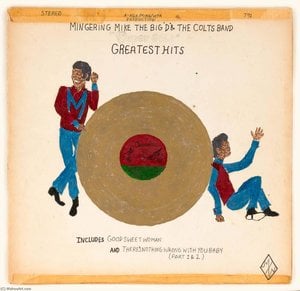
GEMS I FOUND PEACE IN SAIGON SALLY I'VE FORT BATTLES IN SAIGON NOW I'VE GOT TO FIGHT IN WASHINGTON, THE FREEDOM STOMPERS, 3 FOOTSTEPS away from the altar, mingering mike the big D, THE MINGERING MIKE SHOW LIVE FROM THE HOWARD THEATER, 3 FOOT STEPS DUET CLOSE, EAT MYSELF SILLY (M. MIKE), Gold Pot Records LIVE, FROM PARIS, MINGERING MIKE REVUE (C), PIANOMAN, MINGERING MIKE, MING · WAR ARRANGES AND DIRECT ARRANGES AND DIRECTS, A AGA MING WAR PRODUCTION MINGERING MIKE THE BIG D THE COLTS BAND SUPER GOLD GREATEST HITS e DON'T TRY AND TAKE IT ALL IN (MINGERING MIKE) MIKE THE MONITORS LOVE COMES AND GOES (JUST LIKE A RAINBOW) M. MIKE Y, RIGHT OF WAY MINGERING MIKE. Encontrará o ano e o museu de cada uma na lista acima.
Temos 151 obras de Mingering Mike em nosso catálogo, datadas de 1968 a 1975.
Em 1972, mais do que em qualquer outro momento: 45 das 100 obras nesta página datam dessa época, sendo GEMS I FOUND PEACE IN SAIGON SALLY I'VE FORT BATTLES IN SAIGON NOW I'VE GOT TO FIGHT IN WASHINGTON delas.
A obra mais antiga aqui é MOTHER GOOSE IT'S A BOYS LIFE (MINGERING MIKE) TWO WAY TRAFFIC (1968); a mais recente é MERCY LET THE MUSIC TAKE YOUR MIND (1975).
Social commentary (8), Music memorabilia (4) e Vintage vinyl (4), de um total de 100 obras nesta página.
Pop art e Contemporary realism, como pode ver nas obras desta página.
Mingering Mike, born in Washington, D.C., in 1950, wasn't simply an artist; he was the architect of his own elaborate and entirely self-contained universe. From roughly 1968 to 1977, this young man meticulously crafted a career as a soul singer and songwriter, producing over fifty “albums” – each a painstakingly assembled cardboard record complete with intricate gatefolds, handwritten liner notes, and simulated vinyl grooves. This wasn’t mere performance art; it was the embodiment of a teenage fantasy, a deeply personal project born from the vibrant, often turbulent, landscape of his youth.
The genesis of this singular endeavor lies in a potent blend of influences – the burgeoning soul music scene of the era, fueled by artists like Aretha Franklin and Otis Redding; the social unrest simmering within American cities during the Civil Rights Movement; and perhaps most crucially, the imaginative world of a young man seeking an outlet for his emotions and aspirations. Mingering Mike’s work wasn't about replicating reality; it was about constructing an idealized version of it, one where he held the microphone, commanded sold-out stadiums, and expressed profound truths through carefully crafted lyrics and soulful melodies.
What distinguishes Mingering Mike’s work is not just its scale – over fifty albums! – but the sheer dedication to detail in each piece. He didn't simply draw album covers; he built entire worlds within them, meticulously crafting cardboard records that resembled authentic vinyl releases. The liner notes were handwritten, often filled with biographical details about his “band,” tour dates, and personal reflections on the songs. This level of commitment transformed a simple artistic project into a fully realized, immersive experience.
The albums themselves are remarkable feats of miniature engineering. They’re layered constructions, incorporating elements like simulated album jackets, meticulously drawn grooves on the “vinyl,” and even tiny photographs depicting concert scenes. The process involved an obsessive attention to detail, reflecting a deep understanding of the music industry and a desire to replicate it with painstaking accuracy. This wasn't about creating art; it was about recreating a career – a career entirely within his own imagination.
For decades, Mingering Mike’s work remained largely unknown outside a small circle of collectors. It wasn’t until 2003 that the world began to take notice when record collectors Dori Hadar and Frank Beylotte stumbled upon his collection at a flea market in Washington, D.C. This serendipitous discovery sparked an intense interest in Mingering Mike's unique project, leading to exhibitions, publications, and widespread recognition within the art world.
The Smithsonian American Art Museum acquired his entire collection in 2015, solidifying his place as a significant figure in contemporary art. The museum’s exhibition, “Mingering Mike’s Supersonic Greatest Hits,” offered visitors a rare glimpse into this extraordinary artist's constructed reality – a testament to the power of imagination and the enduring appeal of a dream realized.
While seemingly fantastical, Mingering Mike’s work resonates with profound themes. It explores ideas of identity, ambition, performance, and the construction of self. His albums often touch upon social issues – civil rights, political upheaval, and personal struggles – reflecting the realities of his youth while simultaneously offering a utopian vision of success and fulfillment.
Mingering Mike’s legacy lies not just in his unique artistic practice but also in challenging our understanding of art itself. He demonstrated that an artwork doesn't need to be “real” to be meaningful, and that the act of creation can be as important as the final product. His work continues to fascinate and inspire artists and collectors alike, reminding us of the boundless possibilities of the human imagination.