Retrato de Robert Field

As Pinturas Mais Famosas de Robert Field: Todas as 12, Classificadas

Atualizado em Novembro 2026 · classificado pela nossa pontuação de popularidade (pesquisas, visitas e pedidos de cada obra) · 16 obras de Robert Field em nosso catálogo

Em resumo

A pintura de Robert Field que a maioria das pessoas conhece é Thomas Williams, of Annapolis (1800), e você pode vê-la no Smithsonian American Art Museum, em Washington, D.C.. Logo em seguida vêm Samuel Love, Jr. (1800) e William Thornton (1800). Dos 16 trabalhos de Robert Field em nosso catálogo, estas 12 são as obras mais conhecidas. Cada uma vem acompanhada do seu ano, do seu museu e de uma breve nota sobre o que a torna especial.

1769 – 1819, London Mais obras: Metropolitan Museum of Art

As 10 principais de Robert Field: as obras que todos conhecem

1
Thomas Williams, of Annapolis (1800) de Robert Field

Thomas Williams, of Annapolis

1800 · Watercolor · Smithsonian American Art Museum, Washington, D.C.

The face of Thomas Williams emerges from a pale, luminous ground, captured in the delicate medium of watercolor on ivory. He is a man in his thirties, caught in a moment of quiet composure. A dark, charcoal-colored coat anchors the composition, contrasting sharply against the crisp white of his cravat and the soft, powdered texture of his hair. To the upper left, a wash of reddish-pink drapery hangs like a…

Reprodução em óleo pintada à mão de $183 28 × 36 cm
Torne-a sua Conheça agora
2
Samuel Love, Jr. (1800) de Robert Field

Samuel Love, Jr.

1800 · Watercolor · Smithsonian American Art Museum, Washington, D.C.

This portrait miniature, executed in 1800, presents a bust-length view of Samuel Love, Jr. within an oval frame. The subject is a man with dark hair and brown eyes, rendered with a composed, neutral expression. He is positioned in a direct, eye-level perspective, looking toward the viewer. His attire consists of a deep navy blue outer coat, a pale buttery yellow waistcoat, and a crisp white cravat. The lighting originates…

Reprodução em óleo pintada à mão de $183 27 × 37 cm
Torne-a sua Conheça agora
3
William Thornton (1800) de Robert Field

William Thornton

1800 · Watercolor · Smithsonian American Art Museum, Washington, D.C.

The subject gazes out from an oval frame, his presence immediate and steady. He sits in a moment of quiet composure, his body turned slightly while his eyes meet the viewer with a sense of dignified stillness. A soft light brushes across the left side of his face, carving out the gentle contours of his cheek and the bridge of his nose, while the right side recedes into a soft,…

Reprodução em óleo pintada à mão de $183 29 × 35 cm
Peça uma pintura feita à mão Leia sua história
4
Charles Goldsborough (1802) de Robert Field

Charles Goldsborough

1802 · Watercolor · Metropolitan Museum of Art, Nova York

The gaze of Charles Goldsborough meets the viewer from a moment frozen in 1802. This portrait captures the Maryland statesman in a quiet, dignified presence. He appears as a man of significant standing, his features rendered with a precision that suggests a life of public duty and private resolve. The likeness holds a certain stillness, as if he has just paused in his thoughts to acknowledge an observer.

Reprodução em óleo pintada à mão de $183 29 × 34 cm
Peça uma pintura feita à mão Leia sua história
5
Sarah Louisa Jenkins (1804) de Robert Field

Sarah Louisa Jenkins

1804 · Watercolor · Metropolitan Museum of Art, Nova York

This miniature portrait, executed in 1804, depicts Sarah Louisa Jenkins, the daughter of the Baltimore merchant Michael Jenkins. The work is a small-scale composition, measuring 8 x 7 cm, presented within an oval frame that characterizes the miniature style of the era. The sitter is shown seated against a dark, indistinct background, which serves to emphasize her presence. Her features and the delicate lace edging of her shawl are rendered…

Reprodução em óleo pintada à mão de $183 29 × 35 cm
Peça uma pintura feita à mão Leia sua história
6
Portrait of a Lady (1800) de Robert Field

Portrait of a Lady

1800 · Watercolor · Metropolitan Museum of Art, Nova York

This miniature portrait, dating from 1800, presents a lady in a three-quarter view, focusing on her head and shoulders within an oval frame. The subject is captured with a direct gaze toward the viewer, conveying a sense of confidence and composure. She is dressed in a white gown featuring flowing sleeves and a decorative headdress, attire that suggests a high social status. The composition is tightly framed, set against an…

Reprodução em óleo pintada à mão de $183 26 × 38 cm
Encomende esta obra Saiba mais sobre esta obra
7
Robert Stuart (1804) de Robert Field

Robert Stuart

1804 · Watercolor · Metropolitan Museum of Art, Nova York

This miniature portrait, executed in 1804, depicts Robert Stuart, a resident of Baltimore. The composition is a tight study of the subject's head and shoulders, presented within an oval-shaped metal frame. A small loop at the top of the frame indicates the piece was designed to be worn as jewelry or kept within a locket. The subject faces the viewer directly in a frontal perspective. He is dressed in a…

Reprodução em óleo pintada à mão de $183 26 × 38 cm
Peça uma pintura feita à mão Leia sua história
8
Charles Inglis (1810) de Robert Field

Charles Inglis

1810 · Oil On Canvas · National Portrait Gallery, Londres

In this 1810 oil portrait, we encounter Charles Inglis, a man whose presence commands a quiet, scholarly respect. He is presented in a three-quarter length view, seated with a composed posture that suggests both authority and introspection. The composition draws the eye immediately to the stark contrast between his dark, heavy clerical gown and the luminous white of his powdered wig and lace cuffs. There is a deliberate weight to…

Reprodução em óleo pintada à mão de $183 29 × 35 cm Mesmo tamanho da original $464 89 × 109 cm Encomendar no tamanho original →
Torne-a sua Conheça agora
9
George Washington (1800) de Robert Field

George Washington

1800 · Oil · Metropolitan Museum of Art, Nova York

Robert Field produced this portrait of George Washington in 1800. The work emerged from a commission by Martha Washington, who requested two distinct groups of miniatures in late 1800. These sets were intended as mementoes for family and friends to commemorate the first president of the United States.

Reprodução em óleo pintada à mão de $183 28 × 36 cm
Torne-a sua Conheça agora
10
Sharp Delany (1799) de Robert Field

Sharp Delany

1799 · Watercolor · Metropolitan Museum of Art, Nova York

A man gazes outward from a quiet, oval window. He is captured in profile, his silhouette cutting a steady line against a pale, neutral void. The light catches the edge of a high collar and the dark fabric of a coat, grounding him in the gravity of the late 18th century. There is a stillness here, the kind found in a room where the air has settled. He does not…

Reprodução em óleo pintada à mão de $183 28 × 36 cm
Torne-a sua Conheça agora

Continue explorando Robert Field: 11 a 12

Pinturas de Robert Field, período por período

O que Robert Field mais pintou

Os quatro temas que surgem com mais frequência nestas obras, cada um com o seu exemplo mais conhecido.

Onde você pode ver as pinturas de Robert Field

Os 4 museus que detêm a maioria das pinturas desta página.

Museus Cidade Obras de Robert Field Pinturas desta lista
Metropolitan Museum of Art, Nova YorkMetropolitan Museum of Art Nova York 6 Charles Goldsborough, Sarah Louisa Jenkins, Portrait of a Lady
Smithsonian American Art Museum, Washington, D.C.Smithsonian American Art Museum Washington, D.C. 3 Thomas Williams, of Annapolis, Samuel Love, Jr., William Thornton
National Portrait Gallery, LondresNational Portrait Gallery Londres 1 Charles Inglis
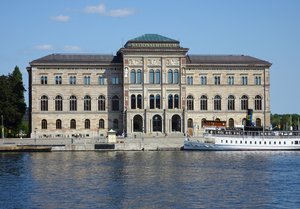
Nationalmuseum, EstocolmoNationalmuseum Estocolmo 1 Robert Gilmor Sr.

Uma obra famosa de Robert Field para cada década

Obras por década

Escolha uma década para ver a sua obra de destaque.

Pinturas de Robert Field: o que as pessoas querem saber

Por qual pintura Robert Field é mais conhecido(a)?Ver a resposta

No topo da lista está Thomas Williams, of Annapolis (1800), Smithsonian American Art Museum, Washington, D.C.. Logo atrás: Samuel Love, Jr. (1800) e William Thornton (1800).

Qual era a idade de Robert Field na época de Thomas Williams, of Annapolis?Ver a resposta

31 anos. Robert Field nasceu em 1769, e Thomas Williams, of Annapolis é de 1800.

Quais são as 10 pinturas mais famosas de Robert Field?Ver a resposta

Thomas Williams, of Annapolis, Samuel Love, Jr., William Thornton, Charles Goldsborough, Sarah Louisa Jenkins, Portrait of a Lady, Robert Stuart, Charles Inglis, George Washington e Sharp Delany. Encontrará o ano e o museu de cada uma na lista acima.

Quantas obras de Robert Field existem?Ver a resposta

Temos 16 obras de Robert Field em nosso catálogo, datadas de 1799 a 1810.

Quais museus possuem as pinturas mais conhecidas de Robert Field?Ver a resposta

Encontrará a maioria deles em Metropolitan Museum of Art (Nova York), Smithsonian American Art Museum (Washington, D.C.) e National Portrait Gallery (Londres). A lista de museus acima apresenta o detalhamento completo.

Quando foram pintadas as obras mais famosas de Robert Field?Ver a resposta

Em 1800s, mais do que em qualquer outro momento: 10 das 12 obras nesta página datam dessa época, sendo Thomas Williams, of Annapolis delas.

Quais são as pinturas famosas mais antigas e mais recentes de Robert Field?Ver a resposta

A obra mais antiga aqui é Sharp Delany (1799); a mais recente é Charles Inglis (1810).

O que Robert Field mais pintou?Ver a resposta

Man (10), Portrait (5) e Oval frame (3), de um total de 12 obras nesta página.

Com o que Robert Field costumava pintar?Ver a resposta

Watercolor, utilizado em 10 das 12 obras nesta página.

O que você pode ver de Robert Field no Metropolitan Museum of Art?Ver a resposta

Pode ver 6 das obras nesta página no Metropolitan Museum of Art, Nova York, incluindo Charles Goldsborough, Sarah Louisa Jenkins e Portrait of a Lady.

Posso encomendar uma reprodução de Robert Field para a minha casa?Ver a resposta

Sim. Todas as pinturas nesta página estão disponíveis como uma reprodução a óleo pintada à mão ou uma impressão, no tamanho que melhor lhe convier. Basta abrir a página da pintura para fazer o seu pedido.

Conheça Robert Field

Robert Field: A Miniature Master of the Early American Century

Robert Field (1769-1819) stands as a pivotal, yet often overlooked, figure in the history of early American art. More than just a portraitist, he was a meticulous craftsman and keen observer of his time, capturing the essence of 19th-century society with an understated elegance that belies the profound impact of his work. Born in Gloucestershire, England, Field’s journey to North America and subsequent career as a miniaturist in both the United States and Nova Scotia reveals a fascinating blend of European artistic training and distinctly American sensibilities.

Field's early life remains somewhat shrouded in mystery, though it is known he received his initial artistic education at the Royal Academy schools in London. This foundation provided him with the technical skills – particularly in drawing and composition – that would later inform his miniature portraits. His relocation to Philadelphia in 1794 marked a significant turning point. The burgeoning city offered a vibrant cultural landscape, fueled by the ideals of the new republic and a growing demand for portraiture. It was here that Field began to establish himself as a respected artist, quickly gaining commissions from prominent figures – merchants, politicians, and members of the elite social circles that defined Philadelphia’s life.

Field's style during his American period is characterized by a remarkable restraint and psychological depth. Unlike the more flamboyant portraiture favored by some contemporaries, Field’s miniatures were meticulously detailed, focusing on capturing subtle expressions and conveying an air of quiet dignity. He was particularly adept at portraying the inner lives of his subjects – their personalities revealed through fleeting glances, carefully rendered hands, and the nuances of their attire. His portraits of George and Martha Washington, commissioned in 1800, are considered masterpieces of the genre, exemplifying his ability to imbue even the most iconic figures with a sense of humanity. These works demonstrate not only technical skill but also an understanding of historical context and the evolving role of the presidency.

In 1808, seeking a respite from the political turmoil and burgeoning commercialism of Philadelphia, Field relocated to Halifax, Nova Scotia. This move coincided with heightened tensions between Britain and its American colonies, and Field’s loyalist sympathies led him to embrace the British cause. He served in the 1st Company of Halifax Volunteer Artillery during the War of 1812, a testament to his commitment to the Crown. His time in Nova Scotia proved to be both productive and challenging, marked by a shift towards a more refined and introspective style. While he continued to paint portraits, his work became increasingly focused on capturing the beauty of the natural landscape – the rugged coastline, the vast forests, and the serene waters of the Atlantic.

Despite his success in both America and Nova Scotia, Field’s career was tragically cut short by yellow fever in 1819. His untimely death left behind a legacy of approximately 150 miniature portraits, many of which are now housed in prestigious collections such as the Yale University Art Gallery and the Smithsonian American Art Museum. Robert Field's miniatures offer a unique window into the social, political, and cultural landscape of early America – a testament to his artistic skill, keen observation, and enduring contribution to the nation’s artistic heritage. His work continues to be studied and admired for its technical brilliance, psychological insight, and quiet elegance.

Key Works & Influences

  • George Washington Miniature Portraits (1800): Arguably his most celebrated works, these portraits capture the dignity and gravitas of the first president. The meticulous detail and subtle expressions are hallmarks of Field’s style.
  • Portraits of Thomas Jefferson & Martha Washington: Demonstrating his ability to portray prominent figures from diverse social strata.
  • Landscapes of Nova Scotia (1808-1819): Reflecting a shift in focus towards the natural world, showcasing Field’s evolving artistic sensibilities and mastery of watercolor techniques.

Technique & Style

Field's miniature portraits are distinguished by several key characteristics. He primarily employed watercolor on ivory or vellum, meticulously layering thin washes to achieve remarkable detail and luminosity. His compositions were typically small – often no larger than 3 inches square – demanding a high degree of precision and control. He favored a restrained palette, utilizing muted tones and subtle gradations of color to create a sense of depth and atmosphere. Crucially, Field’s portraits weren't merely likenesses; they aimed to capture the *essence* of his subjects, revealing their personalities through carefully observed details – the angle of an eyebrow, the set of a mouth, the texture of clothing.

Historical Significance

Robert Field played a significant role in establishing miniature portraiture as a respected art form in America. His work helped to legitimize the genre and demonstrate its potential for capturing not only physical likenesses but also psychological character. Furthermore, his portraits provide invaluable insights into the social and political dynamics of early 19th-century America – offering glimpses into the lives of prominent figures and reflecting the values and aspirations of a nation in transition. His legacy endures as a reminder of the quiet brilliance of an artist who profoundly shaped the visual culture of his time.