Retrato de John Korner

Conheça as 10 pinturas mais famosas de John Korner

Atualizado em Novembro 2026 · classificado pela nossa pontuação de popularidade (pesquisas, visitas e pedidos de cada obra) · 13 obras de John Korner em nosso catálogo

Em resumo

Se você conhece uma pintura de John Korner, provavelmente é Emerging 2 (1958). Coast Trellice (1958) e Coast Glitter 2 (1958) completam as três obras que as pessoas reconhecem de imediato. Nosso catálogo possui 13 obras de John Korner. Abaixo estão as 10 mais conhecidas, cada uma com seu ano, onde encontrá-la e o que a torna especial.

nascido em 1967, Aarhus Mais obras: Statens Museum For Kunst

Comece aqui: as 10 principais pinturas de John Korner

Onde você pode ver as pinturas de John Korner

O museu que detém a maioria das pinturas desta página.

Museus Cidade Obras de John Korner Pinturas desta lista
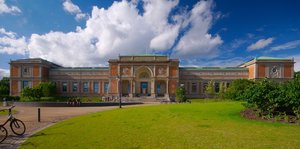
Statens Museum For Kunst, CopenhagueStatens Museum For Kunst Copenhague 3 Untitled. Tramp/Crocodile, Anders, Jesper

John Korner ano a ano: as obras de destaque

As obras datadas nesta página abrangem apenas 5 anos do trabalho de John Korner, de 2004 a 2008. Acompanhe-as ano a ano.

Obras por ano

Escolha um ano para ver as suas obras.

Suas perguntas sobre as pinturas de John Korner

Qual pintura de John Korner é a mais famosa?Ver a resposta

No topo da lista está Emerging 2 (1958). Logo atrás: Coast Trellice (1958) e Coast Glitter 2 (1958).

Quais são as 10 pinturas mais conhecidas de John Korner?Ver a resposta

Emerging 2, Coast Trellice, Coast Glitter 2, Pacific Gateway, Flowers by a Blue River, Compass Rose 1, White Painting, Untitled. Tramp/Crocodile, Anders e Jesper. Encontrará o ano e o museu de cada uma na lista acima.

Quantas pinturas John Korner criou?Ver a resposta

Temos 13 obras de John Korner em nosso catálogo, datadas de 2004 a 2008.

Onde pode ver as pinturas famosas de John Korner?Ver a resposta

Encontrará a maioria deles em Statens Museum For Kunst (Copenhague). A lista de museus acima apresenta o detalhamento completo.

Quando é que John Korner pintou as suas obras mais conhecidas?Ver a resposta

Em 2008, mais do que em qualquer outro momento: 2 das 10 obras nesta página datam dessa época, sendo Anders delas.

Quais pinturas famosas de John Korner foram as primeiras e as últimas?Ver a resposta

A obra mais antiga aqui é Untitled. Tramp/Crocodile (2004); a mais recente é Anders (2008).

Quais obras de John Korner você pode ver no Statens Museum For Kunst?Ver a resposta

Pode ver 3 das obras nesta página no Statens Museum For Kunst, Copenhague, incluindo Untitled. Tramp/Crocodile, Anders e Jesper.

Conhecendo John Korner

John Korner: A Quiet Revolution in Watercolor

John Michael Anthony Koerner (September 29, 1913 – February 23, 2014) wasn’t a household name—not in the conventional sense of musical stardom or cinematic acclaim. Yet, his contribution to Danish art history is undeniable: John Korner carved out a distinctive path as a watercolorist whose ethereal landscapes and subtly expressive portraits captured the essence of the Nordic spirit. Born in Aarhus, Denmark, Koerner’s artistic journey began with formal training at the Royal Danish Academy of Fine Arts between 1992 and 1998, where he honed his craft and garnered recognition for his unique vision. He was awarded an Eckersberg Medal in 2012—a prestigious honor bestowed upon Denmark's most promising young artist—solidifying his place among the nation’s artistic elite.
  • Early Life & Influences:
  • Koerner’s formative years were marked by a profound connection to nature. Growing up in Aarhus instilled within him an appreciation for the serene beauty of Denmark's coastal regions and forests—influences that would permeate his artistic output. While biographical details remain somewhat sparse, anecdotal evidence suggests exposure to Impressionist painters like Claude Monet and Camille Pissarro played a crucial role in shaping his aesthetic sensibilities. These artists championed capturing fleeting moments of light and color, mirroring Koerner’s own approach to watercolor.

Watercolor Technique & Artistic Style

Koerner's distinctive style revolved around mastering the delicate medium of watercolor—a technique he embraced with unwavering dedication. Unlike bolder mediums like oil paint, watercolor relies on translucency and layering, allowing for subtle gradations of color and an unparalleled ability to convey atmosphere. He favored a muted palette dominated by blues, greens, and browns—colors that perfectly complemented his subjects—often depicting landscapes bathed in misty mornings or portraits imbued with quiet contemplation. His signature method involved applying thin washes of pigment onto damp paper, building up layers gradually to achieve depth and luminosity. This painstaking process demanded patience and precision, resulting in paintings characterized by a remarkable sense of serenity and understated beauty.
  • Notable Works:
  • “Flowers by a Blue River”, completed in 2004, exemplifies Koerner’s artistic vision. This evocative watercolor captures the tranquil essence of a riverside meadow—a scene rendered with meticulous detail and infused with luminous hues. The artist's masterful use of impasto technique adds textural richness to the composition, creating a dynamic interplay between light and shadow.
  • “Compass Rose 1”
  • : This piece showcases Koerner’s ability to distill complex emotions into simple forms—a testament to his artistic prowess.

Recognition & Legacy

Beyond the Eckersberg Medal, Koerner's work gained international acclaim through exhibitions in Berlin and Helsinki, demonstrating the breadth of his influence within the contemporary art world. His participation in Art Basel solidified his reputation as a respected figure among collectors and critics alike. Furthermore, collaborations with institutions like John Muir House and The Museum of Methodism underscore his commitment to artistic engagement with broader cultural contexts.

Concluding Thoughts

John Korner’s legacy extends beyond the canvases he created—it resides in the enduring beauty of his paintings and the quiet contemplation they inspire. He wasn't driven by grand ambitions or flamboyant gestures; rather, he pursued excellence through unwavering dedication to his craft—a path that ultimately yielded a body of work profoundly rooted in observation, sensitivity, and an unwavering belief in the transformative power of watercolor. His art continues to resonate with viewers who appreciate understated elegance and the profound connection between artist and landscape.