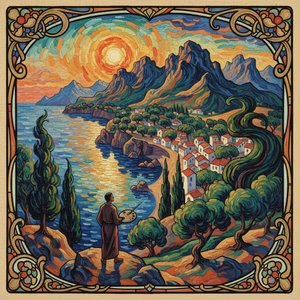
Uma Vida Forjada em Pedra e Fé: O Mundo de Antoni Gaudí
Antoni Gaudí i Cornet, nascido em 25 de junho de 1852, na cidade catalã de Reus, Espanha, não era meramente um arquiteto; era um visionário que esculpia sonhos para torná-los realidade. Sua história de vida é tão cativante e não convencional quanto os edifícios que ostentam sua marca indelével. Crescer entre as colinas ondulantes e as paisagens rústicas da Catalunha moldou profundamente a sensibilidade artística de Gaudí. Mesmo quando criança, ele demonstrava uma aguçada habilidade de observação, estudando meticulosamente as formas e texturas da natureza – uma influência que se tornaria o alicerce de sua linguagem arquitetônica única. A vida familiar foi marcada tanto pelo conforto quanto pela restrição; seu pai, um artesão do cobre, instilou nele o respeito pelo ofício, enquanto o catolicismo devoto de sua mãe fomentou uma profunda conexão espiritual que permeou sua obra posterior. Essas experiências precoces lançaram as bases para uma carreira dedicada a harmonizar arte, natureza e fé. Sua educação formal começou na escola Piarista em Reus, seguida por estudos na Universidade de Barcelona antes de ingressar na Escola Provincial de Arquitetura, onde se graduou em 1878. Mesmo durante seus anos acadêmicos, o talento de Gaudí era evidente, embora talvez não reconhecido de forma convencional; seus professores reconheciam sua habilidade, mas muitas vezes lutavam para reconciliá-la com as normas estabelecidas. Ele complementou sua formação trabalhando como desenhista para o arquiteto Josep Fontserè i Mestres, contribuindo para projetos como o Parque da Ciutadella em Barcelona – um vislumbre precoce das paisagens urbanas que ele logo transformaria.
O Florescer de uma Visão Única
Os primeiros encargos de Gaudí exibiam um estilo em desenvolvimento que misturava habilidosamente influências históricas — Neogótico, Orientalismo — mas foi sua capacidade inata de transcender a imitação e forjar algo inteiramente novo que o diferenciou. A Casa Vicens (1883-1888) permanece como um testemunho precoce dessa originalidade emergente, com seus elementos mouriscos e do Revivalismo Gótico entrelaçados com uma paleta vibrante e detalhes intrincados. No entanto, foi a empreitada da basílica da Sagrada Família, em 1883, que verdadeiramente definiu a obra de sua vida. O que começou como um projeto neogótico relativamente convencional evoluiu rapidamente sob a direção de Gaudí para uma obra-prima audaciosa e orgânica — um testemunho de sua visão inabalável e técnicas estruturais inovadoras. Ele vislumbrou não apenas um edifício, mas uma “bíblia de pedra”, com cada elemento imbuído de simbolismo religioso. Simultaneamente, Gaudí criava maravilhas residenciais como a Casa Batlló e a Casa Milà (La Pedrera), concluídas entre 1904 e 1910. Essas estruturas desafiaram as convenções arquitetônicas com suas fachadas ondulantes, formas esqueléticas e rejeição da simetria rígida. Não eram meramente edifícios, mas organismos vivos, respirando com uma energia única. O Parc Güell, iniciado em 1900, exemplificou ainda mais seu domínio na integração da arquitetura com a paisagem natural, utilizando mosaicos coloridos — sua técnica assinatura, o trencadís — para criar espaços harmoniosos que pareciam ao mesmo tempo lúdicos e profundamente espirituais. Mesmo obras anteriores, como o Palau Güell (1886-188embro), demonstraram sua experimentação com arcos parabólicos e o uso inovador de materiais, prenunciando as rupturas estruturais que viriam.
Natureza, Fé e Inovação: Os Pilares do Gênio de Gaudí
No coração da filosofia arquitetônica de Gaudí residia uma reverência inabalável pela natureza. Ele acreditava que as formas naturais detinham a chave para o design perfeito, estudando meticulosamente tudo, desde conchas marinhas e árvores até esqueletos de animais. Esse biomimetismo não era meramente estético; informava também suas inovações estruturais. Suas estruturas equilibradas — dependentes de colunas inclinadas e abóbadas de cerâmica leves — eram uma resposta direta à observação de como os elementos naturais distribuem o peso de forma eficiente, eliminando a necessidade de contrafortes tradicionais. Além da natureza, a profunda fé católica de Gaudí era uma influência igualmente potente, particularmente evidente na Sagrada Família, onde o simbolismo religioso é tecido em cada faceta do projeto. A basílica não era simplesmente um lugar de culto; pretendia ser uma manifestação física das crenças cristãs. Ele também foi pioneiro na técnica do trencadís — uma forma de arte de mosaico que utiliza pedaços de cerâmica quebrados — criando superfícies vibrantes e texturizadas que adicionavam outra camada de beleza orgânica às suas criações. Sua exposição precoce às influências Neogóticas e Orientais forneceu uma base, mas ele não apenas replicou esses estilos; ele os absorveu, transformou e, finalmente, os transcendeu para criar algo unicamente seu.
Um Legado Duradouro: O Impacto de Gaudí no Mundo
Antoni Gaudí é, com razão, considerado o maior expoente do Modernismo Catalão (Art Nouveau), um movimento que buscou forjar uma identidade cultural distinta para a Catalunha através da arte e da arquitetura. Seu trabalho não consistia apenas em construir estruturas; tratava-se de criar uma experiência, evocar emoção e celebrar o espírito de sua terra natal. Hoje, sete das obras-primas de Gaudí — a Sagrada Família, o Park Güell, a Casa Batllá, a Casa Milà, o Palau Güell, a Casa Vicens e a Cripta na Colonia Güell — são designadas Patrimônios Mundiais da UNESCO, um testemunho de seu valor universal excepcional. Sua influência na arquitetura estende-se muito além da Espanha; arquitetos e designers de todo o mundo continuam a buscar inspiração em suas formas inovadoras, técnicas estruturais e abordagem holística do design. Tragicamente, a vida de Gaudí foi interrompida precocemente em 10 de junho de 1926, quando foi atingido por um bonde em Barcelona. Ironicamente, sua aparência modesta levou muitos a acreditar que ele era apenas um mendigo, atrasando o atendimento médico até que fosse tarde demais. Apesar de sua morte, a construção da Sagrada Família continuou baseada em seus planos e modelos meticulosamente detalhados, e está agora prevista para ser concluída em 2026 — o centenário de seu falecimento. Além disso, a Igreja Católica iniciou um processo para a canonização de Gaudí em 2003, reconhecendo tanto sua fé devota quanto suas extraordinárias contribuições artísticas – uma homenagem digna ao homem que dedicou sua vida a construir monumentos que tocavam os céus.
Além de Tijolos e Argamassa: O Espírito Eterno de Gaudí
- Identidade Catalã: O trabalho de Gaudí tornou-se sinônimo da cultura catalã, incorporando um espírito de independência e inovação artística.
- Revolução Arquitetônica: Ele desafiou as normas arquitetônicas convencionais, sendo pioneiro em novas técnicas estruturais e abraçando formas orgânicas.
- Ressonância Espiritual: Sua fé profunda infundiu suas criações com simbolismo religioso e um senso do sagrado.
- Inspiração Duradoura: Gaudí continua a inspirar arquitetos, artistas e designers ao redor do mundo, deixando um legado duradouro na paisagem da arte e arquitetura modernas.
Antoni Gaudí foi mais do que apenas um arquiteto; ele era um poeta em pedra, um visionário que transformou Barcelona em uma obra de arte viva. Seus edifícios não são meramente estruturas, mas testemunhos do poder da imaginação, da fé e da beleza eterna do mundo natural.
Perguntas e Respostas
Onde as obras de Antoni Gaudí estão agrupadas por palavras-chave?
Para encontrar obras de Antoni Gaudí sobre um tema específico, utilize a página de Por Palavras-chave do artista, que agrupa as obras por palavra-chave.
Em qual período histórico Antoni Gaudí trabalhou?
Antoni Gaudí trabalhou no período Século XIX. O período situa a atividade do artista na história.
Onde estão as obras de Antoni Gaudí mapeadas por tema?
O Atlas de Temas de Antoni Gaudí é uma página que mapeia as obras do artista por seus temas.
Posso ordenar as obras de Antoni Gaudí por cor?
A página Índice Espectral organiza as obras de Antoni Gaudí por cor.
Quantas obras de Antoni Gaudí estão disponíveis para visualização?
Você pode explorar 19 obras de arte obras de Antoni Gaudí na página Todas as Obras de Arte.
Qual é o local e o ano de nascimento de Antoni Gaudí?
Antoni Gaudí nasceu em Reus, em 1852.
What other names is Antoni Gaudí known by?
Antoni Gaudí is also known as Gaudi.
De onde é Antoni Gaudí?
Antoni Gaudí nasceu em Espanha.