

Echoes of Heritage: Continuity & Innovation in Traditional Art Forms

Índice
Defining Cultural Heritage: Tangible & Intangible Legacies
 Wikipedia: Cultural heritage
Cultural heritage is the tangible and intangible legacy of a group or society that is inherited from past generations. Not all legacies of past generations are "heritage"; rather, heritage is a product of selection by society. Cultural heritage inclu...
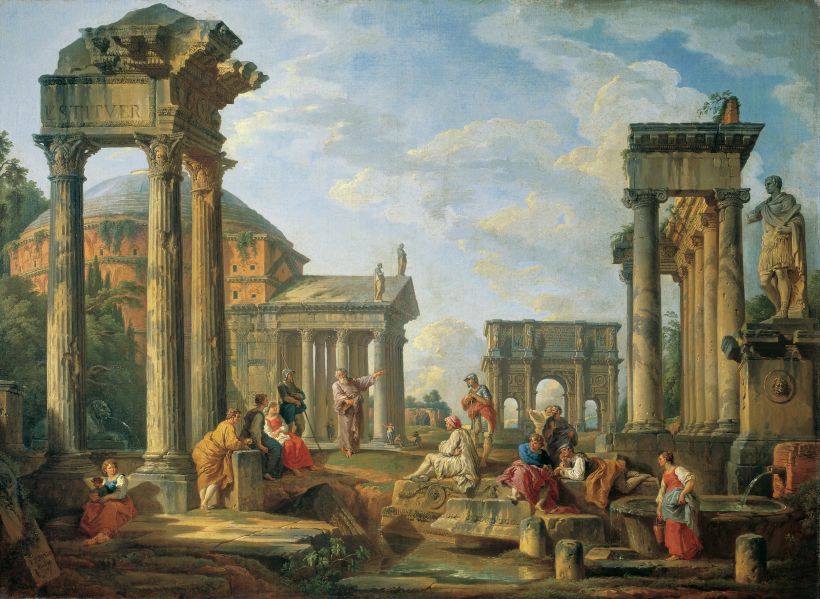
Cultural heritage is more than just the relics of the past; it’s a living, breathing narrative woven into the fabric of societies across the globe. It encompasses both the tangible – the monuments, buildings, artworks, and artifacts that physically represent our history – and the intangible: the traditions, languages, knowledge systems, and artistic expressions passed down through generations. However, not every legacy automatically qualifies as “heritage.” It’s a selective process, shaped by societal values and a conscious decision to preserve aspects deemed significant for future understanding. Consider Giovanni Paolo Pannini's depictions of Roman ruins; they aren’t simply records of architecture but romanticized visions that reflect 18th-century ideals about classical antiquity – a curated heritage presented through the lens of artistic interpretation.
The act of preservation, whether termed “conservation” in British English or “preservation” in American English, is crucial. Museums and cultural centers play a vital role, but true safeguarding extends beyond physical protection. It requires active engagement with communities to ensure traditions remain vibrant and relevant. This often involves supporting the artisans who embody these skills, recognizing that heritage isn’t static; it evolves alongside its custodians.
The Enduring Power of Folk Art Traditions Worldwide
Folk art covers all forms of visual art made in the context of folk culture. Definitions vary, but generally the objects have practical utility of some kind, rather than being exclusively decorative. The makers of folk art are typically trained wi...
Folk art offers a particularly compelling window into cultural identity. Unlike fine art, which is typically associated with formal training and established institutions, folk art emerges organically from everyday life. Definitions can be fluid – often characterized by practical utility rather than purely aesthetic intent – but the common thread lies in its connection to popular tradition. A Pew group crafted within a specific community, for example, isn’t merely furniture; it's a testament to local woodworking techniques, social gatherings, and shared craftsmanship. The makers are trained within their own communities, inheriting skills and motifs passed down through families or apprenticeships.
The distinction between folk art and “naive art” can be blurred, but the key difference lies in context. Folk art is deeply rooted in a specific cultural milieu, while naive art often represents an individual’s self-taught expression outside of established traditions. It's important to note that the term 'folk art' isn't universally applicable; it doesn't resonate within traditional societies where ethnographic art continues as a living practice.
Case Studies in Heritage Preservation: Panama, Mexico, Ukraine & Beyond
The preservation of cultural heritage takes diverse forms across different nations. In Panama, the vibrant tradition of La Pollera, the national dress, is more than just clothing; it’s a symbol of identity and pride, meticulously crafted and worn during folk dances that celebrate history and community. Carl Folke Sahlin's watercolor captures this energy beautifully, showcasing not only the intricate details of the costume but also the spirit of Panamanian dance traditions.
Mexico provides another compelling example. The Museo de Arte Popular in Mexico City actively champions the country’s rich folk art heritage, exhibiting a diverse collection that reflects regional variations and artistic ingenuity. Similarly, artists like Graciela Iturbide document everyday life with a keen eye for cultural symbolism, as seen in her striking photograph of “Torito (Little Bull), Coyoacán, Mexico City,” which captures the raw textures and spirit of local celebrations.
Ukraine’s artistic legacy is powerfully embodied by Maria Primachenko, whose vibrant paintings blend folk-inspired patterns with a unique naive style. Her work isn't simply decorative; it’s deeply connected to Ukrainian folklore and traditions, representing a powerful expression of national identity. These examples demonstrate how art can serve as both a reflection of cultural values and a catalyst for preservation.
Artists as Keepers of Tradition: Parascovia Lepădatu & Emilio Rosado
Individual artists often play a pivotal role in safeguarding endangered traditions. Parascovia Lepădatu, a renowned traditional artist from Greece, exemplifies this dedication through her exquisite Moldovan shirts. Her work isn’t merely about creating beautiful textiles; it's about preserving ancient techniques and patterns that embody the cultural heritage of her region. She actively promotes these traditions through exhibitions and workshops, ensuring their survival for future generations.
Emilio Rosado, a Puerto Rican master folk artist, similarly embodies this spirit with his heritage-inspired wood sculptures, particularly his iconic “Gallo de pelea” (fighting rooster). These sculptures aren’t simply representations of animals; they are imbued with cultural significance and represent a connection to the island's history and traditions. Both Lepădatu and Rosado demonstrate how artistic practice can be a powerful act of cultural preservation.
Museums and Programs Championing Folklife: A Global Perspective
Beyond individual artists, numerous museums and programs actively work to document and preserve folklife around the world. The Virginia Folklife Program, for example, has been documenting Virginia’s rich cultural heritage since 1979 through fieldwork, exhibitions, and publications. They focus on traditional music, crafts, storytelling, and folk arts, providing a platform for authentic VA traditions.
The Rhode Island Folklife Project similarly dedicates itself to preserving the state’s diverse cultural landscape through similar methods – documenting art, conducting interviews, and creating accessible resources. These initiatives highlight the importance of community engagement and collaborative preservation efforts. These programs aren't simply about archiving the past; they are about fostering a living connection between traditions and contemporary society.
The Future of Traditional Art: Balancing Innovation with Authenticity
As societies evolve, the challenge lies in balancing innovation with authenticity. How do we ensure that traditional art forms remain relevant without sacrificing their core values? This requires supporting artists who are willing to experiment while remaining rooted in their cultural heritage. It also necessitates a broader understanding of cultural property – encompassing not only physical objects but also intangible traditions and natural landscapes.
The deliberate action of keeping cultural heritage from the present for the future is known as preservation, and it’s a responsibility shared by individuals, communities, museums, and governments. At ArtsDot.com, we believe in making the world's great artworks accessible to everyone, fostering appreciation for diverse cultures and supporting the artists who keep these traditions alive. Explore our collection of handmade oil paintings and museum-quality prints, and discover the enduring legacy of folk art movements worldwide – a testament to the power of human creativity and cultural expression.
Artigos Relacionados

Antonio Zeno Shindler: A Pioneer of Cross-Cultural Portraiture in Early Modernism
Explore the life & work of Antonio Zeno Shindler, a pivotal figure in early modernist portraiture. Discover his unique style, anthropological collaborations, and lasting impact on cultural representation. Expert analysis for discerning collectors.


Vasily Vereshchagin: Realism, War & Subversion in 19th-Century Russian Painting
Explore the powerful realism of Vasily Vereshchagin's war paintings & Central Asian scenes. Discover how this Russian master challenged artistic conventions and offered a brutal, honest depiction of 19th-century conflict. Learn about his legacy for discerning collectors.

