

 Visualizar em escala
 Enviar
 Compartilhar
 Ver detalhes

 Baixar
 Semelhantes
 Raio X
 Apresentação de slides
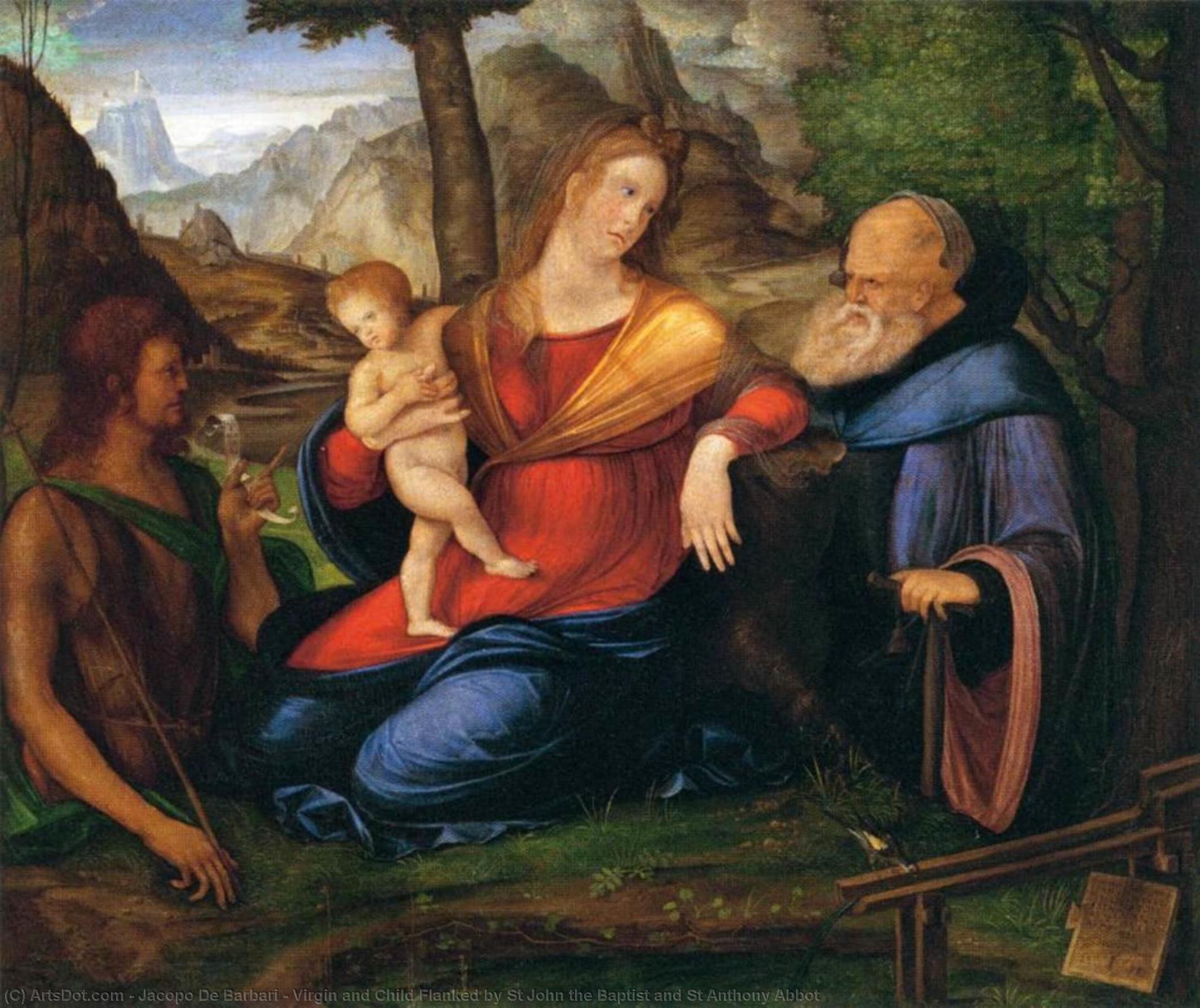
Virgem e Niño Flanqueados por San Juan Bautista y San Antonio Abad
 Acrílico sobre tela
- Arte de Parede
- Renaissance Illusionistic Art
 1490
1490 47.0 x 55.0 cm
 Museu do Louvre
 Ver mais
Reprodução em Óleo Feita à Mão
Óleo sobre tela pintado à mão no seu tamanho e moldura, feito sob encomenda pelos nossos artistas. ( Encomendar impressão Comprar imagem em alta resolução)




P118B S$10

P118H S$10

P118W S$10

P438Z S$10

P508JH S$12

P508YH S$12

P805H S$10

P805Z S$10

P919BZ S$10

P919G S$10

P919XJ S$10

P959ZH S$10

P968JZ S$12

W106C S$8

W218G S$10

W218JH S$8

W218Y S$10

W307PJ S$10

W316G S$10

W316PJ S$8

W316Y S$10

W398PJ S$8

W4111J S$10

W500HY S$15

W500JH S$15

W692G S$12

W849H S$8

W940BG S$15

W953PJ S$8




Escolha entre os nossos tamanhos pré-definidos que respeitam as proporções originais da obra de arte.

Pode inserir as suas próprias dimensões para se adequar a uma moldura ou espaço específico. Se o tamanho selecionado não corresponder às proporções da imagem original, iremos cortar a obra de arte ou estender a pintura com elementos adicionais pintados à mão. Um esboço digital será enviado para sua aprovação antes do início da produção.
Tenha em atenção que a pré-visualização no ecrã não reflete o corte ou extensão real. Apenas o esboço mostrará com precisão a composição final.
Embora tamanhos personalizados estejam disponíveis, recomendamos selecionar uma dimensão da lista predefinida para preservar as proporções originais.
Após o pedido, a equipa ArtsDot.com enviará um e-mail ao cliente para solicitar instruções e fornecer uma prévia do esboço.
Entrega mundial () em 3 a 4 semanas, em vez das 5 semanas padrão. (18 Agosto). Sem comprometer a qualidade.

Envio Expresso Gratuito para todo o Mundo

Tela de Linho Premium

Seguro de transporte total

Garantia de Reembolso de Impostos Alfandegários

Garantia de Fidelidade de Cor

Política de Devolução de 60 Dias (Apenas para Defeitos)

Garantia de reembolso de 100%

Desconto para múltiplas unidades
 A opção de vidro está disponível apenas para tamanhos inferiores a 110 cm

Virgem e Niño Flanqueados por San Juan Bautista y San Antonio Abad
Técnica de Reprodução
Dimensões da Reprodução
-


Preço Total
S$ 340
Descrição da Obra
A Venetian Masterpiece: Jacopo de’ Barbari's Virgin and Child
Jacopo de’ Barbari stands as one of Venice’s most celebrated Renaissance artists, yet his life remains largely obscured by the fog of historical records. Estimates place his birth between 1450 and 1470—a date confirmed by references from contemporaries like Albrecht Dürer—though definitive proof continues to elude scholars. Descriptions portray him as “old and weak” by 1511, presenting a fascinating contradiction with the prolific artistic output he achieved during his lifetime, demonstrating an extraordinary ability to synthesize influences from both Venetian and Germanic traditions. While Venetian connections are substantiated by surviving documents addressed to Germans—a testament to the vibrant artistic exchange of the era—scholarly debate persists concerning potential Germanic roots, ultimately solidifying his Italian heritage. His formative years were marked by a mentorship perhaps from Alvise Vivarini, reflecting the powerful currents shaping Venetian art at the time. Around 1500, he undertook a transformative journey that propelled him to prominence within the artistic landscape of Venice and beyond. This period witnessed an unparalleled fascination with illusionistic painting—a technique championed by artists like Giorgione and Titian—and Barbari embraced it wholeheartedly, elevating his craft to new heights of realism and expressive power.Style and Technique: Illusionism at Its Finest
Barbari’s Virgin and Child exemplifies the Venetian style's commitment to illusionism, a revolutionary approach that sought to create an immersive experience for the viewer by mimicking natural light and perspective. Unlike earlier artistic conventions focused on idealized representations, Barbari painstakingly rendered textures—the folds of Mary’s robe, the smoothness of Jesus’ skin—with astonishing accuracy. He achieved this remarkable feat through meticulous layering of glazes—thin coats of translucent pigment—allowing colors to blend seamlessly and produce a luminous effect that captures the ethereal beauty of divine grace. This technique, honed over years of experimentation, distinguishes Barbari's work from its peers and underscores his mastery of artistic innovation.Historical Context: Renaissance Venice – A Crucible of Artistic Genius
The painting emerged during a pivotal moment in Venetian history—the High Renaissance—a period characterized by an explosion of creativity fueled by papal patronage and burgeoning mercantile wealth. Venice, at the apex of European power, fostered an environment conducive to artistic experimentation and intellectual discourse. Artists like Titian and Tintoretto pushed the boundaries of realism, exploring dramatic compositions and vibrant palettes that conveyed profound emotional depth. Barbari’s Virgin and Child aligns seamlessly with this broader artistic ethos, reflecting the humanist ideals prevalent throughout Europe—a celebration of human dignity and a renewed interest in classical antiquity.Symbolism: Layers of Meaning Beyond Appearances
Beyond its stunning visual qualities lies a rich tapestry of symbolism that invites contemplation. The Virgin Mary’s serene gaze embodies compassion and maternal devotion, while Jesus’ tender embrace symbolizes divine love. The presence of St John the Baptist and St Anthony Abbot underscores the importance of ascetic piety—a spiritual quest for purity and enlightenment—within Christian tradition. Furthermore, the mountainous backdrop evokes notions of transcendence and eternity, reminding viewers of God's boundless majesty. Even the book held by St Anthony Abbot serves as a potent emblem of knowledge and wisdom—a cornerstone of humanist scholarship during the Renaissance.Emotional Impact: A Vision of Heavenly Beauty
Ultimately, Barbari’s Virgin and Child transcends mere representation; it communicates an overwhelming sense of beauty and spiritual serenity. The luminous glaze technique imbues the painting with an otherworldly glow, transporting viewers to a realm beyond earthly concerns. The artist's masterful handling of light and color captures the essence of divine grace—a testament to his profound understanding of human psychology and artistic expression. Viewing this masterpiece evokes feelings of awe and reverence—inspiring contemplation on themes of faith, love, and transcendence, cementing its place as one of Venice’s most enduring treasures.Obras Relacionadas


Biografia do Artista
Jacopo de' Barbari: A Venetian Pioneer of Illusionistic Art
Jacopo de’ Barbari remains an enigmatic figure in Renaissance art history, shrouded in mystery regarding his birthdate and early life. Estimates place him between 1450 and 1470, though definitive proof is elusive. Contemporary accounts describe him as “old and weak” by 1511, suggesting a later date of origin—a fascinating paradox considering his remarkable artistic output during his lifetime. While Venetian origins are widely accepted based on biographical details like Albrecht Dürer’s reference (“van venedig geporn”), scholarly debate persists concerning his Germanic connections, ultimately pointing to an Italian heritage substantiated by surviving documents addressed to Germans. His formative years remain largely undocumented, though Alvise Vivarini is considered a possible mentor—a connection that underscores the artistic currents circulating within Venice at the time. Around 1500, he embarked on a transformative journey to Germany, where he served under Emperor Maximilian I in Nuremberg for a year and subsequently collaborated with Frederick III of Saxony in various locations between 1503 and 1505. This period cemented his reputation as “Jacop Walch,” reflecting the prevalent perception of Italians as foreigners within Germanic artistic circles. He continued his artistic endeavors at the court of Joachim I of Brandenburg from 1506 to 1508, demonstrating a consistent commitment to expanding his creative horizons. Barbari’s artistic breakthrough arrived in Nuremberg, where he produced his celebrated “Still Life with Fruits and Insects,” arguably the first instance of trompe l'oeil since antiquity—a technique that deliberately deceives the eye by creating illusions of depth and perspective. This groundbreaking approach was profoundly influenced by Andrea Mantegna and Albrecht Dürer, artists whose mastery of linear perspective and illusionistic rendering served as models for Barbari’s own stylistic innovations. His engravings, numbering twenty-nine, were equally influential, capturing the spirit of the Renaissance with meticulous detail and conveying a sense of realism that surpassed previous artistic conventions. Notably, his monumental woodcuts—particularly “The Triumph of Death”—became iconic representations of mortality and humanist thought, cementing Barbari’s place as one of the foremost printmakers of his era. By 1510, Barbari was actively engaged in artistic commissions for Philip II of Burgundy and Margaret Tudor, demonstrating his versatility across mediums and signaling a shift towards collaborative projects within the burgeoning Netherlandish Renaissance. His final years were marked by illness and culminated in a poignant testament—a gesture reflecting both vulnerability and an unwavering dedication to his craft. The Archduchess Margaret’s generous pension underscored the recognition of Barbari's artistic legacy, securing him a place among the luminaries of his time. He died before 1516, leaving behind a body of work that continues to inspire admiration for its technical brilliance and conceptual depth—a testament to Jacopo de’ Barbari’s enduring contribution to Renaissance art and visual culture.
jacopo de barbari
1460 - 1516
Informações Rápidas
- Artistic Movement Or Style: Trompe l'oeil & Woodcuts
- Artists Or Movements Influenced By This Artist: ['Renaissance Art']
- Artists Who Influenced This Artist:
- Mantegna
- Dürer
- Date Of Birth: c. 1460/70
- Date Of Death: before 1516
- Full Name: Jacopo de' Barbari
- Nationality: Italian
- Notable Artworks:
- The Triumph of Death
- Mantegna’s Lamentation
- Place Of Birth: Venice, Italy
Artigos Relacionados

Fra Angelico: As 25 Obras-Primas que Definem a Arte Renascentista | ArtsDot
Descubra as 25 obras-primas de Fra Angelico, o mestre renascentista da arte sacra. Explore a beleza dos afrescos e pinturas que inspiram fé e contemplação. Reproduções de alta qualidade em ArtsDot.com!

Jacopo Tintoretto: As 25 Obras-Primas do Mestre da Luz e Drama | ArtsDot
Descubra as 25 obras-primas de Jacopo Tintoretto, o mestre veneziano do Renascimento! Explore a história, técnica e emoção por trás de pinturas icônicas como 'O Milagre de São Marcos'. Encontre reproduções de arte exclusivas para decorar sua casa com ArtsDot.com.

El Greco: As 25 Obras-Primas que Definem um Gênio da Pintura | ArtsDot
Descubra as 25 obras-primas de El Greco, o mestre renascentista espanhol! Explore a história, técnica e emoção por trás de quadros icônicos como 'O Enterro do Conde Orgaz'. Encontre reproduções de arte exclusivas e inspire sua decoração em ArtsDot.com.

Giotto di Bondone: As 25 Obras-Primas que Definiram a Arte Renascentista | ArtsDot
Descubra as 25 obras-primas de Giotto di Bondone, o mestre da Renascença! Explore a história por trás dos afrescos icônicos, cores vibrantes e emoção atemporal. Reproduções de arte exclusivas para decorar sua casa com elegância em ArtsDot.com.
Vittore Carpaccio: Venetian Renaissance Narrative & the Poetics of Detail
Explore the captivating world of Vittore Carpaccio, a master storyteller of the Venetian Renaissance. Discover his intricate details, narrative cycles like 'The Legend of St. Ursula,' and unique artistic style.

