

 Visualizar em escala
 Enviar
 Compartilhar
 Ver detalhes

 Baixar
 Semelhantes
 Raio X
 Apresentação de slides
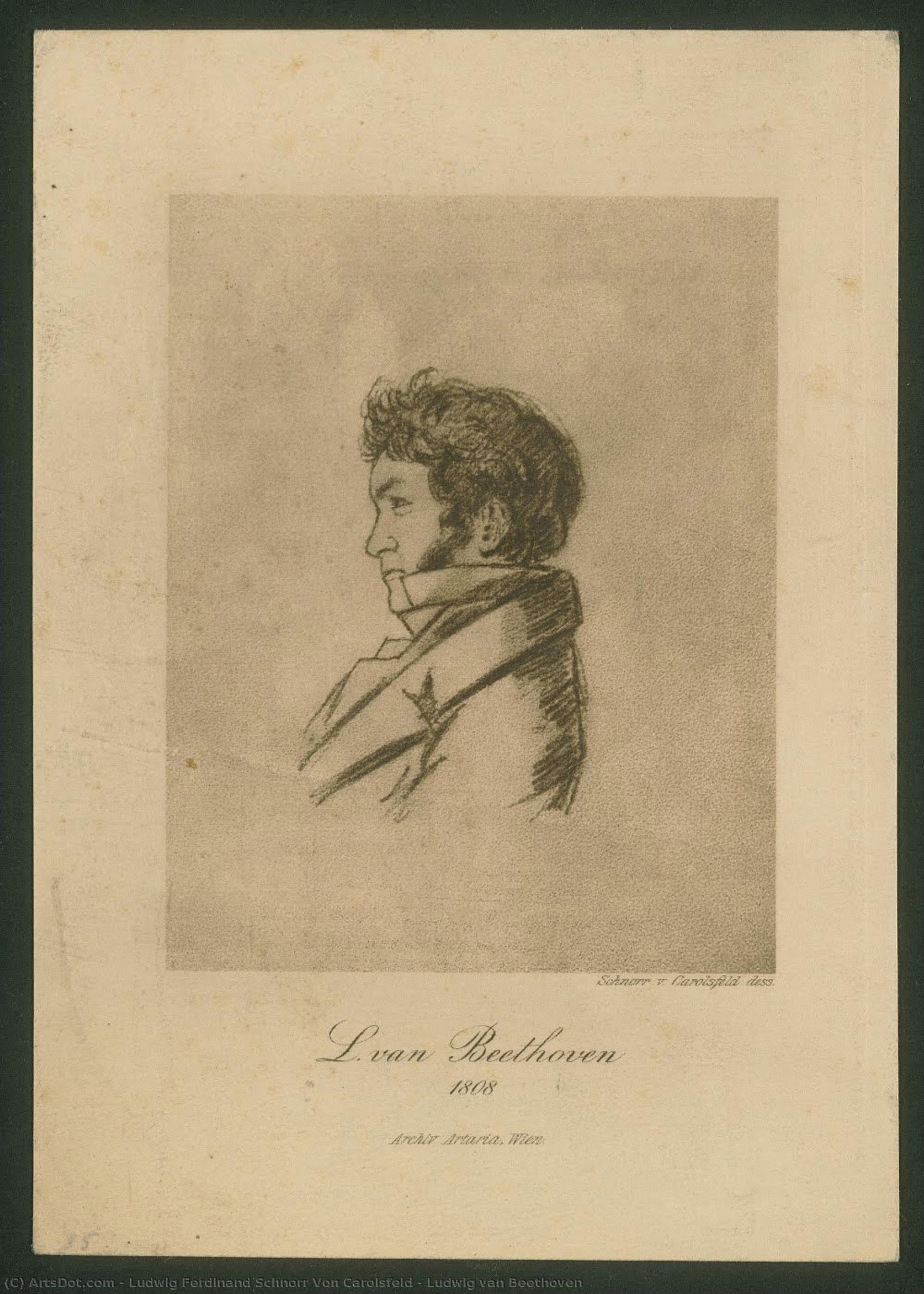
Ludwig van Beethoven
 Acrílico sobre tela
- Arte de Parede
- Romantic Landscape Painting
 1875
1875 19.0 x 13.0 cm
 Beethoven-Haus Bonn
 Ver mais
Reprodução em Óleo Feita à Mão
Óleo sobre tela pintado à mão no seu tamanho e moldura, feito sob encomenda pelos nossos artistas. ( Ver impressão do pedido Baixar imagem em alta resolução)




P118B $10

P118H $10

P118W $10

P438Z $10

P508JH $12

P508YH $12

P805H $10

P805Z $10

P919BZ $10

P919G $10

P919XJ $10

P959ZH $10

P968JZ $12

W106C $8

W218G $10

W218JH $8

W218Y $10

W307PJ $10

W316G $10

W316PJ $8

W316Y $10

W398PJ $8

W4111J $10

W500HY $15

W500JH $15

W692G $12

W849H $8

W940BG $15

W953PJ $8




Escolha entre os nossos tamanhos pré-definidos que respeitam as proporções originais da obra de arte.

Pode inserir as suas próprias dimensões para se adequar a uma moldura ou espaço específico. Se o tamanho selecionado não corresponder às proporções da imagem original, iremos cortar a obra de arte ou estender a pintura com elementos adicionais pintados à mão. Um esboço digital será enviado para sua aprovação antes do início da produção.
Tenha em atenção que a pré-visualização no ecrã não reflete o corte ou extensão real. Apenas o esboço mostrará com precisão a composição final.
Embora tamanhos personalizados estejam disponíveis, recomendamos selecionar uma dimensão da lista predefinida para preservar as proporções originais.
Após o pedido, a equipa ArtsDot.com enviará um e-mail ao cliente para solicitar instruções e fornecer uma prévia do esboço.
Entrega mundial () em 3 a 4 semanas, em vez das 5 semanas padrão. (8 Agosto). Sem comprometer a qualidade.

Envio Expresso Gratuito para todo o Mundo

Tela de Linho Premium

Seguro de transporte total

Garantia de Reembolso de Impostos Alfandegários

Garantia de Fidelidade de Cor

Política de Devolução de 60 Dias (Apenas para Defeitos)

Garantia de reembolso de 100%

Desconto para múltiplas unidades
 A opção de vidro está disponível apenas para tamanhos inferiores a 110 cm

Ludwig van Beethoven
Técnica de Reprodução
Dimensões da Reprodução
-


Preço Total
$ 263
Descrição da Obra
Uma Imagem Ícone da Música Clássica: Ludwig van Beethoven por Ludwig Ferdinand Schnorr von Carolsfeld
Este retrato em perfil, criado em 1875 pelo pintor alemão Ludwig Ferdinand Schnorr von Carolsfeld, captura a essência de um dos maiores compositores da história – Ludwig van Beethoven. Mais do que uma mera representação física, esta obra artística é um testemunho da época e uma expressão profunda da personalidade do artista, oferecendo aos amantes da arte uma janela para o mundo intelectual e emocional do século XIX.- Estilo Pictórico: O desenho apresenta características marcantes do estilo pictórico conhecido como “Picturesque”, que valoriza a beleza natural e a atmosfera contemplativa. Influenciado pela escola inglesa, Schnorr von Carolsfeld demonstra uma habilidade excepcional em transmitir luz e sombra, criando uma imagem que transmite serenidade e profundidade.
- Técnica Desenhodista: Executado com maestria em desenho técnico, este trabalho revela um domínio da linha e do detalhe característico da época. A atenção meticulosa ao rosto de Beethoven – expressão severa mas carregada de inteligência – é um exemplo perfeito da busca pela perfeição estética que marcava o período romântico.
- Contexto Histórico: Pintado em meio à crescente influência do romantismo na arte europeia, este retrato reflete o interesse pela figura humana como símbolo de força e emoção. Beethoven, considerado um ídolo intelectual e artístico da época, representa o espírito da busca por liberdade e expressão individual, valores centrais para os artistas românticos.
Informações Sobre o Artista
Ludwig Ferdinand Schnorr von Carolsfeld (1788-1853) foi um pintor alemão cuja obra é marcada pela beleza paisagística e pelo retrato psicológico. Sua trajetória artística iniciou-se em uma formação inicial em escultura, mas rapidamente encontrou seu caminho na pintura, onde desenvolveu um estilo único que combina elementos da escola inglesa com uma sensibilidade romântica profunda. Schnorr von Carolsfeld é reconhecido por suas pinturas de paisagens e retratos familiares, obras que capturam a atmosfera do século XIX e celebram a beleza da natureza humana. Sua obra permanece admirada até hoje por sua elegância estética e pela capacidade de transmitir emoções genuínas.Informações Sobre a Obra
Este retrato de Beethoven apresenta dimensões de 19 x 13 cm e foi criado em 1875. É uma reprodução meticulosa de uma obra original que demonstra o talento artístico de Schnorr von Carolsfeld e o impacto da estética romântica na arte da época. Uma peça ideal para colecionadores e amantes da música clássica, esta imagem captura a força intelectual e emocional do compositor alemão em um momento emblemático da história artística.Onde Encontrar Esta Obra
Você pode admirar este retrato de Ludwig van Beethoven em museus renomados como o Beethoven-Haus Bonn (Alemanha), onde está disponível para apreciação pública. Além disso, uma reprodução de alta qualidade deste desenho pode ser encontrada em plataformas online como ArtsDot.com, oferecendo aos amantes da arte uma oportunidade única de incorporar um ícone da música clássica em seus espaços domésticos.Obras Relacionadas


Biografia do Artista
Thomas Gainsborough: A Master of Light and Landscape
Thomas Gainsborough, a name synonymous with the quintessential English countryside and the subtle grace of portraiture, was born in Sudbury, Suffolk, on May 14th, 1727. His early life, steeped in the traditions of a cloth-merchant family, seemed destined for a predictable path – an apprenticeship in silversmithing. However, a youthful fascination with drawing and a fortuitous encounter with Hubert Gravelot, a French book illustrator working in London, irrevocably altered his trajectory. This introduction to the world of printmaking ignited a passion that would define his artistic career, leading him away from the confines of the workshop and towards the captivating landscapes and discerning portraits that would secure his enduring legacy. Gainsborough’s journey wasn't one of immediate success; it was a gradual cultivation of skill and vision, marked by periods of struggle and relentless dedication to his craft.Early Years and Artistic Training
Gainsborough’s initial training as a silversmith provided him with valuable technical skills – an understanding of line, form, and the manipulation of metal. Yet, it was Gravelot who truly nurtured his artistic sensibilities. The older artist recognized Gainsborough's innate talent and took him on as an apprentice, exposing him to the intricacies of engraving and printmaking. This period proved crucial in developing Gainsborough’s observational skills and fostering a deep appreciation for detail. Crucially, Gravelot encouraged Gainsborough to study nature directly – a practice that would become central to his artistic philosophy. Following his apprenticeship, Gainsborough established his own studio in London, initially focusing on producing decorative prints and engravings. These early works demonstrated a burgeoning talent for capturing the nuances of light and shadow, hinting at the landscapes he would later master. It was during this time that he began experimenting with oil painting, laying the groundwork for his future success as a portraitist.The Rise to Prominence: Portraiture and Landscape
By the 1760s, Gainsborough’s reputation as a portrait painter began to flourish. He possessed an uncanny ability to capture not just physical likenesses but also the character and personality of his subjects. His portraits were characterized by a remarkable naturalism – a willingness to depict sitters in contemporary dress and with relaxed poses, eschewing the stiff formality prevalent in many aristocratic commissions. He cultivated a network of wealthy patrons, including members of the royal family, who sought his services for capturing their likenesses. Simultaneously, Gainsborough never abandoned his passion for landscape painting. He viewed these scenes not merely as decorative backgrounds but as integral to his artistic vision. His landscapes were imbued with a sense of atmosphere and light—a masterful use of color and brushwork that captured the fleeting beauty of the English countryside. This dual focus – portraiture and landscape – became a defining characteristic of his oeuvre, allowing him to explore both the human subject and the natural world with equal depth and sensitivity.Technique and Influences
Gainsborough’s artistic style evolved significantly throughout his career. His early works were influenced by Gravelot's meticulous attention to detail and the Rococo aesthetic, characterized by delicate brushwork and pastel colors. However, as he matured, his technique became looser and more expressive, embracing a brighter palette and a greater emphasis on capturing the essence of his subjects. He developed a distinctive ‘broken’ brushstroke—a technique that created a sense of shimmering light and atmospheric depth. His use of color was particularly remarkable; he employed subtle gradations to create a luminous effect, as if bathed in sunlight. Gainsborough's work also reflects the influence of Dutch Masters like Rembrandt and Constable, whose mastery of light and shadow he deeply admired. He studied their techniques meticulously, incorporating them into his own practice. Furthermore, he drew inspiration from the picturesque tradition—a movement that emphasized the beauty of unspoiled nature and the romanticization of rural life.Legacy and Historical Significance
Thomas Gainsborough died in London on August 2nd, 1788, leaving behind a remarkable body of work that continues to captivate audiences today. He is considered one of the most important British artists of the late 18th century, alongside Sir Joshua Reynolds. While Reynolds championed classical ideals and formal techniques, Gainsborough embraced a more naturalistic approach, prioritizing observation and capturing the spirit of his subjects and landscapes. His portraits are celebrated for their psychological depth and emotional resonance, while his landscapes evoke a profound sense of tranquility and beauty. Gainsborough’s influence on subsequent generations of British artists is undeniable. He helped to establish a distinctly English style of painting—one that was rooted in observation, sensitivity, and a deep appreciation for the natural world. His work remains an enduring testament to the power of art to capture the essence of human experience and the sublime beauty of the English countryside. Notably, recent scholarship has uncovered uncomfortable connections between Gainsborough’s success and the institution of slavery, highlighting the complex ethical considerations inherent in examining the lives and legacies of historical figures.
ludwig ferdinand schnorr von carolsfeld
1788 - 1853 , Germany
Informações Rápidas
- Artistic Movement Or Style: Picturesque, Landscape
- Artists Or Movements Influenced By This Artist:
- Rococo
- British School
- Artists Who Influenced This Artist: ['Hubert Gravelot']
- Date Of Birth: May 14, 1727
- Date Of Death: August 2, 1788
- Full Name: Thomas Gainsborough
- Nationality: British
- Notable Artworks:
- Musidora
- The Baillie Family
- Lady Rufford
- Place Of Birth: Sudbury, Suffolk
Artigos Relacionados

Alonzo Chappel: Historical Narrative & Romantic Vision in 19th-Century American Painting
Explore the captivating world of Alonzo Chappel, a master of 19th-century American historical painting. Discover his iconic works, Romantic style & lasting legacy. Learn about collecting Chappel's art today!

Anselm Feuerbach: Romantic Idealism & the Search for Spiritual Harmony in 19th-Century Painting
Explore the life & work of Anselm Feuerbach, a leading German Neoclassical painter. Discover his Romantic idealism, mythological scenes, and stunning portraits. Learn about his influences & lasting legacy with ArtsDot.

Os 10 Grandes Mestres do Neoclassicismo: Arte, História e Decoração
Descubra os 10 maiores mestres do Neoclassicismo! Explore a história, técnica e beleza de obras icônicas de David, Ingres e Canova. Encontre reproduções de arte neoclássica para decorar sua casa com elegância em ArtsDot.com.
Timeless Bonds: Commissioning Oil Portraits as Heirlooms of Romantic Love and Family Heritage
Commission a timeless oil portrait from skilled artists at ArtsDot. Preserve your family's legacy with museum-quality paintings, crafted to cherish for generations. Expert guidance & personalized service.

The Evocative Embrace of Reality: Exploring Romantic Realism in 19th-Century Painting
Explore the captivating world of Romantic Realism! Discover key artists like Courbet & Millet, masterpieces, and the social context behind this influential art movement. Expert insights for collectors at ArtsDot.


