

 Visualizar em escala
 Enviar
 Compartilhar
 Ver detalhes

 Baixar
 Semelhantes
 Raio X
 Apresentação de slides
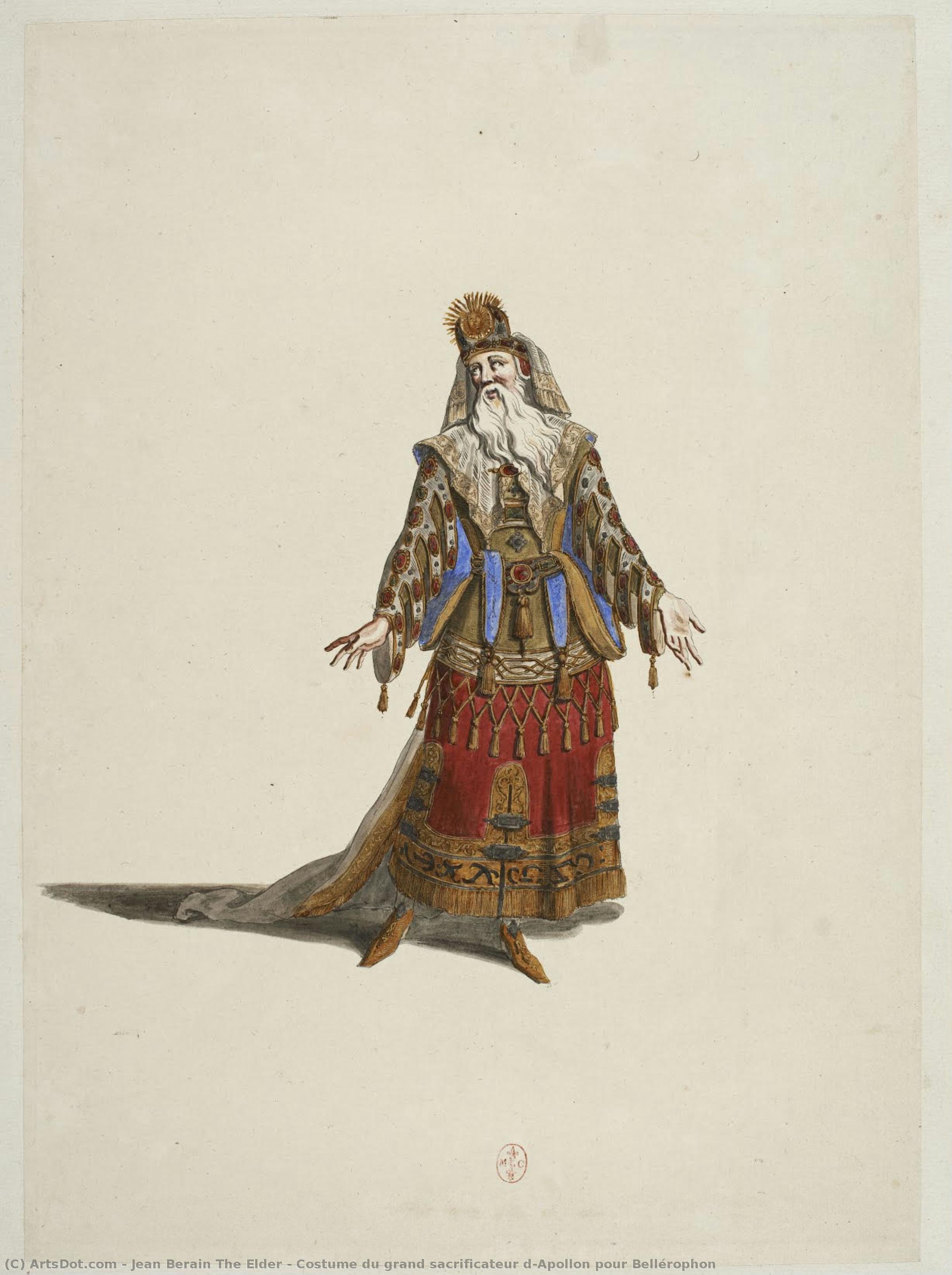
Costume du grand sacrificateur d’Apollon pour Bellérophon


 Ver mais
Reprodução em Óleo Feita à Mão
Óleo sobre tela pintado à mão no seu tamanho e moldura, feito sob encomenda pelos nossos artistas. ( Ver impressão do pedido Baixar imagem em alta resolução)




P118B $10

P118H $10

P118W $10

P438Z $10

P508JH $12

P508YH $12

P805H $10

P805Z $10

P919BZ $10

P919G $10

P919XJ $10

P959ZH $10

P968JZ $12

W106C $8

W218G $10

W218JH $8

W218Y $10

W307PJ $10

W316G $10

W316PJ $8

W316Y $10

W398PJ $8

W4111J $10

W500HY $15

W500JH $15

W692G $12

W849H $8

W940BG $15

W953PJ $8




Escolha entre os nossos tamanhos pré-definidos que respeitam as proporções originais da obra de arte.

Pode inserir as suas próprias dimensões para se adequar a uma moldura ou espaço específico. Se o tamanho selecionado não corresponder às proporções da imagem original, iremos cortar a obra de arte ou estender a pintura com elementos adicionais pintados à mão. Um esboço digital será enviado para sua aprovação antes do início da produção.
Tenha em atenção que a pré-visualização no ecrã não reflete o corte ou extensão real. Apenas o esboço mostrará com precisão a composição final.
Embora tamanhos personalizados estejam disponíveis, recomendamos selecionar uma dimensão da lista predefinida para preservar as proporções originais.
Após o pedido, a equipa ArtsDot.com enviará um e-mail ao cliente para solicitar instruções e fornecer uma prévia do esboço.
Entrega mundial () em 3 a 4 semanas, em vez das 5 semanas padrão. (8 Agosto). Sem comprometer a qualidade.

Envio Expresso Gratuito para todo o Mundo

Tela de Linho Premium

Seguro de transporte total

Garantia de Reembolso de Impostos Alfandegários

Garantia de Fidelidade de Cor

Política de Devolução de 60 Dias (Apenas para Defeitos)

Garantia de reembolso de 100%

Desconto para múltiplas unidades
 A opção de vidro está disponível apenas para tamanhos inferiores a 110 cm

Costume du grand sacrificateur d’Apollon pour Bellérophon
Técnica de Reprodução
Dimensões da Reprodução
-


Preço Total
$ 263
Descrição da Obra
Costume du grand sacrificateur d’Apollon pour Bellérophon: Uma Jornada à Elegância Barroca
A pintura "Costume du grand sacrificateur d’Apollon pour Bellérophon" de Jean Berain o Elder, criada em 1686, é uma obra fascinante que nos transporta para o coração do período barroco francês. Esta peça monumental, assinada pelo renomado artista flamengo Peter Paul Rubens – um nome sinônimo da luz e da emoção –, representa uma figura masculina vestida em uma roupa elaborada, simbolizando uma poderosa imagem mitológica: Bellérophon, o cavaleiro corajoso que enfrentou a serpente Gigantes para proteger sua cidade.- Artista: Jean Berain o Elder
- Ano de Nascimento: 1640
- Ano de Falecimento: 1711
- Cidade de Nascimento: Saint-Mihliel
- País de Nascimento: Holanda
- Estilo: Barroco
- Técnica: Gravura em água forte
- Materiais: Água forte, ouro e prata
- Simbolismo: Proteção divina, coragem humana
- Valor Religioso: Representação da riqueza e do poder da Igreja Católica
Detalhes Técnicos e Históricos
A obra foi criada em Chantilly, França, onde Jean Berain o Elder viveu durante grande parte de sua vida artística. A gravura em água forte, uma técnica inovadora para a época, permitiu que Berain o Elder capturasse com precisão os detalhes da roupa do cavaleiro e a expressão facial do personagem, criando uma imagem realista e emocionalmente carregada. O uso de ouro e prata não apenas adicionou brilho à pintura, mas também refletiu o poder econômico e político da França barroca, onde artistas como Berain o Elder eram frequentemente patrocinados pela corte real.- Localização: Chantilly, França
- Técnica: Gravura em água forte
- Contexto Histórico: França Barroca
Inspiração para Decoração e Colecionadores
"Costume du grand sacrificateur d’Apollon pour Bellérophon" pode servir como fonte de inspiração para projetos de decoração elegante e sofisticada, especialmente aqueles que valorizam obras de arte clássicas e símbolos religiosos. Uma reprodução em alta qualidade pode adicionar um toque de beleza e história a qualquer ambiente, criando uma atmosfera única e memorável. Além disso, esta pintura representa um investimento cultural significativo, contribuindo para preservar o legado artístico europeu e inspirando novas gerações de artistas e amantes da arte.Informações Adicionais sobre o Artista e Sua Obra
Para saber mais sobre Jean Berain o Elder e sua obra artística, consulte fontes confiáveis como museus especializados em arte barroca francesa e artigos científicos publicados por estudiosos renomados. Explore obras relacionadas ao artista e ao período histórico para compreender melhor o contexto cultural e artístico da época e apreciar plenamente a beleza e o significado de "Costume du grand sacrificateur d’Apollon pour Bellérophon".Obras Relacionadas


Biografia do Artista
Peter Paul Rubens: A Baroque Master of Light and Emotion
Peter Paul Rubens, a name synonymous with the vibrant energy and dramatic intensity of the Baroque period, remains one of the most influential artists in European history. Born on June 28th, 1577, in Siegen, Germany – though he spent his childhood in Antwerp, Belgium – Rubens’s life was a tapestry woven with artistic ambition, diplomatic service, personal tragedy, and an unparalleled output of masterpieces. His legacy extends far beyond the sheer volume of his work; it resides in his innovative techniques, his masterful command of color and composition, and his profound understanding of human emotion. He died on May 30th, 1640, leaving behind a body of art that continues to captivate and inspire centuries later.Early Life and Artistic Training: Seeds of Innovation
Rubens’s early years were marked by displacement and a nascent artistic sensibility. Following his family's flight from Antwerp during the Eighty Years’ War, they settled in the Duchy of Brabant, where young Peter received a surprisingly comprehensive education – encompassing Latin, Greek, rhetoric, music, and drawing. At the age of thirteen, he secured a position as a court page to Countess Juliane van der Glyck, a role that provided him with access to a world of luxury and artistic patronage while simultaneously stifling his creative spirit. Recognizing this constraint, Rubens sought formal training in Antwerp, initially under Otto van Veen, a painter known for his meticulous realism. However, it was the influence of Adam van Noort, a more experimental artist, who truly ignited Rubens’s imagination. Crucially, in 1600, at the tender age of twenty-three, he embarked on a transformative journey to Italy – a period that would fundamentally shape his artistic vision.The Italian Years: Classical Inspiration and Baroque Beginnings
Rubens’s sojourn in Italy proved to be nothing short of revelatory. He immersed himself in the works of the Renaissance masters, studying the sculptures of Michelangelo, the frescoes of Raphael, and the dramatic compositions of Caravaggio and Titian. He meticulously copied classical statues, absorbing their idealized forms and balanced proportions. Yet, he didn’t simply imitate; he synthesized these influences with his own burgeoning style, developing a distinctly Baroque approach characterized by dynamic movement, intense color contrasts, and an emphasis on sensual beauty. He worked primarily in Genoa, Mantua, Parma, and Rome, producing a remarkable series of altarpieces, mythological scenes, and portraits that showcased his growing technical skill and expressive power. These early Italian works established the foundation for his later success, demonstrating his ability to translate classical ideals into a vibrant, emotionally charged style.Antwerp: A Flourishing Workshop and Diplomatic Service
Upon his return to Antwerp in 1608, Rubens quickly established himself as one of the city’s leading artists. He secured prestigious commissions from wealthy patrons – including archdukes Albert and Isabella, who ruled the Southern Netherlands – and built a vast workshop that employed numerous assistants, allowing him to oversee an astonishingly prolific output. However, his life was not solely devoted to art; he also served as a diplomat for the Spanish crown, traveling extensively throughout Europe to secure support for their claims in the Netherlands. This diplomatic role brought him into contact with influential figures such as Charles I of England and Louis XIV of France, further enhancing his reputation and solidifying his position as a key player in European politics. His marriage to Isabella Brandt in 1610 provided him with a loving partner and a stable home, though tragedy struck again when she succumbed to illness in 1635.Style and Legacy: A Revolution in Color and Composition
Rubens’s artistic style is instantly recognizable – characterized by its exuberant color palette, dynamic compositions, and profound understanding of human anatomy and emotion. He employed a technique known as *terrestrial scopy*, meticulously studying the effects of light and shadow on natural surfaces to achieve an unparalleled sense of realism. His use of color was revolutionary; he eschewed the muted tones favored by his predecessors in favor of vibrant reds, blues, and golds, creating paintings that practically shimmer with life. Rubens’s influence extended far beyond his own lifetime. He inspired generations of artists – including Anthony van Dyck, Rembrandt, and many others – and his techniques continue to be studied and admired today. His legacy is not simply one of artistic skill but also of a bold and innovative spirit that transformed the course of Western art history. His works are held in major museums worldwide, testaments to the enduring power and beauty of his vision.
jean berain the elder
1640 - 1711 , Netherlands
Informações Rápidas
- Artistic Movement Or Style: Baroque
- Artists Or Movements Influenced By This Artist: ['Anthony van Dyck']
- Artists Who Influenced This Artist:
- Tobias Verhaecht
- Otto van Veen
- Date Of Birth: June 28, 1577
- Date Of Death: May 30, 1640
- Full Name: Peter Paul Rubens
- Nationality: Flemish
- Notable Artworks:
- The Raising of the Cross
- Descent from the Cross
- Venus and Adonis
- Place Of Birth: Siegen, Germany
Artigos Relacionados

Jean-Louis Forain: Capturing Parisian Life with Wit & Realism
Explore the captivating world of Jean-Louis Forain, a master Impressionist chronicler of Belle Époque Paris. Discover his satirical paintings, realistic scenes & lasting legacy. Learn about collecting Forain's art today!

Jean-Baptiste Debret: Witnessing Brazil’s Emergence Through Art & Identity
Explore the captivating art of Jean-Baptiste Debret, a key witness to Brazil’s imperial era. Discover his iconic portraits, historical scenes & insightful depictions of Brazilian life. Learn about his legacy and find museum-quality reproductions at ArtsDot.

Antonio da Correggio: Innovation, Illusionism & the Poetics of Grace in Renaissance Painting
Explore the revolutionary art of Antonio da Correggio, a master of Renaissance illusionism and chiaroscuro. Discover his frescoes, mythological paintings & lasting influence on Baroque art. Expert analysis & key works featured.

Renascimento Inicial: 10 Obras-Primas que Moldaram a Arte Moderna | ArtsDot
Descubra as 10 obras-primas do Renascimento Inicial que revolucionaram a arte! Explore Botticelli, Leonardo da Vinci e Michelangelo. Encontre reproduções de alta qualidade para decorar sua casa com elegância em ArtsDot.com.

As 25 Obras-Primas de Rafael: Uma Jornada pela Arte Renascentista | ArtsDot
Descubra as 25 obras-primas de Rafael, o mestre do Renascimento italiano! Explore a história por trás das pinturas mais famosas, como 'A Escola de Atenas' e suas Madonas. Encontre reproduções de arte exclusivas para decorar sua casa com beleza clássica em ArtsDot.com.


