


 Visualizar em escala
 Enviar
 Compartilhar
 Ver detalhes

 Baixar imagem
 Semelhantes
 Raio X
 Apresentação de slides
 Estatísticas
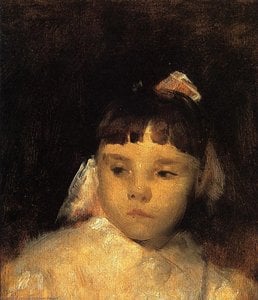
Título Traduzido: Madame Charles F. St. Clair Anstruther Thompson née Agnes


 Ver mais
Reprodução em Óleo Feita à Mão
Óleo sobre tela pintado à mão no tamanho e moldura de sua escolha, feito sob encomenda pelos nossos artistas. ( Alternar para Impressão Ver Imagem Digital)




P118B $10

P118H $10

P118W $10

P438Z $10

P508JH $12

P508YH $12

P805H $10

P805Z $10

P919BZ $10

P919G $10

P919XJ $10

P959ZH $10

P968JZ $12

W106C $8

W218G $10

W218JH $8

W218Y $10

W307PJ $10

W316G $10

W316PJ $8

W316Y $10

W398PJ $8

W4111J $10

W500HY $15

W500JH $15

W692G $12

W849H $8

W940BG $15

W953PJ $8




Escolha entre os nossos tamanhos pré-definidos que respeitam as proporções originais da obra de arte.

Pode inserir as suas próprias dimensões para se adequar a uma moldura ou espaço específico. Se o tamanho selecionado não corresponder às proporções da imagem original, iremos cortar a obra de arte ou estender a pintura com elementos adicionais pintados à mão. Um esboço digital será enviado para sua aprovação antes do início da produção.
Tenha em atenção que a pré-visualização no ecrã não reflete o corte ou extensão real. Apenas o esboço mostrará com precisão a composição final.
Embora tamanhos personalizados estejam disponíveis, recomendamos selecionar uma dimensão da lista predefinida para preservar as proporções originais.
Após o pedido, a equipa ArtsDot.com enviará um e-mail ao cliente para solicitar instruções e fornecer uma prévia do esboço.
Entrega mundial () em 3 a 4 semanas, em vez das 5 semanas padrão. (18 Setembro). Sem comprometer a qualidade.

Envio expresso gratuito para todo o mundo

Tela de Linho Premium

Seguro de transporte total

Garantia de Reembolso de Impostos Alfandegários

Garantia de Fidelidade de Cor

Política de Devolução em 100 Dias (Apenas para Defeitos)

Garantia de reembolso de 100%

Desconto para múltiplas unidades
 A opção de vidro está disponível apenas para tamanhos inferiores a 110 cm

Título Traduzido: Madame Charles F. St. Clair Anstruther Thompson née Agnes
Técnica de Reprodução
Dimensões da Reprodução
-


Preço Total
$ 263
Uma Pintura de Refinamento: Explorando “Mrs. Charles F. St. Clair Anstruther Thompson nee Agnes”
John Singer Sargent’s “Mrs. Charles F. St. Clair Anstruther Thompson nee Agnes” permanece como um emblema essencial da Era Vitoriana tardia, capturando não apenas aparência, mas uma aura de aristocracia graciosa e beleza discreta com pinceladas impressionistas e sutis nuances tonais contra um fundo interno escuro. Pintada aproximadamente em 1883, esta pintura transcende a mera representação; é uma síntese magistral de inovação artística dentro de um quadro de convenções estabelecidas—uma prova da capacidade de Sargent de elevar a pintura de gênero a algo verdadeiramente excepcional.A Toque Impressionista Dentro da Tradição Formal
Sargent navegou habilmente pelas fronteiras entre o realismo e o impressionismo, alcançando um efeito que é tanto meticulosamente observado quanto impregnado de emoção palpável. Diferentemente de muitos artistas de sua época que priorizaram a precisão fotográfica, Sargent abraçou pinceladas soltas e mistura suave de cores—técnicas emprestadas de Monet e Renoir—para transmitir uma sensação de atmosfera e imediatismo. Esta abordagem não é desconcertante contra o pano de fundo de um interior elegante; pelo contrário, ela aumenta a luminosidade da pintura e suaviza os contornos da figura feminina, criando uma ilusão de movimento e capturando a qualidade fugaz da luz—uma característica do Impressionismo que Sargent habilmente incorporou em seu trabalho.Decifrando Composição e Paleta Cromática
A composição centra-se na Sra. Anstruther Thompson, posicionada ligeiramente fora do centro contra um fundo suave dominado por marrons profundos e cremes. A cadeira ao lado dela serve como ponto de apoio, ancorando a figura enquanto simultaneamente sugere uma contemplação silenciosa. A paleta cromática cuidadosamente escolhida por Sargent—principalmente tons escuros pontilhados por rosas delicadas e dourados—contribui significativamente para o clima da pintura. Essas cores não são extravagantes; elas falam de riqueza e sofisticação, mas também sugerem melancolia—talvez refletindo as complexidades inerentes à representação de uma mulher pertencente a uma classe social privilegiada. O cuidado na camada de tons cria profundidade e dimensão, guiando o olhar do espectador pela tela com elegância discreta.Técnica: Camadas de Glaze e Pinceladas Delicadas
A técnica empregada por Sargent exemplifica o artesanato meticuloso exigido por sua época. Ele utilizou glazes finos de óleo pintado—um processo trabalhoso que permitiu obter gradações sutis de cor e tom—para construir a imagem gradualmente, alcançando uma suavidade sedosa que contradiz a aparente espontaneidade das pinceladas. Essas pinceladas são visíveis, mas habilmente misturadas para criar uma impressão geral de graça fácil. O artista demonstra profundo conhecimento da anatomia e da luz—habilidades aperfeiçoadas por extensa prática em estúdio e observação—demonstrando um domínio técnico excepcional.Simbolismo Além da Aparência: Dignidade e Refinamento
Além de sua beleza visual, “Mrs. Anstruther Thompson nee Agnes” ressoa com significado simbólico. A postura da mulher irradia confiança e compostura, incorporando os ideais da feminilidade vitoriana—grácia, modéstia e virtude doméstica. Sua vestimenta—um vestido ricamente bordado adornado com renda—destaca seu status social e riqueza, servindo como uma linguagem visual concisa dos valores apreciados pelas elites da época. No entanto, há uma vulnerabilidade implícita transmitida por seu olhar, sugerindo os encargos suportados por mulheres navegando expectativas sociais enquanto esforçam-se para manter harmonia interior.Um Legado de Elegância: Inspiração Para Decoração Interior
Hoje, reproduções de Sargent’s “Mrs. Anstruther Thompson nee Agnes” continuam a inspirar designers e colecionadores. Sua paleta cromática suave e composição magistral oferecem uma estética atemporal—uma lembrança de que beleza pode residir na sutileza e na contenção. Incorporando elementos semelhantes à luminosidade tonal e à riqueza textural da pintura em espaços interiores cria uma atmosfera de elegância refinada, transportando os espectadores para uma época aristocrática esplêndida.Obras Relacionadas


Biografia do Artista
A Life Immersed in Light and Society
John Singer Sargent, a name synonymous with the Gilded Age and its shimmering portraits of elegance, was an American artist who spent most of his life cultivating his craft within the European art world. Born in Florence, Italy, in 1856 to American expatriate parents, Fitzwilliam and Mary Newbold Sargent, his upbringing was anything but conventional. The family’s nomadic existence – constantly traversing France, Germany, Italy, and Switzerland – instilled in young John a cosmopolitan sensibility and an early exposure to the artistic treasures of Europe. Rather than formal schooling, his education unfolded within museum halls and ancient churches, fostering a visual literacy that would profoundly shape his artistic vision. This itinerant childhood, while lacking traditional structure, provided a rich tapestry of cultural experiences that fueled his developing talent. His father, a surgeon, and his mother, an amateur artist, encouraged his inclinations, recognizing early on the remarkable acuity of his observational skills. It was clear from a young age that John’s path lay not in medicine or conventional pursuits, but within the realm of art.From Parisian Atelier to Portrait Master
In 1874, at the age of eighteen, Sargent embarked on a pivotal chapter of his artistic development by entering the Paris studio of Carolus-Duran. This mentorship proved transformative. Duran’s emphasis on *direct painting* – a technique eschewing preliminary sketches in favor of immediate application of paint to canvas – honed Sargent's already impressive technical facility and instilled within him an astonishing ability to capture likenesses with speed and precision. It was a revolutionary approach, encouraging boldness and spontaneity, and it became the hallmark of Sargent’s style. He absorbed Duran’s lessons wholeheartedly, mastering the art of capturing not just physical resemblance but also the very essence of his sitters. Simultaneously, he enrolled at the École des Beaux-Arts to study drawing from casts and life models, further refining his skills in composition and technique. However, it was the influence of Spanish masters like Diego Velázquez, encountered during a formative trip to Spain in 1879, that truly ignited Sargent’s artistic imagination. He became captivated by Velázquez’s masterful use of light, brushwork, and psychological insight – qualities he would strive to emulate throughout his career. The meticulous study of Velázquez's techniques, particularly the way he captured fleeting moments and imbued his subjects with a sense of inner life, profoundly shaped Sargent’s approach to portraiture.Navigating Fame, Scandal, and Artistic Evolution
Sargent quickly established himself as a sought-after portraitist in Paris, attracting commissions from the city’s elite. His ability to capture not just physical likeness but also the personality and social standing of his subjects made him immensely popular among the wealthy and influential. However, his ascent was not without its challenges. The unveiling of *Madame X* (Portrait of Madame Pierre Gautreau) at the 1884 Salon ignited a scandal that threatened to derail his burgeoning career. The painting’s daring depiction of socialite Virginie Amélie Avegno Gautreau – with her pale complexion, suggestive pose, and fallen strap – was deemed provocative and scandalous by Parisian society. Though Sargent later repainted the strap, the damage was done. Disheartened by the controversy, he relocated to London in 1886, where he found a more receptive audience for his talents. In London, he continued to paint portraits of the wealthy and prominent, capturing the opulence and social dynamics of Edwardian society with unparalleled skill. Yet, Sargent’s artistic ambitions extended beyond the confines of commissioned portraiture. He yearned for greater creative freedom and increasingly devoted himself to landscape painting and plein-air studies, embracing an Impressionistic style characterized by loose brushwork, vibrant colors, and a focus on capturing fleeting moments of light and atmosphere. These landscapes reveal a different side of Sargent – one less concerned with social status and more attuned to the beauty of the natural world. His travels throughout Europe and beyond—from Venice to the Tyrol—provided endless inspiration for his evocative depictions of light, color, and form.Influences and Artistic Kinships
- Carolus-Duran: His teacher, who instilled in him a direct painting technique and encouraged spontaneity.
- Diego Velázquez: Sargent deeply admired Velázquez’s mastery of light, brushwork, and psychological insight, particularly evident in his Spanish works. He studied the master's techniques with intense dedication, seeking to replicate his ability to capture both the outward appearance and inner character of his subjects.
- Impressionism: The Impressionists' emphasis on capturing fleeting moments and atmospheric effects profoundly impacted his landscape paintings, leading to a looser, more expressive style. Sargent absorbed the principles of *plein air* painting and experimented with broken color and visible brushstrokes, reflecting the influence of artists like Monet and Renoir.
- James Abbott McNeill Whistler: Sargent shared with Whistler an interest in aestheticism and the pursuit of “art for art’s sake,” influencing his approach to composition and color. Both artists sought to elevate painting beyond mere representation, emphasizing beauty, harmony, and emotional expression.
A Lasting Legacy
While celebrated as “the leading portrait painter of his generation,” John Singer Sargent’s artistic legacy extends far beyond his masterful depictions of society figures. His major works, such as *El Jaleo*, a dynamic portrayal of Spanish flamenco dancers, and *Carnation, Lily, Lily, Rose*, a serene depiction of two young girls in an English garden, demonstrate his versatility and technical brilliance. These paintings showcase not only his skill in capturing likenesses but also his ability to evoke atmosphere, emotion, and narrative. Later in life, he embarked on ambitious mural projects, including the monumental cycle at the Boston Public Library, showcasing his ability to translate his artistic vision onto a grand scale. His influence can be seen in the work of subsequent generations of artists who admired his technical skill, his bold brushwork, and his ability to capture both physical likeness and psychological depth. The rediscovery of his previously overlooked male nudes in the 1980s further broadened our understanding of Sargent’s artistic range and revealed a more complex and nuanced artist than previously recognized. His paintings continue to captivate audiences worldwide, offering a fascinating glimpse into a bygone era while simultaneously transcending time through their enduring beauty and technical mastery. He remains, undeniably, one of the most significant American artists of his generation, whose work continues to inspire and provoke admiration.
John Singer Sargent
1856 - 1925 , Itália
Informações Rápidas
- Artistic Movement Or Style: Impressionismo
- Artists Or Movements Influenced By This Artist: ['Whistler']
- Artists Who Influenced This Artist:
- Carolus-Duran
- Velázquez
- Date Of Birth: 12 de janeiro de 1856
- Date Of Death: 14 de abril de 1925
- Full Name: John Singer Sargent
- Nationality: Americano
- Notable Artworks:
- Madame X
- El Jaleo
- Carnation, Lily, Lily, Rose
- Place Of Birth: Florença, Itália
Artigos Relacionados

Elegância Atemporal: 10 Obras de Arte para um Lar Sofisticado | ArtsDot.com
Descubra 10 obras de arte que irradiam elegância atemporal! Explore Monet, Renoir e Klimt, mergulhe em suas histórias e inspire-se para um lar sofisticado. Reproduções de museu na ArtsDot.com.

John Singer Sargent: Capturing the Gilded Age with Impressionistic Brilliance
Explore the life & art of John Singer Sargent, premier portraitist of the Gilded Age. Discover his Impressionistic masterpieces, technical brilliance, and enduring legacy. Expert insights for collectors.

John Graham Gilbert: Rediscovering a Victorian Master of Narrative & Portraiture
Discover the captivating world of John Graham Gilbert, a Victorian master! Explore his portraits, genre scenes & illustrations. Learn about his influences, legacy & find high-quality reproductions at ArtsDot.

John Constable: As 25 Obras-Primas que Definem o Mestre da Paisagem Inglesa | ArtsDot
Descubra as 25 obras-primas de John Constable, o mestre da paisagem inglesa! Explore a arte romântica, cores vibrantes e histórias fascinantes por trás de 'Hay Wain' e outras pinturas icônicas. Encontre reproduções de alta qualidade para decorar sua casa com ArtsDot.com.

John Singer Sargent: As 25 Obras-Primas que Definem um Ícone da Arte
Descubra as 25 obras-primas de John Singer Sargent, o mestre do retrato e do impressionismo americano. Explore a história, técnica e beleza atemporal de seus quadros mais famosos. Encontre reproduções de arte exclusivas para decorar sua casa com elegância em ArtsDot.com.


