


 Visualizar em escala
 Enviar
 Compartilhar
 Ver detalhes
 Guia de Obras do Aluno

 Baixar imagem
 Semelhantes
 Raio X
 Apresentação de slides
 Estatísticas
Salomé
 Acrílico sobre tela
- Arte de Parede
- Pintura Simbolista
 1875
1875- Início da Idade Média
 Musée Gustave Moreau
 Ver mais
Reprodução em Óleo Feita à Mão
Óleo sobre tela pintado à mão no tamanho e moldura de sua escolha, feito sob encomenda pelos nossos artistas. ( Alternar para Impressão Ver Imagem Digital)




P118B €10

P118H €10

P118W €10

P438Z €10

P508JH €12

P508YH €12

P805H €10

P805Z €10

P919BZ €10

P919G €10

P919XJ €10

P959ZH €10

P968JZ €12

W106C €8

W218G €10

W218JH €8

W218Y €10

W307PJ €10

W316G €10

W316PJ €8

W316Y €10

W398PJ €8

W4111J €10

W500HY €15

W500JH €15

W692G €12

W849H €8

W940BG €15

W953PJ €8




Escolha entre os nossos tamanhos pré-definidos que respeitam as proporções originais da obra de arte.

Digite a largura e a altura de que necessita, para se ajustar à sua moldura ou à sua parede. Esta obra é pintada à mão, por isso, para um tamanho com uma proporção diferente, o artista pode pintar um pouco mais ao redor da imagem ou cortar um pouco — você escolhe. Enviamos-lhe uma maquete digital para aprovação antes de a pintura começar. A imagem exibida nesta página não mostra o resultado real — apenas a maquete mostra.
Após o pedido, a equipa ArtsDot.com enviará um e-mail ao cliente para solicitar instruções e fornecer uma prévia do esboço.
Entrega mundial () em 3 a 4 semanas, em vez das 5 semanas padrão. (24 Outubro). Sem comprometer a qualidade.

Envio expresso gratuito para todo o mundo

Tela de Linho Premium

Seguro de transporte total

Garantia de Reembolso de Impostos Alfandegários

Garantia de Fidelidade de Cor

Política de Devolução em 100 Dias (Apenas para Defeitos)

Garantia de reembolso de 100%

Desconto para múltiplas unidades
 A opção de vidro está disponível apenas para tamanhos inferiores a 110 cm

Salomé
Técnica de Reprodução
Dimensões da Reprodução
-


Preço Total
€ 231
Salomé de Gustave Moreau: Um Sonho de Mito e Mistério
A obra "Salomé" de Gustave Moreau, pintada em 1875 e hoje pertencente ao Musée Gustave Moreau, em Paris, não é meramente a representação de um conto bíblico; é uma jornada imersiva no mundo intensamente pessoal e profundamente simbólico do artista. Mais do que um simples retrato, trata-se de um tableau vivant cuidadosamente construído — uma cena encenada repleta de referências antigas, profundidade psicológica e uma beleza assombrosa que continua a cativar os espectadores mais de um século depois. Moreau, figura central no movimento Simbolista, rejeitou as tendências predominantes de sua época, evitando a representação objetiva em favor de uma exploração de paisagens interiores, mitos e a própria essência da emoção humana. “Salomé” exemplifica essa abordagem perfeitamente, transformando um único evento dramático em uma meditação ricamente estratificada sobre o poder, o desejo e a natureza inquietante da beleza.
A pintura atrai imediatamente o olhar para sua figura central: a própria Salomé, apresentada como uma mulher de presença arrebatadora. Ela permanece dentro de uma câmara luxuosamente decorada — um espaço que evoca tanto opulência quanto uma sutil ameaça. O design do ambiente é crucial; não é apenas um pano de fundo, mas um participante ativo na narrativa. Colunas ornamentadas, padrões intrincados no teto e tecidos ricamente coloridos contribuem para uma atmosfera de excesso decadente, sugerindo a influência corruptora do poder e o fascínio sedutor dos desejos proibidos. Moreau utiliza a cor com maestria — vermelhos profundos, azuis e dourados — para criar um senso de drama e intensificar a carga emocional da cena. O uso da luz é particularmente notável; ela é difusa e atmosférica, projetando sombras longas que obscurecem detalhes e contribuem para o ar de mistério que envolve toda a pintura.
O Simbolismo Tecido na Trama da Cena
O gênio de Moreau reside em sua capacidade de infundir até mesmo temas aparentemente simples com camadas de significado simbólico. O pássaro pousado no canto superior esquerdo, por exemplo, é um símbolo potente de profecia e presságio — um lembrete sutil do destino trágico que aguarda Salomé e seu padrasto, Herodes. A escadaria, um motivo recorrente na obra de Moreau, representa a ascensão e a descensão, a vida e a morte, e o equilíbrio precário entre a virtude e o vício. A mulher à direita, parcialmente oculta, é frequentemente interpretada como a representação das consequências das ações de Salomé — um lembrete fantasmagórico da cabeça decepada que ela carrega. Até mesmo a disposição dos objetos no recinto – uma pequena mesa com uma única vela, uma cadeira drapeada – contribui para o complexo vocabulário simbólico da obra.
Fundamentalmente, Moreau recorre amplamente ao seu conhecimento da mitologia clássica e da iconografia religiosa. O cenário em si evoca imagens da Roma Antiga, enquanto o traje e a postura de Salomé remetem a figuras da tragédia grega. Esta justaposição deliberada de referências históricas e mitológicas cria uma sensação de atemporalidade — como se os eventos retratados na pintura estivessem ecoando através das eras. Moreau não estava simplesmente recontando uma história; ele estava engajado em um diálogo com o passado, utilizando-o para iluminar o presente.
Um Legado de Visão Onírica
A jornada artística de Gustave Moreau começou nos limites do treinamento acadêmico tradicional na École des Beaux-Arts, em Paris. No entanto, seu encontro com Théodore Chassériau e suas viagens à Itália — onde estudou as obras dos mestres antigos — mostraram-se transformadores. Essas experiências acenderam uma paixão pelo simbolismo e o inspiraram a desenvolver sua própria linguagem visual única. Apesar de enfrentar críticas durante sua vida, o trabalho de Moreau ganhou reconhecimento através de exposições no Salon de Paris, particularmente sua representação de Édipo e a Esfinge. Sua natureza reclusiva o levou a rejeitar inúmeras ofertas prestigiosas, mas ele acabou encontrando realização no ensino na École des Beaux-Arts após a morte de seu amigo Élie Delaunay, mentorando artistas como Henri Matisse e Georges Rouault.
“Salomé” permanece como um testemunho da abordagem inovadora de Moreau em relação ao simbolismo e sua habilidade de evocar respostas emocionais profundas através de imagens cuidadosamente elaboradas. É uma pintura que convida à contemplação — um lembrete do poder duradouro do mito, das complexidades da natureza humana e da beleza assombrosa dos sonhos. Uma reprodução desta obra cativante oferece uma oportunidade única de trazer esta visão extraordinária para o seu lar, permitindo-lhe experienciar a profundidade e o mistério do mundo artístico de Moreau.
Perguntas e Respostas
Quão intensas são as cores de "Salomé"?
"Salomé" de Gustave Moreau é registrado com uma saturação Cores sutis e uma intensidade Monocromático.
"Salomé" de Gustave Moreau utiliza contrastes fortes ou harmonias suaves?
A análise cromática de "Salomé" de Gustave Moreau registra um contraste Suave e uma harmonia Paleta Unificada.
Com que idade Gustave Moreau criou "Salomé"?
Gustave Moreau criou "Salomé" aos 49 anos. O artista nasceu em 1826 e a obra data de 1875.
Obras Relacionadas


Biografia do Artista
A Dream Weaver of Symbolism: The Life and Art of Gustave Moreau
Gustave Moreau, a name inextricably linked to the ethereal beauty and profound mysteries of Symbolist painting, emerged from 19th-century Paris as an artist utterly distinct in his vision. Born in 1826 into a comfortable bourgeois family—his father an architect and archivist—Moreau’s early life was steeped in intellectual curiosity and a deep appreciation for aesthetics. From a remarkably young age, he displayed a prodigious talent for drawing, nurtured through the rigorous training of the École des Beaux-Arts under masters like François-Édouard Picot. However, Moreau's artistic trajectory swiftly diverged from the prevailing Realist and Impressionist currents of his time. He wasn’t driven by a desire to capture fleeting moments or represent objective reality; instead, he sought to unlock the hidden realms of myth, religion, and the intricate workings of the human psyche through a deeply personal and symbolic visual language. His journey was one of inward exploration, translating subjective emotions and spiritual yearnings onto canvas with an almost obsessive attention to detail and a palette often rich in vibrant, unexpected hues.The Forge of Imagination: Influences and Artistic Development
Moreau’s artistic development wasn't forged in isolation. While consciously rejecting the dominant trends of his era, he drew inspiration from a remarkably diverse range of sources. The dramatic use of color and exotic subject matter found in the works of Eugène Delacroix ignited within him a passionate interest in narrative painting imbued with intense emotionality. He held Renaissance masters—Michelangelo and Leonardo da Vinci, in particular—in high regard, deeply admiring their mastery of composition, anatomical precision, and their remarkable ability to penetrate the complexities of human psychology. Yet, Moreau wasn’t merely imitating these giants; he was skillfully synthesizing their influences into something entirely new, a distinctly personal style. His pivotal journey to Italy during the 1850s proved transformative, immersing him in the art of antiquity and the Renaissance. This experience provided an unparalleled wealth of motifs and stylistic cues that would subsequently populate his paintings—a treasure trove of imagery he meticulously studied and absorbed. He undertook countless copies of Old Master works, not as mere reproductions, but as a means of understanding their techniques and unlocking the secrets behind their enduring power. This dedication to meticulous study, combined with an increasingly fervent interest in mythology and literature, formed the bedrock of his unique artistic vision.A World of Symbols: Themes and Techniques
Moreau’s paintings are not simply illustrations of myths or biblical stories; they are complex allegories designed to provoke contemplation and interpretation. He didn't aim to retell these narratives literally but rather to explore their underlying psychological and spiritual truths. His canvases are often teeming with symbolic imagery—serpents representing temptation, jewels signifying earthly desires, and figures embodying abstract concepts such as grief, loss, or redemption. He masterfully created an atmosphere of dreaminess through intricate detail, rich textures, and a frequently unsettling juxtaposition of light and shadow. Moreau’s technique was characterized by a deliberate layering of paint—a painstaking process that resulted in surfaces shimmering with iridescent colors and evoking a sense of otherworldly beauty. His skillful use of gold leaf further enhanced this effect, lending his works a Byzantine quality that underscored their spiritual dimension. Crucially, Moreau wasn't concerned with capturing realistic textures or perspectives; instead, he prioritized the expressive power of color and form to convey mood and meaning—a deliberate departure from conventional artistic practices.Notable Works and Lasting Legacy
Throughout his prolific career, Gustave Moreau produced a remarkable body of work, including iconic paintings such as *Salome Dancing before Herod*, *Jupiter and Semele*, *Orpheus*, *The Apparition*, and *Desdemona*. *Salome Dancing before Herod*, perhaps his most celebrated painting, exemplifies his opulent style and enduring fascination with biblical narratives. *Jupiter and Semele* showcases his masterful command of composition and color, while *Orpheus* explores the themes of loss and artistic inspiration through multiple iterations. Moreau’s influence extended far beyond his own lifetime. He accepted a professorship at the École des Beaux-Arts in 1893, where he profoundly impacted generations of artists, including Henri Matisse and Georges Rouault, encouraging them to embrace imagination, symbolism, and individual expression. Despite initially facing mixed reactions from critics, Moreau’s work gained increasing recognition in the decades following his death in 1898, culminating in the establishment of the Musée Gustave Moreau in Paris—a dedicated space for showcasing his extraordinary artistic legacy. Today, Gustave Moreau is widely regarded as a pivotal figure in the Symbolist movement and a significant precursor to modern art, his paintings continuing to captivate audiences with their evocative beauty and profound psychological depth.
Gustave Moreau
1826 - 1898 , França
Informações Rápidas
- Artistic Movement Or Style: Simbolismo
- Artists Or Movements Influenced By This Artist:
- Matisse
- Rouault
- Artists Who Influenced This Artist:
- Delacroix
- Michelangelo
- Leonardo
- Date Of Birth: 6 de abril de 1826
- Date Of Death: 18 de abril de 1898
- Full Name: Gustave Moreau
- Nationality: Francês
- Notable Artworks:
- Salomé Dançando
- Júpiter e Semele
- Orfeu
- A Aparição
- Desdemona
- Place Of Birth: Paris, França
Artigos Relacionados

Gustave Moreau: Symbolism's Enigmatic Visionary & Precursors of Modern Fantasy Art
Explore the captivating world of Gustave Moreau, the leading Symbolist painter. Discover his iconic masterpieces, influences, and lasting legacy. Expert analysis for collectors & art enthusiasts.

Os 10 Ícones do Simbolismo: Obras que Transformaram a Arte e Decoram sua Casa
Descubra os 10 quadros icônicos do Simbolismo! Explore a história de Klimt, Munch e Redon. Encontre reproduções de arte de alta qualidade para decorar sua casa com obras-primas atemporais. Explore a coleção completa em ArtsDot.com.

Art Nouveau: 10 Obras-Primas que Definiram um Movimento Atemporal | ArtsDot
Descubra as 10 obras-primas que moldaram a Art Nouveau! Explore a beleza floral de Mucha, o simbolismo de Klimt e a inovação de Gaudí. Encontre reproduções de arte exclusivas e inspire sua decoração em ArtsDot.com.

Echoes of Olympus: Mythological Narratives in Western Art Through the Ages
Explore the captivating history of mythological narratives in Western art! From ancient Greece to modern masterpieces, discover iconic artworks & symbolism. Expert analysis and high-quality reproductions at ArtsDot.
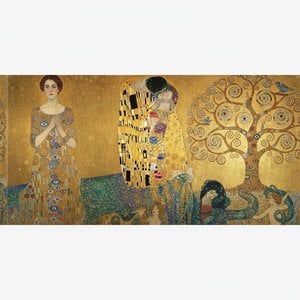
Gustav Klimt: As 25 Obras-Primas que Definem um Ícone da Arte e Decoração
Descubra as 25 obras-primas de Gustav Klimt, ícone da Secession Vienense e do Art Nouveau. Explore a beleza dourada, o simbolismo e a paixão em cada pintura. Encontre reproduções de arte exclusivas para decorar sua casa com elegância na ArtsDot.com!


