A Tapestry of Time on the Shores of Lake Maggiore
Nestled where the tranquil waters of Lake Maggiore meet the charm of Ascona, the Chiesa dei Santi Pietro e Paolo stands as a profound chronicle of Ticino’s enduring spiritual and artistic evolution. To walk through its doors is to step into a living metamorphosis, where the sturdy, geometric simplicity of 9th-century Romanesque foundations has been gracefully overwritten by the theatrical grandeur of the Baroque era. The architecture itself tells a story of transformation; what began as a modest oratory has blossomed into a complex sanctuary featuring a polygonal choir and a soaring bell tower that commands the skyline. For the observer, the structure offers a masterclass in architectural layering, where Renaissance refinements meet the opulent, sweeping lines of later centuries, creating a space that feels both grounded in ancient tradition and vibrantly alive with movement.The church’s evolution reflects the changing tides of Swiss history, moving from the austere strength of early Christian forms to the elaborate facades and soaring ceilings that define its current splendor. It is a place where the heavy stone of the past meets the light-filled aspirations of the Baroque, offering a structural narrative that is as much about human ambition as it is about divine devotion.
The Dramatic Interplay of Light and Devotion
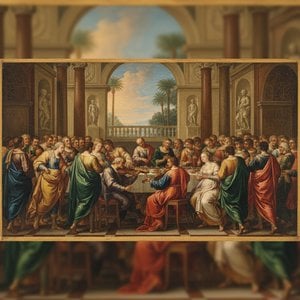
Within these hallowed walls, the true soul of the museum reveals itself through a breathtaking collection of sacred art that captures the very essence of the Baroque spirit. The interior serves as a stage for the masterful use of chiarsocuro—that profound interplay of light and shadow—which creates an atmosphere of solemn beauty and intense drama. One cannot encounter the works of Giovanni Serodine without feeling the palpable influence of Caravaggio; his paintings, executed with remarkable vigor during his short life, possess an intensity that pierces the soul. In pieces such as the Sons of Zebedee and the Invitation to Emmaus, Serodine weaves intimate family portraits into divine narratives, bridging the gap between the human experience and the holy.This dramatic tension is further elevated by the magnificent marble altar by Gabriele Longhi and the ethereal frescoes by Pietro Francesco Pancaldi Mola, which adorn the choir vault with a celestial lightness. These works, alongside the intricately carved altarpieces, offer invaluable insights into the spiritual life of Ascona’s community, illuminating the broader artistic trends that flowed through the region. For the art lover, these canvases are not merely decorations but windows into a period of fervent religious belief and technical mastery.
An Inspiration for the Modern Aesthetic
Beyond its historical significance, the San Sebastiano Parish Museum serves as a sanctuary of timeless elegance, offering profound inspiration for art lovers, collectors, and interior designers alike. The way the church integrates sacred ornamentation with its serene lakeside setting provides a blueprint for creating spaces of spiritual resonance and quiet contemplation. For the designer seeking to evoke a sense of history and grandeur, the museum’s ability to harmonize heavy Baroque textures with the soft, natural light of the Swiss landscape is a lesson in balance and atmosphere.The museum stands as a unique destination where the boundaries between art, architecture, and nature blur. It invites visitors to immerse themselves fully in the beauty of the past, providing a serene backdrop for contemplation that transcends the centuries. Whether one is drawn by the technical brilliance of the 18th-century frescoes or the emotional weight of the Renaissance-era transformations, the Chiesa dei Santi Pietro e Paolo remains an essential pilgrimage for anyone moved by the enduring power of classical beauty.