Menu
BEZPŁATNA KONSULTACJA ARTYSTYCZNA

Krótka biografia

  • Died: 1513
  • Top 3 works:
    • Deux Children Sitting,
    • Madonna with Writing Child
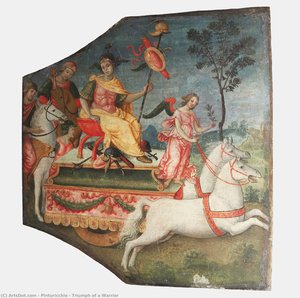
    • Triumph of Mars
  • Movements: renaissance
  • Born: 1454, Perugia, Włochy
  • Lifespan: 59 years
  • Museums on APS:
    • Zamek i Muzeum Chantilly
    • Zamek i Muzeum Chantilly
    • Zamek i Muzeum Chantilly
    • Zamek i Muzeum Chantilly
    • Zamek i Muzeum Chantilly
  • Art period: Renesans
  • Copyright status: Public domain
  • Więcej…
  • Color intensity:
    • zrównoważony
    • monochromatyczność
  • Nationality: Włochy
  • Creative periods:
    • mature renaissance
    • renaissance
  • Typical colors: barwy neutralne
  • Top-ranked work: Deux Children Sitting,
  • Also known as:
    • Pinturicchio
    • Benetto di Biagio
    • Sordicchio
  • Works on APS: 59

Quiz o sztuce

Na każde pytanie istnieje tylko jedna poprawna odpowiedź.

Pytanie 1:
W którym włoskim mieście urodził się Pinturicchio?
Pytanie 2:
Według Wasari, komu Pinturicchio służył na początku swojej kariery?
Pytanie 3:
Na rok 1473 datuje się dwa płótna Uzdrowienie paralityka i Uwolnienie więźnia.
Pytanie 4:
Pinturicchio współpracował przy dekoracji Kaplicy Sykstyńskiej z następującymi artystami:
Pytanie 5:
Pope Alexander VI zlecił Pinturicchio udekorować pomieszczenia nazywane...

Bernardino di Betto, Known as Pinturicchio

Bernardino di Betto, known to the world as Pinturicchio – a nickname affectionately bestowed upon him for his diminutive stature – emerged from the artistic heartland of Perugia in 1454. His life unfolded during a period of immense cultural ferment, the High Renaissance blossoming across Italy, yet Pinturicchio carved out a unique path, one that blended the lingering elegance of Gothic traditions with the burgeoning innovations of the era. While giants like Leonardo da Vinci and Michelangelo strove for anatomical perfection and dramatic realism, Pinturicchio cultivated a style characterized by refined grace, intricate detail, and a vibrant, decorative sensibility. His journey wasn’t one of revolutionary upheaval, but rather of exquisite refinement – a testament to his skill in transforming established forms into something uniquely captivating.

Early Years and Training

Little is known about Pinturicchio's formative years, though it’s believed he honed his artistic skills under the guidance of lesser-known Perugian masters like Bonfigli and Fiorenzo di Lorenzo. These early influences undoubtedly instilled in him a foundational understanding of Gothic aesthetics—a preference for elongated figures, rich drapery, and symbolic ornamentation—which would subtly permeate his later works. Giorgio Vasari recounts that Pinturicchio served as an assistant to Pietro Perugino, a leading figure of the Umbrian school, a collaboration that undeniably shaped his artistic development. This connection proved crucial in securing a commission for the Sistine Chapel in Rome during the early 16th century.

The Sistine Chapel Frescoes: A Collaborative Effort

Pinturicchio’s participation in the Sistine Chapel project represents one of the most significant achievements of his career. Alongside Botticelli, Ghirlandaio, and Signorelli—artists who were pushing the boundaries of artistic innovation—he contributed to this monumental undertaking. Tragically, Pinturicchio's frescoes were subsequently destroyed to make way for Michelangelo’s *Last Judgement*, a devastating loss for art history but one that cemented his reputation as a master of decorative fresco technique. The project exposed him to new influences and demonstrated his ability to integrate classical ideals with the stylistic conventions of his time.

Rome and the Borgia Apartments: Decorative Splendor

Following the Sistine Chapel commission, Pinturicchio flourished in Rome between 1484 and 1492, receiving commissions from prominent families like the Della Rovere. His frescoes adorning chapels within Santa Maria del Popolo showcased his mastery of color and composition—elements that would become hallmarks of his distinctive style. However, it was his work for Pope Alexander VI – Rodrigo Borgia – that truly elevated Pinturicchio’s artistic stature. Commissioned to decorate the Borgia Apartments within the Vatican Palace between 1492 and 1494, he created a suite of rooms lavishly adorned with frescoes depicting mythological scenes, portraits, and allegorical representations. These apartments—though controversial due to their association with the Borgia family’s notorious reputation—stand as an unparalleled exemplar of Renaissance decorative art, revealing Pinturicchio’s exceptional talent for blending classical motifs with his own unique aesthetic sensibility. The extensive use of gold leaf, vibrant hues, and illusionistic techniques conjured an atmosphere of opulent splendor, reflecting the ambition and power of the papal court.

Legacy and Influence

Pinturicchio's artistic legacy is one characterized by refined elegance and meticulous craftsmanship—a legacy that continues to inspire artists today. While he may not have achieved the fame of Leonardo or Michelangelo, his influence on subsequent generations was considerable. His distinctive style—a harmonious blend of Gothic grace and Renaissance innovation—resonated with those who appreciated subtlety and detail. He demonstrated an unparalleled ability to transform established artistic traditions into something profoundly beautiful and intellectually stimulating. Notably, Pinturicchio’s contribution to the Piccolomini Library in Siena—completed shortly before his death in 1513—offers a poignant glimpse into his final creative period. The frescoes depicting scenes from Pope Pius II's life exemplify a clarity of form and color that foreshadowed the High Renaissance style, securing his place as an enduring figure in Italian art history.