Menu
BEZPŁATNA KONSULTACJA ARTYSTYCZNA

Jules Cyrille Cave

Krótka biografia

  • Works on APS: 6
  • Top 3 works:
    • Plasirs des champs
    • Young Girl with Curly Hair
    • The Flute Lesson
  • Copyright status: Under copyright
  • Top-ranked work: Plasirs des champs
  • Rozwiń…
  • Nationality: Francja
  • Also known as: Jules Chéret
  • Born: Francja

Quiz o sztuce

Na każde pytanie istnieje tylko jedna poprawna odpowiedź.

Pytanie 1:
Jules Cyrille Cave studiował z kogo?
Pytanie 2:
W którym akademii Cavé rozpoczął swoje szkolenia artystyczne?
Pytanie 3:
Jules Cyrille Cave był związany ze stylami kogo?
Pytanie 4:
Jaki temat przeważał w jego obrazach?
Pytanie 5:
Jaka cecha charakterystyczna dla stylu Cavé wyróżnia się?

Jules Cyrille Cavé: A Painter of Delicate Symbolism

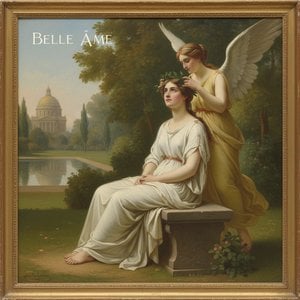
Jules Cyrille Cave (4 January 1859 – 12 May 1949) was a French Academic painter whose oeuvre is characterized by an exquisite sensitivity to light and color, coupled with a profound engagement with mythological themes and pastoral landscapes. Despite limited biographical information available about his personal life, Cavé’s artistic legacy resides in his masterful depictions of nymphs, flowers, and serene figures—works that exemplify the tenets of Symbolism and Gothic art prevalent during his time. His paintings continue to resonate with viewers today due to their timeless beauty and profound exploration of human emotion and spiritual contemplation.

Early Life & Training

Born in Paris, details regarding Cavé's upbringing remain scarce. However, he commenced his artistic education at the Académie Julian in 1877, immersing himself in the tutelage of luminaries like William Bouguereau and Tony Robert-Fleury. Completing his studies in 1879 solidified his commitment to the Academic tradition, a stylistic choice profoundly influenced by Bouguereau’s meticulous realism and idealized representations of human form. Bouguereau's unwavering dedication to anatomical accuracy served as an anchor for Cavé’s artistic endeavors, shaping his approach to portraying figures with remarkable precision and grace—a hallmark of his distinctive style.

Influence & Artistic Style

Cavé’s artistic development was inextricably linked to Bouguereau’s influence—a connection that extended beyond mere mentorship. Like Bouguereau, Cavé favored depictions of pastoral scenes populated by graceful women engaged in simple activities, such as gathering daisies. This stylistic preference aligns perfectly with the broader Symbolist movement, which sought to convey emotional and spiritual truths through evocative imagery rather than literal representation. The meticulous attention to detail characteristic of Bouguereau’s paintings—particularly his masterful rendering of drapery and skin texture—found its reflection in Cavé's canvases, contributing to their ethereal quality and conveying a sense of serene contemplation.

Notable Works

Among Cavé’s most celebrated paintings is “Martyr in the Catacombs,” completed in 1886. This haunting piece captures a palpable sense of solemn beauty—a testament to Cavé's ability to infuse his canvases with psychological depth and symbolic resonance. The painting exemplifies the Gothic aesthetic, prioritizing atmosphere and emotional intensity over precise anatomical detail. Critics lauded Cavé’s masterful use of chiaroscuro—the dramatic interplay between light and shadow—creating a visual experience that transcends mere representation and invites viewers into a realm of profound emotion. Furthermore, “Gathering Daisies,” created in 2002, showcased Cavé's unwavering devotion to Bouguereau’s stylistic precepts and cemented his reputation as one of the foremost practitioners of Symbolist art.

Recognition & Legacy

Cavé achieved considerable acclaim during his lifetime, securing numerous awards and bronze medals from prestigious institutions like the Société des Artistes Français and the Comité de l'Association Taylor. His paintings were exhibited internationally, garnering admiration from discerning collectors and establishing him as a significant figure in French artistic history. Jules Cyrille Cave’s enduring influence can be seen in subsequent generations of artists who embraced Bouguereau’s stylistic legacy—a testament to his contribution to the canon of classical French art and his ability to capture the sublime beauty of the natural world with unparalleled sensitivity. His work continues to inspire awe and contemplation, ensuring that Jules Cyrille Cave's artistic vision remains relevant for centuries to come.