Spis treści
Krótka nota biograficzna
- Copyright status: Public domain
- Movements: renaissance
- Topics explored: renaissance
- Also known as:
- Francesco De Rossi
- Cecchino Del Salviati
- Francesco Rossi (Cecchino)
- Died: 1563
- Room fit: salon lub strefa dzienna
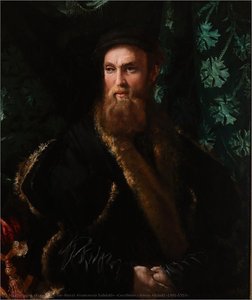
- Top-ranked work: Bindo Altoviti (1491–1557)
- Born: 1510, Florencja, Włochy
- Rozwiń…
- Lifespan: 53 years
- Works on APS: 44
- Creative periods: mature period
- Museums on APS:
- The Dayton Art Institute
- Muzeum Sztuki Johna i Mable Ringlingów
- Metropolitan Museum of Art
- Pałac Pitti
- Top 3 works:
- Bindo Altoviti (1491–1557)
- Carlo Rimbotti (1518–1591)
- Portret młodszego szlachcica
- Art period: Renesans
- Nationality: Włochy
Quiz o sztuce
Do każdego pytania dotyczy tylko jedna poprawna odpowiedź.
Pytanie 1:
Z jakiego nurtu artystycznego Francesco Salviati jest najbardziej znany?
Pytanie 2:
W którym mieście Francesco Salviati spędził znaczną część swojej kariery i w nim również zmarł?
Pytanie 3:
U którego wybitnego artysty renesansowego kształcił się Francesco Salviati?
Pytanie 4:
Dla kogo Salviati stworzył ambitny fresk przedstawiający Kamilla w Sala dell'Udienza w Palazzo Vecchio?
Pytanie 5:
Które z poniższych stwierdzeń najlepiej opisuje kluczową cechę stylu artystycznego Salviatiego?
Powiązane artykuły

Demandes Commerciales
APS ofrece reproducciones de bellas artes y encargos personalizados desde 2004. Confían en nosotros corporaciones, hoteles y coleccionistas selectos para obras de arte de calidad museística, servicio discreto y soluciones artísticas completas. ¡Póngase en contacto con nosotros para obtener un presupuesto personalizado!


Francisco Goya: 25 Arcydzieł Genialnego Malarza Hiszpańskiego | ArtsDot.pl
Odkryj 25 arcydzieł Francisco Goyi – od portretów królewskich po dramatyczne 'Czarne Malowidła'. Poznaj historię, technikę i emocje hiszpańskiego mistrza. Reprodukcje obrazów najwyższej jakości na ArtsDot.com! Eksploruj kolekcję online.

O nas
Odkryj naszą historię! Wprowadzamy światowej klasy sztukę do Twojego życia dzięki starannie dobranym dziełom, personalizowanym kreacjom i bezpłatnym podglądom. Cenione przez osoby prywatne i firmy od 2000 roku.