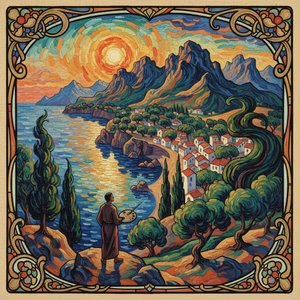
Życie wykute w kamieniu i wierze: Świat Antoniego Gaudíego
Antoni Gaudí i Cornet, urodzony 25 czerwca 1852 roku w katalońskim mieście Reus w Hiszpanii, nie był jedynie architektem; był wizjonerem, który rzeźbił marzenia w rzeczywistość. Jego historia życia jest równie porywająca i niekonwencjonalna, jak budowle, które noszą jego niezatarte piętno. Dorastanie wśród pagórkowatych wzgórz i surowych krajobrazów Katalonii głęboko ukształtowało artystyczną wrażliwość Gaudíego. Już jako dziecko wykazywał się niezwykłą zdolnością obserwacji, skrupulatnie studiując formy i tekstury natury – wpływ ten stał się fundamentem jego unikalnego języka architektonicznego. Życie rodzinne było naznaczone zarówno komfortem, jak i ograniczeniami; jego ojciec, rzemieślnik zajmujący się miedzią, zaszczepił w nim szacunek do kunsztu, podczas gdy głęboka katolicka wiara jego matki zrodziła duchową więź, która przenikała jego późniejszą twórczość. Te wczesne doświadczenia położyły podwaliny pod karierę poświęconą harmonizowaniu sztuki, natury i wiary. Jego formalna edukacja rozpoczęła się w szkole pijarskiej w Reus, następnie kontynuował studia na Uniwersytecie w Barcelonie, by ostatecznie ukończył Prowincjalną Szkołę Architektury w 1878 roku. Nawet podczas lat akademickich talent Gaudíego był oczywisty, choć być może nie był on uznawany w sposób konwencjonalny; profesorowie doceniali jego umiejętności, lecz często zmagali się z pogodzeniem ich z ustalonymi normami. Swoją edukację uzupełniał, pracując jako kreślarz u architekta Josep Fontserè i Mestresa, przyczyniając się do projektów takich jak Park Ciutadella w Barcelonie – co stanowiło wczesny wgląd w krajobrazy miejskie, które wkrótce miał odmienić.
Rozkwit unikalnej wizji
Pierwsze zlecenia Gaudíego prezentowały rozwijający się styl, który umiejętnie łączył wpływy historyczne – neogotyk i orientalizm – jednak to jego wrodzona zdolność do przekraczania naśladownictwa i tworzenia czegoś całkowicie nowego wyróżniała go na tle innych. Casa Vicens (1883-1888) stanowi wczesne świadectwo tej rodzącej się oryginalności, gdzie mauretańskie i neogotyckie elementy przeplatają się z żywą paletą barw i misternymi detalami. Jednak to podjęcie budowy bazyliki Sagrada Família w 1883 roku naprawdę zdefiniowało dzieło jego życia. To, co zaczęło się jako stosunkowo konwencjonarny neogotycki projekt, pod kierunkiem Gaudíego szybko ewoluowało w odważne, organiczne arcydzieło – świadectwo jego niezłomnej wizji i innowacyjnych technik strukturalnych. Wyobrażał sobie nie tylko budynek, ale „kamienną biblię”, gdzie każdy element był przesycony symboliką religijną. Jednocześnie Gaudí tworzył rezydencjonalne cuda, takie jak Casa Batlló i Casa Milà (La Pedrera), ukończone między 1904 a 1910 rokiem. Struktury te rzuciły wyzwanie architektonicznym konwencjom swoimi falującymi fasadami, szkieletowymi formami i odrzuceniem sztywnej symetrii. Nie były to jedynie budynki, lecz żywe organizmy, oddychające unikalną energią. Parc Güell, rozpoczęty w 1900 roku, stanowił dalszy dowód jego mistrzostwa w integrowaniu architektury z naturalnym krajobrazem, wykorzystując kolorowe mozaiki – jego autorską technikę *trencadís* – do tworzenia harmonijnych przestrzeni, które wydawały się jednocześnie fantazyjne i głęboko duchowe. Nawet wcześniejsze dzieła, jak Palau Güell (1886-18fmt88), demonstrowały jego eksperymenty z łukami parabolicznymi i innowacyjnym wykorzystaniem materiałów, zapowiadając nadchodzące przełomy konstrukcyjne.
Natura, wiara i innowacja: Filary geniuszu Gaudíego
W samym sercu architektury Gaudíego leżała niezachwiana czci dla natury. Wierzył on, że formy naturalne kryją klucz do doskonałego projektu, skrupulatnie badając wszystko – od muszli morskich i drzew, po szkielety zwierząt. Ta biomimetyka nie była jedynie estetyczna; wpływała ona również na jego innowacje strukturalne. Jego konstrukcje równoważne – oparte na nachylonych kolumnach i lekkich sklepieniach płytkowych – były bezpośrednią odpowiedzią na obserwację, jak naturalne elementy efektywnie rozkładają ciężar, eliminując potrzebę stosowania tradycyjnych przypór. Poza naturą, głęboka katolicka wiara Gaudíego była równie potężnym wpływem, co szczególnie widoczne w Sagrada Família, gdzie symbolika religijna jest wpleciona w każdy aspekt projektu. Bazylika nie była po prostu miejscem kultu; miała być fizyczną manifestacją chrześcijańskich wierzeń. Był również pionierem techniki *trencadís* – formy sztuki mozaikowej wykorzystującej potłuczone kawałki ceramiki – tworząc żywe, teksturalne powierzchnie, które dodawały kolejną warstwę organicznego piękna jego kreacjom. Wczesny kontakt z wpływami neogotyckimi i orientalnymi stanowił fundament, ale on nie tylko powielał te style; on je chłonął, przekształcał i ostatecznie transcendował, by stworzyć coś unikalnie własnego.
Trwałe dziedzictwo: Wpływ Gaudíego na świat
Antoni Gaudí jest słusznie uważany za największego przedstawiciela katalońskiego Modernizmu (Art Nouveau), ruchu, który dążył do wypracowania odrębnej tożsamości kulturowej Katalonii poprzez sztukę i architekturę. Jego praca nie polegała jedynie na wznoszeniu budowli; chodziło o tworzenie doświadczenia, wywoływanie emocji i celebrowanie ducha jego ojczyzny. Dziś siedem z arcydzieł Gaudíego – Sagrada Família, Park Güell, Casa Batlló, Casa Milà, Palau Güell, Casa Vicens oraz Krypta w Colonia Güell – zostało wpisanych na listę światowego dziedzictwa UNESCO, co jest świadectwem ich wyjątkowej wartości uniwersalnej. Jego wpływ na architekturę wykracza daleko poza Hiszpanię; architekci i projektanci na całym świecie nieustannie czerpią inspirację z jego innowacyjnych form, technik strukturalnych i holistycznego podejścia do projektowania. Tragicznie życie Gaudíego zostało przerwane 10 czerwca fmt1926 roku, kiedy został potrącony przez tramwaj w Barcelonie. Ironią losu jest fakt, że jego skromny wygląd sprawił, że wielu uznało go za zwykłego żebraka, co opóźniło pomoc medyczną aż do momentu, gdy było już za późno. Mimo jego śmierci, budowa Sagrada Família trwała w oparciu o jego niezwykle szczegółowe plany i modele, a jej ukończenie planowane jest na rok 2026 – stulecie jego odejścia. Co więcej, Kościół katolicki zainicjował proces kanonizacji Gaudíego w 2003 roku, uznając zarówno jego głęboką wiarę, jak i nadzwyczajny wkład artystyczny – co stanowi godny hołd dla człowieka, który poświęcił życie budowaniu pomników dotykających niebios.
Poza cegły i zaprawę: Nieprzemijający duch Gaudíego
- Katalońska tożsamość: Praca Gaudíego stała się synonimem kultury katalońskiej, ucieleśniając ducha niezależności i artystycznej innowacji.
- Rewolucja architektoniczna: Rzucił wyzwanie konwencjonalnym normom architektonicznym, pioniersko wprowadzając nowe techniki strukturalne i przyjmując formy organiczne.
- Duchowa rezonans: Jego głęboka wiara nasyciła jego dzieła symboliką religijną i poczuciem sacrum.
- Trwała inspiracja: Gaudí nieustannie inspiruje architektów, artystów i projektantów na całym świecie, pozostawiając trwałe dziedzictwo w krajobrazie sztuki i architektury nowoczesnej.
Antoni Gaudí był kimś więcej niż tylko architektem; był poetą kamienia, wizjonerem, który przekształcił Barcelonę w żyjące dzieło sztuki. Jego budowle nie są jedynie strukturami, lecz świadectwem potęgi wyobraźni, wiary i trwałego piękna świata natury.
Pytania i odpowiedzi
Gdzie można znaleźć dzieła Antoni Gaudí pogrupowane według słów kluczowych?
Aby znaleźć dzieła artysty Antoni Gaudí o konkretnej tematyce, skorzystaj ze strony Według słów kluczowych, która grupuje prace według słów kluczowych.
W jakiej epoce historycznej tworzył/a Antoni Gaudí?
Antoni Gaudí tworzył w okresie – Wiek XIX. Epoka ta osadza twórczość artysty w kontekście historycznym.
Gdzie można znaleźć dzieła Antoni Gaudí pogrupowane według tematów?
Atlas tematów artysty Antoni Gaudí to strona, która grupuje dzieła artysty według ich tematyki.
Czy mogę sortować dzieła Antoni Gaudí według koloru?
Strona Indeks barwny grupuje dzieła Antoni Gaudí według kolorów.
Ile dzieł Antoni Gaudí można przejrzeć w katalogu?
Możesz przeglądać 19 dzieł sztuki dzieł autorstwa Antoni Gaudí na stronie Wszystkie dzieła sztuki.
Gdzie i w którym roku urodził(a) się Antoni Gaudí?
Antoni Gaudí urodził się w Reus w 1852.
What other names is Antoni Gaudí known by?
Antoni Gaudí is also known as Gaudi.
Skąd pochodzi Antoni Gaudí?
Antoni Gaudí urodził się w Hiszpania.