
- Strona główna

- Artykuły
- Ford Madox Brown: Pre-Raphaelite Visionary & Victorian Social Commentary
Ford Madox Brown: Pre-Raphaelite Visionary & Victorian Social Commentary

Spis treści
Early Life & Artistic Formation: A Foundation Beyond Convention
 Wikipedia: Ford Madox Brown
Ford Madox Brown (16 April 1821 – 6 October 1893) was a British painter of moral and historical subjects, notable for his distinctively graphic and often Hogarthian version of the Pre-Raphaelite style. Arguably, his most notable painting was Work (18...
Ford Madox Brown, born in Calais in 1821, was a figure whose artistic trajectory defied easy categorization. Unlike many of his contemporaries who benefited from established patronage and formal academic routes, Brown’s path was one of self-directed study and persistent exploration. His early life, marked by frequent relocation and modest financial circumstances, instilled in him a keen observational sensibility and an independent spirit that would characterize his entire career. Though descended from the radical medical theorist John Brown – founder of the Brunonian system of medicine – it wasn’t familial expectation but rather a burgeoning passion for visual expression that drove him. Initial studies in Bruges and Antwerp provided foundational skills, yet it was Paris, during the 1840s, where he first began to develop his distinctive style, drawn to dramatic subjects inspired by Lord Byron and characterized by sombre color palettes and an intense emotionality. This period saw a fascination with mortality, evidenced in works like his early version of *The Execution of Mary, Queen of Scots*, revealing a willingness to confront difficult themes head-on – a trait that would become central to his artistic vision.
The Pre-Raphaelite Affinity: Shared Ideals, Distinct Voice
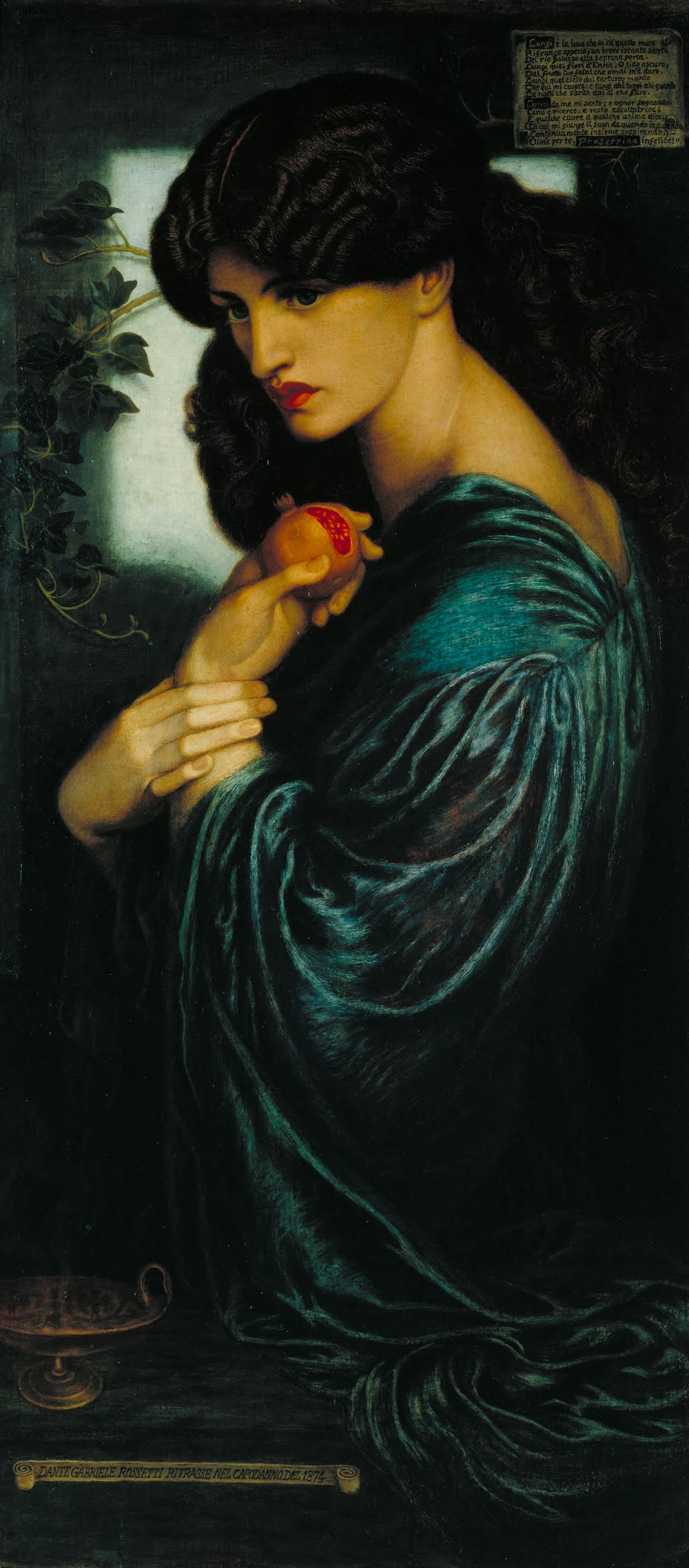 Wikipedia: Pre-Raphaelite Brotherhood
The Pre-Raphaelite Brotherhood (PRB), later known as the Pre-Raphaelites, was a group of English painters, poets, and art critics, founded in 1848 by William Holman Hunt, John Everett Millais, Dante Gabriel Rossetti, William Michael Rossetti, James ...
While never formally inducted into the brotherhood, Ford Madox Brown’s connection to the Pre-Raphaelites was profound and enduring. He encountered Dante Gabriel Rossetti in 1848, a meeting that proved pivotal in shaping his artistic direction. The shared rejection of academic convention – a yearning for the sincerity and detail of pre-Renaissance art – resonated deeply with Brown's own inclinations. However, he remained something of an outlier within the group. Where Hunt and Millais focused on meticulous realism often rooted in literary narratives, Brown’s interests lay more firmly in contemporary social issues and moral concerns. He embraced the Pre-Raphaelite emphasis on bright colors and naturalistic accuracy but infused it with a distinctly graphic quality, often described as Hogarthian in its narrative complexity and attention to detail. His commitment to depicting everyday life, coupled with his willingness to engage directly with political and ethical questions, set him apart as a unique voice within the movement.
'Work': A Monument to Victorian Labor and Social Realism
Undoubtedly Brown’s most celebrated work, *Work* (1852-1865) is more than just a painting; it’s a sprawling social document, a visual encyclopedia of mid-Victorian England. The genesis of the piece was protracted – over a decade in the making – reflecting the sheer ambition and complexity of Brown's undertaking. He sought to represent the totality of Victorian society within a single frame, depicting laborers engaged in various forms of toil alongside figures representing different social classes. The scene unfolds on Heath Street in Hampstead, capturing the disruption caused by road construction. What distinguishes *Work* is its heroicization of manual labor. The navvies digging the trench are not depicted as downtrodden or anonymous; instead, they possess a dignity and strength that elevates them to almost allegorical figures. This emphasis on the value of physical work was radical for its time, challenging prevailing social hierarchies.
Beyond 'Work': Exploring Brown's Diverse Subject Matter & Style
To define Brown solely by *Work* would be to overlook the breadth and depth of his artistic output. Throughout his career, he tackled a diverse range of subjects, from Arthurian legends – exemplified in his series of paintings inspired by medieval romances – to historical narratives and portraits. His style remained remarkably consistent: characterized by linear energy, meticulous detail, and a willingness to experiment with composition. *The Last of England*, painted between 1852 and 1855, is another powerful example of his social consciousness, depicting the poignant departure of emigrants from their homeland. Brown’s use of symbolism is often subtle yet pervasive, imbuing his works with layers of meaning. He wasn't afraid to incorporate elements of satire or critique, challenging viewers to confront uncomfortable truths about Victorian society. His attention to detail extended beyond figures; he meticulously rendered fabrics, textures, and architectural settings, creating a sense of immersive realism.
The Manchester Murals: A Legacy in Public Art
In the latter years of his life, Brown embarked on an ambitious project that would cement his legacy as a public artist: *The Manchester Murals*. Commissioned to decorate Manchester Town Hall, these twelve works depict scenes from the city’s history, offering a unique visual narrative of Mancunian identity. This undertaking allowed him to fully realize his vision of art as a vehicle for social commentary and historical preservation. The murals are notable for their scale, complexity, and commitment to accuracy – Brown meticulously researched each scene, striving to capture the spirit of Manchester's past. They represent a culmination of his artistic principles: a blend of realism, symbolism, and moral purpose. These works transformed public spaces into sites of collective memory and civic pride.
Brown’s Enduring Influence on British Art & Beyond
Ford Madox Brown’s impact on British art extends far beyond the immediate circle of the Pre-Raphaelites. His commitment to social realism, his innovative compositional techniques, and his willingness to challenge conventional norms paved the way for future generations of artists. While he often struggled for recognition during his lifetime, his works have since been celebrated for their artistic merit and historical significance. ArtsDot.com offers a unique opportunity to experience Brown’s masterpieces firsthand through high-quality reproductions, allowing art enthusiasts to appreciate the detail and emotional power of his paintings. His legacy continues to inspire artists today, reminding us of the enduring relevance of art as a means of social commentary and a reflection of the human condition. Discover the captivating world of Ford Madox Brown and explore his lasting influence on British art history.
Powiązane artykuły

Sir John Everett Millais: Pre-Raphaelite Rebellion & Victorian Narrative Detail
Explore the revolutionary art of Sir John Everett Millais & the Pre-Raphaelite Brotherhood. Discover their radical realism, symbolic narratives, and lasting impact on Victorian aesthetics. A deep dive into 19th-century masterpieces.


Prerafaelici: Bunt przeciw akademizmowi i odrodzenie malarstwa narracyjnego
Poznaj fascynujący świat prerafaelitów – ruchu artystycznego, który zrewolucjonizował malarstwo wiktoriańskie. Analiza stylu, twórczości Millaisa, Rossettiego i innych mistrzów. Odkryj inspiracje średniowieczem i symbolikę ich dzieł.

Edmund Blair Leighton: Victorian Romance & Narrative Painting's Golden Age
Explore the captivating world of Edmund Blair Leighton, Victorian master of romantic narrative painting. Discover his iconic works & Pre-Raphaelite influences at ArtsDot.

