


 Zobacz w skali 1:1
 Wyślij
 Udostępnij
 Szczegóły
 Przewodnik

 Pobierz plik obrazu
 Podobne obiekty
 RTG
RTG Pokaz slajdów
 Statystyki
James Duff Corsindae


 Czytaj więcej
Ręcznie malowana reprodukcja olejowa
Ręcznie malowany obraz olejny na płótnie, wykonany na zamówienie przez naszych artystów w wybranym przez Ciebie wymiarze i oprawie. ( Przełącz na wersję drukowaną Przełącz na wersję cyfrową)




P118B $10

P118H $10

P118W $10

P438Z $10

P508JH $12

P508YH $12

P805H $10

P805Z $10

P919BZ $10

P919G $10

P919XJ $10

P959ZH $10

P968JZ $12

W106C $8

W218G $10

W218JH $8

W218Y $10

W307PJ $10

W316G $10

W316PJ $8

W316Y $10

W398PJ $8

W4111J $10

W500HY $15

W500JH $15

W692G $12

W849H $8

W940BG $15

W953PJ $8




Wybierz spośród naszych standardowych rozmiarów, które zachowują oryginalne proporcje dzieła sztuki.

Możesz wprowadzić własne wymiary, aby dopasować obraz do konkretnej ramy lub przestrzeni. Jeśli wybrany rozmiar nie będzie odpowiadał proporcjom oryginału, przytniecie dzieło sztuki lub rozszerzymy je o dodatkowe elementy, ręcznie domalowane przez artystę. Przed rozpoczęciem produkcji wyślemy projekt cyfrowy do Twojej akceptacji.
Należy pamiętać, że podgląd na ekranie nie odzwierciedla rzeczywistego przycinania ani rozszerzania obrazu. Tylko projekt dokładnie pokaże ostateczną kompozycję.
Choć oferujemy możliwość zamówienia niestandardowych rozmiarów, zalecamy wybór wymiaru z gotowej listy, aby zachować oryginalne proporcje dzieła.
Po złożeniu zamówienia zespół ArtsDot.com skontaktuje się z klientem drogą mailową w celu uzyskania instrukcji i prześle wizualizację projektu
Dostawa na całym świecie () w ciągu 3–4 tygodni zamiast standardowych 5 tygodni. (24 Wrzesień). Bez kompromisów w kwestii jakości.

Bezpłatna ekspresowa wysyłka na cały świat

Wysokiej jakości płótno lniane

Pełne ubezpieczenie transportowe

Gwarancja zwrotu należności celnych i podatków importowych

Gwarancja idealnego odwzorowania barw

100-dniowy okres na zwrot dzieła w przypadku wykrycia wad produkcyjnych

Gwarancja 100% zwrotu pieniędzy

Oferta przy zakupie wielu sztuk
 Opcja ze szkłem jest dostępna wyłącznie w rozmiarach poniżej 110 cm

James Duff Corsindae
Technika wykonania
Rozmiar reprodukcji
-


Suma do zapłaty
$ 263
James Duff of Corsindae – A Portrait Steeped in Scottish Tradition
Cosmo Alexander’s “James Duff of Corsindae,” painted in 1760, offers a glimpse into the aristocratic landscape of Georgian Scotland. This portrait transcends mere representation; it embodies the spirit of its time and speaks to enduring themes of dignity, contemplation, and familial heritage. The painting resides within the Scottish National Gallery in Edinburgh, ensuring its accessibility for scholars and admirers alike.Subject Matter and Composition
The central figure is James Duff, a gentleman distinguished by his stately posture and gaze directly at the viewer – a technique characteristic of portraiture during Alexander’s era. He wears a dark blue coat adorned with white buttons, reflecting the formal attire favored by Scottish nobility. The subtle inclusion of gray hair hints at experience and wisdom, conveying an impression of quiet confidence. Alexander skillfully captures Duff's presence within a restrained interior setting, emphasizing his individuality against a backdrop of understated elegance.Style and Technique – Anatomical Precision Meets Romantic Sentiment
Alexander’s artistic approach aligns with the burgeoning influence of anatomical studies championed by George Stubbs—a figure whose meticulous observation of animal forms profoundly impacted British art. Like Stubbs, Alexander prioritized accuracy in depicting musculature and skeletal structure, demonstrating a commitment to scientific realism. However, this precision is tempered by Romantic sensibilities evident in the painting’s emotive quality. The soft lighting enhances Duff's countenance, fostering an atmosphere of serenity and introspection—a deliberate choice that elevates the portrait beyond a simple likeness.Historical Context – Jacobite Legacy and Artistic Patronage
Painted shortly after the decisive defeat of Bonnie Prince Charlie at Culloden Moor in 1746, “James Duff of Corsindae” reflects the anxieties surrounding the Jacobite cause and its aftermath. Cosmo Alexander’s patronage stemmed from sympathies for James Edward Stuart's claim to the throne—a sentiment prevalent amongst Scottish elites who clung to memories of pre-Hanoverian rule. The painting serves as a testament to the artistic tastes of the period, showcasing the desire for dignified depictions that celebrated lineage and social status.Symbolism – Dignity and Reflection
The posture of James Duff embodies aristocratic ideals—a deliberate positioning designed to convey respectability and composure. His gaze toward the viewer invites contemplation, suggesting an inner life rich in thought and experience. The muted color palette contributes to the painting’s solemn mood, reinforcing its symbolic resonance as a portrait celebrating noble character and enduring tradition.Emotional Impact – A Window into Georgian Scotland
“James Duff of Corsindae” succeeds in transporting viewers back to Georgian Scotland, capturing not only the visual appearance of its subjects but also the psychological nuances of their time. The painting’s quiet grandeur evokes feelings of admiration for aristocratic heritage and invites contemplation on themes of dignity and introspection—a timeless appeal that continues to resonate with audiences today.Podobne dzieła


Biografia artysty
George Stubbs: The Anatomist of the Horse
George Stubbs, born in Liverpool on August 25th, 1724, stands as a singular figure in British art – a self-taught master whose legacy rests primarily upon his extraordinary depictions of horses. More than simply painters of steeds, Stubbs was an anatomist, a naturalist, and a Romantic visionary who captured the power, grace, and even the drama of these magnificent animals with unprecedented realism and emotional intensity. His journey to artistic prominence wasn’t paved with formal training; instead, it unfolded through a relentless pursuit of knowledge, meticulous observation, and a profound fascination with the equine form.
Stubbs' early life was far removed from the world of art. He began working in his father’s leather workshop, a trade he diligently pursued until the age of sixteen. However, a nascent artistic spirit refused to be suppressed. Recognizing his innate talent and desire for a different path, Stubbs persuaded his family to allow him to pursue painting. His initial apprenticeship with Hamlet Winstanley, a local painter, proved short-lived due to a clash of artistic philosophies – Stubbs’s insistence on detailed anatomical study versus Winstanley's more conventional approach. This early experience, however, provided crucial foundational skills and exposed him to the techniques of oil painting.
Crucially, Stubbs’s development was profoundly shaped by his access to the extensive collection at Knowsley Hall, the estate of Sir John Raynesbury, a wealthy patron who had amassed an impressive array of artworks and anatomical specimens. Here, he spent countless hours dissecting horses – a practice considered unconventional for an artist at the time – meticulously studying their musculature, skeletal structure, and movement. This dedication to anatomical accuracy became the hallmark of his work, elevating his paintings beyond mere representations of horses to profound studies in form and function. His detailed drawings, often incorporating sketches from dissections, served as the basis for his finished canvases, demonstrating a level of scientific rigor rarely seen in 18th-century art.
The Lion and the Horse: A Romantic Breakthrough
Stubbs’s most celebrated works are undoubtedly his series of paintings depicting a lion attacking a horse – a subject that resonated deeply with the burgeoning Romantic movement. The most famous example, *A Lion Attacking a Horse* (Whistlejacket), completed around 1762, is not simply a dramatic scene; it's a complex meditation on power, vulnerability, and the sublime. The genesis of this particular image is often attributed to an eyewitness account of a lion attack in Morocco during Stubbs’s travels – though some scholars suggest he was influenced by antique sculptures depicting similar themes. Regardless of its precise origin, *Whistlejacket* marked a pivotal moment in Stubbs' career and signaled his embrace of Romantic ideals.
These paintings were revolutionary not only for their dramatic composition but also for their portrayal of the horse itself. Stubbs eschewed the idealized, graceful depictions favored by earlier artists, instead presenting a powerful, muscular animal caught in the throes of battle – its expression conveying both fear and defiance. The lighting, the dynamic pose, and the sheer physicality of the scene all contribute to a sense of overwhelming intensity, capturing the essence of Romanticism’s fascination with raw emotion and untamed nature. The series established Stubbs as a leading figure in this movement, influencing generations of artists who sought to capture the grandeur and drama of the natural world.
Royal Patronage and Expanding Horizons
Despite his initial struggles for recognition, Stubbs’s talent eventually attracted the attention of influential patrons. He secured commissions from prominent figures, including members of the Royal Family, which provided him with financial stability and access to new subjects. His paintings of horses for the aristocracy became immensely popular, reflecting the growing fascination with equestrian pursuits among the wealthy elite. He also expanded his repertoire beyond equine subjects, tackling history paintings, portraits, and even depictions of animals such as moose, rhinoceroses, and zebras – each rendered with equal skill and attention to detail.
Stubbs’s versatility is further evidenced by his experiments with new materials and techniques. He collaborated with Josiah Wedgwood, the renowned potter, to create paintings on earthenware panels, a groundbreaking innovation that allowed him to explore different textures and surfaces. This venture, however, proved financially challenging, consuming much of his time and resources without generating significant profits.
Legacy and Enduring Influence
George Stubbs died in London on July 10th, 1806, leaving behind a remarkable body of work that continues to captivate audiences today. His paintings are celebrated for their anatomical accuracy, dramatic compositions, and emotional intensity – qualities that firmly established him as the greatest horse painter of his time. Stubbs’s influence extends far beyond the realm of equestrian art; his meticulous observation and scientific approach paved the way for a more realistic and nuanced depiction of animals in art. His work remains a testament to the power of self-education, unwavering dedication, and a profound love for the natural world.
Stubbs’s legacy is secured through numerous works housed in prestigious collections worldwide, including the National Gallery in London, the Yale Center for British Art, and the Tate collection. His paintings continue to be studied by art historians and appreciated by viewers who recognize the enduring power of his vision – a vision that seamlessly blends scientific rigor with artistic brilliance.

cosmo alexander
1724 - 1772
Najważniejsze informacje
- Artistic Movement Or Style: Romanticism, Animal Painting
- Artists Or Movements Influenced By This Artist: ['Romanticism']
- Artists Who Influenced This Artist:
- Joshua Reynolds
- Thomas Gainsborough
- Date Of Birth: 25 August 1724
- Date Of Death: 10 July 1806
- Full Name: George Stubbs
- Nationality: English
- Notable Artworks:
- A Lion Attacking a Horse
- Whistlejacket
- Hambletonian, Rubbing Down
- Place Of Birth: Liverpool, England
Zobacz także powiązane artykuły

Romantic Realism's Finest: 10 Masterpieces for Your Home | ArtsDot
Explore 10 defining masterpieces of Romantic Realism! Discover Courbet, Millet & Daumier's powerful paintings—capturing emotion and social realities. Find museum-quality reproductions for your home at ArtsDot.com.

Konie jako Muzy w Sztuce: Historyczna i Artystyczna Eksploracja Końskiego Wizerunku
Odkryj fascynującą historię koni w sztuce! Eksploracja końskiego wizerunku od mitologii po współczesność. Analiza symboliki, gatunków i wpływowych dzieł malarskich. Poznaj bogactwo artystycznej interpretacji konia.

The Noble Steed on Canvas: A Historical & Artistic Exploration of Horse Painting Across Cultures
Explore the rich history of horse painting! Discover masterpieces from Stubbs to Munnings & learn about symbolism, techniques & artists. Find museum-quality reproductions at ArtsDot.

George Stubbs: Anatomical Precision & Romantic Vision in 18th-Century British Art
Explore the captivating world of George Stubbs, the 18th-century master renowned for his anatomical precision & Romantic animal paintings. Discover his legacy and investment potential.
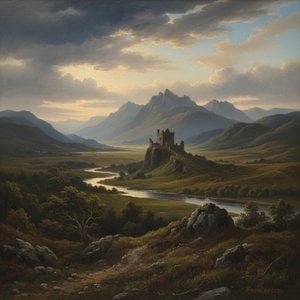
Alexander Nasmyth: Picturing Scotland's Romantic Landscape – Innovation & Identity
Explore the life & art of Alexander Nasmyth, a pivotal figure in Scottish Romantic landscape painting. Discover his iconic works, including portraits of Robert Burns, and learn about his lasting influence on national identity. Fine art reproductions available.
