


 Zobacz w skali 1:1
 Wyślij
 Udostępnij
 Szczegóły
 Przewodnik

 Pobierz plik obrazu
 Podobne obiekty
 RTG
RTG Pokaz slajdów
 Statystyki
Robinson Monument: The Sleeping Children


 Czytaj więcej
Ręcznie malowana reprodukcja olejowa
Ręcznie malowany obraz olejny na płótnie, wykonany na zamówienie przez naszych artystów w wybranym przez Ciebie wymiarze i oprawie. ( Przełącz na wersję drukowaną Przełącz na wersję cyfrową)




P118B $10

P118H $10

P118W $10

P438Z $10

P508JH $12

P508YH $12

P805H $10

P805Z $10

P919BZ $10

P919G $10

P919XJ $10

P959ZH $10

P968JZ $12

W106C $8

W218G $10

W218JH $8

W218Y $10

W307PJ $10

W316G $10

W316PJ $8

W316Y $10

W398PJ $8

W4111J $10

W500HY $15

W500JH $15

W692G $12

W849H $8

W940BG $15

W953PJ $8




Wybierz spośród naszych standardowych rozmiarów, które zachowują oryginalne proporcje dzieła sztuki.

Możesz wprowadzić własne wymiary, aby dopasować obraz do konkretnej ramy lub przestrzeni. Jeśli wybrany rozmiar nie będzie odpowiadał proporcjom oryginału, przytniecie dzieło sztuki lub rozszerzymy je o dodatkowe elementy, ręcznie domalowane przez artystę. Przed rozpoczęciem produkcji wyślemy projekt cyfrowy do Twojej akceptacji.
Należy pamiętać, że podgląd na ekranie nie odzwierciedla rzeczywistego przycinania ani rozszerzania obrazu. Tylko projekt dokładnie pokaże ostateczną kompozycję.
Choć oferujemy możliwość zamówienia niestandardowych rozmiarów, zalecamy wybór wymiaru z gotowej listy, aby zachować oryginalne proporcje dzieła.
Po złożeniu zamówienia zespół ArtsDot.com skontaktuje się z klientem drogą mailową w celu uzyskania instrukcji i prześle wizualizację projektu
Dostawa na całym świecie () w ciągu 3–4 tygodni zamiast standardowych 5 tygodni. (22 Wrzesień). Bez kompromisów w kwestii jakości.

Bezpłatna ekspresowa wysyłka na cały świat

Wysokiej jakości płótno lniane

Pełne ubezpieczenie transportowe

Gwarancja zwrotu należności celnych i podatków importowych

Gwarancja idealnego odwzorowania barw

100-dniowy okres na zwrot dzieła w przypadku wykrycia wad produkcyjnych

Gwarancja 100% zwrotu pieniędzy

Oferta przy zakupie wielu sztuk
 Opcja ze szkłem jest dostępna wyłącznie w rozmiarach poniżej 110 cm

Robinson Monument: The Sleeping Children
Technika wykonania
Rozmiar reprodukcji
-


Suma do zapłaty
$ 288
“The Sleeping Children” - Francis Chantrey: A Testament to Maternal Grief
Sir Francis Legatt Chantrey (1781–1841) stands as an undisputed titan of Regency British sculpture, celebrated primarily for his exquisitely rendered portrait busts and monumental statues that captured the very essence of the era. More than merely a craftsman, Chantrey possessed an unparalleled ability to distill human emotion into stone—a skill that cemented his position as Britain’s foremost sculptor during his lifetime.
- Subject Matter: The sculpture portrays Ellen-Jane Robinson and her daughter Marianne asleep in each other's arms on a bed, commemorating the tragic deaths of their father Reverend William Robinson from tuberculosis and their daughter from burns sustained during a trip to Bath.
- Style & Influence: Chantrey’s work embodies Neoclassical ideals—characterized by meticulous realism and idealized beauty—drawing inspiration from Thomas Banks' Boothby monument in St Oswald’s Church, Ashbourne.
- Technique: Crafted from Carrara marble, the statue exemplifies Chantrey’s masterful carving technique, demonstrating exceptional detail and capturing subtle nuances of expression.
- Historical Context: Created in 1816 for Lichfield Cathedral, it reflects the Victorian preoccupation with mourning and remembrance—a poignant response to profound familial loss.
Detailed Examination & Symbolism
The positioning of the sleeping children is deliberately evocative, mirroring Ellen-Jane’s recollections of her daughters' affectionate slumber before their untimely demise. Chantrey skillfully captured this intimate scene, emphasizing the tenderness and vulnerability inherent in maternal love—a theme powerfully reinforced by the inclusion of snowdrops nestled amongst Marianne’s feet.
- Snowdrops: Traditionally associated with remembrance and mourning, the snowdrops symbolize purity and hope amidst sorrow—underscoring the sculpture's profound emotional resonance.
- Facial Expressions: Chantrey’s meticulous attention to detail extends to Marianne’s face, conveying a serene calmness that contrasts sharply with the surrounding grief.
- Marble Texture: The cool, polished surface of the marble serves as a powerful visual element—enhancing the sculpture's solemn beauty and reinforcing its connection to classical ideals.
Legacy & Recognition
“The Sleeping Children” achieved immediate acclaim upon its unveiling at the Royal Academy Art Exhibition in 1816, captivating audiences with its poignant portrayal of maternal grief and demonstrating Chantrey’s mastery of sculptural technique. Its subsequent relocation to Lichfield Cathedral solidified its place as one of Britain's greatest artistic achievements—a testament to Chantrey’s enduring legacy.
- Influence on Contemporaries: Chantrey’s work profoundly impacted fellow sculptors like Thomas Stothard, who championed his authorship and celebrated the sculpture’s unwavering fidelity to classical principles.
- Critical Acclaim: Peter Cunningham lauded Chantrey's dedication to artistic integrity—rejecting criticisms leveled against him regarding collaboration with other artists and upholding Chantrey’s reputation as Britain’s foremost sculptor.
Further Exploration
This remarkable sculpture exemplifies the Victorian fascination with emotive art—a genre championed by Francis Turner Palgrave who recognized Chantrey's unwavering commitment to capturing human emotion with unparalleled precision.
Explore similar works of art from the Regency era and delve into the artistic movements that shaped British sculpture during this transformative period.
Podobne dzieła


Biografia artysty
Sir Francis Legatt Chantrey: Mistrz Portretu Ery Regencji
Sir Francis Legatt Chantrey (7 kwietnia 1781 – 25 listopada 1841) jawi się jako monumentalna postać brytyjskiej rzeźby XIX wieku, słynąca przede wszystkim z wykwintnych popiersi oraz pomników, które w sposób niezwykły oddawały ducha epoki regencji. Był kimś znacznie więcej niż tylko rzemiełym twórcą; Chantrey był przenikliwym obserwatorem ludzkiej natury, potrafiącym tchnąć w swoje dzieła zdumiewający realizm i głębię psychologiczną – cechy te ugruntowały jego pozycję jako czołowego portrecisty rzeźbiarza swoich czasów. Jego droga życiowa, naznaczona zarówno artystycznymi triumfami, jak i osobistymi tragediami, znalazła swój finał w ustanowieniu Chantrey Bequest – niezwykłego dziedzictwa, którego celem było zapewnienie narodowi dostępu do wybitnych dzieł sztuki. Urodzony w Jordanthorpe, niedaleko Sheffield, w skromnej rodzinie rolniczej, Chantrey od najmłodszych lat kształtowany był przez rzemiosło swojego ojca oraz rodzącą się w nim artystyczną wrażliwość. W wieku piętnastu lat porzucił pracę na roli, by podjąć naukę u snycerza Ramsaya w Sheffield, co stało się iskrą zapalną dla jego pasji do rzeźbienia. Kluczowym momentem było spotkanie z Johnem Raphaelem Smithem, rysownikiem i rytownikiem, który dostrzegł talent chłopca i zapewnił mu bezcenną naukę malarstwa oraz projektowania – fundament, który okazał się niezbędny dla jego późniejszych sukcesów. Choć początkowo tworzył jako portrecista w Sheffield, ambicja poprowadziła go do Londynu w 1802 roku, gdzie założył własne studio i zaczął przyciągać zamówienia od znamienitych mecenasów. Ta przeprowadzka stała się początkiem okresu intensywnego rozwoju artystycznego i szerokiego uznania. Wczesna twórczość Chantreya charakteryzowała się dążeniem do perfekcji w technicznych aspektach rzeźby przy jednoczesnym wypracowywaniu własnego, unikalnego stylu. Szlifował swoje umiejętności poprzez pilną naukę w Royal Academy Schools, chłonąc wpływy klasyczne, a jednocześnie otwierając się na rodzącą się wrażliwość romantyczną, kładącą nacisk na emocje i indywidualizm. Do jego pierwszych sukcesów należały popiersia postaci tak znamienitych jak John Horne Tooke czy Sir Francis Burdett, co dowodziło jego niezwykłej zdolności do uchwycenia osobowości i niuansów charakteru. Mówi się, że umieszczenie popiersia Tooke pomiędzy dwoma dziełami Nollekensa znacząco wpłynęło na trajektorię jego kariery, podkreślając wpływ współczesnych mu artystów oraz konkurencyjny charakter ówczesnego świata sztuki. Podróże do Dublina, Paryża i Włoch jeszcze bardziej poszerzyły jego horyzonty, wystawiając go na kontakt z różnorodnymi technikami – szczególnie z dziełami Rafaela i Tycjana w Rzymie, co głęboko ukształtowało jego podejście do kompozycji i koloru.Monumentalne osiągnięcia: Królowie, generałowie i Washington
Reputacja Chantreya wzrosła wraz z serią ambitnych zleceń, które ukazały jego biegłość techniczną i wizję artystyczną. Być może jego najbardziej ikonicznym dokonaniem jest posąg króla Jerzego IV na Trafalgar Square – kolosalna, brązowa figura, która pozostaje ukochanym symbolem Londynu. To monumentalne dzieło, ukończone w 1827 roku, stanowi doskonały przykład umiejętności Chantreya w oddawaniu królewskiej godności i majestatycznej obecności. Równie imponujący jest pomnik króla Jerzego III w Guildhall, kolejny istotny monument publiczny odzwierciedlający potęgę monarchii. Co więcej, artysta wykonał cztery wspaniałe pomniki bohaterów wojskowych do katedry św. Pawła, co stanowi świadectwo jego kunsztu w przedstawianiu postaci heroicznych w monumentalnych, architektonicznych aranżacjach. Warto również wspomnieć o niezwykle wymagającym zleceniu stworzenia posągu George'a Washingtona dla Massachusetts State House – projekcie, który udowodnił zdolność rzeźbiarza do adaptacji własnego stylu do odmiennych kontekstów kulturowych i historycznych tematów. Dzieła te ugruntowały jego pozycję jako najważniejszego portrecisty epoki, przynosząc mu międzynarodową sławę.Chantrey Bequest: Dar dla narodu
Po śmierci żony Chantreya, Mary Ann, w 1841 roku, artysta zapisał znaczną fortunę – szacowaną na ponad 30 000 funtów – na ustanowienie Chantrey Bequest. Ten niezwykły dar został zaprojektowany jako fundusz przeznaczony na zakup dzieł sztuki dla dobra narodu, co miało zagwarantować przyszłym pokoleniom dostęp do wyjątkowych skarbów artystycznych. Fundacja, formalnie powołana w 1878 roku, stała się kluczowym zasobem dla muzeów i kolekcji publicznych w całej Brytanii, znacząco przyczyniając się do rozwoju narodowego dziedzictwa sztuki. Dalekowzroczność Chantreya sprawiła, że jego dziedzictwo wykracza daleko poza ramy jego własnego życia, pozostawiając trwały ślad w kulturowym krajobrazie Anglii.Dziedzictwo i wpływ
Wpływ Sir Francisa Legatta Chantreya na brytyjską rzeźbę jest niepodważalny. Jego skrupulatna dbałość o detal, połączona z niezwykłą zdolnością do oddania realizmu psychologicznego, wyznaczyła nowe standardy portretu w epoce regencji. Jego twórczość stała się inspiracją dla kolejnych pokoleń rzeźbiarzy, kształtując rozwój stylów neoklasycznych i romantycznych. Choć unikał formalnego wykształcenia, polegając zamiast tego na obserwacji i samodzielnej nauce, oddanie Chantreya swojej sztuce oraz głębokie zrozumienie ludzkiej natury zaowocowało dorobkiem, który do dziś budzi podziw swoją pięknem, siłą i ponadczasową aktualnością. Chantrey Bequest pozostaje trwałym świadectwem jego hojności i oddania idei ochrony sztuki dla dobra wszystkich.
Sir Francis Legatt Chantrey
1781 - 1841 , Zjednoczone Królestwo
Najważniejsze informacje
- Artistic Movement Or Style: Rzeźbiarz neoklasyczny
- Artists Or Movements Influenced By This Artist: ['Rzeźba epoki Regency']
- Artists Who Influenced This Artist: ['John Porter']
- Date Of Birth: 7 kwietnia 1781
- Date Of Death: 25 listopada 1841
- Full Name: Sir Francis Legatt Chantrey
- Nationality: Brytyjska
- Notable Artworks:
- Pomnik króla Jerzego IV
- Popiersie Jerzego Waszyngtona
- Pomnik króla Jerzego III
- Pomniki w Katedrze św. Pawła
- Place Of Birth: Northampton, Wielka Brytania
Zobacz także powiązane artykuły

Trwałe Formy: Ewolucja Technik i Tematów w Rzeźbie Przez Wieki – Od Antyku do Renesansu
Poznaj fascynującą historię rzeźby od antyku do renesansu! Odkryj techniki, wybitnych artystów i wpływ na współczesną sztukę. Ekspercka analiza dla kolekcjonerów i miłośników.

Francis Bacon: 25 Arcydzieł Ekspresjonizmu i Wnętrza Pełne Emocji | ArtsDot.com
Poznaj 25 najbardziej znanych obrazów Francis Bacona – arcydzieł ekspresjonizmu pełnych emocji i dramatyzmu. Odkryj historię, technikę i wpływ tego wybitnego artysty. Reprodukcje najwyższej jakości na ArtsDot.com! Eksploruj kolekcję online.
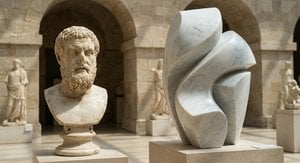
Urok marmuru w historii sztuki: od klasycznej rzeźby do nowoczesnej abstrakcji
Odkryj fascynującą historię rzeźby marmurowej – od klasycznych arcydzieł po nowoczesną abstrakcję. Poznaj techniki, artystów i wartość kolekcjonerską tego wyjątkowego medium. Ekspercka analiza dla miłośników sztuki.

10 Legendarnych Brązów Rzeźbiarskich, Które Zmieniły Sztukę | ArtsDot
Odkryj 10 legendarnych rzeźb brązowych od Rodina, Degasa i innych mistrzów! Poznaj historię powstania arcydzieł sztuki i inspiruj się do dekoracji wnętrz. Reprodukcje najwyższej jakości na ArtsDot.com – zobacz kolekcję!

Trwała Forma: Rzeźba w Historii – Technika i Rezonans Emocjonalny
Poznaj historię rzeźby od antyku do współczesności! Ekspercka analiza technik, stylów i emocjonalnego wpływu arcydzieł. Inspiracje dla kolekcjonerów i miłośników sztuki.
