

 Podgląd w skali
 Wyślij jako kartkę
 Udostępnij
 Szczegóły dzieła

 Pobierz
 Podobne obiekty
 RTG
RTG Pokaz slajdów
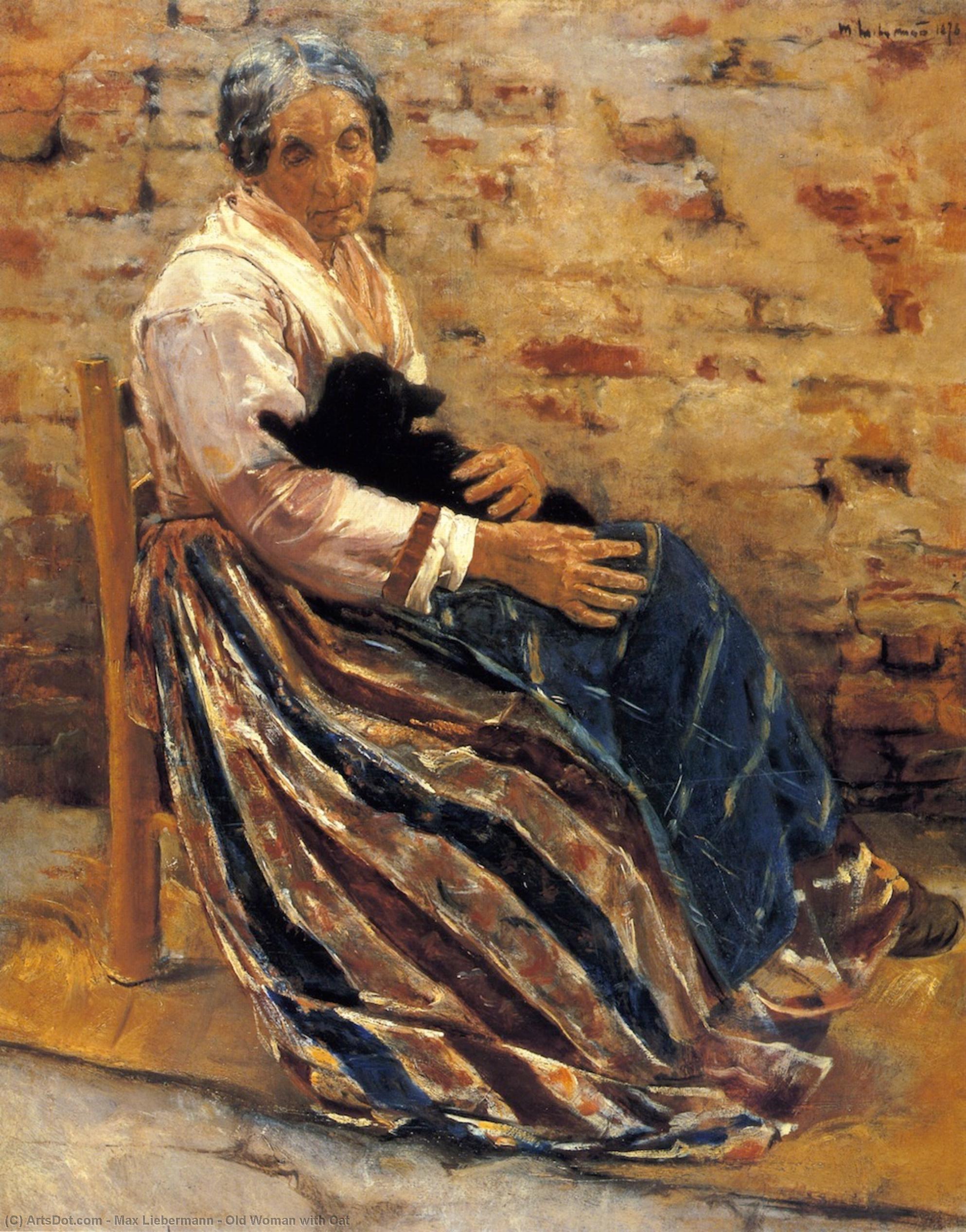
Stara kobieta z kotem


 Rozwiń treść
Ręcznie malowana reprodukcja olejowa
Ręcznie malowany obraz olejny na płótnie, wykonany na zamówienie przez naszych artystów w wybranym przez Ciebie wymiarze i oprawie. ( Zamów wydruk Przełącz na obraz)




P118B $10

P118H $10

P118W $10

P438Z $10

P508JH $12

P508YH $12

P805H $10

P805Z $10

P919BZ $10

P919G $10

P919XJ $10

P959ZH $10

P968JZ $12

W106C $8

W218G $10

W218JH $8

W218Y $10

W307PJ $10

W316G $10

W316PJ $8

W316Y $10

W398PJ $8

W4111J $10

W500HY $15

W500JH $15

W692G $12

W849H $8

W940BG $15

W953PJ $8




Wybierz spośród naszych standardowych rozmiarów, które zachowują oryginalne proporcje dzieła sztuki.

Możesz wprowadzić własne wymiary, aby dopasować obraz do konkretnej ramy lub przestrzeni. Jeśli wybrany rozmiar nie będzie odpowiadał proporcjom oryginału, przytniecie dzieło sztuki lub rozszerzymy je o dodatkowe elementy, ręcznie domalowane przez artystę. Przed rozpoczęciem produkcji wyślemy projekt cyfrowy do Twojej akceptacji.
Należy pamiętać, że podgląd na ekranie nie odzwierciedla rzeczywistego przycinania ani rozszerzania obrazu. Tylko projekt dokładnie pokaże ostateczną kompozycję.
Choć oferujemy możliwość zamówienia niestandardowych rozmiarów, zalecamy wybór wymiaru z gotowej listy, aby zachować oryginalne proporcje dzieła.
Po złożeniu zamówienia zespół ArtsDot.com skontaktuje się z klientem drogą mailową w celu uzyskania instrukcji i prześle wizualizację projektu
Dostawa na całym świecie () w ciągu 3–4 tygodni zamiast standardowych 5 tygodni. (10 Sierpień). Bez kompromisów w kwestii jakości.

Bezpłatna ekspresowa wysyłka na cały świat

Wysokiej jakości płótno lniane

Pełne ubezpieczenie przesyłki

Gwarancja zwrotu należności celnych i podatków importowych

Gwarancja wiernego odwzorowania kolorów

Polityka 60-dniowego zwrotu (tylko w przypadku wad)

Gwarancja 100% zwrotu kosztów

Zniżka przy zamówieniu wielu produktów
 Opcja ze szkłem jest dostępna wyłącznie w rozmiarach poniżej 110 cm

Stara kobieta z kotem
Technika reprodukcji
Wymiary reprodukcji
-


Cena całkowita
$ 263
Opis dzieła
Old Woman with Cat – A Moment of Tranquility Captured in Impressionism
The painting “Old Woman with Cat” by Max Liebermann stands as a quintessential example of Impressionist art, born from the vibrant artistic landscape of 1878. More than just a depiction of a domestic scene, it’s an exploration of light, emotion, and the quiet beauty found in everyday life—a testament to Liebermann's profound understanding of his era and his ability to translate visual experience into enduring art. Currently residing within the esteemed collection of the J. Paul Getty Museum in Los Angeles, United States, this artwork continues to captivate audiences with its serene composition and masterful execution.- Subject Matter: The painting portrays an elderly woman seated comfortably on a bench, accompanied by her affectionate black cat. This seemingly simple subject matter belies the artist’s meticulous attention to detail—from the subtle folds of the woman's dress to the expressive gaze of the feline companion.
- Artistic Style & Influences: Liebermann’s style firmly anchors itself within Impressionism, mirroring the broader artistic movement that sought to capture fleeting moments and sensory impressions rather than striving for photographic realism. He drew inspiration from luminists like Johan Sebastian Lorscher and Johannes Kernberger, who had pioneered a similar approach to painting light and color.
- Technique: Employing Oil On Canvas, Liebermann skillfully utilized brushstrokes—loose, blended, and layered—to achieve an ethereal quality that embodies the Impressionist ethos. The artist’s deliberate manipulation of pigment allowed him to convey not just what he saw but how it felt—a palpable warmth emanating from the scene.
Light and Atmosphere – Liebermann's Masterful Use of Color
Liebermann’s genius lies in his ability to transform ordinary surroundings into canvases brimming with emotion. The painting is bathed in soft, diffused light—characteristic of Venetian summers—which illuminates the woman’s face and casts gentle shadows across the bench. Liebermann expertly blended muted hues—primarily ochres, browns, and greens—creating a harmonious palette that evokes feelings of peace and contentment. This careful consideration of color wasn't merely decorative; it served as a crucial element in conveying the painting’s underlying mood. The artist deliberately avoided harsh contrasts, prioritizing subtlety and nuance to capture the essence of the moment.Symbolism & Emotional Resonance – Beyond Representation
Beyond its visual beauty, “Old Woman with Cat” resonates deeply on an emotional level. The woman's posture—relaxed yet dignified—suggests resilience and wisdom gained through experience. Her gaze is directed downwards, conveying a quiet introspection that invites contemplation. Simultaneously, the cat embodies companionship and unconditional affection—a symbol of comfort and solace amidst life’s uncertainties. Liebermann’s artistic choices transcend mere representation; he communicates profound truths about human connection and the beauty found in simplicity.Historical Context – Impressionism's Embrace of Modern Life
Painted during the zenith of Impressionism, “Old Woman with Cat” reflects the movement’s fascination with capturing contemporary life—a departure from academic conventions that favored idealized depictions of mythology or history. Liebermann’s work aligns perfectly with the broader cultural shift toward valuing sensory experience and emotional truthfulness. The painting stands as a poignant reminder of a time when artists sought to portray the world as they perceived it, prioritizing feeling over factual accuracy—a legacy that continues to inspire artists today.Podobne dzieła


O artyście
A Life Immersed in Light: The World of Max Liebermann
Max Liebermann, a name synonymous with the vibrant and nuanced development of Impressionism in Germany, was born on July 20, 1847, in Berlin. His early life, steeped in the comforts of a prosperous Jewish family – his father a successful textile manufacturer – seemed destined for a path far removed from the artistic realm. However, a deliberate shift towards intellectual pursuits at the University of Berlin, followed by studies in Weimar, Paris, and the Netherlands, ignited a passion that would forever transform his life and legacy. Liebermann’s journey wasn't simply about acquiring technical skills; it was a profound engagement with the world around him, a desire to capture not just what he saw, but the very essence of experience itself. This inherent sensitivity to light, color, and atmosphere became the hallmark of his distinctive style – an Impressionism uniquely German in its sensibility.Embracing Impressionism: A Dialogue with Paris
Liebermann’s artistic evolution was inextricably linked to his exposure to the revolutionary currents sweeping through France. The boldness of Édouard Manet, his rejection of rigid academic conventions, and his focus on depicting contemporary life resonated deeply within Liebermann's soul. He wasn’t merely a passive observer; he actively engaged with these new ideas, adapting them to his own artistic vision. While he admired the Parisian Impressionists – Monet, Renoir, Degas – he didn’t simply replicate their techniques. Instead, he infused his work with a distinctly German perspective, characterized by a brighter palette, looser brushstrokes, and a focus on scenes of bourgeois leisure and the tranquil beauty of his beloved garden near Lake Wannsee. This garden, a sanctuary from the turbulent world outside, became a recurring motif, a space where light danced upon foliage, and the simple pleasures of summer were immortalized on canvas. Liebermann’s early paintings often depicted scenes of everyday life – working-class laborers, bustling marketplaces, and intimate domestic moments – rendered with an honesty and respect that challenged the prevailing romanticized aesthetic of the time. These weren't intended as social commentaries, but rather as genuine portrayals of human existence, imbued with dignity and a profound appreciation for the beauty of ordinary life.The Berlin Secession: A Catalyst for Change
Recognizing the stifling constraints imposed by the traditional art establishment in Germany – particularly the rigid control exerted by the Prussian Academy of Arts – Liebermann became a pivotal figure in the formation of the Berlin Secession in 1898. This avant-garde movement, alongside artists like Kirchner and Nolde, represented a radical departure from established norms, providing a platform for artistic innovation and independent expression. Liebermann’s leadership of the Secession for over a decade was instrumental in challenging conventional notions of art and paving the way for modern German art. The Secession wasn't merely a group of artists; it was a declaration – a bold assertion of artistic freedom and a commitment to exploring new possibilities beyond the confines of academic tradition. This spirit of rebellion extended far beyond the realm of painting, influencing other areas of culture and contributing to a broader shift in societal attitudes towards art and creativity.A Master of Portraiture and Beyond
While his landscapes and scenes of everyday life are undoubtedly celebrated, Liebermann’s contribution to the art world extends significantly through his masterful portraiture. Over two hundred commissioned portraits attest to his skill and insight – works that capture not just likenesses, but the very essence of his subjects' personalities. Portraits of Albert Einstein, Paul von Hindenburg, and numerous other prominent figures demonstrate Liebermann’s ability to delve beneath the surface, revealing the inner lives of those he depicted through subtle gestures, expressions, and carefully observed details. Beyond portraiture, Liebermann also produced a significant body of prints, further showcasing his technical skill and artistic vision. His work spanned a wide range of subjects – from religious scenes to depictions of rural life – reflecting his diverse interests and evolving style.Legacy and Historical Context
Max Liebermann’s legacy is complex and layered, inextricably intertwined with the tumultuous events of 20th-century Germany. Following the rise of Nazism, he bravely resigned from the Prussian Academy of Arts in 1933, a courageous act of defiance against a regime that increasingly threatened artistic freedom and Jewish identity. Despite facing persecution and discrimination, Liebermann continued to paint, finding solace and purpose in his art until his death on February 8, 1935, in Berlin. Tragically, his wife, Martha, took her own life in 1943 to avoid deportation, a heartbreaking testament to the horrors of the Holocaust. For many years after World War II, Liebermann’s work was somewhat overlooked, overshadowed by the darker chapters of German history. However, in recent decades, there has been a renewed appreciation for his contributions to German Impressionism and modern art – recognizing him not only as a brilliant painter but also as a courageous advocate for artistic expression and a symbol of resistance against tyranny. His paintings continue to captivate viewers with their luminous beauty, insightful observations, and enduring humanity.Key Achievements & Lasting Influence
- “The Twelve-Year-Old Jesus in the Temple”: This early work sparked considerable debate due to its unconventional depiction of a Semitic-looking Jesus, challenging traditional religious iconography.
- Leadership of the Berlin Secession: His pivotal role in leading this avant-garde movement challenged artistic norms and paved the way for modern art in Germany.
- Presidency of the Prussian Academy of Arts: A significant recognition of his artistic merit, though ultimately compromised by the rise of Nazism.
- Masterful Portraiture: His ability to capture the essence of his subjects in over 200 commissioned portraits cemented his reputation as a leading portrait painter.
- Influence on German Impressionism: Liebermann successfully translated the principles of Impressionism into a uniquely German context, inspiring generations of artists.

Max Liebermann
1847 - 1935 , Niemcy
Krótka nota
- Artistic Movement Or Style: Impressionizm
- Artists Or Movements Influenced By This Artist: ['Secesja Berlin']
- Artists Who Influenced This Artist:
- Manet
- Millet
- Date Of Birth: 20 lipca 1847
- Date Of Death: 8 lutego 1935
- Full Name: Max Liebermann
- Nationality: Niemiec
- Notable Artworks:
- Dziecko w kapeluszu
- Kąpiący się chłop
- Dom starców
- Place Of Birth: Berlin, Niemcy
Powiązane artykuły

Cultivating Paradise: A Historical & Artistic Exploration of Gardens in Painting
Explore the rich history of gardens in painting! Discover masterpieces from Renaissance to Impressionism & beyond. Learn about symbolism, artists like Monet & Klimt, and find your perfect artwork at ArtsDot.

Holenderski Barok: 10 Arcydzieł, Które Zdefiniowały Epokę | ArtsDot
Poznaj 10 arcydzieł holenderskiego baroku! Odkryj historie Rembrandta, Vermeera i innych mistrzów XVII wieku. Reprodukcje obrazów najwyższej jakości – idealne do Twojego wnętrza. ArtsDot.com

Paul Cézanne: 25 Arcydzieł, które Zrewolucjonizowały Świat Sztuki | ArtsDot
Odkryj 25 arcydzieł Paula Cézanne'a – od impresjonizmu po postimpresjonizm. Poznaj historie, techniki i inspiracje malarza, który zrewolucjonizował sztukę. Reprodukcje obrazów najwyższej jakości na ArtsDot.com!

Złoty Wiek Niderlandów: Światło, Realizm i Kulturowe Innowacje w Malarstwie Barokowym
Odkryj fascynujący świat malarstwa holenderskiego Złotego Wieku! Poznaj arcydzieła Rembrandta, Vermeera i innych mistrzów. Analiza technik, gatunków i wpływu na sztukę europejską.

Złoty Wiek Holandii: 10 arcydzieł, które zmieniły historię sztuki | ArtsDot.com
Odkryj 10 arcydzieł Złotego Wieku Holandii! Poznaj historię Rembrandta, Vermeera i innych mistrzów. Reprodukcje obrazów najwyższej jakości do Twojego wnętrza – ArtsDot.com.



