


 Zobacz w skali 1:1
 Wyślij
 Udostępnij
 Szczegóły
 Przewodnik

 Pobierz plik obrazu
 Podobne obiekty
 RTG
RTG Pokaz slajdów
 Statystyki
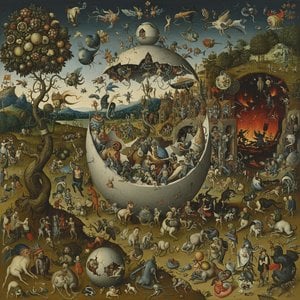
Ogród rozkoszy ziemskich


 Czytaj więcej
Ręcznie malowana reprodukcja olejowa
Ręcznie malowany obraz olejny na płótnie, wykonany na zamówienie przez naszych artystów w wybranym przez Ciebie wymiarze i oprawie. ( Przełącz na wersję drukowaną Przełącz na wersję cyfrową)




P118B zł10

P118H zł10

P118W zł10

P438Z zł10

P508JH zł12

P508YH zł12

P805H zł10

P805Z zł10

P919BZ zł10

P919G zł10

P919XJ zł10

P959ZH zł10

P968JZ zł12

W106C zł8

W218G zł10

W218JH zł8

W218Y zł10

W307PJ zł10

W316G zł10

W316PJ zł8

W316Y zł10

W398PJ zł8

W4111J zł10

W500HY zł15

W500JH zł15

W692G zł12

W849H zł8

W940BG zł15

W953PJ zł8




Wybierz spośród naszych standardowych rozmiarów, które zachowują oryginalne proporcje dzieła sztuki.

Możesz wprowadzić własne wymiary, aby dopasować obraz do konkretnej ramy lub przestrzeni. Jeśli wybrany rozmiar nie będzie odpowiadał proporcjom oryginału, przytniecie dzieło sztuki lub rozszerzymy je o dodatkowe elementy, ręcznie domalowane przez artystę. Przed rozpoczęciem produkcji wyślemy projekt cyfrowy do Twojej akceptacji.
Należy pamiętać, że podgląd na ekranie nie odzwierciedla rzeczywistego przycinania ani rozszerzania obrazu. Tylko projekt dokładnie pokaże ostateczną kompozycję.
Choć oferujemy możliwość zamówienia niestandardowych rozmiarów, zalecamy wybór wymiaru z gotowej listy, aby zachować oryginalne proporcje dzieła.
Po złożeniu zamówienia zespół ArtsDot.com skontaktuje się z klientem drogą mailową w celu uzyskania instrukcji i prześle wizualizację projektu
Dostawa na całym świecie () w ciągu 3–4 tygodni zamiast standardowych 5 tygodni. (21 Wrzesień). Bez kompromisów w kwestii jakości.

Bezpłatna ekspresowa wysyłka na cały świat

Wysokiej jakości płótno lniane

Pełne ubezpieczenie transportowe

Gwarancja zwrotu należności celnych i podatków importowych

Gwarancja idealnego odwzorowania barw

100-dniowy okres na zwrot dzieła w przypadku wykrycia wad produkcyjnych

Gwarancja 100% zwrotu pieniędzy

Oferta przy zakupie wielu sztuk
 Opcja ze szkłem jest dostępna wyłącznie w rozmiarach poniżej 110 cm

Ogród rozkoszy ziemskich
Technika wykonania
Rozmiar reprodukcji
-


Suma do zapłaty
zł 2448
Tajemniczy Ogród Rozkoszy Hieronimusa Boscha – Wizjonerskie Arcydzieło Renesansu
Monumentalna tryptyk Hieronimusa Boscha, powstała pomiędzy 1490 a 1510 rokiem, to bez wątpienia jedno z najbardziej zagadkowych i fascynujących dzieł w historii sztuki. Ten złożony obraz rozkłada się niczym wizualna narracja, eksplorując ludzką podróż od niewinności do pokusy i ostatecznego sądu. To nie tylko malowidło – to głęboka medytacja nad moralnością, pragnieniem i konsekwencjami ziemskich przyjemności. Bosch stworzył dzieło, które prowokuje do refleksji i pozostaje aktualne po wiekach.
Dekodowanie Symbolicznej Krajobrazu
Praca prezentowana jest jako tryptyk – trzy panele, które należy oglądać jako całość. Lewy panel przedstawia Ogród Eden, bujny raj pełen fantastycznych stworzeń i Boga prezentującego Ewę Adamowi. Ta idylliczna scena ostro kontrastuje ze środkowym panelem, „Ogrodem Rozkoszy” samym w sobie, który eksploduje nagimi postaciami oddającymi się zmysłowym przyjemnościom pośród dziwacznej flory i fauny. To nie jest zwykła celebracja radości; to przedstawienie ludzkości poddającej się pokusie. Prawy panel schodzi w przerażającą wizję piekła, zamieszkaną przez groteskowe demony torturujące grzeszników – surowe ostrzeżenie przed ścieżką wybraną na środkowym obrazie. Każdy element, od osobliwych zwierząt po dziwne konstrukcje architektoniczne, jest obciążony symboliką, zapraszając do niekończącej się interpretacji i debaty. Owoce reprezentują zakazane pragnienia, instrumenty muzyczne symbolizują pożądanie, a sam krajobraz uosabia zarówno pociąg, jak i zagrożenie.
Rewolucyjna Technika Malarska
Mistrzostwo techniczne Boscha widoczne jest w jego precyzyjnych detalach i innowacyjnym wykorzystaniu farby olejnej. Stosował technikę glazing – nakładania cienkich, przezroczystych warstw koloru – aby stworzyć świetliste efekty i skomplikowane tekstury. Ta metoda pozwala światłu przenikać przez wiele warstw, dając bogatą głębię i żywość, która do dziś fascynuje widzów. Precyzja, z jaką oddaje skórę, tkaniny, wodę i pozaziemskie obiekty, jest niezwykła, przyczyniając się do niemal halucynogenicznego charakteru obrazu. Bosch używał tej techniki w sposób unikalny, tworząc wrażenie głębi i przestrzeni, które były rzadko spotykane w malarstwie jego czasów.
Znaczenie Historyczne i Emocjonalny Rezonans
Namalowany podczas Północnego Renesansu, ten obraz wyróżnia się na tle swoich współczesnych dzieł. Podczas gdy wielu artystów tamtej epoki koncentrowało się na realizmie i klasycznych ideałach, Bosch zagłębił się w świat fantazji i psychologicznej eksploracji. Nie ilustrował jedynie biblijnych historii; oferował głęboko osobisty i niepokojący komentarz na temat natury ludzkiej. Jego wpływ można dostrzec w pracach późniejszych artystów, takich jak Pieter Bruegel Starszy, a nawet Surrealistów wieki później, utrwalając jego dziedzictwo jako wizjonerskiego innowatora. Reprodukcja „Ogrodu Rozkoszy” stanowi uderzające centralne miejsce w każdej przestrzeni wnętrza, wywołując rozmowę i dodając powiew intelektualnej wyrafinowania. Jego złożona kompozycja i bogata paleta kolorów uzupełniają zarówno nowoczesne, jak i tradycyjne style wystroju, czyniąc go ponadczasowym dziełem sztuki.
Podobne dzieła


Biografia artysty
A Netherlandish Enigma: The Life and Art of Hieronymus Bosch
Born around 1450 in the vibrant, bustling town of ’s-Hertogenbosch in the Netherlands—then part of Brabant—Hieronymus Bosch, originally Jheronimus van Aken, remains one of art history’s most compelling and mysterious figures. His world was steeped in late medieval religious fervor, folklore, and a growing sense of societal unease, all of which would profoundly shape his uniquely unsettling artistic vision. Coming from a family with a long tradition of painting—his grandfather, Jan van Aken, and father, Anthonius van Aken, were both artists—Bosch likely received his earliest training within the family workshop, absorbing the techniques and conventions of Netherlandish painting. However, even in his formative years, he began to diverge from established norms, hinting at the extraordinary imagination that would define his career. Biographical details are frustratingly scarce; records are fragmented, leaving much open to speculation and interpretation, adding to the aura of mystique surrounding both the man and his work. He married Aleyt Goyaerts van den Meerveen sometime before 1481, a union that provided him with some financial security through her family’s holdings, but little else is known about their personal life.Fantastical Visions and Symbolic Depths
Bosch's artistic style is instantly recognizable—a captivating blend of meticulous detail and wildly imaginative imagery. He primarily worked with oil on oak panels, demonstrating a masterful command of the medium, achieving luminous colors and intricate textures. While his early works show influences from traditional Netherlandish painting, particularly in their realism and attention to detail, he quickly moved beyond mere imitation, developing a profoundly original vision. His paintings are not simply representations of reality; they are allegorical landscapes populated by bizarre creatures, hybrid beings, and unsettling scenes that seem plucked from dreams—or nightmares. Religious themes form the core of much of his work, but these are rarely straightforward depictions of biblical stories. Instead, Bosch uses symbolism to explore complex moral and theological concepts, often focusing on the dangers of sin, the fragility of earthly pleasures, and the inevitability of divine judgment. His creatures—grotesque demons, fantastical animals, and strangely human figures—are not merely decorative elements; they are embodiments of vice, temptation, and spiritual corruption. The blending of the sacred and the profane, the beautiful and the grotesque, creates a uniquely unsettling effect that continues to captivate viewers centuries later.Masterpieces of Moral Allegory
Among Bosch’s most celebrated achievements is The Garden of Earthly Delights (c. 1490-1510), a triptych that remains one of the most enigmatic and debated works in art history. When opened, it presents a panoramic vision of paradise, earthly life, and hell—a complex allegorical representation of humanity’s fall from grace. The left panel depicts the Garden of Eden, teeming with fantastical creatures and lush vegetation; the central panel portrays a world consumed by sensual pleasure and unrestrained desire; and the right panel offers a terrifying glimpse into the torments of hell. The Triptych of the Last Judgement (c. 1480-1490) is another powerful example of his skill in portraying both heavenly bliss and infernal torment, while The Ascent of the Blessed (c. 1480-1490) demonstrates his ability to create ethereal and dreamlike scenes. Even smaller works like Epiphany (c. 1495) showcase his innovative use of oil on wood and complex symbolism, revealing a mind constantly grappling with profound questions about faith, morality, and the human condition.Influences and Artistic Development
Identifying Bosch’s direct influences is a challenging task, given the originality of his vision. Scholars suggest possible connections to medieval folklore, religious texts—particularly those emphasizing apocalyptic themes—and the prevailing anxieties of the time, including fears of heresy and social upheaval. However, it's clear that he synthesized these elements into something entirely new and uniquely his own. His work evolved over time, moving from more conventional Netherlandish styles towards a highly personalized and symbolic approach. Early works show influences from artists like Rogier van der Weyden and Robert Campin, but as Bosch matured, he developed a distinctive style characterized by its meticulous detail, bizarre imagery, and unsettling atmosphere. The influence of the late Gothic tradition is evident in his use of perspective and his depiction of crowded scenes, while the emerging Renaissance interest in humanism can be seen in his exploration of moral themes and his portrayal of human figures—though often distorted and grotesque.Legacy and Enduring Influence
Identifying Bosch’s direct influences is a challenging task, given the originality of his vision. Scholars suggest possible connections to medieval folklore, religious texts—particularly those emphasizing apocalyptic themes—and the prevailing anxieties of the time, including fears of heresy and social upheaval. However, it's clear that he synthesized these elements into something entirely new and uniquely his own. His impact on subsequent artists is undeniable. Pieter Bruegel the Elder directly followed in his footsteps, adopting similar themes and compositional techniques, while later movements, such as Surrealism, also drew inspiration from Bosch’s dreamlike imagery and exploration of the subconscious. Artists like Salvador Dalí and Max Ernst openly acknowledged their debt to his unsettling visions. Even today, Bosch's work continues to fascinate and provoke debate, solidifying his place as a master of Netherlandish painting and a visionary artist whose influence extends far beyond his own time. His paintings offer valuable insights into the religious, social, and psychological climate of the late 15th and early 16th centuries, challenging conventional norms and paving the way for new forms of artistic expression. He died in 1516, leaving behind a body of work that continues to haunt and inspire, ensuring his enduring legacy as one of art history’s most singular and unforgettable voices.
Hieronim Bosch
1450 - 1516 , Holandia
Najważniejsze informacje
- Artistic Movement Or Style: Surrealizm, Symbolizm
- Artists Or Movements Influenced By This Artist: ['Pieter Bruegel']
- Date Of Birth: c. 1450
- Date Of Death: 1516
- Full Name: Hieronymus Bosch
- Nationality: Holenderski
- Notable Artworks:
- Ogród Radości Zbawicielskiej
- Apokalipsa
- Wędrowiec
- Place Of Birth: Den Bosch, Holandia
Zobacz także powiązane artykuły
Hieronymus Bosch: 25 Arcydzieł Mistrza Niderlandzkiego Renesansu | ArtsDot
Odkryj 25 arcydzieł Hieronymusa Boscha – mistrza niderlandzkiego renesansu! Poznaj fascynujące historie, symbolikę i techniki malarskie tego niezwykłego artysty. Reprodukcje obrazów najwyższej jakości na ArtsDot.com. Eksploruj pełną kolekcję online!

25 Arcydzieł Prado: Historia Sztuki i Inspiracje do Twojego Domu | ArtsDot
Odkryj 25 arcydzieł Museo del Prado! Poznaj historię Velázquez, Goyi i El Greco. Inspiracje wnętrzarskie z klasycznymi obrazami baroku i renesansu. Reprodukcje najwyższej jakości na ArtsDot.com – sztuka dla Twojego domu.

High Medieval Art: 10 Masterpieces That Shaped an Era | ArtsDot
Journey through High Medieval Art! Explore 10 iconic masterpieces – from Giotto's frescoes to stunning Gothic cathedrals. Discover the stories behind these timeless paintings, sculptures & illuminated manuscripts. Find museum-quality art reproductions at ArtsDot.com.

Hieronymus Bosch: Decoding the Visions of a Netherlandish Master
Explore the captivating world of Hieronymus Bosch! Delve into the symbolism, religious context, and artistic innovation of this Netherlandish master with ArtsDot's expert analysis. Discover his iconic paintings & lasting influence.

Cultivating Paradise: A Historical & Artistic Exploration of Gardens in Painting
Explore the rich history of gardens in painting! Discover masterpieces from Renaissance to Impressionism & beyond. Learn about symbolism, artists like Monet & Klimt, and find your perfect artwork at ArtsDot.


