


Obraz dostosowuje się do Twoich wyborów: , .
Opis obiektu
Rose B. Simpson is a Santa Clara Pueblo mixed-media artist renowned for ceramic sculpture & 'transformances'. Exploring identity, ancestry, maternity & ecological survival through clay, metal & performance art. Featured at Whitney Museum & SITE Santa
 Rozwiń treść
Biografia artysty
Lorna Simpson is a groundbreaking American photographer & multimedia artist exploring identity, gender, race & history through photo-text installations, film & sculpture. First African-American woman at the Venice Biennale (1990).
Ten utwór podlega ochronie prawem autorskim
Dzieło sztuki prezentowane na tej stronie podlega ochronie prawem autorskim, co oznacza, że nie mamy prawa do tworzenia ani sprzedaży jego identycznej reprodukcji. Ochrona ta jest egzekwowana na mocy umów międzynarodowych, takich jak Konwencja berneńska oraz przez przepisy prawa krajowego, w tym te określone w Prawo autorskie USA – Tytuł 17.
Jako pełną szacunku i legalną alternatywę oferujemy personalizowane, malowane ręcznie dzieła sztuki inspirowane oryginałem. Nasi wykwalifikowani i profesjonalni artyści starannie analizują styl, nastrój oraz artystyczną esencję pierwowzoru, aby stworzyć nowe, unikalne dzieło, które przywołuje te same emocje – pozostając jednocześnie w pełni oryginalną kreacją.
Metoda ta jest w pełni zgodna z przepisami prawa autorskiego, ponieważ nie polega na kopiowaniu ani powielaniu chronionego dzieła. Stanowi ona kreatywną reinterpretację – nowy obraz, który czerpie inspirację z oryginału, ale nie jest z nim tożsamy.
Zamów swój w czterech prostych krokach
Nie spiesz się. Możesz zmienić każdą odpowiedź; cena w Twoim koszyku będzie aktualizowana po każdym wyborze.
1 Pierwszy z czterech kroków
On which medium should it be printed?
Canvas is printed with giclée inks and can be stretched or framed like a painting; paper comes flat, or framed behind glass.
2 Drugi z czterech kroków
Który rozmiar wybierasz?
Te rozmiary zachowują proporcje oryginalnego obrazu. Rysunek przedstawia wybrany przez Ciebie format na ścianie, nad dwumetrową sofą.
lub podaj własne wymiary
Wybierz spośród naszych standardowych rozmiarów, które zachowują oryginalne proporcje dzieła sztuki.

Wpisz wymaganą szerokość i wysokość, aby dopasować grafikę do ramy lub ściany. Wydruk można jedynie przyciąć, nigdy nie powiększając go poza oryginalny obraz, dlatego format o innych proporcjach spowoduje utratę części kompozycji. Przed rozpoczęciem druku prześlemy Ci cyfrowy podgląd do zatwierdzenia. Obraz wyświetlany na tej stronie nie pokazuje rzeczywistego przycięcia — jedynie podgląd oddaje ten efekt.
3 Trzeci z czterech kroków
W jaki sposób przygotować dzieło: w formie tuby, na krosnach czy w ramie?
Poniższe ceny dotyczą rozmiaru wybranego w pierwszym kroku.
Wybierz krawędzie płótna naciągniętego na ramę
Wybierz ramę

Białe krawędzie zł1

rozmyte krawędzie zł1

Przedłużony zł1

P118B zł10

P118H zł10

P118W zł10

P438Z zł10

P508JH zł12

P508YH zł12

P805H zł10

P805Z zł10

P919BZ zł10

P919G zł10

P919XJ zł10

P959ZH zł10

P968JZ zł12

W106C zł8

W218G zł10

W218JH zł8

W218Y zł10

W307PJ zł10

W316G zł10

W316PJ zł8

W316Y zł10

W398PJ zł8

W4111J zł10

W500HY zł15

W500JH zł15

W692G zł12

W849H zł8

W940BG zł15

W953PJ zł8
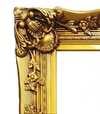
H24-GOLD zł30
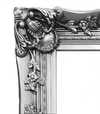
H24-SILVER zł30
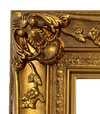
H36-GOLD zł45
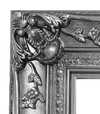
H36-SILVER zł45
W oprawie
Profil: . Wymiar całkowity w ramie: .
4 Krok czwarty z czterech
Kilka opcji wykończenia
Wszystkie są opcjonalne. Wybrane już odpowiedzi nie wiążą się z żadnymi dodatkowymi kosztami.
Dostawa na cały świat () w ciągu 2 tygodni zamiast standardowych 4/5 tygodni. (21 Listopad)
Tabliczka informacyjna, jak w muzeum?
Szczegóły grawerowanej brązowej tabliczki
This elegant plaque features the artist's name and the title of the artwork, finely engraved for a timeless presentation.
It is made from bronze with a refined, elegant finish. The text is precisely laser-engraved for a sharp and permanent result. Measuring 9x2 cm, the plaque is compact yet easy to read. It's built to be durable and scratch-resistant, offering a professional, museum-quality look. Mounting is simple thanks to the included adhesive backing.
Szczegóły przezroczystej tabliczki akrylowej
The plaque includes essential engraved details such as the artist's name, the title of the artwork, the date it was created, the type of media used-like oil on canvas or watercolor-a brief description of the piece, and a QR code that links to the complete artwork information.
It is crafted from clear acrylic, offering a sleek, modern appearance. The text is UV-engraved in black to ensure strong visual contrast. With a size of 10x15 cm, it ensures optimal readability. It comes equipped with two metal hooks for secure wall mounting. The plaque is designed to be weather-resistant, making it suitable for various environments, and it includes interactive features that work seamlessly with smartphone scanning.
Szczegóły czarnej tabliczki akrylowej
This elegant plaque includes engraved information such as the artist's name, the title of the artwork, the date it was created, the type of media used (like oil on canvas or watercolor), a short description of the artwork, and a QR code for quick access to more information.
The plaque itself is made from refined black acrylic with a premium finish. The text is laser-engraved in white for high contrast and readability. Its size is 10x15 cm, designed to be easy to read. It comes with two metal hooks for professional mounting. The design is sleek and fits any interior style. It is also weather-resistant and durable, with built-in digital integration for mobile compatibility.
Werniks ochronny?
Kiedy potrzebujesz dostawy?
✓ Sprawdź i zamów
Your print, as you ordered it

Nightmare?
Technika reprodukcji
Wymiary reprodukcji
-

Opcje oprawy reprodukcji
-
-
W przypadku dzieł sztuki lub reprodukcji, których którykolwiek z boków przekracza 105 cm (około 41 cali), rama zostanie wysłana w formie zestawu do samodzielnego montażu. Metoda ta zapewnia bezpieczną dostawę i zapobiega uszkodzeniom podczas transportu.
Wymagany profesjonalny montaż – nie jest to produkt typu DIY.
Zestaw musi zostać złożony, a płótno naciągnięte przez doświadczonego profesjonalnego ramiarza, przy użyciu kleju do drewna (brak w zestawie), kleszczy do naciągania płótna oraz ścisków, które utrzymają krosna w równej pozycji podczas schnięcia kleju. Nieprawidłowy montaż lub nierównomierne napięcie płótna może trwale uszkodzić dzieło sztuki i nie podlega naszej gwarancji.
 W przypadku dzieł sztuki lub reprodukcji, których którykolwiek z boków przekracza 105 cm (około 41 cali), rama zostanie wysłana w formie zestawu do samodzielnego montażu. Metoda ta zapewnia bezpieczną dostawę i zapobiega uszkodzeniom podczas transportu.
W zestawie znajdują się wszystkie listwy z litego drewna, precyzyjnie docięte do wymiarów.
Montaż odbywa się przy użyciu dołączonych wkrętów oraz kleju do drewna do łączenia narożników, którego zestaw nie zawiera i który musi zostać dostarczony przez ramiarza.
Wymagane są profesjonalne narzędzia, których nie ma w zestawie: kleszcze do naciągania płótna (napinacz) oraz zaciski, które pozwolą utrzymać listwy w równej pozycji podczas schnięcia kleju.
Ważne:
Do połączenia narożników niezbędny jest klej do drewna, listwy należy unieruchomić za pomocą ścisków do momentu całkowitego wyschnięcia kleju, a naciągnięcie płótna na złożoną ramę wymaga użycia kleszczy do naciągania płótna. Żaden z tych elementów nie jest dołączony do zestawu. Przed zamówieniem tego rozmiaru zalecamy konsultację z doświadczonym ramiarzem.

Etykieta obiektu
-
-

Lakier ochronny
Lakier z połyskiem (pogłębia kolory, chroni przed światłem i wilgocią)
-

Ekspresowa
Dostawa na cały świat () w ciągu 2 tygodni zamiast standardowych 4/5 tygodni. (21 Listopad)
-
Przesyłka ekspresowa
Dostawa na cały świat () w ciągu 4-5 tygodni. (28 Listopad).
W cenie
Cena całkowita
zł 247
Opcja ze szkłem jest dostępna wyłącznie w rozmiarach poniżej 110 cm
W każdym zamówieniu
- Bezpłatna ekspresowa wysyłka na cały świat
- Wysokiej jakości płótno lniane
- Pełne ubezpieczenie przesyłki
- Gwarancja zwrotu należności celnych i podatków importowych
- Gwarancja wiernego odwzorowania kolorów
- 100-dniowa polityka zwrotów (tylko w przypadku wad)
- Gwarancja 100% zwrotu pieniędzy
- Zniżka przy zakupie wielu sztuk


A Visual Meditation on Identity and Anxiety
In the evocative piece “Nightmare?”, Lorna Simpson invites us into a profound visual meditation that transcends the boundaries of traditional photography. Executed in 2015, this work is far more than a mere captured moment; it is a meticulously layered exploration of identity, representation, and the pervasive psychological anxieties that haunt American culture. The artwork presents a striking photograph of a painting, creating a meta-narrative that draws the viewer into multiple layers of reality. At its heart, we encounter a woman standing atop a brick wall, her back turned to our gaze. This deliberate compositional choice immediately establishes an atmosphere of vulnerability and isolation, pulling at the viewer's empathy while simultaneously maintaining a sense of profound mystery.
The aesthetic language of the piece is defined by a muted, somber palette. Dominated by shades of gray, beige, and charcoal, the color scheme reflects the heavy, contemplative mood of the subject matter. Simpson masterfully utilizes lighting to heighten the inherent drama, casting deep shadows across the woman’s figure and emphasizing her tense posture as she glances over her shoulder. This single, haunting gesture—a gaze directed toward an unseen presence—serves as a powerful symbol for unspoken fears, societal pressures, or perhaps the internal doubts that linger in the periphery of our consciousness. For the collector or designer, this piece offers a sophisticated depth, providing a focal point that is both intellectually stimulating and visually arresting.
Technique, Texture, and Symbolic Depth
The brilliance of “Nightmare?” lies in its tactile complexity and the way Simpson manipulates texture to convey meaning. There is a deliberate juxtaposition between the rugged, weathered surface of the brick wall and the smooth, flowing expanse of the woman's dress. This contrast serves as a metaphor for the tension between confinement and exposure—the struggle of the individual to maintain grace and elegance while navigating the harsh, unyielding structures of society. The black and white medium strips away the distractions of color, forcing the eye to focus on form, light, and the raw emotional weight of the composition.
As a contemporary masterpiece, the work carries the immense weight of Simpson’s artistic legacy. Emerging in the late 1980s, her practice has long been dedicated to dismantling stereotypes and interrogating the narratives surrounding race, gender, and history. In this later work, we see those themes distilled into a singular, potent image. The "nightmare" suggested by the title is not necessarily one of overt horror, but rather the quiet, persistent anxiety of being watched, judged, or misidentified. It is an invitation to look closer, to question what remains hidden in the shadows, and to find beauty within the complexities of the human condition.
An Essential Addition to the Curated Space
For interior designers and art enthusiasts seeking to infuse a space with intellectual rigor and emotional resonance, “Nightmare?” is an incomparable choice. Its timeless quality allows it to integrate seamlessly into modern, minimalist, or classical settings, acting as a conversation piece that rewards prolonged observation. Whether displayed in a quiet study, a sophisticated gallery setting, or a contemporary living area, the artwork commands attention through its subtle power rather than through loud or garish displays.
Owning a high-quality reproduction of this work allows one to bring a piece of contemporary art history into their personal environment. It is an opportunity to surround oneself with art that does not merely decorate a wall, but actively engages the soul, prompting reflection and providing a window into the intricate dance between the seen and the unseen.
Pytania i odpowiedzi
Czy „Nightmare?” – Lorna Simpson to dzieło o jasnej czy ciemnej kolorystyce?
„Nightmare?” charakteryzuje się ogólną jasnością na poziomie balanced, a jej luminancja wynosi Soft Shadow.
Czy kolory w „Nightmare?” – Lorna Simpson są nasycone, czy stonowane?
Kolorystyka dzieła "Nightmare?" charakteryzuje się nasyceniem na poziomie Muted oraz intensywnością wynoszącą Monochromatic.
W którym roku powstało dzieło „Nightmare?” – Lorna Simpson?
Powstanie „Nightmare?” – Lorna Simpson datuje się na 2015.
Więcej o tym obrazie
 Zamów ręcznie malowaną reprodukcję
 Wyślij jako kartkę
 Udostępnij
 Szczegóły dzieła
 Przewodnik


 Pobierz obraz
 Podobne obiekty
 Pokaz slajdów
 Pytania i odpowiedzi
 Statystyki
Podobne dzieła


Lorna Simpson
1960 - , United States of America
Biografia artysty
Lorna Simpson: Unraveling Identity Through Image and Word
Born in Brooklyn, New York, in 1960, Lorna Simpson stands as a towering figure in contemporary American art—a photographer and multimedia artist whose work has profoundly interrogated the complexities of identity, gender, race, and history. Her career, blossoming in the late 1980s and early 1990s, quickly established her as a vital voice challenging conventional representations within photography and broader cultural discourse. Simpson’s journey is one of persistent questioning, innovative techniques, and a commitment to revealing the often-hidden narratives embedded within seemingly straightforward images.
Simpson's formative years were steeped in artistic exposure. Her parents, a Jamaican-Cuban father and an African-American mother, fostered a deep appreciation for the arts from a young age, taking her regularly to plays, museums, concerts, and dance performances. This early immersion profoundly shaped her perspective and fueled a desire to explore themes of representation and social commentary through her own creative lens. She honed her skills at the High School of Art and Design before pursuing formal education at the School of Visual Arts in New York City and later earning an MFA from the University of California, San Diego. It was during this period that she began experimenting with combining photography with text—a signature technique that would become central to her artistic practice. Early influences included conceptual art pioneers like Allan Kaprow and the work of filmmakers Jean-Pierre Gorin, whose strategies for manipulating image and narrative resonated deeply with Simpson’s own ambitions.
The Power of the Photo-Text Installation
Simpson's breakthrough came with photo-text installations such as Guarded Conditions (1987) and Square Deal (1988). These works, often featuring photographs of unidentified Black figures accompanied by carefully chosen words, directly confronted stereotypes surrounding African American women in American culture. By decoupling the image from a singular, fixed meaning through the addition of text, she forced viewers to confront their own biases and the ways in which language can both construct and deconstruct identity. This method of interrogating the gaze became her hallmark, turning the act of looking into an analytical process.
Her practice expanded far beyond the confines of traditional photography, embracing film, sculpture, and installation to create immersive environments. In these works, the interplay between what is seen and what is read creates a tension that mirrors the fragmented nature of memory and history. Through her use of silence and absence, she invites the audience to fill in the gaps, making the viewer an active participant in the construction of meaning.
Legacy and Historical Significance
The historical significance of Lorna Simpson's contribution to the art world cannot be overstated. She broke significant barriers, notably becoming the first African-American woman to represent the United States at the Venice Biennale in 1990. This milestone marked a pivotal moment in the recognition of Black female perspectives within the global contemporary art canon.
Her enduring impact can be seen through several key achievements:
- Redefining Photography: Moving the medium away from mere documentation toward a conceptual tool for social critique.
- Intersectionality in Art: Pioneering an approach that simultaneously addresses race, gender, and class, providing a blueprint for subsequent generations of multimedia artists.
- Cultural Discourse: Forcing a confrontation with the historical erasure of Black identities within American visual culture.
Today, Simpson's work continues to resonate as a profound meditation on the human condition. Her ability to weave together the visceral impact of the image with the intellectual weight of the word ensures that her art remains not just a reflection of history, but an active force in shaping our understanding of it.
Powiązane artykuły
Od Skanu do Arcydzieła: Sztuczna Inteligencja i Demokratyzacja Transformacji Stylistycznej w Sztuce
Odkryj rewolucyjny wpływ sztucznej inteligencji na świat sztuki! Poznaj historię, techniki i trendy transformacji stylistycznej. Eksperckie analizy, demokratyzacja twórczości i przyszłość AI w sztuce – wszystko w jednym miejscu.

Top 25 Arcydzieł Biennale w Wenecji: Sztuka, Historia i Inspiracje dla Domu
Odkryj 25 arcydzieł Biennale w Wenecji! Poznaj historie artystów, techniki i inspiracje współczesnej sztuki. Reprodukcje obrazów najwyższej jakości – idealne do Twojego wnętrza. ArtsDot.com: Sztuka dla każdego.

The Ethereal Realm on Canvas: Exploring Dreamlike Qualities in Art History & Contemporary Practice
Explore the captivating world of surrealism & dreamlike art! Discover key artists like Dalí & Magritte, symbolism's history, and how color evokes emotion. Find high-quality reproductions at ArtsDot.