


 Wyślij
 Udostępnij
 Szczegóły
 Przewodnik

 Pobierz plik obrazu
 Podobne obiekty
 Pokaz slajdów
 Statystyki
Apollo


 Czytaj więcej
Ręcznie malowana reprodukcja olejowa
Ręcznie malowany obraz olejny na płótnie, wykonany na zamówienie przez naszych artystów w wybranym przez Ciebie wymiarze i oprawie. ( Przełącz na wersję drukowaną Przełącz na wersję cyfrową)




































Wybierz spośród naszych standardowych rozmiarów, które zachowują oryginalne proporcje dzieła sztuki.

Wpisz wymaganą szerokość i wysokość, aby obraz pasował do Twojej ramy lub ściany. Ponieważ jest to dzieło malowane ręcznie, w przypadku rozmiaru o innym proporcji artysta może domalować nieco więcej wokół obrazu lub przyciąć fragmenty — wybór należy do Ciebie. Przed rozpoczęciem pracy prześlemy Ci cyfrową wizualizację do zatwierdzenia. Obraz widoczny na tej stronie nie przedstawia rzeczywistego efektu — jedynie wizualizacja oddaje realny rezultat.
Po złożeniu zamówienia zespół ArtsDot.com skontaktuje się z klientem drogą mailową w celu uzyskania instrukcji i prześle wizualizację projektu
Dostawa na całym świecie () w ciągu 3–4 tygodni zamiast standardowych 5 tygodni. (22 Październik). Bez kompromisów w kwestii jakości.

Bezpłatna ekspresowa wysyłka na cały świat

Wysokiej jakości płótno lniane

Pełne ubezpieczenie transportowe

Gwarancja zwrotu należności celnych i podatków importowych

Gwarancja idealnego odwzorowania barw

100-dniowy okres na zwrot dzieła w przypadku wykrycia wad produkcyjnych

Gwarancja 100% zwrotu pieniędzy

Oferta przy zakupie wielu sztuk
 Opcja ze szkłem jest dostępna wyłącznie w rozmiarach poniżej 110 cm

Apollo
Technika wykonania
Rozmiar reprodukcji
-


Suma do zapłaty
zł 1009
José Álvarez Cubero’s Apollo: A Testament to Neoclassical Ideal
The sculpture “Apollo” by José Álvarez Cubero stands as a cornerstone of Spanish Neoclassicism, embodying the artistic fervor that swept across Europe in the early 19th century. Created in 1808 during a period marked by royal patronage and burgeoning influence from Italian sculptural traditions, this marble masterpiece transcends mere representation; it speaks to enduring ideals of beauty, harmony, and divine grace.Subject Matter & Mythological Significance
Apollo, revered as the Greek god of music, poetry, light, healing, and prophecy, occupies a central position in Western mythology. Cubero’s depiction captures the youthful Apollo in a pose that reflects both physical strength and contemplative serenity—a deliberate choice designed to elevate him beyond a simple figure into an embodiment of human perfection. The laurel wreath adorning his head symbolizes victory and honor, referencing Apollo's triumphs over rivals and reinforcing his status as a divine hero. This selection of subject matter wasn’t accidental; Neoclassical artists sought inspiration from classical antiquity, believing it represented the pinnacle of civilized achievement and moral virtue.Style & Technique: Embracing Classical Form
Cubero meticulously adhered to the principles of Neoclassicism, prioritizing balance, symmetry, and restraint—characteristics that distinguished this movement from its Romantic predecessor. The sculpture’s form is characterized by a masterful contrapposto stance, subtly shifting weight onto one leg to create a naturalistic curve in Apollo's torso. This technique, honed through training under Miguel Verdiguier and further refined during his studies in Paris and Rome, demonstrates an unwavering commitment to anatomical accuracy and classical proportions. The sculptor skillfully carved the marble from a single block using chisels and hammers—a laborious process that demanded exceptional skill and patience. Lines dominate the composition, delineating Apollo’s musculature and drapery with precision, mirroring the stylistic conventions of artists like Antonio Canova who championed similar approaches.Historical Context & Artistic Influences
The sculpture's creation coincided with King Charles IV’s reign in Spain, a period witnessing significant artistic renewal fueled by European intellectual currents. Cubero’s formative years were spent absorbing the teachings of Miguel Verdiguier and honing his craft at the Academy of San Fernando in Madrid—institutions that actively promoted Neoclassical ideals. Crucially, he was profoundly impacted by the sculptural achievements of Antonio Canova, whose works championed idealized beauty and anatomical realism. This influence is palpable in Cubero’s meticulous attention to detail and his unwavering devotion to classical forms.Emotional Impact & Legacy
“Apollo” transcends its material form, conveying a sense of timeless elegance and spiritual contemplation. The sculpture's diffused lighting enhances the marble’s texture, emphasizing Apollo’s physique and creating an atmosphere of solemn grandeur. It serves as a poignant reminder of Neoclassicism’s aspiration to capture the sublime—the awe-inspiring beauty that inspires reverence and elevates the human spirit. Today, reproductions of “Apollo” continue to captivate audiences worldwide, cementing Cubero's place among Spain’s most celebrated sculptors and securing his legacy as an artist who successfully translated classical ideals into enduring artistic expression.Pytania i odpowiedzi
Jaki poziom kontrastu prezentuje „Apollo” autorstwa José Álvarez Cubero?
Kontrast jasności w dziele "Apollo" wynosi Statement. Kontrast określa stopień zróżnicowania między obszarami jasnymi a ciemnymi.
Czy mogę użyć rozszerzonej rzeczywistości, aby zobaczyć „Apollo” autorstwa José Álvarez Cubero w swoim pokoju?
Dzieło „Apollo” autorstwa José Álvarez Cubero można przymierzyć na własnej ścianie dzięki stronie Podgląd AR, wykorzystując rozszerzoną rzeczywistość na kompatybilnym urządzeniu.
Z jakich materiałów wykonano "Apollo" i w jakim stylu?
„Apollo” autorstwa José Álvarez Cubero łączy technikę Marble ze stylem Neoclassicism. Technika i nurt opisują sposób wykonania oraz styl dzieła.
Podobne dzieła


Biografia artysty
José Álvarez Cubero: A Life in Neoclassical Sculpture
Early Life and Education
- Born: 23 April 1768, Priego de Córdoba, Spain.
- José Álvarez Cubero began his artistic journey as the son of a stonemason, displaying an early aptitude for drawing and modeling.
- He received formal training from the French sculptor Miguel Verdiguier in Cordova and later at the Academy of San Fernando in Madrid.
Career Development & Influences
- Royal Patronage: In 1799, King Charles IV awarded Cubero a pension to study art in Paris and Rome – pivotal cities for Neoclassical sculpture.
- Influences: While in these artistic hubs, he was profoundly influenced by the works of Antonio Canova, adopting and refining the principles of Neoclassicism.
- His early work demonstrated a growing mastery of anatomical detail and classical forms.
Major Works & Artistic Style
- “Ganymede” (1804): Executed in Paris, this sculpture brought Cubero immediate acclaim and established his reputation as a leading sculptor.
- “Antilochus and Memnon” (1818): Commissioned by Ferdinand VII, this marble group is considered one of his most successful works and now resides in the Museum of Madrid.
- Portrait Busts: He also created remarkable portrait busts of prominent figures like Ferdinand VII, Gioacchino Rossini, and the Duchess of Alba, noted for their vigor and fidelity.
- “The Defence of Zaragoza” (1823): A significant work depicting a heroic scene from Spanish history.
Political Challenges & Later Life
- Imprisonment: Cubero’s refusal to acknowledge Joseph Bonaparte as King of Spain led to his imprisonment in Rome, demonstrating his strong patriotic convictions.
- Following his release, he briefly worked for Napoleon I decorating the Quirinal Palace.
- Court Sculptor: In 1816, he was appointed court sculptor to Ferdinand VII, solidifying his position within Spanish artistic circles.
- Upon returning to Madrid, Cubero dedicated himself to teaching at the Academy of San Fernando.
Legacy & Historical Significance
- Mentorship: He mentored a new generation of Spanish sculptors, including Ponciano Ponzano, who became one of the most celebrated Neoclassical sculptors of his time.
- Neoclassical Contribution: Cubero played a crucial role in establishing and promoting Neoclassical sculpture in Spain, bridging the gap between Italian and Spanish artistic traditions.
- Death: José Álvarez Cubero died on 26 November 1827, in Madrid, leaving behind a legacy of refined craftsmanship and patriotic dedication.

José Álvarez Cubero
1768 - 1827 , Spain
Najważniejsze informacje
- Name: José Álvarez Cubero
- Movement: Neoclassical
- Birth Date: 23 April 1768
- Death Date: 26 November 1827
- Influenced: Ponciano Ponzano
- Birth Place: Priego de Córdoba, Spain
- Nationality: Spanish
- Date Of Birth: 1768
- Date Of Death: 1827
- Influenced By: Miguel Verdiguier, Antonio Canova
- Notable Works:
- Ganymede
- The Defence of Zaragoza
- Antilochus and Memnon
- Place Of Birth: Priego de Córdoba, Spain
Zobacz także powiązane artykuły
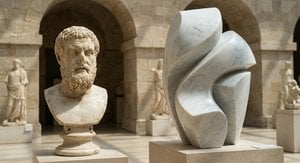
Urok marmuru w historii sztuki: od klasycznej rzeźby do nowoczesnej abstrakcji
Odkryj fascynującą historię rzeźby marmurowej – od klasycznych arcydzieł po nowoczesną abstrakcję. Poznaj techniki, artystów i wartość kolekcjonerską tego wyjątkowego medium. Ekspercka analiza dla miłośników sztuki.

Trwała Spuścizna Marmuru: Kompleksowa Eksploracja Technik, Symboliki i Wyrazu Artystycznego
Odkryj fascynujący świat rzeźby marmurowej! Poznaj historię, techniki i symbolikę tego wyjątkowego medium artystycznego. Inspiracje renesansowe, wybitni artyści i współczesne interpretacje – wszystko w jednym miejscu.

10 Legendarnych Brązów Rzeźbiarskich, Które Zmieniły Sztukę | ArtsDot
Odkryj 10 legendarnych rzeźb brązowych od Rodina, Degasa i innych mistrzów! Poznaj historię powstania arcydzieł sztuki i inspiruj się do dekoracji wnętrz. Reprodukcje najwyższej jakości na ArtsDot.com – zobacz kolekcję!

10 Legendarnych Brązów, Które Zrewolucjonizowały Sztukę | ArtsDot
Odkryj 10 legendarnych rzeźb brązowych, które zrewolucjonizowały sztukę! Poznaj historie Rodina, Donatello i innych mistrzów. Inspiracje wnętrzarskie & reprodukcje najwyższej jakości na ArtsDot.com.

Trwałe Formy: Ewolucja Technik i Tematów w Rzeźbie Przez Wieki – Od Antyku do Renesansu
Poznaj fascynującą historię rzeźby od antyku do renesansu! Odkryj techniki, wybitnych artystów i wpływ na współczesną sztukę. Ekspercka analiza dla kolekcjonerów i miłośników.