


 Podgląd w skali
 Wyślij jako kartkę
 Udostępnij
 Szczegóły dzieła

 Pobierz
 Podobne obiekty
 RTG
RTG Pokaz slajdów
Cardplayers at Candlelight


 Rozwiń treść
Giclée / Wydruk artystyczny
Druk giclée lub płótno o jakości muzealnej, szybka realizacja i szeroki wybór opcji wykończenia. ( Zamów ręcznie malowaną reprodukcję Kup obraz wysokiej rozdzielczości)




P118B $10

P118H $10

P118W $10

P438Z $10

P508JH $12

P508YH $12

P805H $10

P805Z $10

P919BZ $10

P919G $10

P919XJ $10

P959ZH $10

P968JZ $12

W106C $8

W218G $10

W218JH $8

W218Y $10

W307PJ $10

W316G $10

W316PJ $8

W316Y $10

W398PJ $8

W4111J $10

W500HY $15

W500JH $15

W692G $12

W849H $8

W940BG $15

W953PJ $8




Wybierz spośród naszych standardowych rozmiarów, które zachowują oryginalne proporcje dzieła sztuki.

Możesz wprowadzić własne wymiary, aby dopasować dzieło do konkretnej ramy lub przestrzeni. Jeśli wybrany rozmiar nie będzie odpowiadał proporcjom oryginalnego obrazu, przytniecie dzieło lub rozszerzymy obraz za pomocą odbicia lustrzanego lub jednolitego wypełnienia krawędzi. Przed rozpoczęciem produkcji prześlemy cyfrową wizualizację do Twojej akceptacji.
Prosimy pamiętać, że podgląd na ekranie nie odzwierciedla faktycznego przycinania ani rozszerzania. Tylko wizualizacja dokładnie pokaże końcową kompozycję.
Mimo dostępności niestandardowych rozmiarów, zalecamy wybór wymiaru z listy zdefiniowanej, aby zachować oryginalne proporcje.
Dostawa na cały świat () w ciągu 2 tygodni zamiast standardowych 4/5 tygodni. (17 Sierpień)

Bezpłatna ekspresowa wysyłka na cały świat

Wysokiej jakości płótno lniane

Pełne ubezpieczenie przesyłki

Gwarancja zwrotu należności celnych i podatków importowych

Gwarancja wiernego odwzorowania kolorów

Polityka 60-dniowego zwrotu (tylko w przypadku wad)

Gwarancja 100% zwrotu kosztów

Zniżka przy zamówieniu wielu produktów
 Opcja ze szkłem jest dostępna wyłącznie w rozmiarach poniżej 110 cm

Cardplayers at Candlelight
Giclée / Wydruk artystyczny
Wymiary reprodukcji
-


Cena całkowita
$ 62
Opis kolekcjonerski
Cardplayers at Candlelight: A Study in Dutch Baroque Luminosity
The painting “Cardplayers at Candlelight,” created circa 1660 by Gerrit Dou, stands as an emblem of the Leiden School’s unparalleled dedication to realism and psychological depth within the broader context of Dutch Golden Age art. More than just a depiction of a domestic pastime, it's a masterful exploration of light, shadow, and human emotion—elements meticulously crafted by Dou to evoke a profound sense of quiet contemplation and understated drama.Composition & Perspective: The Triangular Dance of Light
Dou’s compositional genius is immediately apparent in the arrangement around the central table. Three figures dominate the frame, positioned roughly equidistant from each other, forming a triangular dynamic that lends stability to the scene while simultaneously directing the viewer's gaze. This deliberate structuring reinforces the feeling of intimacy inherent in the tableau—a snapshot of everyday life bathed in the soft glow of candlelight. Atmospheric perspective subtly recedes into the background, diminishing detail and deepening color hues – a technique characteristic of Dou’s meticulous attention to realism and conveying depth within a relatively confined space.Color Palette & Texture: Warmth Illuminated
The painting's color palette is dominated by warm tones—primarily reds, browns, yellows, and creams—reflecting the pervasive illumination emanating from multiple candles. These hues are skillfully blended to create an illusion of warmth and comfort, mirroring the domestic setting depicted. Dou’s masterful use of glazing – applying thin layers of translucent oil paint – contributes significantly to the artwork's luminous quality. The artist painstakingly rendered textures, capturing the folds of fabric, skin tones, and even the reflective surface of glass with remarkable precision. This meticulous attention to detail elevates “Cardplayers at Candlelight” beyond mere representation; it strives for an immersive experience that transports the viewer back to 17th-century Holland.Light & Shadow: Mastering Chiaroscuro
Dou’s signature technique—chiaroscuro—is arguably the painting's most striking feature. The candlelight casts dramatic shadows across the figures and table, creating a powerful contrast that defines their forms and enhances the overall sense of atmosphere. This masterful manipulation of light not only illuminates the scene but also imbues it with psychological nuance – hinting at unspoken thoughts and emotions within the card players’ faces. The diffused glow of the candles contributes to an ethereal quality, reinforcing Dou's ability to capture fleeting moments of human experience with breathtaking accuracy.Symbolism & Emotional Resonance: Beyond Chance
While ostensibly portraying a simple game of cards, “Cardplayers at Candlelight” transcends its surface narrative. The card game itself can be interpreted as representing chance or fate—themes prevalent in Baroque art and reflecting the anxieties of an era grappling with religious upheaval and societal change. More profoundly, however, the painting speaks to the human condition – capturing a moment of quiet reflection amidst the bustle of daily life. It invites contemplation on themes of companionship, vulnerability, and the subtle complexities of human interaction.Provenance & Legacy: A Timeless Masterpiece
“Cardplayers at Candlelight” resides in the Leiden Collection, New York, showcasing Dou’s enduring influence on subsequent generations of artists. Its meticulous detail, luminous quality, and evocative atmosphere continue to inspire admiration and fascination among art connoisseurs worldwide. Reproductions of this iconic artwork are available at ArtsDot.com, allowing collectors and enthusiasts alike to experience the brilliance of Gerrit Dou's artistic vision.Podobne dzieła


O artyście
Gerrit Dou (1613 - 1675)
Gerrit Dou was one of the most celebrated painters of the Dutch Golden Age, whose meticulous *fijnschilder* style—characterized by minute detail and polished realism—established him as a cornerstone of Leiden’s artistic tradition. Born in Leiden on April 7, 1613, the son of Marytje Jansdr van Rosenburg and the glazier Douwe Jansz de Vries van Arentsvelt, his early life was marked by exposure to the craft of stained glass, an occupation passed down through his father’s lineage. This formative experience would profoundly shape his artistic sensibilities.Early Training and Rembrandt's Influence
Gerrit Dou received his initial instruction in drawing under Bartholomeus Dolendo, a respected Leiden artist who instilled in him a foundational understanding of artistic principles. However, it was his apprenticeship with Rembrandt van Rijn—a pivotal moment that cemented his artistic trajectory—that truly propelled him toward mastery. From 1628 to 1631, Dou honed his skills alongside Rembrandt’s protégé Isaac de Jouderville, absorbing the master's innovative techniques and stylistic vision. Rembrandt’s influence is palpable in several of Dou’s early works, notably a self-portrait executed at the age of twenty-two around 1635–1638—a piece that exemplifies Rembrandt’s masterful use of chiaroscuro and psychological depth.The Leiden Fijnschilders and Distinctive Style
Dou quickly distinguished himself from Rembrandt's peers, cultivating a singular artistic style that would become synonymous with the Leiden *fijnschilders*. Unlike Rembrandt’s broader stylistic explorations, Dou focused on achieving unparalleled precision and subtlety—a pursuit reflected in his painstaking rendering of textures and surfaces. He famously spent five days perfecting a single hand, demonstrating an unwavering commitment to meticulous craftsmanship. This dedication extended beyond mere technical skill; Dou possessed an innate ability to capture the essence of human emotion within seemingly simple compositions.Notable Works and Patronage
Gerrit Dou’s oeuvre comprises over two hundred paintings—primarily genre scenes depicting everyday life—many of which are renowned for their dramatic lighting effects and illusionistic techniques. Among his most celebrated works is *The Astronomer by Candlelight*, a masterpiece that showcases Dou's unparalleled command of chiaroscuro, creating an atmosphere of contemplative solemnity. Furthermore, Dou’s paintings graced the collections of prominent patrons, including Pieter Spiering—the Swedish ambassador to the Dutch Republic—who recognized Dou’s exceptional talent and commissioned several portraits reflecting his refined taste. His legacy continues to inspire artists today, securing his place as one of the most influential figures in Dutch Baroque painting.Legacy and Influence
Gerrit Dou's artistic innovations profoundly impacted subsequent generations of painters, notably Frans van Mieris the Elder and Gabriel Metsu—who regarded Dou as their mentor and exemplar. His meticulous style served as a model for aspiring artists seeking to emulate Rembrandt’s brilliance while forging their own distinctive voices. Dou’s work was exhibited extensively throughout Europe during his lifetime, establishing him as a celebrated artist within the intellectual circles of his era. Today, Gerrit Dou's paintings reside in museums across the continent—a testament to his enduring artistic significance and the lasting impact of his groundbreaking contributions to Dutch art history.
Gerrit Dou
1613 - 1675 , Holandia
Krótka nota
- Artistic Movement Or Style: Fijnschilder (Fine Painting)
- Artists Or Movements Influenced By This Artist: ['Holenderska szkoła fijnschilder']
- Artists Who Influenced This Artist: ['Rembrandt van Rijn']
- Date Of Birth: 7 kwietnia 1613
- Date Of Death: 9 lutego 1675
- Full Name: Gerrit Dou
- Nationality: Holender
- Notable Artworks:
- Astronomer przez świecę
- Portret kobiety
- Place Of Birth: Lejdź, Holandia
Powiązane artykuły

Złoty Wiek Niderlandów: Światło, Realizm i Kulturowe Innowacje w Malarstwie Barokowym
Odkryj fascynujący świat malarstwa holenderskiego Złotego Wieku! Poznaj arcydzieła Rembrandta, Vermeera i innych mistrzów. Analiza technik, gatunków i wpływu na sztukę europejską.

Złoty Wiek Holandii: 10 arcydzieł, które zmieniły historię sztuki | ArtsDot.com
Odkryj 10 arcydzieł Złotego Wieku Holandii! Poznaj historię Rembrandta, Vermeera i innych mistrzów. Reprodukcje obrazów najwyższej jakości do Twojego wnętrza – ArtsDot.com.

Holenderski Barok: 10 Arcydzieł, Które Zdefiniowały Epokę | ArtsDot
Poznaj 10 arcydzieł holenderskiego baroku! Odkryj historie Rembrandta, Vermeera i innych mistrzów XVII wieku. Reprodukcje obrazów najwyższej jakości – idealne do Twojego wnętrza. ArtsDot.com

Blask Złotej Ery Niderlandów: Studium Innowacji w Malarstwie XVII Wieku
Odkryj fascynujący świat malarstwa holenderskiego Złotej Ery! Analiza innowacyjnych technik Rembrandta, Vermeera i innych mistrzów. Poznaj historię, gatunki i wpływ tego wyjątkowego okresu na sztukę.
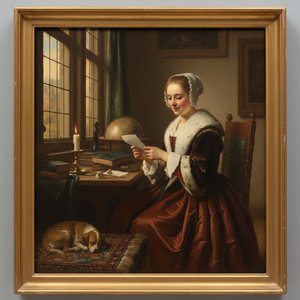
Gerrit Dou: Intimacy & Light in the Dutch Golden Age
Explore the exquisite world of Gerrit Dou, a master of Dutch Golden Age painting. Discover his intimate genre scenes, signature use of light, and lasting legacy. Learn about collecting Dou's works & their value.



