
The funeral (Edvard Munch, 1896)


Obraz dostosowuje się do Twoich wyborów: , .
- Bezpłatna ekspresowa wysyłka na cały świat
- 100 dni na zwrot, gwarancja zwrotu pieniędzy
Opis obiektu
Explore Edvard Munch’s ‘The Funeral,’ a poignant Expressionist masterpiece depicting grief & anxiety. Discover its dark palette, emotional intensity & artistic significance.
 Rozwiń treść
Biografia artysty
Norweski ekspresjonista malujący duszę rytmicznymi liniami i zniekształconymi formami, by oddać lęk i egzystencjalny niepokój.
Zamów swój w czterech prostych krokach
Nie spiesz się. Możesz zmienić każdą odpowiedź; cena w Twoim koszyku będzie aktualizowana po każdym wyborze.
1 Pierwszy z czterech kroków
Na jakim podłożu ma zostać wydrukowane?
Płótno jest drukowane farbami giclée i może zostać naciągnięte na ramę lub oprawione jak obraz; papier dostarczany jest w formie płaskiej lub w ramie z szybą.
2 Drugi z czterech kroków
Który rozmiar wybierasz?
Te rozmiary zachowują proporcje oryginalnego obrazu. Rysunek przedstawia wybrany przez Ciebie format na ścianie, nad dwumetrową sofą.
lub podaj własne wymiary
Wybierz spośród naszych standardowych rozmiarów, które zachowują oryginalne proporcje dzieła sztuki.

Wpisz wymaganą szerokość i wysokość, aby dopasować grafikę do ramy lub ściany. Wydruk można jedynie przyciąć, nigdy nie powiększając go poza oryginalny obraz, dlatego format o innych proporcjach spowoduje utratę części kompozycji. Przed rozpoczęciem druku prześlemy Ci cyfrowy podgląd do zatwierdzenia. Obraz wyświetlany na tej stronie nie pokazuje rzeczywistego przycięcia — jedynie podgląd oddaje ten efekt.
3 Trzeci z czterech kroków
W jaki sposób przygotować dzieło: w formie tuby, na krosnach czy w ramie?
Poniższe ceny dotyczą rozmiaru wybranego w pierwszym kroku.
Wybierz krawędzie płótna naciągniętego na ramę
Wybierz ramę

Białe krawędzie zł1

rozmyte krawędzie zł1

Przedłużony zł1

P118B zł10

P118H zł10

P118W zł10

P438Z zł10

P508JH zł12

P508YH zł12

P805H zł10

P805Z zł10

P919BZ zł10

P919G zł10

P919XJ zł10

P959ZH zł10

P968JZ zł12

W106C zł8

W218G zł10

W218JH zł8

W218Y zł10

W307PJ zł10

W316G zł10

W316PJ zł8

W316Y zł10

W398PJ zł8

W4111J zł10

W500HY zł15

W500JH zł15

W692G zł12

W849H zł8

W940BG zł15

W953PJ zł8

H24-GOLD zł30

H24-SILVER zł30

H36-GOLD zł45

H36-SILVER zł45
W oprawie
Profil: . Wymiar całkowity w ramie: .
4 Krok czwarty z czterech
Kilka opcji wykończenia
Wszystkie są opcjonalne. Wybrane już odpowiedzi nie wiążą się z żadnymi dodatkowymi kosztami.
Dostawa na cały świat () w ciągu 2 tygodni zamiast standardowych 4/5 tygodni. (25 Listopad)
Tabliczka informacyjna, jak w muzeum?
Szczegóły grawerowanej brązowej tabliczki
This elegant plaque features the artist's name and the title of the artwork, finely engraved for a timeless presentation.
It is made from bronze with a refined, elegant finish. The text is precisely laser-engraved for a sharp and permanent result. Measuring 9x2 cm, the plaque is compact yet easy to read. It's built to be durable and scratch-resistant, offering a professional, museum-quality look. Mounting is simple thanks to the included adhesive backing.
Szczegóły przezroczystej tabliczki akrylowej
The plaque includes essential engraved details such as the artist's name, the title of the artwork, the date it was created, the type of media used-like oil on canvas or watercolor-a brief description of the piece, and a QR code that links to the complete artwork information.
It is crafted from clear acrylic, offering a sleek, modern appearance. The text is UV-engraved in black to ensure strong visual contrast. With a size of 10x15 cm, it ensures optimal readability. It comes equipped with two metal hooks for secure wall mounting. The plaque is designed to be weather-resistant, making it suitable for various environments, and it includes interactive features that work seamlessly with smartphone scanning.
Szczegóły czarnej tabliczki akrylowej
This elegant plaque includes engraved information such as the artist's name, the title of the artwork, the date it was created, the type of media used (like oil on canvas or watercolor), a short description of the artwork, and a QR code for quick access to more information.
The plaque itself is made from refined black acrylic with a premium finish. The text is laser-engraved in white for high contrast and readability. Its size is 10x15 cm, designed to be easy to read. It comes with two metal hooks for professional mounting. The design is sleek and fits any interior style. It is also weather-resistant and durable, with built-in digital integration for mobile compatibility.
Werniks ochronny?
Kiedy potrzebujesz dostawy?
✓ Sprawdź i zamów
Twój wydruk, zgodnie z zamówieniem

The funeral
Technika reprodukcji
Wymiary reprodukcji
-

Opcje oprawy reprodukcji
-
-
W przypadku dzieł sztuki lub reprodukcji, których którykolwiek z boków przekracza 105 cm (około 41 cali), rama zostanie wysłana w formie zestawu do samodzielnego montażu. Metoda ta zapewnia bezpieczną dostawę i zapobiega uszkodzeniom podczas transportu.
Wymagany profesjonalny montaż – nie jest to produkt typu DIY.
Zestaw musi zostać złożony, a płótno naciągnięte przez doświadczonego profesjonalnego ramiarza, przy użyciu kleju do drewna (brak w zestawie), kleszczy do naciągania płótna oraz ścisków, które utrzymają krosna w równej pozycji podczas schnięcia kleju. Nieprawidłowy montaż lub nierównomierne napięcie płótna może trwale uszkodzić dzieło sztuki i nie podlega naszej gwarancji.
 W przypadku dzieł sztuki lub reprodukcji, których którykolwiek z boków przekracza 105 cm (około 41 cali), rama zostanie wysłana w formie zestawu do samodzielnego montażu. Metoda ta zapewnia bezpieczną dostawę i zapobiega uszkodzeniom podczas transportu.
W zestawie znajdują się wszystkie listwy z litego drewna, precyzyjnie docięte do wymiarów.
Montaż odbywa się przy użyciu dołączonych wkrętów oraz kleju do drewna do łączenia narożników, którego zestaw nie zawiera i który musi zostać dostarczony przez ramiarza.
Wymagane są profesjonalne narzędzia, których nie ma w zestawie: kleszcze do naciągania płótna (napinacz) oraz zaciski, które pozwolą utrzymać listwy w równej pozycji podczas schnięcia kleju.
Ważne:
Do połączenia narożników niezbędny jest klej do drewna, listwy należy unieruchomić za pomocą ścisków do momentu całkowitego wyschnięcia kleju, a naciągnięcie płótna na złożoną ramę wymaga użycia kleszczy do naciągania płótna. Żaden z tych elementów nie jest dołączony do zestawu. Przed zamówieniem tego rozmiaru zalecamy konsultację z doświadczonym ramiarzem.

Etykieta obiektu
-
-

Lakier ochronny
Lakier z połyskiem (pogłębia kolory, chroni przed światłem i wilgocią)
-

Ekspresowa
Dostawa na cały świat () w ciągu 2 tygodni zamiast standardowych 4/5 tygodni. (25 Listopad)
-
Przesyłka ekspresowa
Dostawa na cały świat () w ciągu 4-5 tygodni. (2 Grudzień).
W cenie
Cena całkowita
zł 249
Opcja ze szkłem jest dostępna wyłącznie w rozmiarach poniżej 110 cm
W każdym zamówieniu
- Bezpłatna ekspresowa wysyłka na cały świat
- Wysokiej jakości płótno lniane
- Pełne ubezpieczenie przesyłki
- Gwarancja zwrotu należności celnych i podatków importowych
- Gwarancja wiernego odwzorowania kolorów
- 100 dni na zwrot, gwarancja zwrotu pieniędzy
- Gwarancja 100% zwrotu pieniędzy
- Zniżka przy zakupie wielu sztuk


A Scene of Profound Mourning: Unveiling Edvard Munch’s ‘The Funeral’ (1896)
Edvard Munch, a pivotal figure in the development of modern art, delivers a deeply affecting portrayal of grief and loss in his 1896 painting, *The Funeral*. This work stands as a powerful example of Expressionism, a movement that prioritized subjective emotional experience over objective reality. More than just a depiction of a funeral procession, it’s an exploration of the universal human condition – our confrontation with mortality and the weight of sorrow.The Artist: A Life Marked by Melancholy
Born in 1863, Edvard Munch's life was tragically shadowed by illness and death. The early loss of his mother and sister to tuberculosis, coupled with a family history of mental instability, profoundly impacted his artistic vision. He channeled these personal traumas into his work, seeking not to merely represent the world as it appeared, but to express the inner turmoil he experienced. His studies at the Royal School of Art and Design in Kristiania (Oslo) led him towards a bohemian lifestyle influenced by philosophical ideas that encouraged ‘soul painting’ – an artistic expression rooted in personal emotion. This foundation shaped his distinctive style and cemented his place as a forerunner of Expressionism.Expressionism: A Revolution in Artistic Feeling
*The Funeral* embodies the core tenets of Expressionism. Emerging in the early 20th century, this movement rejected traditional artistic conventions in favor of bold colors, distorted forms, and intensely personal expression. Expressionist artists aimed to convey their subjective feelings about the world rather than simply replicating its appearance. The use of vibrant yet somber color palettes, combined with loose brushwork, became hallmarks of the style – techniques Munch masterfully employs in this painting. It wasn’t limited to painting; it also influenced sculpture and collage, all united by a desire to express inner experience.Deconstructing ‘The Funeral’: Composition & Technique
The painting presents a crowded interior scene dominated by figures consumed by grief. The composition is deliberately claustrophobic, with the dark green walls pressing in on the mourners. Munch’s brushstrokes are visible and expressive, contributing to the raw emotional intensity of the work. Warm oranges and yellows in the foreground offer a stark contrast to the cool greens, drawing the viewer's eye to the central figures. The technique is characterized by layering paint – creating texture and depth that enhance the painting’s somber mood. The flattened perspective further contributes to the feeling of confinement and emotional weight.Symbolism & Emotional Resonance
*The Funeral* is rich in symbolic meaning. The bowed heads, clasped hands, and overall posture of the figures convey profound sadness and despair. It’s believed that the painting is part of Munch's larger series, ‘The Frieze of Life’, which explores themes of love, anxiety, jealousy, and death. The presence of a portrait on the wall likely represents the deceased, serving as a focal point for mourning. The overall atmosphere evokes feelings of loss, spiritual reflection, and the inescapable reality of mortality. It’s not simply *about* a funeral; it's about the experience of grief itself.Historical Context & Legacy
Created in 1896, *The Funeral* reflects the anxieties and uncertainties of the fin-de-siècle period – a time marked by social upheaval and philosophical questioning. Munch’s work anticipated many of the themes that would come to define 20th-century art and thought. His influence can be seen in the works of numerous artists who followed, solidifying his position as a visionary figure in modern art history. Today, *The Funeral* continues to resonate with viewers, offering a poignant meditation on life, death, and the enduring power of human emotion.- For those seeking to experience Munch’s artistry firsthand, The Lehmbruck Museum in Germany houses an impressive collection of modern sculptures and works by influential artists.
- Other notable masterpieces by Edvard Munch include The Scream, Model in Front of the Verandah, and The Sick Child II.
Pytania i odpowiedzi
Gdzie mogę obejrzeć „The funeral” – Edvard Munch w formie pokazu slajdów?
Dzieło „The funeral” – Edvard Munch można obejrzeć w formie pokazu slajdów na stronie Prezentacja slajdów danego dzieła.
Czy dostępny jest przewodnik do dzieła „The funeral” – Edvard Munch?
Strona Karta informacyjna dla uczniów dzieła „The funeral” – Edvard Munch oferuje dwustronicową kartę informacyjną w formacie do druku: samo dzieło wraz z tabelą identyfikacyjną, oś czasu umieszczającą je w latach życia artysty, inne prace tego twórcy, zmierzoną paletę kolorystyczną oraz gotowe do skopiowania cytaty w czterech stylach.
Do jakiego nurtu artystycznego należy „The funeral” – Edvard Munch?
„The funeral” – Edvard Munch należy do nurtu Expressionism. Nurt ten stanowi stylistyczny kontekst dzieła.
Więcej o tym obrazie
 Podgląd w skali 1:1

 Zamów ręcznie malowaną reprodukcję
 Wyślij jako kartkę
 Udostępnij
 Szczegóły dzieła
 Przewodnik


 Pobierz obraz
 Podobne obiekty
 RTG
 Pokaz slajdów
 Pytania i odpowiedzi

 Statystyki


Powiązane artykuły

Edvard Munch: 25 Arcydzieł Ekspresjonizmu dla Kolekcjonerów i Miłośników Sztuki
Poznaj 25 najbardziej znanych obrazów Edvarda Muncha – od kultowego "Krzyku" po poruszające portrety. Odkryj ekspresjonizm, symbolikę i emocje w sztuce norweskiej. Reprodukcje najwyższej jakości na ArtsDot.com! Eksploruj kolekcję online.

Norwegian artworks of the 1900s
Norwegian Expressionism and Edvard Munch's masterpieces like The Scream and Anxiety define the 1900s. View the full collection at ArtsDot.com.
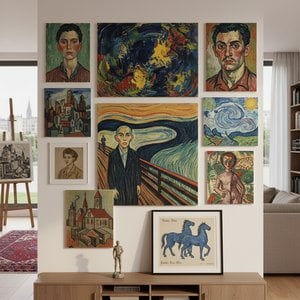
Ekspresjonizm: 10 Arcydzieł, Które Zdefiniowały Ruch – Obrazy i Dekoracje ArtsDot.com
Poznaj 10 arcydzieł ekspresjonizmu! Odkryj historie Muncha, Kirchnera i innych artystów tego przełomowego ruchu. Reprodukcje obrazów najwyższej jakości – inspiracje do wnętrz na ArtsDot.com. Eksploruj kolekcję online!


