


Kazimir Malevich: En pioner innen abstrakt kunst
Tidlig liv og påvirkninger
- Født i Kyiv-regionen i Ukraina i 1878 inn i en polsk familie, ble Kazimir Severinovich Malevichs tidlige år formet av det ukrainske kulturlandskapet og dets rike folkekultur.
- Hans oppvekst ga ham en dyp verdsettelse for tradisjonelle kunstneriske uttrykk, noe som senere skulle prege hans verk på en subtil måtermåte.
- Den formelle utdannelsen startet i Kyiv, men Malevich søkte raskt bredere kunstneriske horisonter ved å bevege seg mot Moskva, hvor han til slutt ble en del av de fremvoksende avantgarde-bevegelsene i Europa.
- Viktige påvirkninger: Tidlig eksponering for folkekunst, kombinert med et ønske om moderne uttrykk, la selve fundamentet for hans unike stil.
Kunstnerisk utvikling og sentrale bevegelser
- I begynnelsen utforsket Malevich ulike stiler, inkludert impresjonisme, symbolisme, fauvisme og kubisme. En avgjørende reise til Paris i 1912 eksponerte ham for de nyeste utviklingene innen europeisk kunst.
- Han beveget seg gradvis bort fra representative former, i søken etter et rent kunstnerisk språk basert på geometriske former og farge.
- Dette førte til utviklingen av suprematisme rundt 1915 – en abstrakt bevegelse fokusert på «det rene følelsens overlegenhet» i kunsten.
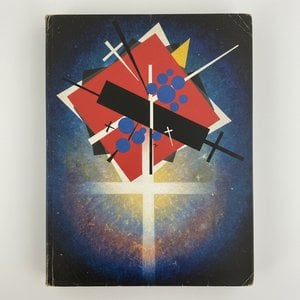
- Suprematismen forkastet ethvert forsøk på å avbilde objekter fra den synlige verden, og prioriterte i stedet grunnleggende geometriske former som kvadrater, sirkler og rektangler.
Store bragder og bemerkelsesverdige verk
- Svart kvadrat (1915): Hans kanskje mest berømte verk, som representerer et radikalt brudd med tradisjonell kunst og regnes som et grunnleggende stykke innen abstrakt maleri.
- Hvit på hvit (1918): En serie som utforsker formens og fargens renhet, med hvite geometriske former mot en hvit bakgrunn – noe som presset abstraksjonen til dens ytterste grenser.
- Stroyuschiysya dom [Hus under konstruksjon] (1916): Et tidlig eksempel på suprematisme som viser hans unike perspektiv på ukrainsk kultur gjennom abstrakte former.
- Han skrev også omfattende om kunstteori, hvor han artikulerte de filosofiske prinsippene bak suprematismen og argumenterte for en ny kunstnerisk bevissthet.
Historisk betydning og ettermæle
- Malevichs arbeid hadde en dyp innvirkning på utviklingen av det 20. århundrets abstrakte kunst, og påvirket bevegelser som minimalisme og konstruktivisme.
- Han utfordret konvensjonelle forestillinger om representasjon og banet vei for ikke-objektiv kunst.
- Hans ideer om ren følelse og geometrisk abstraksjon fortsetter å resonnere hos kunstnere den dag i dag.
- Til tross for politisk forfølgelse under Stalin – hvor han først ble støttet, men deretter undertrykt – holdt Malevich ut i sin kunstneriske praksiv og undervisning.
- Innflytelse på senere kunstnere: Han påvirket direkte kunstnere som El Lissitzky og formet indirekte utallige andre gjennom suprematismens varige arv.
Siste år og død
- I sine senere år vendte Malevich tilbake til figurativt maleri, i et forsøk på å syntetisere sine abstrakte prinsipper med representative former.
- Han fortsatte å undervise og skrive om kunst helt frem til sin død i Leningrad (nå St. Petersburg) i 1935.
- Hans arbeid forble relativt ukjent i flere tiår etter hans død, men opplevde en renessanse i andre halvdel av det 20. århundre, noe som sementerte hans plass som en av de viktigste skikkelsene i moderne kunsthistorie.
Spørsmål og svar
I hvilken historisk periode arbeidet Kazimir Malevich?
Kazimir Malevich var virksom i perioden Moderne tid. Denne perioden plasserer kunstnerens virke i en historisk kontekst.
Hvilke andre navn er Kazimir Malevich kjent under?
Kazimir Malevich er også kjent som Kazimir Severinovich Malevich.
Hvor kommer Kazimir Malevich fra?
Kazimir Malevich ble født i Ukraina.



![Svart Sirkel [1913] Statsrussiske Museum, — Kazimir Malevich](/media/artworks/images-thumb/62/67/6267e452b0c8476772a6511e19ce1616.jpg)


