Urbinos renessans gåtefulle arkitekt
I Quattrocento-periodens skyggelagte korridorer finnes få skikkelser med den samme hjemsøkende tiltrekningskraften som Fra Carnevale. Et navn som hviskes med både ærefrykt og mystikk, Bartolomeo di Giovanni Corradino—kjent i historien under sitt klosternavn—forblir en av de mest unnvikende mestrene fra den italienske renessansen. Født i Urbino rundt 1420, var hans liv en delikat vev spunnet av tråder av åndelig hengivenhet og dyp kunstnerisk innovasjon. Som medlem av Dominikanerordenen okkuperte Carnevale et unikt rom der klosterlivets kontemplative stillhet møtte humanismens voksende intellektuelle strenghet. Selv om bare ni verk i dag med sikkerhet kan tilskrives hans hånd, fungerer hvert overlevende verk som et vindu inn i et sinn som søkte å harmonisere det guddommelige med den fysiske verdens matematiske presisjon.
Carnevales kunstneriske bane ble formet av sin tids store kunstneriske smeltedigler. Hans formative år i Urbino under veiledning av Jacopo Veneto inngav ham en tidlig fascinasjon for perspektiv, en ferdighet som skulle bli selve kjennetegnet på hans modne stil. Det var imidlertid reisen til Firenze rundt 1445 som virkelig tente hans kreative ånd. Fordypet i den livlige florentinske atmosfæren studerte han under den innflytelsesrike Antonio Alberti og trådte inn i det prestisjetunge verkstedet til Filippo Lippi. Denne læretiden var transformativ; fra Lippi arvet Carnevale en mesterlig kontroll over fargebruk og en delikat tilnærming til komposisjon, der han lærte å puste liv i figurer gjennom subtile tonale skift og emosjonell dybde.
Mestring av rom og hellig narrativ
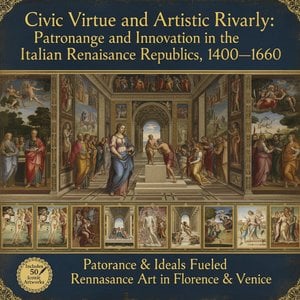
Det som skiller Fra Carnevales arbeid fra hans samtidige, er hans uovertrufne evne til å integrere komplekse arkitektoniske omgivelser med hellige fortellinger. Han malte ikke bare bakgrunner; han konstruerte verdener. Hans lerreter viser ofte imponerende, klassisk inspirerte strukturer som refleksterer tidens humanistiske idealer, og som gir gjenklang av storheten i Hertugpalasset i Urbino og de teoretiske avhandlingene til Leon Battista Alberti. I verk som Jomfru Marias fødsel, observerer man et pustløst ekteskap mellom middelalderens detaljrikdom og renessansens romlige logikk. Den arkitektoniske dybden i disse panelene antyder en dyp forståelse av geometri, og skaper en scene der det mirakuløse føles forankret i en håndgripelig, målbart virkelighet.
Hans tekniske repertoar var like mangfoldig som hans inspirasjonskilder, fra temperamalingens lysende klarhet til oljemaleriets rike teksturer. I verk som Sankt Peter brukte han lys og skygge for å fremkalle en følelse av høytidelighet og guddommelig nærvær, mens hans Allegorisk scene viser en dristig bruk av nakne figurer i klassiske omgivelser, noe som reflekterer epokens fascinasjon for gjenoppdagede gresk-romerske idealer. Denne evnen til å navigere mellom de fromme kravene i hans dominikanske kall og de sofistikerte estetiske kravene fra mæcenater som Federico Montefeltro, gjorde det mulig for ham å skape kunst som var både hengiven og intellektuelt stimulerende.
Arv og historisk gjenklang
Selv om mangelen på overlevende verk ofte har ført forskere til å debattere autentisiteten av visse verk, kan ikke den historiske betydningen av Fra Carnevale overvurderes. Han fungerte som en viktig bro mellom det 15. århundrets tidlige eksperimenter og høgrenessansens perfeksjon oppnådd av mestre som Bramante og Rafael. Hans opptatthet av arkitektonisk perspektiv og integreringen av klassiske motiver ga et grunnleggende blåtrykk for den neste generasjonen italienske kunstnere. Å studere Carnevale er å være vitne til selve øyeblikket da middelalderens åndelige intensitet begynte å smelte sammen med renessansens strukturerte, menneskesentrerte visjon.
I dag lever arven etter denne gåtefulle munken videre gjennom de sjeldne, dyrebare fragmentene av hans visjon som gjenstår. Han står som et testament til kraften i den "arkitektoniske maleren", en kunstner som så det guddommelige ikke bare i helgenenes ansikter, men i selve proporsjonene i rommet de beveget seg i. Hans liv, selv om det er innhyllet i historisk usikkerhet, fortsetter å inspirere ærefrykt og minner oss om at selv de mest unnvikende skikkelser kan etterlate et uutslettelig merke på kunsthistoriens sjel.
Spørsmål og svar
Hvor finner man Fra' Carnevale sine kunstverk kategorisert etter motiv?
Fra' Carnevale sine verk kan utforskes etter motiv på kunstnerens Motivatlas-side.
Hvilke andre navn er Fra' Carnevale kjent under?
Fra' Carnevale er også kjent som Bartolomeo Di Giovanni Corradini, Bartolomeo Coradini, Carnovale Da Urbino.
Hvilken by og hvilket land er Fra' Carnevale født i?
Fra' Carnevale ble født i Urbino i Italia.