Et liv dedikert til tegnekunsten
Charles Bargue, et navn som kanskje er mindre berømt enn sine samtidige, men likevel dypt innflytelsesrikt i kunstpedagogikkens annaler, var en fransk maler og litograf født i Paris i 1826. Hans liv, selv om det var preget av personlige kamper, ble uadskillelig knyttet til en revolusjonerende tilnærming til kunstnerisk opplæring – en metode som fortsetter å forme klassisk realisme den dag i dag. Selv om de biografiske detaljene er noe sparsomme, begynte Bargues tidlige karriere sannsynligvis innenfor familiens litografiske tradisjon, før han i 1858 begynte å arbeide for Adolphe Goupil & Cie., et prestisjefylt parisisk trykkeri. Det var i løpet av tiden hos Goupil at et avgjørende kunstnerisk partnerskap blomstret med Jean-Léon Gérôme, en ledende akademisk maler og en nøkkelfigur i orientalismen. Dette samarbeidet skulle til syvende og sist definere Bargues ettermæle, om enn ikke nødvendigvis gjennom malerier av hans egen hånd, men snarere gjennom et enestående pedagogisk foretak.Cours de Dessin: Et fundament for generasjoner
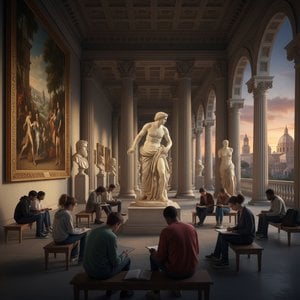
Bargues mest varige bidrag er uten tvil *Cours de dessin*, et omfattende tegnekurs utformet i tett samarbeid med Gérôme og utgitt mellom 1866 og 1871. Dette var ikke bare en lærebok; det var et nitidig strukturert program designet for å veilede studenter fra det grunnleggende i avtegning av gipsavstøpninger, gjennom studier av mestertegninger, og til slutt mot tegning etter levende modell. Kurset bestod av 197 litografier – individuelle ark ment for reproduksjon og øving – og representerte en systematisk nedbryting av kunstneriske ferdigheter i håndterbare trinn. Genialiteten lå i dets tilgjengelighet; det demokratiserte den akademiske treningen ved å gi aspirerende kunstnere en vei til mestring som tidligere var forbeholdt de som befant seg innenfor de etablerte kunstinstitusjonene. Det var en metode bygget på repetisjon, observasjon og en urokkelig forpliktelse til anatomisk nøyaktighet. *Cours*-programmet handlet ikke bare om å replikere former, men om å forstå deres underliggende struktur – selve beinverket og muskulaturen som gir dem liv.Orientalistiske impulser og kunstnerisk stil
Selv om han er mest kjent for sitt pedagogiske arbeid, var Bargue en dyktig maler i egen rett. Hans kunstneriske stil reflekterer påvirkningen fra Gériente, noe som er spesielt tydelig i hans fascinasjon for orientalistiske scener og historiemalerier. Han reiste omfattende gjennom Nord-Afrika og Balkan, og dokumenterte lokale folk og skikker med en bemerkelsesverdig detaljrikdom. Disse reisene preget maleriene hans, som ofte fremstiller figurer mot eksotiske baktepper, gjennomsyret av en følelse av realisme og etnografisk presisjon. Hans arbeid fanger ikke bare det ytre utseendet, men også en merkbar atmosfære – teksturene i tekstiler, lysets spill på værbitte ansikter, og tyngden av kulturelle tradisjoner. Likevel var Bargues produksjon relativt liten; han var kjent for å være en langsom og grundig arbeider som prioriterte kvalitet over kvantitet.En varig innvirkning: Van Gogh, Picasso og videre
Virkningen av *Cours de dessin* gjenlyder gjennom kunsthistorien. Kanskje var hans mest berømte disipler Vincent van Gogh og Pablo Picasso, som begge studerte Bargues litografier grundig i sine formative år. Spesielt Van Gogh holdt kurset i høy akting; han kopierte hele settet i 1880/81 og vendte tilbake til det igjen i 1890. Han så i Bargues metode en vei til å forstå form og struktur – et fundament som han bygde sin egen unike kunstneriske visjon på. Også Picasso dro enorm nytte av kurset, og brukte dets prinsipper til å finpusse sitt håndverk før han la ut på sine revolusjonerende utforskninger av kubismen.- Cours de dessin ga et felles språk for kunstnere som søkte mestring av klassiske teknikker.
- Det fostret en generasjon kunstnere med et sterkt fundament i anatomisk nøyaktighet og observasjonsevne.
- Innvirkningen strekker seg helt til samtidige atelierer og akademier dedikert til klassisk realisme.
Historisk betydning og et evig ettermæle
Charles Bargues liv endte tragisk i 1883, da han bukket under for et slag og en forverring av langvarige psykiske lidelser. Likevel lever hans arv videre gjennom *Cours de dessin*, som forblir en hjørnestein i klassisk kunstutdanning verden over. Kursets vedvarende popularitet er et bevis på dets effektivitet – en tidløs metode for å låse opp kunstnerisk potensial. Selv om Gérôme ofte overskygger Bargue i historiske fremstillinger, er det avgjørende å anerkjenne Bargues sentrale rolle i å kodifisere og spre akademiske prinsipper. Han var ikke bare en kopist eller en assistent; han var en visjonær pedagog som demokratiserte kunstnerisk opplæring og formet den moderne kunstens gang på dypgående vis – en stille revolusjonær hvis innflytelse fortsatt merkes av kunstnere som streber etter ekspertise i dag.Spørsmål og svar
Hvilken by og hvilket land er Charles Bargue født i?
Charles Bargue ble født i Paris i Frankrike.
Hvor er Charles Bargue sine kunstverk gruppert etter nøkkelord?
Charles Bargue sine verk kan utforskes via nøkkelord på kunstnerens Etter nøkkelord-side. Hvert nøkkelord grupperer de relaterte kunstverkene.
Hvor kommer Charles Bargue fra?
Charles Bargue ble født i Frankrike.
Kan jeg bla gjennom Charles Bargue sine verk etter medium?
Siden Alle medier grupperer Charles Bargue sine kunstverk etter teknikk.
Finnes det en kronologisk oversikt over Charles Bargue?
Charles Bargue sin karriere utfolder seg periode for periode på Charles Bargue sin Kronologi-side: en horisontal tidslinje over kunstverkene, gruppert i kapitler etter karriereperioder.
Hvor og når ble Charles Bargue født?
Charles Bargue ble født i Paris i 1826.
Hvilke kunstverk av Charles Bargue har flest visninger?
Siden Statistikk for Charles Bargue presenterer statistikk beregnet ut fra kunstverkene til kunstneren som er oppført på denne nettsiden.