
- Forsiden

- Artikler
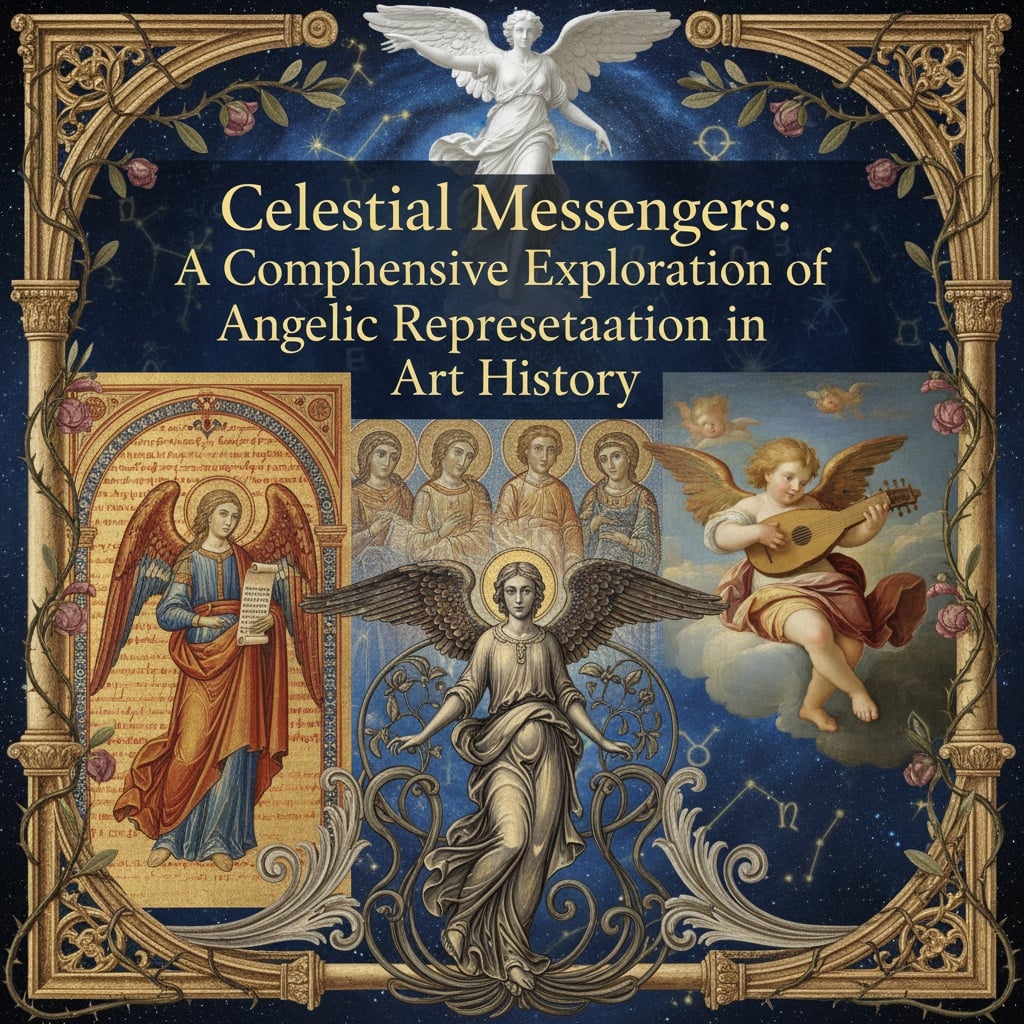
- Celestial Messengers: A Comprehensive Exploration of Angelic Representation in Art History
Celestial Messengers: A Comprehensive Exploration of Angelic Representation in Art History
Innholdsfortegnelse
The Genesis of Angelic Form: From Ancient Roots to Early Christian Symbolism
The ethereal presence of angels has captivated the human imagination for millennia, yet their depiction as we recognize it today—winged figures radiating benevolence—is a story woven through layers of cultural and religious evolution. Before the Renaissance’s iconic portrayals, the concept of angelic beings existed in nascent forms within ancient Mesopotamian and Egyptian civilizations. Sumerian texts speak of melam, a brilliant aura surrounding deities and heroes, hinting at an inherent divine radiance. Similarly, Persian mythology featured the Khvarenah, a sacred power often visualized as a phoenix-like bird, embodying spiritual authority. These early representations weren’t necessarily “angels” in the Abrahamic sense, but they established a crucial precedent: the association of divinity with light and extraordinary visual phenomena.
The transition into early Christian art marked a pivotal shift. Initially, angels were depicted without wings, reflecting a theological emphasis on their spiritual nature—pure beings unburdened by physical form. Images from the third-century Cubicolo dell'Annunziazione in the Catacomb of Priscilla showcase Gabriel delivering news to Mary devoid of any feathered appendages. These early figures, often young men, were intended as symbolic representations rather than literal depictions. The focus lay on their role as messengers and intermediaries, not their physical attributes. As Christianity gained prominence, however, a desire for more visually compelling iconography emerged. References in the Book of Daniel—Gabriel appearing “in the likeness of man”—provided scriptural justification for anthropomorphic forms, while Saint John Chrysostom’s writings emphasized that wings were meant to signify their swift descent from heavenly realms.
This gradual adoption of wings wasn't merely aesthetic; it served a powerful theological purpose. Wings symbolized transcendence, the ability to bridge the gap between the earthly and divine. They visually communicated an otherworldly nature, setting angels apart from mortal beings. The earliest known winged angels appear on the Prince’s Sarcophagus (c. 300 AD), signaling a growing acceptance of this iconography within the broader Christian artistic tradition.
Wings, Halos, and Light: Deciphering the Visual Language of Angels
A halo (from Ancient Greek ἅλως, hálōs, 'threshing floor, disk'), also called a nimbus, aureole, glory or gloriole (Latin: gloriola, lit. 'little glory'), is a crown of light rays, circle or disk of light that surrounds a person in works of art. Th...
The addition of wings was only one element in a developing visual language designed to communicate the sacredness of angelic beings. Equally important was the use of halos—or nimbuses—circles or disks of light surrounding the head, signifying holiness and divine grace. Originating in ancient Greece, where radiating lines denoted heroic figures, halos were adopted by early Christians to identify saints and angels alike. The color of these halos held symbolic weight; gold represented divinity, yellow conveyed spiritual illumination, while red often signified flames—a visual echo of their fiery nature as messengers of God.
Beyond wings and halos, the depiction of light itself became intrinsically linked with angelic presence. Angels were frequently portrayed bathed in radiant glow, emphasizing their purity and connection to a higher power. This emphasis on luminosity wasn’t accidental; it drew upon ancient beliefs associating light with the divine realm. The use of gold leaf in Byzantine mosaics further amplified this effect, creating shimmering representations that evoked a sense of awe and reverence. The interplay of wings, halos, and light created a powerful visual shorthand for communicating spiritual authority and otherworldly beauty.
Interestingly, early depictions often avoided overtly gendered features. While angels might be clothed in robes traditionally associated with male or female attire, their forms remained intentionally ambiguous, reflecting the theological belief that they were genderless spirits. This convention persisted for centuries, ensuring that angelic representations weren’t limited by earthly constraints. It wasn't until the 19th century, particularly within funerary art, that more explicitly gendered depictions began to emerge.
Angels in Renaissance Masterpieces: Botticelli, Leonardo, and Divine Narrative
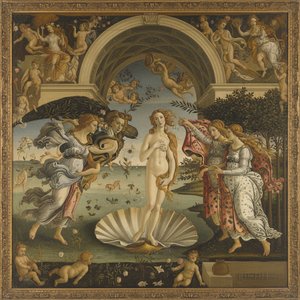 Botticelli's Masterpieces: Explore 25 Iconic Renaissance Paintings | ArtsDot
Journey through Botticelli's world with 25 iconic Renaissance paintings. Explore 'Birth of Venus,' 'Primavera,' and more—stories, techniques & timeless beauty. Find museum-quality art reproductions for your home at ArtsDot.com.
The Renaissance witnessed a flourishing of angelic representation, as artists sought to capture both the spiritual essence and human beauty of these divine messengers. Sandro Botticelli’s works provide particularly compelling examples. In “Madonna and Child with Eight Angels,” the angels are not merely decorative elements; they are active participants in the scene, their expressions conveying wonder and devotion. Botticelli's masterful use of line and color creates a sense of ethereal grace, while the lilies surrounding the Virgin Mary—symbols of purity—reinforce the painting’s religious themes. His “Mary with the Child and Singing Angels” further exemplifies this delicate balance between spiritual symbolism and artistic beauty.
Leonardo da Vinci's approach, as seen in his “Baptism of Christ,” offers a contrasting yet equally profound interpretation. While the angel figures are fewer in number, their presence is powerfully felt. Leonardo’s meticulous attention to anatomy and perspective imbues them with a sense of realism, grounding the scene in earthly reality while simultaneously hinting at their otherworldly nature. The subtle interplay of light and shadow creates a dramatic effect, drawing the viewer's eye to the central act of baptism.
Both Botticelli and Leonardo, along with other Renaissance masters, drew upon classical influences—particularly the winged Victories of antiquity—to inform their depictions of angels. However, they infused these forms with Christian symbolism, creating a unique artistic language that celebrated both divine grace and human potential. The Renaissance angel wasn’t simply a messenger; it was an embodiment of beauty, faith, and spiritual aspiration.
Hierarchies of Heaven: Exploring the Typologies and Roles of Angels in Art
 Celestial Messengers: Angels in Painting – A Historical & Artistic Exploration
Explore the captivating history of angels in painting! Discover symbolism, iconic Renaissance & Byzantine masterpieces, and renowned artists. Expert insights for art lovers & collectors at ArtsDot.
The depiction of angels wasn't limited to a single archetype. Throughout art history, artists have sought to represent the complex hierarchies of heaven, differentiating between various angelic orders based on their roles and attributes. Christian theology outlines multiple choirs of angels—Seraphim, Cherubim, Thrones, Dominions, Virtues, Powers, Principalities, Archangels, and Angels—each with specific responsibilities within God’s plan.
Seraphim, often depicted as fiery beings surrounding the throne of God, were associated with purity and divine love. Cherubim, frequently portrayed as multi-winged creatures covered in eyes, symbolized knowledge and guardianship. Archangels, such as Gabriel, Michael, and Raphael, served as messengers and protectors, often depicted carrying symbolic objects—Gabriel with a lily representing the Annunciation, Michael wielding a sword against evil.
These distinctions weren’t always explicitly represented in art, but artists frequently employed visual cues to differentiate between angelic orders. The number of wings, the color of their robes, and the attributes they carried all served as indicators of their status within the heavenly hierarchy. Multi-winged angels, often found in Byzantine mosaics adorning church domes, typically represented the higher choirs—Seraphim and Cherubim—while more human-like figures with fewer wings were associated with Archangels and Angels.
Beyond Representation: The Emotional and Spiritual Impact of Angelic Imagery
Angels have always served as a bridge between the earthly and divine, offering solace, guidance, and hope to those who seek it. Their presence in art isn’t merely about depicting religious figures; it's about evoking an emotional response—a sense of awe, wonder, and spiritual connection. The serene expressions of Botticelli’s angels, for example, convey a sense of peace and tranquility, inviting viewers to contemplate the mysteries of faith. Leonardo da Vinci’s meticulous realism imbues his angelic figures with a sense of humanity, making them relatable and accessible.
Throughout history, artists have used angelic imagery to explore themes of redemption, protection, and divine intervention. The depiction of angels intervening in moments of crisis—protecting the innocent or guiding lost souls—reinforces their role as benevolent guardians. The emotional impact of these images is often amplified by the use of light and color, creating a sense of drama and spiritual intensity.
Even beyond explicitly religious contexts, angelic imagery continues to resonate with contemporary audiences. The archetype of the angel represents hope, compassion, and the enduring power of faith—qualities that transcend cultural boundaries and speak to universal human aspirations.
The Enduring Legacy: Angels in Modern Art and Contemporary Spirituality
While the overt religious context of angelic representation diminished with the rise of modern art, the archetype itself continued to evolve. Artists like William Blake explored angels as symbols of imagination and spiritual rebellion, challenging traditional notions of divine authority. In contemporary art, angels often appear as ambiguous figures—fragments of memory, expressions of longing, or metaphors for human potential.
The enduring fascination with angels also extends beyond the realm of fine art. Angels are a ubiquitous presence in popular culture—literature, film, and music—often representing hope, protection, and spiritual guidance. This continued interest reflects a deep-seated human desire for connection to something greater than ourselves—a longing for meaning, purpose, and transcendence.
At ArtsDot.com, we believe in making the world’s great art accessible to everyone. Explore our collection of Renaissance masterpieces, including iconic depictions of angels by Botticelli, Leonardo da Vinci, and other renowned artists. Whether you're seeking a museum-quality reproduction for your home or simply wish to delve deeper into the history of angelic representation, we invite you to discover the beauty and spiritual power of these timeless artworks.
Relaterte artikler

Renessansens Menneskesyn: 10 Kunstverk som Definerte Epoken | ArtsDot
Opplev renessansens menneskesyn gjennom 10 ikoniske kunstverk! Leonardo da Vinci, Michelangelo & Botticelli. Historier, teknikker og tidløs skjønnhet. Finn museumskvalitets reproduksjoner på ArtsDot.com.


Galleria degli Uffizi: Topp 25 Kunstverk for Din Vegg – Historie & Inspirasjon
Opplev renessansens storhet! Utforsk de 25 mest ikoniske kunstverkene i Galleria degli Uffizi, Firenze – fra Botticelli til Leonardo da Vinci. Historier, teknikker & inspirasjon for ditt hjem. Finn museumskvalitets reproduksjoner på ArtsDot.com.

