

 Forhåndsvisning
 Send
Send Del med andre
 Vis detaljer

 Last ned bildet
 Liknende objekter
 Røntgenundersøkelse
 Lysbildefremvisning
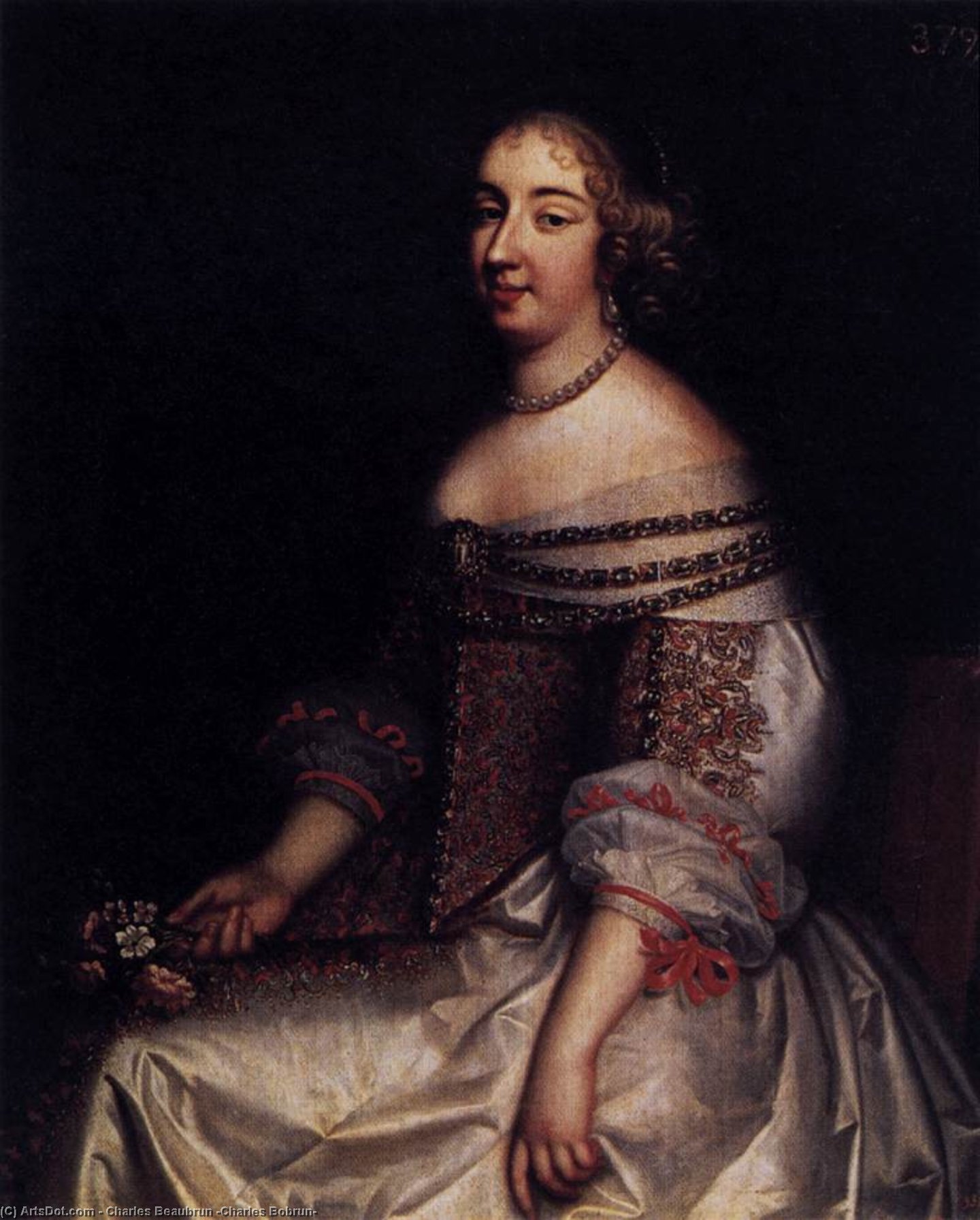
Portrett av Mademoiselle de Montpensier
 Akryl på lerret
- Veggkunst
- Baroque Realism
 1655
1655 109.0 x 88.0 cm
 Museo del Prado
 Vis hele teksten
Håndlaget oljereproduksjon
Håndmalt olje på lerret i din valgte størrelse og ramme, laget på bestilling av våre kunstnere. ( Bytt til trykk Bytt til bilde)




P118B $10

P118H $10

P118W $10

P438Z $10

P508JH $12

P508YH $12

P805H $10

P805Z $10

P919BZ $10

P919G $10

P919XJ $10

P959ZH $10

P968JZ $12

W106C $8

W218G $10

W218JH $8

W218Y $10

W307PJ $10

W316G $10

W316PJ $8

W316Y $10

W398PJ $8

W4111J $10

W500HY $15

W500JH $15

W692G $12

W849H $8

W940BG $15

W953PJ $8




Velg mellom våre forhåndsdefinerte størrelser som bevarer kunstverkets opprinnelige proporsjoner.

Du kan angi egne mål for å tilpasse en spesifikk ramme eller plass. Dersom den valgte størrelsen ikke samsvarer med originalbildets proporsjoner, vil vi enten beskjære kunstverket eller utvide maleriet med ytterligere håndmalte elementer. En digital mockup vil bli sendt til din godkjenning før produksjonen starter.
Vennligst merk at forhåndsvisningen på skjermen ikke gjenspeiler den faktiske beskjæringen eller utvidelsen. Kun mockuppen vil vise den endelige komposisjonen nøyaktig.
Selv om tilpassede størrelser er tilgjengelige, anbefaler vi å velge et mål fra den forhåndsdefinerte listen for å bevare de originale proporsjonene.
Etter bestilling vil ArtsDot.com-teamet sende e-post til kunden for instruksjoner og sende et utkast (mockup) som forhåndsvisning.
Verdensomspennende levering () på 3–4 uker i stedet for standard 5 uker. (7 August). Ingen kompromisser med kvaliteten.

Gratis ekspressfrakt over hele verden

Lerretsduk av høykvalitets lin

Full forsikring under transport

Garanti for refusjon av toll og importavgifter

Garantert korrekt fargegjengivelse

60 dagers returrett (kun ved feil)

100% pengene tilbake-garanti

Rabatt ved flere kjøp
 Glassalternativet er kun tilgjengelig i størrelser under 110 cm

Portrett av Mademoiselle de Montpensier
Teknikk for reproduksjon
Størrelse på reproduksjon
-


Endelig pris
$ 263
Beskrivelse av kunstverket
Portrait of Mademoiselle de Montpensier – A Window Into Louis XIV’s Court
Charles Beaubrun's "Portrait of Mademoiselle de Montpensier" stands as a testament to the elegance and sophistication that defined Louis XIV’s reign. Painted in 1655, this captivating artwork transcends mere representation; it embodies the humanist ideals prevalent during the period while simultaneously capturing the exquisite beauty of Marie de Bourbon, Duchess of Montpensier – a figure whose life was tragically cut short at just twenty-two years old. The painting's serene composition and meticulous detail offer a glimpse into the opulent interiors of Versailles and illuminate the artistic sensibilities of Beaubrun’s workshop.The Artist’s Vision: Elegant Realism
Charles Beaubrun, born in Amboise around 1604, belonged to a lineage steeped in artistic tradition. Trained under Jean Baptiste Dubois—a painter who championed a style characterized by profound observation and humanist compassion—Beaubrun inherited Dubois's commitment to portraying subjects with sensitivity and accuracy. This influence is palpable throughout his oeuvre, particularly evident in “Portrait of Mademoiselle de Montpensier,” where Beaubrun skillfully blends realism with stylistic grace. He eschewed dramatic poses or theatrical lighting, opting instead for a quiet dignity that reflects the noblewoman’s inner composure.A Detailed Examination: Technique and Composition
The painting's technique is remarkable for its precision. Beaubrun employed oil paint on canvas—a favored medium during his time—allowing him to achieve subtle gradations of color and texture. Notice the meticulous rendering of Mademoiselle de Montpensier’s gown, painstakingly recreated with delicate folds and shimmering fabrics. The artist’s attention to detail extends beyond the figure itself; he incorporates elements of the surrounding environment – a simple bench and two vases—to establish depth and create an immersive experience for the viewer. These objects aren't merely decorative; they contribute to the overall narrative, hinting at a refined domestic setting.Symbolism Within Beauty: Marie de Bourbon’s Persona
Beyond its technical prowess, “Portrait of Mademoiselle de Montpensier” resonates with symbolic significance. Marie de Bourbon was considered one of the last vestiges of the Bourbon dynasty—a symbol of noble lineage and unwavering faith. Her gaze directs outwards, suggesting contemplation and perhaps a yearning for something beyond the confines of her immediate surroundings. The pearl necklace adorning her neck represents purity and virtue – qualities highly valued during Louis XIV’s era. Beaubrun's portrayal elevates Mademoiselle de Montpensier to an idealized figure, embodying the virtues expected of a princess within the framework of royal society.Emotional Resonance: Capturing Graceful Dignity
Ultimately, “Portrait of Mademoiselle de Montpensier” succeeds in conveying a profound sense of grace and dignity. Beaubrun’s masterful brushstrokes capture not only Mademoiselle’s physical appearance but also her inner spirit—a quiet strength tempered by compassion. The painting invites contemplation on themes of beauty, nobility, and the fleeting nature of life. It serves as an enduring reminder of the artistic achievements of the Baroque period and continues to inspire admiration for its timeless elegance.- Artist: Charles Beaubrun
- Date: 1655
- Size: 109 x 88 cm
Lignende kunstverk


Om kunstneren
Charles Beaubrun (Bobrun): A Master of Elegant Realism
Charles Beaubrun, born in Amboise, France around 1604, emerged from a distinguished family of painters – his father, Jean Beaubrun, was also a respected artist. While biographical details remain somewhat sparse compared to contemporaries like Rembrandt or Rubens, Beaubrun’s legacy rests firmly on his remarkable portraits and allegorical paintings that capture the spirit of Louis XIV's court and beyond. He died in Paris in 1692, leaving behind a body of work celebrated for its refined aesthetic and psychological insight.Early Life and Artistic Training
Information regarding Beaubrun’s formative years is limited. However, it’s believed he received his initial artistic training under the tutelage of Jean Baptiste Dubois, a prominent painter active in Amboise during the reign of Henri IV. This exposure to Dubois's style—characterized by meticulous detail and a humanist sensibility—likely instilled in Beaubrun a foundational understanding of classical principles and compositional techniques. The influence of Nicolas Sustris, another influential artist of the period, is also noted, further broadening Beaubrun’s artistic horizons.Notable Works and Artistic Style
Beaubrun's oeuvre comprises approximately 80 paintings, predominantly portraits executed with exceptional skill and sensitivity. He gained considerable renown for his depictions of royal figures, notably King Louis XIV as a child alongside Philippe I, Duke of Orleans – a piece that exemplifies Beaubrun’s ability to convey both youthful vulnerability and regal dignity. Similarly impressive is his portrait of Anne Marie Louise, Duchess d'Orleans, capturing her serene beauty with remarkable precision. Beyond these portraits, Beaubrun produced several allegorical compositions, including “Minette,” which showcases his mastery of symbolism and narrative storytelling. His technique involved layering thin glazes over a carefully prepared ground, achieving luminous surfaces and subtle tonal gradations that are hallmarks of French Baroque painting. He skillfully employed chiaroscuro—the dramatic interplay of light and shadow—to sculpt form and imbue his subjects with emotional depth.Influence and Legacy
Beaubrun’s artistic style aligns closely with the prevailing trends of the French Baroque, reflecting the humanist ideals championed by Louis XIV's court. He adhered to the principles of disegno – careful observation and anatomical accuracy—a cornerstone of Renaissance art revived during this era. Beaubrun’s work stands apart from many of his peers due to its understated elegance and psychological realism. Unlike some artists who prioritized grandeur or theatricality, Beaubrun focused on capturing the inner life of his subjects, conveying their character and emotions with remarkable subtlety. His influence extended beyond his immediate contemporaries; he served as a teacher and mentor to younger painters, shaping the artistic landscape of Paris during the latter half of the 17th century.Recognition and Continued Appreciation
Charles Beaubrun’s paintings continue to be admired for their beauty and artistry. They reside primarily in private collections and museums across Europe, including the Charles Allis Art Museum in Milwaukee, Wisconsin. Ongoing research into his life and work contributes to a deeper understanding of French Baroque art history and underscores Beaubrun's enduring contribution to European artistic tradition. His meticulous attention to detail and profound psychological insight cemented his place as one of France’s most accomplished portraitists of the era.
charles beaubrun (charles bobrun)
1604 - 1692 , France
Kort om kunstneren
- Artistic Movement Or Style: Portraiture
- Date Of Birth: 1604
- Full Name: Charles Beaubrun
- Nationality: French
- Notable Artworks:
- Minette
- King Louis Xiv - As A Child With Philippe I
- Place Of Birth: Amboise, France
Relaterte artikler

Portrettkunstens Mesterverk: Topp 10 Maler som Fanger Sjelen – ArtsDot.no
Utforsk de 10 mest ikoniske portrettmaleriene gjennom historien! Fra Mona Lisa til Klimts Adele Bloch-Bauer, lær om kunstnerne og teknikkene bak disse mesterverkene. Finn museumskvalitets reproduksjoner & interiørinspirasjon på ArtsDot.com.

Sir Joshua Reynolds' Mesterverk: 25 Ikoniske Maler for Kunstelskere
Oppdag Sir Joshua Reynolds' 25 mest ikoniske malerier! Fordyp deg i portrettkunsten fra det 18. århundre, barokk og rokokko-stilen. Finn inspirasjon til interiørdesign & kjøp reproduksjoner av høy kvalitet på ArtsDot.com.

Gråtoners Mesterverk: Topp 10 Maler som Definerer Stemning og Stil | ArtsDot.no
Utforsk 10 ikoniske gråtonemalerier av Munch, Van Gogh og Monet! Oppdag historien bak disse stemningsfulle klassikerne og finn inspirasjon til din interiørkunst. Museumskvalitet reproduksjoner på ArtsDot.no – utforsk samlingen online!

Barokkens Mesterverk: Topp 10 Malerier som Definerte Epoken | ArtsDot
Opplev barokkens prakt! Utforsk 10 ikoniske malerier av Karavaggio, Rembrandt og Vermeer. Lær om kunsthistorien bak mesterverkene og finn inspirasjon til interiøret ditt. Museumskvalitet reproduksjoner på ArtsDot.com
Alte Pinakotekets 25 Mesterverk: Kunsthistorie for Ditt Hjem | ArtsDot.no
Utforsk Alte Pinakotekets 25 mest ikoniske malerier! Oppdag renessanse- og barokkmesterverk av Dürer, Rembrandt & Caravaggio. Finn inspirasjon til hjemmet ditt med museumskvalitets reproduksjoner på ArtsDot.com.


