

Dining as Theater: How Curated Art Transforms Restaurants into Immersive Stages
Inhoudsopgave
The Gastronomic Stage: Defining the Intersection of Fine Dining and Visual Narrative
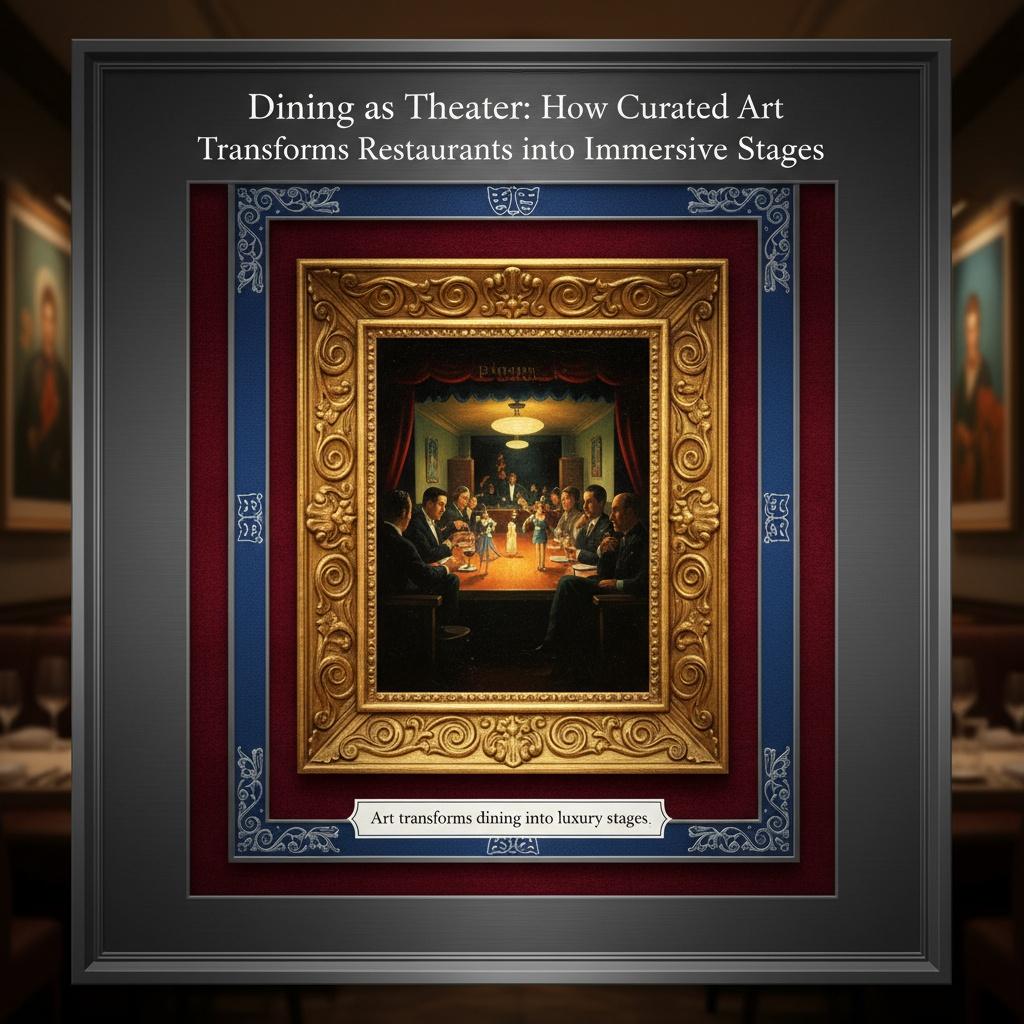
In the realm of haute cuisine, a meal is rarely just about the palate; it is a multi-sensory performance that begins long before the first course arrives. To dine in a truly exceptional establishment is to step onto a stage where every element—from the weight of the silver to the soft glow of candlelight—contributes to a larger story. This concept, often referred to as dining as theater, finds its most profound expression through the curation of fine art. When a restaurant transcends the mere provision of food and begins to curate an environment, it invites guests into a narrative world. The walls do not simply enclose a room; they act as the scenery for a grand production, providing the depth, context, and drama necessary to elevate a meal into a lasting memory.
The intersection of gastronomy and visual art lies in their shared ability to evoke emotion through composition. Just as a chef balances acidity, fat, and salt to create harmony, an art curator balances color, texture, and scale to guide the diner's psychological journey. When these two disciplines align, the restaurant ceases to be a commercial space and becomes an immersive stage. In this theatrical setting, the act of eating is transformed into an exploration of culture and beauty, where the visual feast prepares the soul for the culinary one.
Beyond Decor: How Masterful Artworks Anchor a Restaurant's Brand Identity
For the discerning restaurateur, art serves as much more than mere ornamentation; it is the very anchor of brand identity. In an era of hyper-competition, where menus can be replicated and service standards standardized, a unique visual soul is the ultimate differentiator. A carefully selected collection of fine art communicates the restaurant's values, heritage, and aspirations without uttering a single word. Whether it is the bold, energetic brushstrokes of a Post-Impressionist piece that signal a modern, avant-garde bistro, or the quiet, dignified presence of a classical portrait that anchors a traditional steakhouse, art provides the aesthetic DNA of the establishment.
This visual branding creates a sense of permanence and prestige. While seasonal menus change and staff rotate, a curated collection of masterworks offers a consistent emotional touchstone for returning patrons. It establishes an atmosphere of intentionality, suggesting that every detail within the space has been considered with the same rigor applied to the kitchen's techniques. By investing in high-quality reproductions or bespoke commissions, a restaurant owner builds a legacy of taste, positioning their establishment not just as a place to eat, but as a cultural destination that commands respect and recognition.
Curating the Atmosphere: Selecting Styles to Influence Diner Emotion and Perception
The psychology of dining is deeply influenced by the visual stimuli present in the environment. The curation of art is, therefore, an exercise in emotional engineering. Consider the impact of color palettes: warm, vibrant tones found in works reminiscent of Van Gogh’s Interior of a Restaurant can stimulate appetite and foster a sense of convivial energy, making them ideal for lively, social dining spaces. Conversely, cooler, more muted tones or the monochromatic elegance of a raw sketch can induce a state of contemplative calm, perfect for intimate, high-end tasting menus where focus and subtlety are paramount.
Texture also plays a vital role in shaping perception. The tactile depth of an impasto oil painting, with its visible, sculptural brushstrokes, adds a layer of richness and "soul" to a room that flat prints simply cannot achieve. This physical presence of paint creates a sense of luxury and authenticity. Furthermore, the ability to "remix" history—perhaps by requesting a modern photograph be reimagined in the light-drenched style of Monet—allows a restaurateur to bridge the gap between contemporary trends and timeless elegance. By strategically selecting styles that resonate with the desired mood, an owner can subtly direct the diner's heart rate, their level of conversation, and ultimately, their overall satisfaction.
Architectural Grandeur: Utilizing Large-Scale Murals and Multi-Panel Compositions
To truly transform a dining room into an immersive stage, one must consider the architectural canvas. Large, empty walls in high-ceilinged dining rooms can often feel cold or unanchored; they require a visual weight that commands attention. This is where large-format murals and sophisticated multi-panel compositions become essential tools of design. A single, massive canvas or a meticulously executed fresco can act as the room's focal point, drawing the eye upward and expanding the perceived boundaries of the space.
The trend of "multi-panel" or triptych layouts offers a modern, architectural approach to storytelling. By splitting a singular, breathtaking image across three, four, or even five panels, a designer can create a sense of movement and rhythm that follows the flow of the room. This technique is particularly effective in long dining halls or along grand staircases, where the art guides the guest's gaze through the space. Such installations do not merely decorate a wall; they redefine the architecture itself, turning structural elements into integral components of the restaurant's theatrical landscape.
The Sensory Symphony: Integrating Lighting, Texture, and Color for Immersive Environments
The final layer of creating an immersive dining stage is the seamless integration of art with the physical environment. Art does not exist in a vacuum; it must breathe within the lighting and texture of the room. The way light interacts with the surface of a hand-painted oil reproduction—highlighting the peaks of thick paint or the subtle shadows of a glaze—can change the entire mood of a room as the evening progresses from twilight to late night. A well-placed spotlight can turn a painting into a dramatic protagonist, while soft, ambient lighting can allow it to recede into a beautiful, atmospheric backdrop.
Furthermore, the interplay between the textures of the art and the textures of the dining room—the smoothness of polished marble, the grain of reclaimed wood, or the softness of velvet upholstery—creates a sensory symphony. When the tactile nature of an oil painting on cotton canvas meets the physical comfort of a luxurious interior, the result is a cohesive, high-fidelity experience. This level of detail ensures that the diner is not just observing art, but is enveloped by it, creating a state of total immersion where the boundaries between the meal and the environment dissolve.
Strategic Curation: A Guide for Restaurateurs to Build a Lasting Artistic Legacy
Building an extraordinary dining environment requires more than an eye for beauty; it requires strategic vision. For the restaurateur, the journey begins with defining the core narrative of the establishment. Once this identity is established, the process of curation becomes a deliberate pursuit of pieces that reinforce that story. This may involve seeking out specialized artists who excel in specific genres, such as maritime or portraiture, to add layers of thematic depth, or utilizing professional consultation services to digitally "place" works within the space before any commitment is made.
As the establishment grows, so too can the collection. The beauty of a curated approach lies in its evolution. Whether through the addition of new commissions that reflect changing seasonal themes or the expansion into large-scale architectural pieces, the art becomes a living part of the restaurant's history. By treating art as a long-term investment in the brand’s cultural capital, restaurateurs do more than decorate a room; they curate a legacy, ensuring that their establishment remains a landmark of taste, sophistication, and unforgettable theatrical dining for generations to come.
For those seeking to elevate their professional spaces with museum-quality excellence, ArtsDot.com offers an unparalleled gateway to fine art. From the meticulous creation of handmade oil reproductions to bespoke large-scale murals and custom portrait commissions, we specialize in bringing the grandeur of art history into the modern world. Our master artists, holding degrees from prestigious academies, transform visions into tangible masterpieces, ensuring that every restaurant, hotel, or private collection can achieve its highest aesthetic potential.
Gerelateerde artikelen

De Gastronomische Bühne: Interieurontwerp als Narratief Kader in de Hedendaagse Restaurantbeleving
Ontdek hoe doordacht restaurantinterieurontwerp de beleving verrijkt! Expert tips over sfeercreatie, ruimtelijke indeling & kleurpsychologie. Creëer een onvergetelijke gastronomische ervaring.

Voorbij Esthetiek: De Integratie van Maatwerk Kunstcuratie als Waarde-Toevoegende Dienst voor Interieurprofessionals
Ontdek hoe maatwerk kunstcuratie uw interieur transformeert. Expertise van Bauhaus tot custom art. Verhoog de waarde en creëer unieke ruimtes met professioneel advies.

Harmonie en Verfijning: Op Maat Gemaakte Kunst als Essentiële Component van Luxe Interieurs
Transformeer uw interieur met op maat gemaakte kunst van ArtsDot.com. Handgeschilderde reproducties, persoonlijke consultatie & exclusieve designs. Investeer in sfeer en emotionele waarde!

De Kracht van Sfeer: Hoe Kunst de Restaurantbeleving Vormgeeft
Ontdek hoe kunst de restaurantbeleving verbetert! Tips & trends voor een uniek interieur. Versterk uw merk met sfeer en creëer een onvergetelijke ervaring. helpt u graag.

Op Maat Gemaakt voor de Ruimte, Ontworpen om te Impresseren: Custom Afmetingen en Framing voor Design-Gecentreerde Interieurs
Creëer een onvergetelijke ambiance met custom afmetingen & framing voor uw interieurproject. Expertise in hoteldesign, gepersonaliseerde kunst en museumkwaliteit reproducties. Vraag gratis advies!

