




The Genesis of Shadow: Early Uses of Chiaroscuro
In art, chiaroscuro (English: kee-AR-ə-SKOOR-oh, -SKURE-, Italian: [ˌkjaroˈskuːro]; lit. 'light-dark') is the use of strong contrasts between light and dark, usually bold contrasts affecting a whole composition. It is also a technical term used by ...
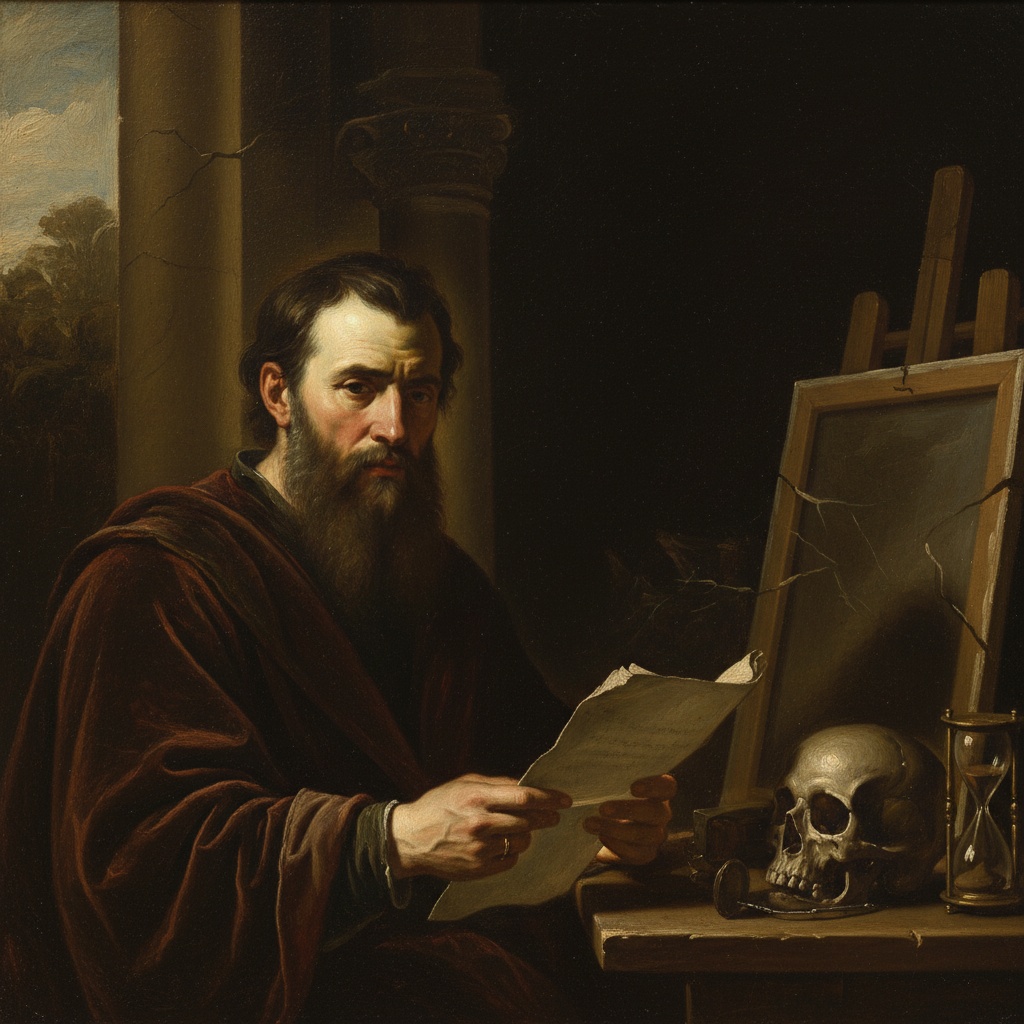
Before the dramatic spotlight effects we associate with masters like Caravaggio, the subtle interplay of light and shadow – chiaroscuro, from the Italian for ‘light-dark’ – existed as a foundational element in artistic representation. Its roots stretch back to ancient Greek vase painting, where artists employed shading to suggest volume and form. However, it was during the Renaissance that chiaroscuro truly began its ascent. Artists like Leonardo da Vinci weren't merely depicting light; they were studying it—observing how it caressed surfaces, modeled features, and created a sense of depth previously unseen. His sketches, often executed on darkened paper with chalk highlights, demonstrate an early fascination with the power of contrast to evoke three-dimensionality. This wasn’t simply about realism; it was about imbuing figures with life, hinting at an inner world through the manipulation of illumination. While not yet the stark drama of later periods, this Renaissance exploration laid the groundwork for a revolution in how artists perceived and portrayed light.
Caravaggio's Revolution: Tenebrism and Dramatic Illumination
 Caravaggio
Explore Caravaggio (1571-1610): Baroque master of realism & tenebrism. Dramatic religious scenes, intense chiaroscuro, and a revolutionary style that influenced Rubens & Rembrandt.
The 17th century witnessed a seismic shift with the arrival of Michelangelo Merisi da Caravaggio. He didn’t simply refine chiaroscuro; he weaponized it. His technique, known as tenebrism (from the Italian ‘tenebroso,’ meaning dark or gloomy), plunged most of his canvases into profound darkness, reserving intense illumination for key figures and moments. This wasn't a gradual blending of light and shadow but an abrupt collision—a spotlight effect that heightened emotional intensity and narrative power. “The Calling of Saint Matthew” exemplifies this perfectly; a single, unseen source casts a beam across a dimly lit tavern, dramatically selecting the apostle for his divine calling. Caravaggio’s subjects were often ordinary people – laborers, fortune tellers, even street urchins – rendered with unflinching realism and imbued with a raw humanity rarely seen before. This naturalism, combined with the theatrical lighting, created scenes that felt shockingly immediate and visceral. He wasn't just painting biblical stories; he was presenting them as if they were unfolding in the viewer’s own world, challenging conventional notions of beauty and piety.
Rembrandt van Rijn: Mastering Light for Psychological Depth
 The Martyrdom of St. Stephen
Rembrandt’s ‘Martyrdom of St. Stephen’: A dramatic Baroque masterpiece showcasing intense light & shadow. Explore this pivotal Dutch Golden Age work.
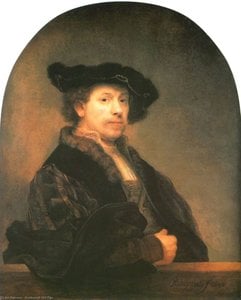
While Caravaggio ignited the tenebrist flame, Rembrandt van Rijn refined it into something profoundly psychological. Unlike Caravaggio's often stark contrasts, Rembrandt’s chiaroscuro was more nuanced—a gentle dance of light and shadow that revealed not just form but also inner states of being. He frequently employed a single light source – a window, a candle flame – to illuminate his subjects, allowing the surrounding darkness to suggest mystery and introspection. His self-portraits are perhaps the most compelling examples; each brushstroke seems to capture a fleeting emotion, a moment of vulnerability or contemplation. “The Martyrdom of St. Stephen”, though dramatic in its subject matter, is equally remarkable for the subtle interplay of light on the faces of the onlookers, revealing their shock, fear, and compassion. Rembrandt wasn’t merely interested in depicting what he saw; he was intent on conveying what it *felt* like to be present at these pivotal moments. He used shadow not as a void but as a space for contemplation, inviting viewers to delve into the complexities of the human spirit.
Beyond Italy & Holland: The Spread and Evolution of Chiaroscuro
The impact of Caravaggio and Rembrandt extended far beyond their native lands. Tenebrism quickly spread throughout Europe, influencing artists in Spain, France, and Flanders. In Spain, painters like José de Ribera adopted the dramatic lighting to enhance the emotional intensity of religious scenes, while Francisco Goya later employed it to convey the horrors of war and social injustice. Northern European artists, however, often took a different approach, embracing a “candlelight tradition” characterized by softer, more diffused illumination. Georges de La Tour’s nocturnal scenes, for example, exude a quiet intimacy, focusing on the everyday lives of ordinary people bathed in the warm glow of candlelight. This wasn't simply imitation; artists adapted chiaroscuro to suit their own cultural contexts and artistic sensibilities. The technique became a versatile tool—capable of conveying everything from religious fervor to domestic tranquility.
Chiaroscuro’s Enduring Legacy in Art and Beyond
The influence of chiaroscuro continues to resonate today, extending far beyond the realm of painting. Its principles have been adopted by filmmakers, photographers, and digital artists alike. The dramatic lighting techniques used in film noir—with their stark shadows and evocative pools of light—are a direct descendant of Caravaggio’s tenebrism. Similarly, portrait photographers often employ “Rembrandt lighting” – a specific arrangement of lights designed to create the same subtle interplay of shadow and highlight seen in his paintings. Chiaroscuro isn't merely a technique; it’s a way of seeing—a recognition that light and shadow are not simply aesthetic elements but powerful tools for conveying emotion, narrative, and psychological depth. At ArtsDot.com, we celebrate the enduring legacy of these masters by offering high-quality reproductions that capture the nuance and drama of their original works, allowing you to experience the captivating power of chiaroscuro in your own home. Explore our collection today and discover the timeless beauty of light and shadow.


