

 Voorvertoning
 Verstuur
 Delen
Delen
 Details bekijken

 Download
 Vergelijkbare items
 Röntgenonderzoek
 Diavoorstelling
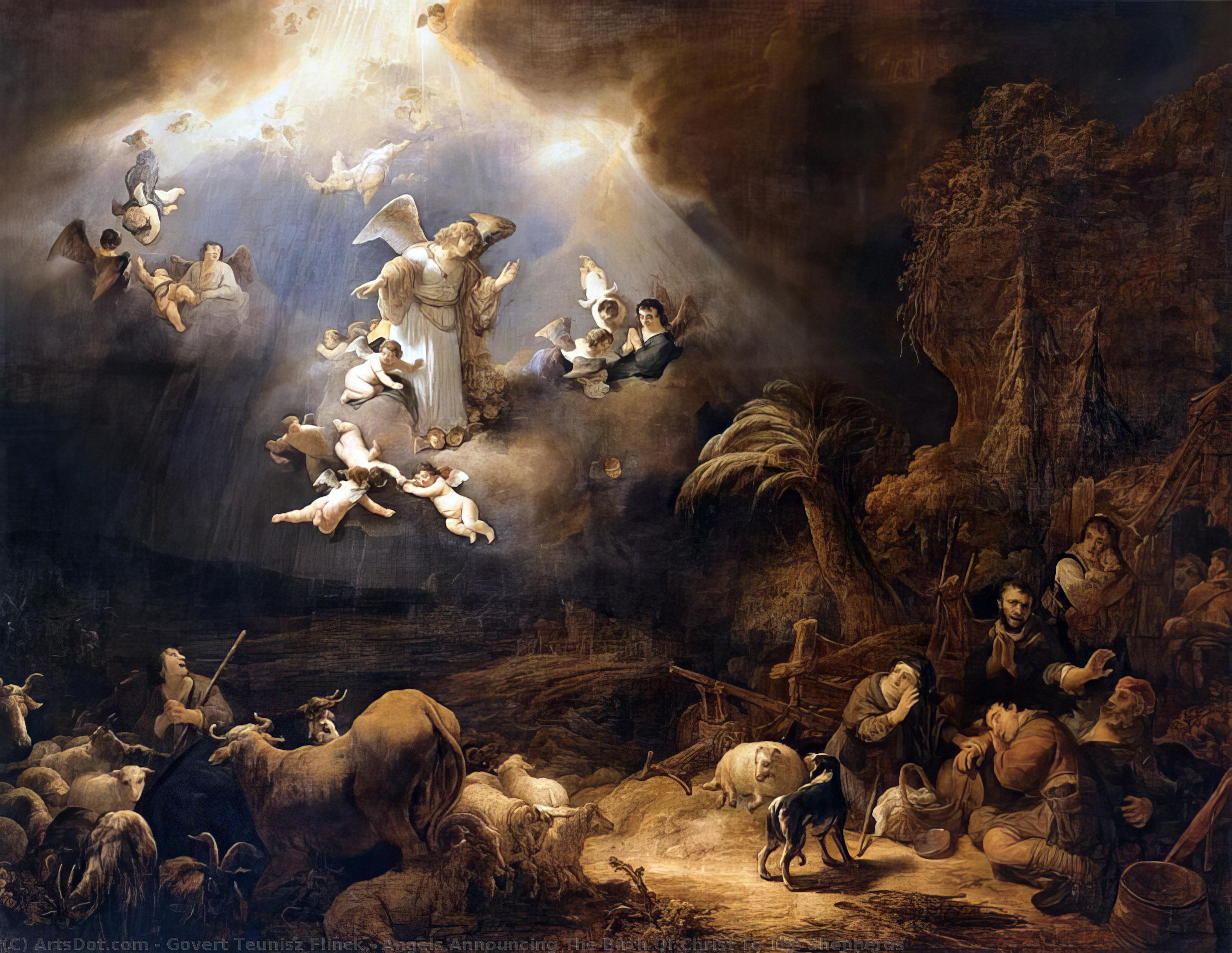
De geboorte van Christus onder de sheperen


 Lees meer
Handgemaakte olieverfreproductie
Met de hand geschilderd in olieverf op canvas in uw gewenste maat en lijst, op bestelling gemaakt door onze kunstenaars. ( Bestel print Koop afbeelding)




P118B $10

P118H $10

P118W $10

P438Z $10

P508JH $12

P508YH $12

P805H $10

P805Z $10

P919BZ $10

P919G $10

P919XJ $10

P959ZH $10

P968JZ $12

W106C $8

W218G $10

W218JH $8

W218Y $10

W307PJ $10

W316G $10

W316PJ $8

W316Y $10

W398PJ $8

W4111J $10

W500HY $15

W500JH $15

W692G $12

W849H $8

W940BG $15

W953PJ $8




Kies uit onze vooraf ingestelde maten die overeenkomen met de originele verhoudingen van het kunstwerk.

U kunt uw eigen afmetingen invoeren om in een specifieke lijst of ruimte te passen. Als de door u gekozen maat niet overeenkomt met de verhoudingen van het originele beeld, zullen we het kunstwerk bijsnijden of het schilderij uitbreiden met extra handgeschilderde elementen. Een digitale mockup wordt ter goedkeuring naar u verzonden voordat de productie begint.
Houd er rekening mee dat de preview op het scherm niet de werkelijke uitsnede of uitbreiding weergeeft. Alleen de mockup toont de uiteindelijke compositie nauwkeurig.
Hoewel aangepaste afmetingen mogelijk zijn, raden we aan een maat uit de vooraf gedefinieerde lijst te selecteren om de originele verhoudingen te behouden.
Na de bestelling zal het team van ArtsDot.com per e-mail contact opnemen met de klant voor instructies en een mockup-voorbeeld sturen.
Wereldwijde levering () binnen 3 tot 4 weken in plaats van de standaard 5 weken. (17 augustus). Zonder concessies aan de kwaliteit.

Gratis wereldwijde expressverzending

Hoogwaardig linnen canvas

Volledige verzendverzekering

Garantie op terugbetaling van invoerrechten

Garantie op exacte kleurweergave

Retourbeleid van 60 dagen (alleen bij defecten)

100% Geld-terug-garantie

Korting bij meerdere afnames
 De optie voor glas is alleen beschikbaar bij een formaat kleiner dan 110 cm.

De geboorte van Christus onder de sheperen
Druktechniek
Afmetingen reproductie
-


Eindtotaal
$ 263
Beschrijving kunstwerk
Een Goddelijke Openbaring: De Aankondiging aan de Herders
Het schilderij van Govert Teunisz Flinck uit 1639 legt een cruciaal moment vast in het christelijke verhaal – de aankondiging van de geboorte van Christus aan de nederige herders. Dit grootschalige werk is niet louter een afbeelding van een Bijbelse gebeurtenis, maar een krachtige verkenning van geloof, verwondering en goddelijke interventie, weergegeven met het dramatische talent dat zo kenmerkend is voor de Nederlandse Gouden Eeuw.
Barok Drama & Artistieke Invloeden
De stijl van Flinck plaatst hem stevig binnen de Baroktraditie, hoewel hij duidelijk beïnvloed werd door zijn tijdgenoot Rembrandt van Rijn. Het schilderij getuigt van een meesterlijke beheersing van chiaroscuro – het dramatische samenspel tussen licht en schaduw – waardoor een intens emotionele atmosfeer ontstaat. Let op hoe het stralende licht uit de hemel neerdaalt, de centrale engel verlicht en over de verbijsterde herders klettert, terwijl een groot deel van het aardse landschap in duisternis gehuld blijft. Deze techniek is niet enkel esthetisch; het symboliseert de komst van goddelijke genade in een wereld die wacht op verlossing.
Techniek & Materialen: Een Schilderachtig Benadering
Uitgevoerd in olieverf op canvas, demonstreert het kunstwerk Flincks bekwame omgang met verf. Hij maakt gebruik van gelaagde penseelstreken en subtiele glazuren om een opmerkelijke diepte en textuur te bereiken. Observeer de impasto – de dikke aanbreng van verf – die bijzonder opvalt in de gewaden van de engelen en de kleding van de herders, wat deze figuren een tastbare kwaliteit geeft. Het landschap is weergegeven met een ruwere textuur, wat prachtig contrasteert met de gladdere oppervlakken van de menselijke vormen.
Historische Context & de Sensibiliteit van de Gouden Eeuw
De 17e-eeuwse Nederlanden beleefden een ongekende bloei van artistiek talent – de Nederlandse Gouden Eeuw. Hoewel bekend om portretten en landschappen, blonken kunstenaars als Flinck ook uit in historische en religieuze onderwerpen. Dit schilderij weerspiegelt een periode van zowel diep geloof als opkomende wetenschappelijke nieuwsgierigheid. De realistische weergave van de herders, hun dieren (inclusief een opmerkelijk expressieve hond) en de pastorale omgeving verankert het goddelijke evenement in het dagelijks leven, waardoor het voor tijdgenoten zeer herkenbaar was.
Symboliek & Emotionele Resonantie
Naast de narratieve inhoud is het schilderij rijk aan symboliek. De schapen vertegenwoordigen de volgelingen van Christus en de kwetsbaarheid van de mensheid. De duisternis symboliseert de wereld vóór de komst van Christus, terwijl het licht goddelijke hoop en genade belichaamt. Flinck legt op meesterlijke wijze een scala aan menselijke emoties vast – van devote eerbied tot plotselinge verbazing – wat de diepgaande impact van deze wonderbaarlijke aankondiging weerspieert. De dynamische compositie, met zijn diagonale as die het oog omhoog leidt naar het hemelse rijk, versterkt het gevoel van spirituele verheffing.
Een Meesterwerk voor de Verfijnde Verzamelaar
“Engelen die de geboorte van Christus aankondigen aan de herders” is meer dan slechts een prachtig schilderij; het is een krachtig pronkstuk. De dramatische compositie, de rijke symboliek en de meesterlijke techniek maken het een ideale toevoeging aan elke collectie of interieur. Of u nu op zoek bent naar een middelpunt voor een woonkamer, bibliotheek of kapel, dit kunstwerk zal ongetwijfeld aanzetten tot contemplatie en een gevoel van ontzag oproepen.
Vergelijkbare kunstwerken


Biografie van de kunstenaar
A Life Painted in Light and Shadow: The Story of Govert Teunisz Flinck
Govert Teunisz Flinck, a name that resonates with the golden age of Dutch painting, was more than just a portraitist; he was a conduit between Rembrandt’s revolutionary style and the burgeoning artistic landscape of 17th-century Amsterdam. Born in Kleve, Germany, in 1615 – a city steeped in both German and Dutch influences – Flinck's early life hinted at a path far removed from the world of art. His father, a prosperous cloth merchant, envisioned a future for his son within the trade, but fate intervened with the unexpected guidance of Lambert Jacobsz, a prominent Mennonite preacher and painter who recognized the young man’s innate artistic talent. This pivotal encounter steered Flinck towards Leeuwarden, where he began his formal training under Jacobsz, laying the foundation for a career that would ultimately eclipse his initial aspirations.
The move to Amsterdam in 1633 marked a turning point. There, Flinck entered the studio of Rembrandt van Rijn, a relationship that profoundly shaped his artistic development. Rembrandt’s influence is undeniably present throughout Flinck's oeuvre – particularly in his early works – characterized by dramatic lighting, nuanced expressions, and a masterful manipulation of chiaroscuro. However, unlike Rembrandt, who often embraced theatricality, Flinck gradually developed a more refined and elegant style, incorporating elements of Rubensian dynamism and a heightened sense of realism. This evolution is strikingly evident in pieces like “Isaac Blessing Jacob” (1638), where the composition’s balance and the figures' emotional depth demonstrate a clear departure from Rembrandt’s immediate influence.
The Portraiture of Power and Prestige
Flinck quickly established himself as one of Amsterdam’s most sought-after portraitists, catering to a clientele that included wealthy merchants, civic officials, and prominent members of the Mennonite community. His portraits weren't merely representations of likeness; they were carefully constructed narratives, imbued with social commentary and reflecting the status and aspirations of his subjects. The “Portrait of a Man, probably Augustijn Wtenbogaert (1577-1655)” exemplifies this approach, showcasing an aged sitter rendered with remarkable sensitivity and capturing not only his physical appearance but also the weight of experience etched upon his face. The use of rich fabrics, intricate details in the background, and subtle gestures all contribute to a portrait that transcends simple likeness, offering a glimpse into the subject’s life and character.
His commissions for civic guardsmen – as seen in “Officers and Other Civic Guardsmen of District XVIII in Amsterdam…” – further cemented his reputation. These works are not simply depictions of military personnel; they are vibrant celebrations of civic pride, meticulously rendered with attention to detail and a keen awareness of the social dynamics at play. The influence of Rembrandt is palpable here, particularly in the dynamic composition and the use of light and shadow to create a sense of movement and drama. The painting captures not just the appearance of the guardsmen but also their role as protectors of Amsterdam’s prosperity and stability.
Beyond the Portrait: Genre Scenes and Religious Narratives
While renowned for his portraits, Flinck's artistic range extended beyond the confines of formal representations. He produced a series of compelling genre scenes – intimate depictions of everyday life – that offered a window into the domestic sphere of 17th-century Amsterdam. These works are characterized by their realism and their ability to capture the nuances of human interaction, revealing both the joys and challenges of daily existence. His religious paintings, such as “Angels Announcing the Birth of Christ to the Shepherds,” demonstrate a masterful command of composition, color, and symbolism, creating scenes that are both visually stunning and emotionally resonant.
Legacy and Influence
Govert Teunisz Flinck’s career spanned nearly four decades, during which he produced an impressive body of work that continues to captivate viewers today. His artistic development—from his early apprenticeship under Rembrandt to the refinement of his own distinctive style—reflects the dynamic artistic climate of the Dutch Golden Age. He left a lasting legacy as one of the most accomplished portraitists and genre painters of his time, influencing generations of artists who followed in his footsteps. His works are now housed in prestigious collections around the world, including the Rijksmuseum in Amsterdam, testament to his enduring contribution to the history of art.

govert teunisz flinck
1615 - 1660 , Germany
Belangrijkste feiten
- Artistic Movement Or Style: Baroque
- Artists Or Movements Influenced By This Artist: ['Peter Paul Rubens']
- Artists Who Influenced This Artist: ['Rembrandt']
- Date Of Birth: January 25, 1615
- Date Of Death: February 2, 1660
- Full Name: Govert Teunisz Flinck
- Nationality: Dutch
- Notable Artworks:
- Angels Announcing Christ
- Portrait of a Man
- Officers Civic Guardsmen
- Place Of Birth: Kleve, Germany
Gerelateerde artikelen

Top 10 Meesterwerken van de Gouden Eeuw: Kunst voor uw interieur | ArtsDot.nl
Ontdek de 10 meesterwerken van de Gouden Eeuw! Leer over Rembrandt, Vermeer & andere Hollandse schilders. Prachtige kunst reproducties voor uw interieur. Museumkwaliteit prints op ArtsDot.com.

Golden Age Reflections: Dutch Baroque Painting & Cultural Innovation
Explore the Dutch Golden Age of painting! Discover key artists like Vermeer & ter Borch, their innovative techniques, and the rich cultural context behind these Baroque masterpieces. Learn about collecting & appreciating this iconic art period.

Illuminating Innovation: Exploring the Dutch Golden Age of Painting
Explore the Dutch Golden Age of painting with ArtsDot. Discover Rembrandt, Vermeer & other Masters. Learn about key characteristics, iconic artworks, and lasting influence. Expert insights for collectors & enthusiasts.
Illuminating Realism: Exploring the Dutch Golden Age of Painting (1600-1700)
Explore the Dutch Golden Age of painting (1600-1700) with ArtsDot. Discover Rembrandt, Vermeer & other masters. Learn about techniques, history & find museum-quality reproductions.

Charles Leickert: Capturing the Dutch Golden Age Light – A Comprehensive Study of Technique, Context, and Legacy
Explore the captivating winter landscapes of Charles Leickert, a master of Dutch Golden Age light & atmosphere. Discover his techniques, symbolism, and lasting legacy – a comprehensive study for art enthusiasts and collectors.


