


 Bekijk op ware grootte
 Verstuur
 Delen
Delen
 Details bekijken
 Gids voor studentenkunstwerken

 Download
 Vergelijkbare items
 Röntgenonderzoek
 Diavoorstelling
 Statistieken
Study Sheet
 Acrylic On Canvas
- WallArt
- Expressionist Printmaking
 1931
1931 40.0 x 32.0 cm
 Kunsthalle Bremen
 Lees meer
Giclée / Kunstafdrukken
Giclée- of canvasafdruk van museumkwaliteit met een snelle productie en flexibele afwerkingsmogelijkheden. ( Koop handgeschilderd kunstwerk Schakel over naar digitale afbeeldingen)




P118B €10

P118H €10

P118W €10

P438Z €10

P508JH €12

P508YH €12

P805H €10

P805Z €10

P919BZ €10

P919G €10

P919XJ €10

P959ZH €10

P968JZ €12

W106C €8

W218G €10

W218JH €8

W218Y €10

W307PJ €10

W316G €10

W316PJ €8

W316Y €10

W398PJ €8

W4111J €10

W500HY €15

W500JH €15

W692G €12

W849H €8

W940BG €15

W953PJ €8




Kies uit onze vooraf ingestelde maten die overeenkomen met de originele verhoudingen van het kunstwerk.

Voer de breedte en de hoogte in die u nodig heeft, passend bij uw lijst of uw muur. Een afdruk kan alleen worden ingekort, nooit groter worden gemaakt dan het origineel, waardoor een formaat met een andere verhouding een deel van de afbeelding verliest. Wij sturen u een digitaal mockup ter goedkeuring voordat we iets drukken. De afbeelding op deze pagina toont niet de werkelijke uitsnede — dit is alleen te zien op het mockup.
Wereldwijde levering () binnen 2 weken in plaats van de standaard 4/5 weken. (24 oktober)

Gratis wereldwijde expressverzending

Hoogwaardig linnen canvas

Volledige verzendverzekering

Garantie op terugbetaling van invoerrechten

Garantie op exacte kleurweergave

Retourbeleid van 100 dagen (alleen bij defecten)

100% Geld-terug-garantie

Korting bij meerdere afnames
 De optie voor glas is alleen beschikbaar bij een formaat kleiner dan 110 cm.

Study Sheet
Giclée / Kunstafdrukken
Formaat reproductie
-


Totaalprijs
€ 55
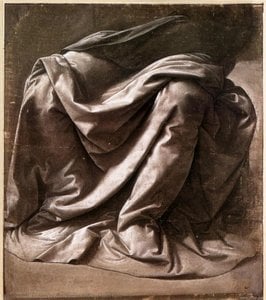
A Portrait of Family Bonds: Käthe Kollwitz’s “Study Sheet”
Käthe Kollwitz's "Study Sheet," created in 1931, transcends mere depiction; it embodies the profound empathy and unwavering commitment to social justice that defined her artistic legacy. This deceptively simple drawing—measuring 40 x 32 cm—offers a glimpse into Kollwitz’s meticulous process and speaks volumes about her enduring fascination with portraying human vulnerability and familial connection. Examining this artwork reveals layers of meaning, reflecting not only the artist's technical prowess but also the socio-political currents shaping early twentieth-century Germany.The Artist’s Vision: Kollwitz’s Style and Technique
Kollwitz’s artistic style is instantly recognizable as Expressionism—a movement characterized by its rejection of idealized beauty in favor of conveying raw emotion and psychological truth. Unlike Impressionists who sought to capture fleeting moments of light, Kollwitz deliberately employed bold lines and muted colors to emphasize the contours of her subjects and imbue them with palpable feeling. The drawing utilizes a charcoal pencil on paper, demonstrating Kollwitz’s mastery of tonal shading—a technique she honed throughout her prolific career. Careful attention is paid to capturing subtle nuances of expression, particularly in the faces of the figures depicted. This deliberate choice underscores Kollwitz's belief that art should serve as a conduit for confronting uncomfortable realities and fostering compassion for those marginalized by society.Historical Context: Weimar Republic Anxiety
“Study Sheet” was produced during the Weimar Republic—a period marked by economic instability, political polarization, and simmering anxieties about the rise of extremist ideologies. Kollwitz’s artistic output coincided with this turbulent era, reflecting a deep concern for the plight of working-class families grappling with poverty and hardship. The depiction of a family huddled together—two adults and two children—immediately evokes images of resilience and solidarity amidst adversity. This motif resonates powerfully within the broader context of Weimar Germany, where anxieties about social upheaval fueled artistic explorations of vulnerability and human dignity. Kollwitz herself was deeply involved in socialist activism, using her art to advocate for social reform and denounce injustice – a commitment that permeated every piece she created.Symbolism Within Simplicity: The Family Unit
The inclusion of three cats within the composition adds another layer of symbolic significance. Cats have long been associated with domestic tranquility and maternal care—representing comfort and protection within the familial sphere. Their presence subtly reinforces Kollwitz’s central theme: the importance of nurturing relationships and safeguarding vulnerable individuals against external pressures. The artist's careful rendering of each feline contributes to the overall atmosphere of warmth and companionship, highlighting Kollwitz’s ability to distill complex emotions into deceptively understated visual elements.Emotional Resonance: A Legacy of Compassion
Ultimately, “Study Sheet” succeeds in capturing a moment of profound human connection—a testament to Kollwitz's unwavering empathy for the suffering masses. The drawing compels viewers to contemplate themes of familial love, resilience, and compassion—values that remain remarkably relevant today. It serves as an enduring reminder that art can illuminate the darkest corners of experience while simultaneously affirming the inherent dignity of every human being. Kollwitz’s masterful technique and her unflinching portrayal of emotion solidify “Study Sheet” as a cornerstone of Expressionist art and a poignant reflection on the human condition.Vragen & Antwoorden
Wie heeft "Study Sheet" gemaakt en in welk jaar?
"Study Sheet" werd in 1931 gecreëerd door Käthe Kollwitz.
Wat voor soort kunstwerk is "Study Sheet"?
"Study Sheet" door Käthe Kollwitz wordt geclassificeerd als WallArt. De categorie beschrijft het type kunstwerk dat het origineel is.
Wat voegt "Study Sheet" door Käthe Kollwitz toe aan een interieur?
De Calm sfeer van "Study Sheet" door Käthe Kollwitz past perfect bij de aanbevolen ruimte: een Living Room.
Gerelateerde kunstwerken




Biografie van de kunstenaar
Het vroege leven en het artistieke ontwaken
Käthe Kollwitz, geboren als Käthe Schmidt op 8 juli 1867 in Königsberg (nu Kaliningrad, Rusland), kwam voort uit een familie die diep geworteld was in zowel intellectuele fermentatie als sociaal geweten. Haar vader, Karl Schmidt, was een progressief politiek figuur—een radicaal sociaaldemocraat en vrijmetselaar—terwijl haar grootvader aan moederszijde, Julius Rupp, in de jonge Käthe een krachtige mengeling van religieuze overtuiging en socialistische idealen plantte. Deze unieke opvoeding bleek fundamenteel en vormde niet alleen haar wereldbeeld, maar ook de kern van haar artistieke expressie. Al als kind toonde Kollwitz een aangeboren talent voor tekenen, aangemoedigd door haar vader die haar ontluikende creativiteit herkende en koesterde. Haar formele opleiding begon op twaalfjarige leeftijd onder de begeleiding van de lokale kunstenaars Gustav Naujok en Rudolf Mauer in Königsberg, wat de basis legde voor een levenslange toewijding aan visuele verhalen. Deze vroege lessen waren niet louter technische oefeningen; het waren de eerste stappen op een pad naar het worden van een krachtige stem voor de gemarginaliseerden en onderdrukten. Ze vervolgde haar studies in Berlijn en München, waar ze zich onderdompelde in de artistieke stromingen van de late 19e eeuw, maar keerde altijd terug naar de menselijke conditie als haar centrale onderwerp.De smeltkroes van ervaring: Kunst en sociale kritiek
Het huwelijk van Kollwitz met Karl Kollwitz in 1891 markeende een cruciaal moment, zowel persoonlijk als artistiek. Het paar vestigde zich in Berlijn, waar Karl als arts werkte onder de arme arbeidersklasse van de stad. Deze directe blootstelling aan ontbering en lijden had een diepgaande invloed op Käthe's artistische visie. Aanvankelijk richtte haar werk zich op het afbeelden van de realiteit van het arbeidersleven, doordrenkt met de sociaaldemocratische principes die ze van haar familie had geabsorbeerd. Het was echter de Weverscyclus (1894-1898), een reeks prenten geïnspireerd door het toneelstuk van Gerhart Hauptmann met dezelfde naam, die Kollwitz naar brede erkenning katapulteerde. Dit krachtige werk portretteerde op levendige wijze de wanhoop en de opstand van de Silezische wevers die te maken hadden met economische uitbuiting—een rauwe aanklacht tegen sociale onrechtvaardigheid, weergegeven met onverzettelijke eerlijkheid. Ze schuwde het niet om de brute realiteiten die ze getuigde te tonen; in plaats daarvan omarmde ze deze als essentiële onderdelen van haar artistieke waarheid. Na de Wevers begon Kollwitz aan de Boerenoorlogcyclus (1902-1908), waarin ze thema's van rebellie en onderdrukking verkende door de lens van de Duitse geschiedenis uit de 16e eeuw. Deze vroege cycli vestigden haar reputatie als een kunstenaar die diep verbonden was met het sociaal realisme, maar die ook al hintte naar de emotionele intensiteit die een handelsmerk van haar stijl zou worden.Verlies, rouw en de expressionistische impuls
De Eerste Wereldoorlog bracht onvoorstelbare tragedie in het leven van Kollwitz. De dood van haar zoon, Peter, in 1914 verscheurde haar wereld en veranderde het verloop van haar kunst onherroepelijk. Rouw werd een centraal thema dat doordrong in werken zoals De dood met een meisje op haar schoot, een aangrijpende weergave van moederlijk verdriet die de specifiete losslag overstijgt om universele rouw te belichamen. Deze periode zag ook een verschuiving in haar artistieke stijl, waarbij ze zich bewoog van strikt realisme naar een meer emotioneel geladen expressionisme. Hoewel ze de representatieve vormen nooit volledig verliet, begon Kollwitz vormen te vereenvoudigen en de emotionele impact te vergroten door scherpe contrasten en dramatische composities. Werken als Oude man met strop en Toren van moeders zijn voorbeelden van deze evolutie—rauwe, viscerale uitingen van wanhoop en de verwoestende gevolgen van oorlog. Haar meesterschap in grafische technieken—etsen, lithografie, houtsnede—stelde haar in staat deze effecten te bereiken, waarbij ze aquatint en schuurpapier gebruikte om dramatische texturen en tonale variaties te creëren.Erkenning, veerkracht en een blijvende erfenis
Ondanks de enorme persoonlijke tegenslagen bleef Kollwitz kunst creëren die maatschappelijke normen uitdaagde en een stem gaf aan de stemlozen. In 1919 bereikte ze een historische mijlpaal door als eerste vrouw te worden verkozen tot de Pruisische Academie van de Kunsten—een getuigenis van haar artistieke prestaties en groeiende invloed. Deze erkenning was echter van korte duur. Met de opkomst van het nazisme in Duitsland werd Kollwitz in 1933 gedwongen de Academie te verlaten, en haar werk werd verboden als "ontaarde kunst". Onverzettelijk wendde zij zich in haar latere jaren tot de beeldhouwkunst, waarbij ze thema's van rouw, verlies en veerkracht bleef verkennen in brons en steen. Ze stierf nabij Dresden in 1945, tijdens de laatste dagen van de Tweede Wereldoorlog, een aangrijpend einde voor een kunstenaar die haar leven had gewijd aan het getuigen van menselijk lijden. Vandaag de dag wordt Käthe Kollwitz gevierd als een sleutelfiguur in het expressionisme en als een krachtige pleitbezorger voor sociale rechtvaardigheid. Haar kunst blijft resoneren bij publiek wereldwijd, en herinnert ons aan de blijvende kracht van empathie en het belang van het onder ogen komen van moeilijke waarheden. Het Käthe Kollwitz Museum in Berlijn staat als een blijvend eerbetoon aan haar nalatenschap, wat ervoor zorgt dat haar diepgaande artistieke visie toekomstige generaties zal blijven inspireren.Invloeden en artistieke stijl
De artistieke ontwikkeling van Kollwitz werd gevormd door verschillende belangrijke invloeden. Max Klinger's prentenserie Ein Leben (Een leven) had een diepgaande impact op haar vroege werk, door het potentieel van grafische cycli voor narratieve storytelling te tonen. De toneelstukken van Gerhart Hauptmann boden thematische inspiratie voor werken als de Wevers, terwijl de medische praktijk van haar echtgenoot haar blootstelde aan de harde realiteit van de Berlijnse arbeidersklasse. Kollwitz was echter niet louter een verslaggever van externe gebeurtenissen; ze bezat het uitzonderlijke vermogen om persoonlijke ervaringen te vertalen naar universele emoties. Haar stijl kenmerkt zich door rauwe emotionele intensiteit, vereenvoudigde vormen en een meesterlijk gebruik van licht en schaduw. Hoewel geworteld in het realisme, overstijgt haar werk de loutere representatie en duikt het in de psychologische diepten van het menselijk lijden. Ze was niet geïnteresseerd in schoonheid om de schoonheid zelf; ze streefde ernaar kunst te creëren die tot nadenken zou stemmen, empathie zou opwekken en uiteindelijk zou bijdragen aan een rechtvaardiger wereld. Haar nalatenschap is niet enkel een kwestie van artistieke innovatie, maar ook van morele moed. Kollwitz blijft een blijvend symbool van de kunstenaar als sociaal geweten.
Käthe Kollwitz
1867 - 1945 , Rusland
Snelle feiten
- Artistic Movement Or Style: Expressionisme
- Artists Or Movements Influenced By This Artist: ['Expressionisme']
- Artists Who Influenced This Artist:
- Max Klinger
- Gerhart Hauptmann
- Date Of Birth: 8 juli 1867
- Date Of Death: 22 april 1945
- Full Name: Käthe Kollwitz
- Nationality: Duits
- Notable Artworks:
- De Wevers Cyclus
- De Boerenoorlog Cyclus
- Place Of Birth: Kaliningrad, Rusland
Gerelateerde artikelen

Van Kinderkamer tot Familieverhalen: Gepersonaliseerde Portretten als Chroniek van Generaties
Laat een uniek familieportret schilderen door professionele kunstenaars. Bewaar uw dierbare herinneringen voor altijd met een gepersonaliseerd meesterwerk. Vraag nu een offerte aan!

Meesterwerken in Zwart: Top 10 Schilderijen Gedreven door Donkere Tinten | ArtsDot.nl
Ontdek de kracht van donker! Verlies jezelf in onze top 10 zwarte schilderijen, van Caravaggio tot Manet. Leer over meesterwerken, technieken & emotie. Museumkwaliteit reproducties op ArtsDot.com – Kunst voor uw interieur.

Meesterwerken in Zwart: Top 10 Schilderijen Gedreven door Ivoorkleurig Zwart - ArtsDot.com
Ontdek de kracht van ivoorkleurig zwart in 10 iconische schilderijen. Van Rembrandt tot Manet, duik in de verhalen achter deze meesterwerken en vind perfecte kunst voor uw interieur. Museumkwaliteit reproducties op ArtsDot.com

Leonardo da Vinci's Top 25 Meesterwerken: Kunst voor uw Interieur | ArtsDot
Ontdek de 25 meest iconische meesterwerken van Leonardo da Vinci! Van de Mona Lisa tot De Laatste Avondmaal, leer over zijn techniek & geschiedenis. Museumkwaliteit kunstprints voor uw interieur op ArtsDot.com
Meesterwerken in Zwart: Top 10 Schilderijen Gedreven door Mars Black - ArtsDot
Ontdek de kracht van 'Mars Black' in 10 iconische schilderijen! Van Rembrandt tot Manet, duik in de donkere esthetiek en emotionele diepgang van meesterwerken. Vind museumkwaliteit reproducties & decoratie-inspiratie op ArtsDot.com.