

Turinio sąrašas
Pagrindinė informacija
- Featured artists:
- Titian
- Tintoretas
- Location: Venecija, इटالیا
- Art types: sienų dekoracijos
- Alternate names:
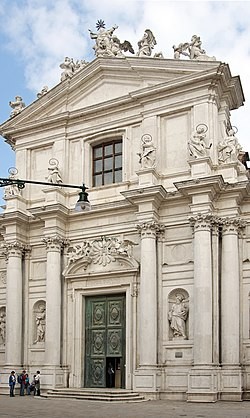
- I Gesuiti
- Chiesa di Santa Maria Assunta
- Rodyti daugiau…
- Mediums: aliejus ant drobės
- Works on APS: 2
- Historical periods: renesansas
Meno viktorina
Kiekvienas klausimas turi tik vieną teisingą atsakymą.
Klausimas 1:
Kokia architektūros stilius dominuoja I Gesuiti?
Klausimas 2:
Kurį ordinas įkūrė Santa Maria Assunta (I Gesuiti) bažnyčią?
Klausimas 3:
Kas yra garsėjantis savo freskomis ir dekoratyviniais paveikslais I Gesuiti viduje?
Klausimas 4:
Kokia yra pastebimiausia I Gesuiti fasado savybė?
Klausimas 5:
Kuris menininkas padėjo didelę eilę bažnyčios skulptūrinės programai?
Eksponuojami pavadinėliai

Ticianas
Pieve di Kadore Italija Ticianas Tiziano Vecellio Ticianas (1490–1576) – italų Renesanso dailininkas, žinomas dėl spalvoto portretų, mitologinių scenų ir novatoriškų dažymo technikų. Ištyrinėkite jo kūrybos palikimą! Renesansas, Venecijos dailės mokykla Vakarų dailininkai Džovanis Belinis apie 1490 m. 1576 m. Tiziano Vecellio italų Vyras su kilimėliu Pieve di Kadore, Italija Florenci


Tintoretas
Tintoretto buvo Venecijos meistras, žinomas dėl dramiško stiliaus (*Il Furioso*), inovatyvaus šviesos naudojimo ir perspektyvos principų bei ikoninių darbų – paskutiniuoju Šventųjų metų paveikslėliu.
Susiję straipsniai

Prado Šedevrai: Top 25 Tapybų Kūriniai, Įkvėpę Kartas | ArtsDot
Atraskite 25 ikoniškus Prado muziejaus šedevrus! Goya, Velázquez ir El Greco kūriniai – istorijos, stiliai, įkvėpimas jūsų interjerui. Meno reprodukcijos aukščiausia kokybe ArtsDot.com
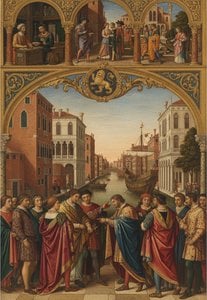
Vittore Carpaccio: Venetian Renaissance Narrative & the Poetics of Detail
Explore the captivating world of Vittore Carpaccio, a master storyteller of the Venetian Renaissance. Discover his intricate details, narrative cycles like 'The Legend of St. Ursula,' and unique artistic style.

Renaissance Humanism's Greatest Art: 10 Masterpieces for Your Home
Explore 10 Renaissance Humanism masterpieces by Leonardo da Vinci, Michelangelo & Raphael. Discover the stories behind these iconic paintings & sculptures and bring timeless art into your home with museum-quality reproductions from ArtsDot.com. Explore the full collection online!
Darbų sąrašas
Paveikslų nerasta.


Prenumeruokite mūsų naujienlaiškį
Sekite naujausias meno naujienas, išskirtinius pasiūlymus ir dekoravimo idėjas.
Gaukite 3 nemokamus meno pasiūlymus
Pasakokite mums apie savo projektą, o mūsų meno ekspertai parengs jums 3 asmeniškus meno pasiūlymus.
Not Sure Where to Start?
Let Us Curate 3 Options Just for You - Free!