New to Ukiyo-e? Start here

Famous Ukiyo-e Autoriai: Our Top 39

If you remember one Ukiyo-e autorius, make it Katsushika Hokusai (1760–1849), the name behind The Great Wave off Kanagawa, 1830 ir Fuji, Debes įrišos Oro (Ruda Fuji). After that come Hiroshige, Utamaro, Tsukioka Yoshitoshi ir Kijonaga Torii. Our 39 picks go from Hishikawa Moronobu (born 1618) to Goyō Hashiguchi (born 1880), from 3 countries.

How we picked them. We list the artists our catalogue links to Ukiyo-e, from the most famous down. Artists born after 1955 that we cannot yet check on Wikidata are left out. The Wikipedia number shows in how many of our 32 languages Wikipedia writes about them.

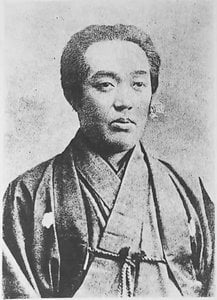
  1. The Great Wave off Kanagawa, 1830 – Katsushika Hokusai kūrinys1Katsushika Hokusai
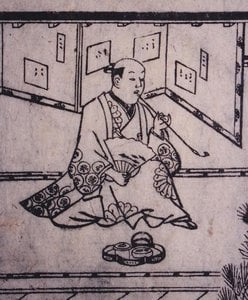
  2. Early Department from a Daimyo – Hiroshige kūrinys2Hiroshige
  3. Courtesan or Kneeling Lady with Fan from the series Seasonal Poems Composed by Famous Women – Utamaro kūrinys3Utamaro

Quick facts

Ukiyo-e in a nutshell

  • 39Autoriai
  • 1618–1880Gimimo metai
  • 3Gimimo šalys
  • 0Moterys
  • 1Gyvybės menininkai
  • 5.896Darbai mūsų kataloge
Miestai su didžiačiu gimimų skaičiumi
Edas (6), Tokyo (6), Tokijas (5), Edo (2)
Muziejai, kuriuose saugoma daugiausia pagrindinių veikalų
Metropolitano meno muziejus (12), Bujalance Collection (10), Keio University Library (9), Cleveland Museum of Art (3)

Meet them one by one

The 39 famous Ukiyo-e autoriai, from most famous down

1of 39

Katsushika Hokusai

From Tokijas On Wikipedia in 32 of 32 languages

Katsushika Hokusai

Katsushika Hokusai, vardas, neatsiejamas nuo japoniškosios dailės ir ikoninio vaizdinio Didžioji banga Kanagavos, buvo kur kas daugiau nei tik medžio išraižomis atspausdintas pavekslas. Gimė Edo (šiandieninis Tokijas) maždaug 1760 metais, jo gyvenimas buvo nuolatinis meninio meistriškumo siekimas, pastovi transformacija, pažymima besikeičiančiais vardais ir nepasotinamu smalsumu.

Works to know · Their 100 best-known works

2of 39

Hiroshige

Japonas From Edas Ukiyo-e On Wikipedia in 30 of 32 languages

Hiroshige

Utagawa Hiroshige, gimęs 1797 m. pulsuojančiame Edo mieste (šiuolaikiniame Tokijuje) kaip Andō Tokutarō, yra viena svarbiausių figūrų ukiyo-e, ar „plaukiojančiosios pasaulio vaizdų“, pasaulyje.

Works to know · Their 100 best-known works

3of 39

Utamaro

From Kavagojė On Wikipedia in 27 of 32 languages

Utamaro

Jis išlieka vienas švęčtiniausių Edo laikotarpio medžio siudrų spaudos ir tapybos kūrėjų, palikęs neištrinkiamą pėdsaką tiek Japonijos menui, tiek Vakarų impresionizmui. Teigiama, kad apie 1753 m. gimė kaip Kitagawa Ichitarō, nors jo gimimo vieta išlieka neaiški – siūlomos įvairios vietos, įskaitant Kjoto, Osaką, Yoshiwarą (Edo) ir Kawagoe. Vėliau jis dirbo Kitagawa Toyoaki vardu, iliustruodamas populiarią literatūrą ir retai vaizduodamas kabuki aktorių portretus. 1782 m.

Works to know · Their 100 best-known works

4of 39

Tsukioka Yoshitoshi

Japonas From Edas Ukiyo-e On Wikipedia in 15 of 32 languages

Tsukioka Yoshitoshi

Tsukioka Yoshitoshi, gimęs Owariya Yonejiro 1839 metais senojo Edo (dabartinės Tokijo) gatvių šurmulėjime, iškilęs figūra Japonijos meno istorijoje. Jo gyvenimas susidūrė su visuomenės sukilimu – Tokugawa šogūnato nykimo metais, Meidzžio atkuriamuoju periodu ir Vakarų idėjų staigiu įtaka – visa tai giliai paveikė jo meninę viziją.

Works to know · Their 100 best-known works

5of 39

Kijonaga Torii

Japone From Edas Ukiyo-e On Wikipedia in 16 of 32 languages

Kijonaga Torii

1752 metais, pulsuojančiame Edo (šiuolaikinio Tokio) širdyje, gimęs Sekiguchi Shinsuke tapo vienu garsiausių ukiyo-e, ttai „paukščio skrendančio pasaulio vaizdų“, meistrų. Kaip knygyninko sūnus, Kiyonaga ankstyvoji gyvenimo karta suteikė jam prieigą prie kultūrinių Edo visuomenės sūkurio, skatindama vertinti gyvybingus pramogų rajonus ir išrafinuotą gyventojų skonį. Pasivadino meniniu vardu Torii Kiyonaga, taip parodydamas savo ambicijas prestižinėje Torii mokykloje – nors ir nebuvo biologiškai susijęs su šia šeima, galiausiai tapo jos lyderiu.

Works to know · Their 100 best-known works

6of 39

Utagawa Kunijošis

From Tokijas On Wikipedia in 24 of 32 languages

Utagawa Kunijošis

Utagawa Kunijošis, gimęs Jošisaburou 1798 metų sausio 1 dieną Edo mieste (šiandien Tokijas), yra laikomas vienu iš paskutinių didžiųjų ukiyo-e tradicijos atstovų – „plaukiančiojo pasaulio paveikslų“, kurie taip ryškiai perteikė Japonijos gyvenimą Edo periode. Perversmas įvyko 1827 metais išleidus Šimto aštuonių herojų populiarioje Suikoden seriją, sukurtą remiantis kinų romanu Shui Hu Zhuan. Šis darbas pakėlė Kunijošį į šlovę, įtvirtindamas jį kaip musha-e – karių spaudinių meistrą.

Learned from Utagawa Toyokuni I #13 · Taught Utagawa Yoshitora #32, Kawanabe Kyōsai #11

Works to know · Their 100 best-known works

7of 39

Harunobu Suzuki

Japonas From Edas Ukiyo-e On Wikipedia in 21 of 32 languages

Harunobu Suzuki

Gimęs maždaug 1725 metais, jis atsirado šeimoje, kurios istoriją lydėjo perpildymai ir perpindahanai; jo tėvas, Shigekazu, bei grandfatheris, Shigemitsu, buvo išnagdinti iš Edo į Kiotą. Tikėtina, kad Harunobu mokėsi ukiyo-e meistro Nishikawa Sukenobu, ir šis ryšys stipriai nuplasmė jo estetinį kryptį.

Works to know · Their 100 best-known works

8of 39

Hishikawa Moronobu

Japonas From Hota Ukiyo-e On Wikipedia in 20 of 32 languages

Hishikawa Moronobu

Hishikawa Moronobu, gimęs Edo (šiuolaikinėje Jokaije) 1618 metais, yra kreipinys, pelnęs lankstuvą Japonijos meno istorijoje. Prieš Moronobu epochą tapyba ir grafika buvo priglaudamos prie įtvirtintų temų: Kinijos meistrų įkvėstų kraštovarių, elitų portretų bei religinių motyvų.

Works to know · Their 100 best-known works

9of 39

Utagawa Kunisada

Japone From Edas Ukiyo-e On Wikipedia in 17 of 32 languages

Utagawa Kunisada

Utagawa Kunisada, gimęs kaip Sumida Shōgorō IX gyvybingiame Japonijos Honjo rajone, yra vienas garsiausių XIX amžiaus ukiyo-e menininkų. Jo gausi kūryba ir nepanašus komercinis sėkmės lygis užtvirtino jo vietą tarp tokių titanų kaip Hiroshisige, Hokusai ir Kuniyoshi, padarius jį neabejo spalvintų medžio plokštelių spaudos šono didžiausiu meistru Edo laikotaropiui.

Learned from Utagawa Toyokuni I #13

Works to know · Their 100 best-known works

10of 39

Čobunsaj Eiši

Japonas From Tokio Ukiyo-e, Bijin-ga On Wikipedia in 11 of 32 languages

Čobunsaj Eiši

While the exact circumstances surrounding his artistic awakening remain somewhat shrouded in mystery, it’s believed he received early instruction from Kanō Michinobu, a prominent master of the Kanō school of painting – renowned for its meticulous detail and stylized depictions of nature and religious subjects.

Works to know · Their 100 best-known works

11of 39

Kawanabe Kyōsai

Japanese From Koga Ukiyo-e, Caricature, Manga pioneer On Wikipedia in 10 of 32 languages

Kawanabe Kyōsai

This early shock preceded a formal education under the masters of the Kanō school and Utagawa Kuniyoshi. During the political shifts from the Edo period to the Meiji era, he became a figure of both fascination and friction.

Works to know · Their 100 best-known works

12of 39

Keisai Eisen

Japanese From Edo Bunsei Era Ukiyo-e On Wikipedia in 15 of 32 languages

Keisai Eisen

In the vibrant, flickering light of 19th-century Edo, few artists captured the pulse of the "floating world" with as much evocative intensity as Keisai Eisen. This shift defined the aesthetic of the Bunsei era (1818–1830), a period often characterized by its decadent and psychologically complex atmosphere. In works such as his depictions of Fukaya Station or Ageo Station, he transformed mere topographical records into cinematic snapshots of life in motion.

Works to know · Their 100 best-known works

13of 39

Utagawa Toyokuni I

Japanese From Shiba Ukiyo-e On Wikipedia in 13 of 32 languages

Utagawa Toyokuni I

His father, Kurahashi Gorobei, was a skilled carver specializing in dolls and puppets – miniature representations often modeled after the celebrated performers of the kabuki stage.

Taught Utagawa Kunimasa #15, Utagawa Kunisada #9, Utagawa Toyokuni II #35

Works to know · Their 100 best-known works

15of 39

Utagawa Kunimasa

Japanese From Aizuwakamatsu Utagawa School

Utagawa Kunimasa

In the bustling, neon-lit atmosphere of Edo-period Japan, few artists captured the electric pulse of urban life as evocatively as Utagawa Kunimasa. Born in 1773 in the rugged landscape of Aizuwakamatsu, Kunimasa’s journey to becoming a master of the Ukiyo-e woodblock print was one of unexpected transformation.

Works to know · Their 100 best-known works

17of 39

Sharaku

Japan ukiyo-e On Wikipedia in 19 of 32 languages

Sharaku

Sharaku was a Japanese ukiyo-e print designer active between 1794 and 1795. His prolific output focused primarily on yakusha-e, which are portraits of kabuki actors. These works often emphasized the dynamism and energy of the subjects, frequently utilizing a realism that highlighted unflattering details such as wrinkles or large noses.

Works to know · Their 100 best-known works

18of 39

Utashige

Japanese Ukiyo-e

Utashige

Born Andō Tokutarō in 1797, within the bustling heart of Edo (modern Tokyo), Utagawa Hiroshige’s path to becoming Japan's last great ukiyo-e master was not one initially paved with artistic ambition. This shift was significantly influenced by Hokusai’s groundbreaking Thirty-six Views of Mount Fuji, a series that demonstrated the power of focusing on a single motif across multiple compositions.

Works to know · Their 100 best-known works

19of 39

Miyagawa Chōshun

Japanese From Miyagawa Ukiyo-e On Wikipedia in 9 of 32 languages

Miyagawa Chōshun

In the vibrant tapestry of Japan's Edo period, Miyagawa Chōshun emerged as a singular voice, a painter who captured the ephemeral beauty of the "floating world" with unparalleled grace. Furthermore, his connection to the pioneer of ukiyo-e, Hishikawa Moronobu, provided him with the foundational spirit of the genre.

Works to know · Their 100 best-known works

21of 39

Isoda Koryūsai

Japanese From Tokyo Ukiyo-e On Wikipedia in 10 of 32 languages

Isoda Koryūsai

In the vibrant, bustling heart of the Edo period, a golden age of Japanese creativity, few names resonate with as much elegance and prolific energy as Isoda Koryūsai. Born in 1735 in the burgeoning metropolis of Tokyo—then known as Edo—Koryūsai was a man shaped by the dualities of his era.

Works to know · Their 100 best-known works

22of 39

Ogata Gekko

Japanese From Tokyo Ukiyo-e, Nihonga On Wikipedia in 9 of 32 languages

Ogata Gekko

Ogata Gekko (1859-1920) stands as a pivotal figure in late 19th and early 20th century Japanese art, a master who defied convention and forged a uniquely captivating style. Born Nakagami Masanosuke in Edo (modern Tokyo), his journey from humble beginnings to international recognition is as compelling as the vibrant scenes he brought to life on woodblock prints.

Works to know · Their 100 best-known works

23of 39

Kobayashi Kiyochika

Japono From Tokijas Ukiyo-e, Kōsen-ga On Wikipedia in 10 of 32 languages

Kobayashi Kiyochika

Tokyje, pasuityjančiame Edo laikotarpio Japonijos saulėlydį, Kobayashi Kiyochika tapo lemiama figūra šalies meninės transformacijos metu. Po tėvo mirties 1gan 1862 m. ant jauno Kiyochika meklėjo šeimynės atsakomybės našta, o tai privertė jį prisitaikyti ir iškovoti savo kelią. Ši ankstyva patirtis įsidėmėjo jame atsparumu ir pragmatiškumu, kurie vėliau nulemė jo meninius sprendimus.

Learned from Kawanabe Kyōsai #11

Works to know · Their 100 best-known works

24of 39

Adachi Ginko

Japanese Ukiyo-e

Adachi Ginko

In the vibrant, transformative era of the late Meiji period, few artists captured the shifting soul of Japan as vividly as Adachi Ginkō. Born in 1853, a time when the traditional structures of the Edo period were beginning to yield to the rapid modernization of the West, Ginkō emerged as a master of the Ukiyo-e tradition.

Works to know · Their 100 best-known works

25of 39

Toyohara Chikanobu

Japanese Shin-hanga

Toyohara Chikanobu

In the twilight of the Edo period and the dawn of a modernizing Japan, few artists captured the profound tension between tradition and transformation as masterfully as Toyohara Chikanobu. Born in 1838, an era of profound cultural shifts, Chikanobu—often recognized by his art name Yōshū Chikanobu —emerged as a monumental figure in the world of Japanese woodblock printing.

Works to know · Their 100 best-known works

26of 39

Utagava Tojohiro

Japanese From Toyooka Ukiyo-e On Wikipedia in 8 of 32 languages

Utagava Tojohiro

In the vibrant tapestry of the Edo period, few names resonate with the quiet elegance and technical mastery of Utagawa Toyohiro. Born as Okajima Tōjiro in Toyooka, Japan, this distinguished artist emerged as a pivotal figure within the renowned Utagawa school.

Works to know · Their 100 best-known works

27of 39

Mizuno Toshikata

Japanese From Tokyo Ukiyo-e, Kuchi-e

Mizuno Toshikata

Mizuno Toshikata (1866-1908) stands as a quietly significant figure within the vibrant tapestry of ukiyo-e art, a tradition that flourished in Japan from the 17th to the 19th centuries.

Works to know · Their 100 best-known works

28of 39

Ishikawa Toyonobu

Japanese From Tokyo Ukiyo-e (Lacquer Print Art) On Wikipedia in 7 of 32 languages

Ishikawa Toyonobu

Among them stands Nishimura Shigenobu, also known as Ishikawa Toyonobu (1711–1785), a figure whose work embodies both the elegance and subtle sensuality characteristic of early ukiyo-e. He is often considered to have been the same person as Nishimura Shigenobu, a contemporary artist and student of Nishimura Shigenaga. Toyonobu’s artistic education began under the tutelage of Nishimura Shigenaga, a pupil of the renowned Okumura Masanobu.

Works to know · Their 100 best-known works

29of 39

Kogyo Sakamaki

Japanese Noh Theatre Prints

Kogyo Sakamaki

Kōgyo Sakamaki, whose name translates to “Moonlit Harvest,” stands as one of Japan’s most revered printmakers of the Meiji era (1868–1912), a period marked by rapid modernization and cultural introspection.

Works to know · Their 100 best-known works

30of 39

Hokkei

From Tokyo On Wikipedia in 8 of 32 languages

Hokkei

Born in Edo (modern Tokyo) in 1780, Toyota Hokkei emerged as a significant, though often understated, figure within the vibrant world of ukiyo-e, the “pictures of the floating world.” Unlike some of his more flamboyant contemporaries, Hokkei cultivated a style characterized by serene beauty and meticulous detail.

Learned from Katsushika Hokusai #1

Works to know · Their 100 best-known works

31of 39

Sadatora

Japanese From Tokyo Ukiyo-e

Sadatora

In the vibrant, pulsing heart of Edo-period Japan, where the concept of ukiyo —the floating world—defined the very essence of existence, Utagawa Sadatora emerged as a master of capturing the ephemeral. Born around 1825 in the bustling metropolis of Tokyo, Sadatora was more than just a practitioner of woodblock printing; he was a poet of the atmospheric and the transient.

Works to know · Their 100 best-known works

32of 39

Utagawa Yoshitora

Utagawa Yoshitora

Born into a lineage of printmakers – though precise dates remain elusive – Yoshitora flourished during the late Edo and early Meiji periods (roughly 1830s to 1880s), a time of immense social and artistic upheaval in Japan.

Works to know · Their 100 best-known works

33of 39

Toyohara Kunichika

Japone From Edas Ukiyo-e (Yakusha-e, Bijinga) On Wikipedia in 10 of 32 languages

Toyohara Kunichika

Toyohara Kunichika, žymus Japonijos medelių spausdinimo meistras, gimė 1835 m. birželio 30 d. Dar mažame amžiuje iškilęs dėl savo išskirtinio talento, ketvirtlikදී jis tapo Tokio geriausio grafikos meistro utagawa kunisada mokinio.

Works to know · Their 100 best-known works

34of 39

Utagawa Kunisada Ii

Japonas From Tokijas Ukiyo-e (yakusha-e) On Wikipedia in 6 of 32 languages

Utagawa Kunisada Ii

utagawa kunisada ii, taip pat žinomas kaip toyokuni iv, buvo iškilmingas japonijos ukiyo-e litografijų meistras, gimęs Edo mieste, Japonijoje, 1823 metais. Jis buvo utagawa kunisada i mokinys ir daugelį savo ankstyvųjų darbų menandavo pavardė kunimasa iii. Apygrys 1850–1851 metais jis priėmė vardą kunisada ii, taip oficialiai paveldėdamas utagawa mokyklą.

Works to know · Their 100 best-known works

35of 39

Utagawa Toyokuni II

Japanese Ukiyo-e On Wikipedia in 4 of 32 languages

Utagawa Toyokuni II

Hiroshige Utagawa II (1797 – 1858), alongside his collaborator Toyokuni Utagawa IV, stands as a pivotal figure in the history of Japanese art and printmaking—specifically, ukiyo-e. Their partnership revolutionized the genre, elevating it from mere decorative illustration to a powerful medium for conveying emotion and capturing the essence of Edo period Japan (1603–1868).

Learned from Utagawa Toyokuni I #13

Works to know · Their 100 best-known works

36of 39

Utagawa Yoshitaki

Japanese From Osaka Ukiyo-e On Wikipedia in 4 of 32 languages

Utagawa Yoshitaki

Ichiyosai Yoshitaki (歌川 芳滝, April 13, 1841 – June 28, 1899), also known as Utagawa Yoshitaki, stands as a towering figure in the history of Japanese woodblock prints. Active primarily during the late Edo and early Meiji periods, he dedicated his life to capturing the dynamism and captivating presence of Kabuki actors —a pursuit that cemented his legacy as Osaka’s most prolific designer of yakusha-e (役者絵) for nearly four decades.

Works to know · Their 100 best-known works

37of 39

Utagawa Kunitsuna Ii, Ichiransai, Sadashige

Japanese Ukiyo-e

Utagawa Kunitsuna Ii, Ichiransai, Sadashige

Utagawa Kunitsuna Ii, a name that echoes through the annals of late Edo period ukiyo-e, remains a figure shrouded in intriguing mystery. Also known as Ichiransai Sadashige, his life is documented with frustrating sparseness, making him a compelling subject for art historians and enthusiasts alike.

Works to know · Their 100 best-known works

38of 39

Utagawa Yoshikazu

Japanese From Edo Ukiyo-e, Yokohama-e On Wikipedia in 3 of 32 languages

Utagawa Yoshikazu

Utagawa Yoshikazu, born in Tokyo during the late Edo period (approximately 1850-1870), stands as a pivotal figure in the vibrant world of Ukiyo-e art. While not as widely celebrated as some of his contemporaries like Hiroshige or Hokusai, Yoshikazu’s contribution is particularly significant for his extensive and insightful series documenting the arrival of Westerners and Western influences in Japan following the Treaty of Kanagawa with the United States in 1854.

Works to know · Their 100 best-known works

39of 39

Shunkōsai Hokushū

Japanese From Osaka Kamigata-e On Wikipedia in 3 of 32 languages

Shunkōsai Hokushū

Shunkōsai Hokuchō (春曙斎 北頂), born around 1802 in Osaka, Japan, stands as a fascinating figure within the vibrant tapestry of Edo-period art history. Though overshadowed by contemporaries like Hokusai and Hiroshige—whose flamboyant landscapes captivated audiences—Hokuchō carved out a distinctive niche as a producer of kabuki actor prints, establishing what is now known as the Osaka style (kamigata-e) and leaving an indelible mark on Japanese visual culture.

Learned from Katsushika Hokusai #1

Works to know · Their 100 best-known works

Pictures worth knowing

Famous Ukiyo-e works to recognise

  1. The Great Wave off Kanagawa, 1830 – Katsushika Hokusai kūrinys

    The Great Wave off Kanagawa, 1830

    Katsushika Hokusai

    1834 · Grand Palais, Paris

  2. Early Department from a Daimyo – Hiroshige kūrinys

    Early Department from a Daimyo

    Hiroshige

    Nakagawa-machi Bato Hiroshige meno muziejus, Nagasaki

  3. Courtesan or Kneeling Lady with Fan from the series Seasonal Poems Composed by Famous Women – Utamaro kūrinys

    Courtesan or Kneeling Lady with Fan from the series Seasonal Poems Composed by Famous Women

    Utamaro

    1790 · Hill-Stead Museum, Farmington

  4. Uesugi Kenshin Nyudo Terutora žengiant į mūšį – Tsukioka Yoshitoshi kūrinys

    Uesugi Kenshin Nyudo Terutora žengiant į mūšį

    Tsukioka Yoshitoshi

    1883 · Los Angelos apygardos meno muziejus, Los Anželesas

  5. Beauty in Summer Breeze – Kijonaga Torii kūrinys

    Beauty in Summer Breeze

    Kijonaga Torii

    701 · Metropolitano meno muziejus, Niujorkas

  6. One Hundred and Eight Heroes from the Chinese Tale, The Water Margin- Zhang Shun, alias White Stripe... – Utagawa Kunijošis kūrinys

    One Hundred and Eight Heroes from the Chinese Tale, The Water Margin- Zhang Shun, alias White Stripe...

    Utagawa Kunijošis

    Tokijos nacionalinis muziejus, Tokijas

  7. The Courtesan Osen – Harunobu Suzuki kūrinys

    The Courtesan Osen

    Harunobu Suzuki

  8. Spring Dance Scene – Hishikawa Moronobu kūrinys

    Spring Dance Scene

    Hishikawa Moronobu

    1667 · Cleveland Museum of Art, Klevlandas

When it happened

Ukiyo-e, step by step

  1. 1667
  2. 1776
  3. 1790
  4. 1800
  5. 1809
  6. 1825
  7. 1825
  8. 1834
  9. 1857
  10. 1870
  11. 1873
  12. 1883
  13. 1888
  14. 1893

Fun figures

The numbers behind the list

Just the names

List of 39 famous Ukiyo-e autoriai to know

  1. 1Katsushika HokusaiKatsushika Hokusai1760–1849
  2. 2HiroshigeHiroshigeJaponas · 1797–1858
  3. 3UtamaroUtamaro1753–1806
  4. 4Tsukioka YoshitoshiTsukioka YoshitoshiJaponas · 1839–1892
  5. 5Kijonaga ToriiKijonaga ToriiJapone · 1752–1815
  6. 6Utagawa KunijošisUtagawa Kunijošis1798–1861
  7. 7Harunobu SuzukiHarunobu SuzukiJaponas · 1724–1770
  8. 8Hishikawa MoronobuHishikawa MoronobuJaponas · 1618–1694
  9. 9Utagawa KunisadaUtagawa KunisadaJapone · 1786–1865
  10. 10Čobunsaj EišiČobunsaj EišiJaponas · 1756–1829
  11. 11Kawanabe KyōsaiKawanabe KyōsaiJapanese · 1831–1889
  12. 12Keisai EisenKeisai EisenJapanese · 1790–1848
  13. 13Utagawa Toyokuni IUtagawa Toyokuni IJapanese · 1769–1825
  14. 14Hiroshige I (Utagawa)Hiroshige I (Utagawa)Japanese · 1797–1858
  15. 15Utagawa KunimasaUtagawa KunimasaJapanese · 1773–1810
  16. 16Nishikawa SukenobuNishikawa SukenobuJapanese · 1671–1750
  17. 17SharakuSharakuJapan ·
  18. 18UtashigeUtashigeJapanese ·
  19. 19Miyagawa ChōshunMiyagawa ChōshunJapanese · 1683–1753
  20. 20Goyō HashiguchiGoyō HashiguchiDutch · 1880–1921
  21. 21Isoda KoryūsaiIsoda KoryūsaiJapanese · 1735–1790
  22. 22Ogata GekkoOgata GekkoJapanese · 1859–1920
  23. 23Kobayashi KiyochikaKobayashi KiyochikaJapono · 1847–1915
  24. 24Adachi GinkoAdachi GinkoJapanese · gimė 1853
  25. 25Toyohara ChikanobuToyohara ChikanobuJapanese · 1838–1912
  26. 26Utagava TojohiroUtagava TojohiroJapanese · 1773–1828
  27. 27Mizuno ToshikataMizuno ToshikataJapanese · 1866–1908
  28. 28Ishikawa ToyonobuIshikawa ToyonobuJapanese · 1711–1785
  29. 29Kogyo SakamakiKogyo SakamakiJapanese · 1869–1927
  30. 30HokkeiHokkei1780–1850
  31. 31SadatoraSadatoraJapanese ·
  32. 32Utagawa YoshitoraUtagawa Yoshitora
  33. 33Toyohara KunichikaToyohara KunichikaJapone · 1835–1900
  34. 34Utagawa Kunisada IiUtagawa Kunisada IiJaponas · 1823–1880
  35. 35Utagawa Toyokuni IIUtagawa Toyokuni IIJapanese · 1777–1835
  36. 36Utagawa YoshitakiUtagawa YoshitakiJapanese · 1841–1899
  37. 37Utagawa Kunitsuna Ii, Ichiransai, SadashigeUtagawa Kunitsuna Ii, Ichiransai, SadashigeJapanese ·
  38. 38Utagawa YoshikazuUtagawa YoshikazuJapanese ·
  39. 39Shunkōsai HokushūShunkōsai HokushūJapanese ·

Good questions

What people ask about Ukiyo-e

Read more

More stories on ArtsDot.com

Other styles

Famous artists of other styles

Other eras

Famous artists of other eras

Keep exploring

Where to go next