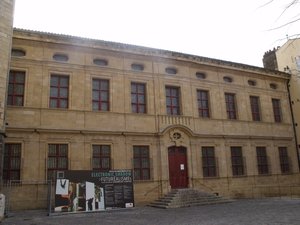
Pjeras Pugetas portretas

Ensičiausios Pjeras Pugetas tapybos darbai: visi 77, pagal rangą

Atnaujinta spalis 2026 · pagal mūsų populiarumumo koeficientą (paieškos, lankytojai ir užsakymai kiekvienam kūriniui) · 77 Pjeras Pugetas darbai mūsų kataloge

Trumpai tariant

Labiausiai žinomas Pjeras Pugetas paveikslas yra The Meeting of Alexander the Great and Diogenes (1671), jį galite pamatyti muzejuje Liuvro muziejus, miestame Paryžius. Immediately po tai seka Milo of Croton (1671) ir The Meeting of Alexander the Great and Diogenes (1671). Iš 77 Pjeras Pugetas darbų mūsų kataloge šie 77 yra žymiausi. Kaskas iš jų aprašytas nurodant metus, muziejų bei trumpą pastabą apie tai, kas daro šį kūrinį išskirtiniu.

1620 – 1694, Marselis Baroque Daugiausia darbų: Liuvro muziejus

Pjeras Pugetas geriausiųjų 10: darbai, kuriuos žino visi

1
The Meeting of Alexander the Great and Diogenes (1671) aut. Pjeras Pugetas

The Meeting of Alexander the Great and Diogenes

1671 · Marble · Liuvro muziejus, Paryžius

In the hallowed halls of art history, few encounters possess the dramatic tension found in Pierre Puget’s 1671 masterpiece, The Meeting of Alexander the Great and Diogenes. This monumental sculpture is far more than a mere historical reconstruction; it is a breathtaking theatrical performance frozen in marble. At its heart lies a profound confrontation between two opposing worlds: the boundless, imperial ambition of Alexander the Great and the radical, ascetic…

2
Milo of Croton (1671) aut. Pjeras Pugetas

Milo of Croton

1671 · Marble · Liuvro muziejus, Paryžius

In the hallowed halls of the Louvre Museum, one figure commands the space with a visceral, breathtaking intensity that transcends the cold stillness of marble. Pierre Puget’s Milo of Croton is not merely a sculpture; it is a profound psychological drama frozen in time. Completed between 1671 and 1682, this monumental work serves as a cornerstone of the Baroque era, capturing a moment where physical prowess meets unbearable suffering. The…

3
The Meeting of Alexander the Great and Diogenes (1671) aut. Pjeras Pugetas

The Meeting of Alexander the Great and Diogenes

1671 · Sculpture · Liuvro muziejus, Paryžius

In the hallowed halls of the Musée du Louvre, there exists a moment frozen in time, a theatrical confrontation that transcends the boundaries of mere sculpture to become a profound meditation on human existence. Pierre Puget’s 1671 masterpiece, The Meeting of Alexander the Great and Diogenes, is not simply a depiction of two historical figures; it is a breathtaking performance captured in alabaster. The work brings us face-to-face with the…

5
View on the Sea (1670) aut. Pjeras Pugetas

View on the Sea

1670 · Acrylic On Canvas · Liuvro muziejus, Paryžius

Pierre Puget's "View on the Sea," created around 1670, isn’t merely a depiction of three ships navigating a hazy horizon; it’s a meticulously crafted tableau brimming with Baroque drama and an intimate understanding of human scale. Born in Marseille during a period of intense maritime activity, Puget’s life was inextricably linked to the sea – initially as a craftsman shaping the hulls of galleys, later as a celebrated sculptor, architect,…

6
Bustas Jaunu Augustui aut. Pjeras Pugetas

Bustas Jaunu Augustui

Skulptūra · Museo di Sant'Agostino, Gena

Pierre Pugetas Šlovingų Švietimo Šūdas Štai įdomus tekstas apie Pierre Pugetą ir jo darbą „Bust of Young August“ šlovės šūką! Šis mažylis iš Žemoje Italijoje gimęs skulptorius buvo vienas iš žymiausiųjų Baroko periodo meistrų, kuriuos pasaulis prisiekė įsiminti. Jo kūriniai išraiškavo žmogaus psichikos gilumą ir emocijas, todėl jie iki šiol yra labai svarbūs istorijai ir meno estetikai. Štai kaip jis buvo įrašytas į istoriją: Pugetas gimė Marseille’uose (1620 m.), Prancūzijoje,…

7
Hercules Standing (1660) aut. Pjeras Pugetas

Hercules Standing

1660 · Terracotta · Staatliche Museen zu Berlin, Berlinas

In Hercules Standing, Pierre Puget presents the legendary hero of Greek mythology through a lens of physical power and controlled movement. Created about 1660, the sculpture focuses on the attributes for which the figure is most recognized: immense strength and prowess. Rather than a static representation, the subject is captured in a dynamic contrapposto pose, where the weight shifts onto one leg while the other remains relaxed, creating a sense…

Toliausiai ieškokite: Pjeras Pugetas: 11 iki 77

11Perseus and Andromeda (1678) aut. Pjeras PugetasPerseus and Andromeda1678 · Liuvro muziejus 12Christ Dying on the Cross aut. Pjeras PugetasChrist Dying on the CrossLiuvro muziejus 13La Ravissement d aut. Pjeras PugetasLa Ravissement dDetroito meno institutas 14Door of the Hôtel de Ville at Toulon (1656) aut. Pjeras PugetasDoor of the Hôtel de Ville at Toulon1656 · Musée Navale 15Ship at Marseille (1651) aut. Pjeras PugetasShip at Marseille1651 · Musée Des Beaux 16Portrait of the Artist's Mother (1651) aut. Pjeras PugetasPortrait of the Artist's Mother1651 · Private collection 17The Visitation (1659) aut. Pjeras PugetasThe Visitation1659 · Granet muziejus 18Alessandro Sauli (1666) aut. Pjeras PugetasAlessandro Sauli1666 19The Holy Family at the Palm-tree (1662) aut. Pjeras PugetasThe Holy Family at the Palm-tree1662 · Private collection 20Navigation before a Promontory (1680) aut. Pjeras PugetasNavigation before a Promontory1680 · Musée des Beaux-Arts 21Perseus and Andromeda (1678) aut. Pjeras PugetasPerseus and Andromeda1678 · Liuvro muziejus 22The Stoning of St Peter (1654) aut. Pjeras PugetasThe Stoning of St Peter1654 · Musée Des Beaux 23The Education of Achilles by Chiron (1690) aut. Pjeras PugetasThe Education of Achilles by Chiron1690 · Musée Des Beaux 24St Sebastian aut. Pjeras PugetasSt Sebastian 25Homer aut. Pjeras PugetasHomer 26Self-portrait aut. Pjeras PugetasSelf-portrait 27Blessed Alessandro Sauli aut. Pjeras PugetasBlessed Alessandro Sauli 28Self portrait Marble aut. Pjeras PugetasSelf portrait Marble 29Philosopher aut. Pjeras PugetasPhilosopherBavarijos valstybinės paveikslų kolekcijos 30Immaculate Conception aut. Pjeras PugetasImmaculate Conception 31Milon de Crotone detail aut. Pjeras PugetasMilon de Crotone detail 32The Rape of Helen of Troy aut. Pjeras PugetasThe Rape of Helen of Troy 33Atlas from the door of the Hôtel de Ville at Toulon aut. Pjeras PugetasAtlas from the door of the Hôtel de Ville at Toulon 34Two Vessels under Sail aut. Pjeras PugetasTwo Vessels under Sail 35View of the harbor of Toulon aut. Pjeras PugetasView of the harbor of Toulon 36Virgin of the Immaculate Conception aut. Pjeras PugetasVirgin of the Immaculate Conception 37Milo of Croton (detail) aut. Pjeras PugetasMilo of Croton (detail) 38Assumption of the Virgin aut. Pjeras PugetasAssumption of the Virgin 39Design for the decoration of a Warship aut. Pjeras PugetasDesign for the decoration of a Warship 40Louis XIV aut. Pjeras PugetasLouis XIV 41Hercules at Rest (detail) aut. Pjeras PugetasHercules at Rest (detail) 42Le baptême de Clovis aut. Pjeras PugetasLe baptême de Clovis 43LE BAPTEME DE CONSTANTIN aut. Pjeras PugetasLE BAPTEME DE CONSTANTIN 44LE SOMMEIL DE L'ENFANT JESUS aut. Pjeras PugetasLE SOMMEIL DE L'ENFANT JESUS 45LA VIERGE APPRENANT A LIRE A L'ENFANT JESUS aut. Pjeras PugetasLA VIERGE APPRENANT A LIRE A L'ENFANT JESUS 46Milo of Croton aut. Pjeras PugetasMilo of Croton 47View of a port with a facade and a trophy of arms aut. Pjeras PugetasView of a port with a facade and a trophy of arms 48Galley and two ships sailing on aut. Pjeras PugetasGalley and two ships sailing on 49Cannon fire at the port of Antibes aut. Pjeras PugetasCannon fire at the port of Antibes 50A Frigate at Sea aut. Pjeras PugetasA Frigate at SeaHet Scheepvaartmuseum 51Design for a Tabernacle aut. Pjeras PugetasDesign for a Tabernacle 52Hercules at Rest (1661) aut. Pjeras PugetasHercules at Rest1661 · Liuvro muziejus 53Mediterranean Port with Men o' War aut. Pjeras PugetasMediterranean Port with Men o' WarGovernment Art Collection 54Arm aut. Pjeras PugetasArm 55Virgin and Child aut. Pjeras PugetasVirgin and Child 56Vessel Firing a Salvo aut. Pjeras PugetasVessel Firing a Salvo 57Sea view aut. Pjeras PugetasSea view 58Alessandro Sauli aut. Pjeras PugetasAlessandro Sauli 59A big storm on the sea aut. Pjeras PugetasA big storm on the sea 60Ship at Marseille aut. Pjeras PugetasShip at Marseille 61The Sacrifice of Noah aut. Pjeras PugetasThe Sacrifice of Noah 62St Peter Holding the Key of the Paradise aut. Pjeras PugetasSt Peter Holding the Key of the Paradise 63The faun terracotta aut. Pjeras PugetasThe faun terracotta 64Self-portrait aut. Pjeras PugetasSelf-portrait 65Portrait of the Artist's Mother aut. Pjeras PugetasPortrait of the Artist's Mother 66The Education of Achilles by Chiron aut. Pjeras PugetasThe Education of Achilles by Chiron 67Hercules at Rest aut. Pjeras PugetasHercules at Rest 68Three vessels with the brands of their dignity aut. Pjeras PugetasThree vessels with the brands of their dignity 69The Faun (detail) aut. Pjeras PugetasThe Faun (detail)Musée Des Beaux 70Door of the Hôtel de Ville at Toulon aut. Pjeras PugetasDoor of the Hôtel de Ville at Toulon 71Salvator Mundi aut. Pjeras PugetasSalvator Mundi 72The Visitation (detail) aut. Pjeras PugetasThe Visitation (detail) 73The Faun aut. Pjeras PugetasThe FaunMusée Des Beaux 74Self-portrait in Old Age aut. Pjeras PugetasSelf-portrait in Old Age 75Study of a Horse aut. Pjeras PugetasStudy of a HorseMusée Des Beaux 76Virgin Giving the Scapular to St Simon Stock aut. Pjeras PugetasVirgin Giving the Scapular to St Simon StockMusée Des Beaux 77Bust of Marcus Aurelius aut. Pjeras PugetasBust of Marcus AureliusMuseo di Sant'Agostino

Pjeras Pugetas tapų periodai

Daugiausiai paveikęs Pjeras Pugetas

Keturios dažniausiai pasitaikančios šių kūrinių temos, kiekviena su savo žymiausiu pavyzdžiu.

Kur galite pamatyti Pjeras Pugetas paveikslus

8 muziejai, kuriuose saugoma daugiausia šioje pusėje esamų paveikslų.

Muzejaus Miestas Pjeras Pugetas darbai Šiojo sąrašo paveikslai
Liuvro muziejus, ParyžiusLiuvro muziejus Paryžius 8 The Meeting of Alexander the Great and Diogenes, Milo of Croton, The Meeting of Alexander the Great and Diogenes
Musée Des Beaux, MarselisMusée Des Beaux Marselis 7 Ship at Marseille, The Stoning of St Peter, The Education of Achilles by Chiron
Granet muziejus, Eks-en-ProvansasGranet muziejus Eks-en-Provansas 2 Self-portrait, The Visitation
Museo di Sant'Agostino, GenaMuseo di Sant'Agostino Gena 2 Bustas Jaunu Augustui, Bust of Marcus Aurelius
Musée Bonnat, BayonneMusée Bonnat Bayonne 2 Great Vessel of War, Two Vessels under Sail
Staatliche Museen zu Berlin, BerlinasStaatliche Museen zu Berlin Berlinas 1 Hercules Standing
Musée de la civilisation, Quebec CityMusée de la civilisation Quebec City 1 David Gazing at Goliath's Head
Detroito meno institutas, DetroitasDetroito meno institutas Detroitas 1 La Ravissement d

Vienas garsus Pjeras Pugetas kūrinys kiekvienam dešimtmetmečiui

Darbai pagal dešimtmečius

Pasirinkite dešimtmetį, kad pamatytumėte jo išskirtinį kūrinį.

Pjeras Pugetas paveikslai: ką žmonės nori sužinoti

Kuriu paveiksluku Pjeras Pugetas yra labiausiai žinomas?Peržiūrėti atsakymą

Pirmoje vietoje yra The Meeting of Alexander the Great and Diogenes (1671), Liuvro muziejus, Paryžius. Tuoj antras, Milo of Croton (1671), o trečias – The Meeting of Alexander the Great and Diogenes (1671).

Kiek metų buvo Pjeras Pugetas, kai buvo sukurtas The Meeting of Alexander the Great and Diogenes?Peržiūrėti atsakymą

51 mmet. Pjeras Pugetas gimė 1620, o The Meeting of Alexander the Great and Diogenes datuojama 1671 m.

Kurios 10 Pjeras Pugetas paveikių yra garsiausių?Peržiūrėti atsakymą

The Meeting of Alexander the Great and Diogenes, Milo of Croton, The Meeting of Alexander the Great and Diogenes, Self-portrait, View on the Sea, Bustas Jaunu Augustui, Hercules Standing, David Gazing at Goliath's Head, Great Vessel of War ir Two Vessels under Sail. Viršujei esančiame sąraše rasite kiekvieno kūrinio metus ir muziejų.

Kiek yra Pjeras Pugetas darbų?Peržiūrėti atsakymą

Mūsų kataloge yra 77 Pjeras Pugetas darbų, datuojamų nuo 1651 iki 1690.

Kuriuose muziejuose eksponuojami žymiausi Pjeras Pugetas tapybos darbai?Peržiūrėti atsakymą

Daugumą jų rasite Liuvro muziejus (Paryžius), Musée Des Beaux (Marselis) ir Granet muziejus (Eks-en-Provansas). Viršuje pateiktame muziejų sąraše yra išsami informacija.

Kada buvo sukuriami garsiausi Pjeras Pugetas kūriniai?Peržiūrėti atsakymą

1670s laikotarpyje – daugiau nei bet kada kitais: 9 iš 77 šioje pusėje esamų darbų date iš to laiko, iš jų The Meeting of Alexander the Great and Diogenes.

Kokie yra seniausi ir naujausi garsūs Pjeras Pugetas paveikslai?Peržiūrėti atsakymą

Seniausias čia esantis kūrinys yra Ship at Marseille (1651), o naujausias – The Education of Achilles by Chiron (1690).

Ką dažniausiai tapė Pjeras Pugetas?Peržiūrėti atsakymą

Sculpture (7), Mythology (5) ir Portraits (5) iš 77 darbų šiame puslapyje.

Kuo paprastai dirbo Pjeras Pugetas?Peržiūrėti atsakymą

Marble, naudojamas 5 iš 77 šioje pusėje esančių darbų.

Su kokiu meno kieru siejama Pjeras Pugetas?Peržiūrėti atsakymą

Baroque, kaip matote šioje puslapio kolekcijoje.

Ką galite pamatyti Pjeras Pugetas darbuose Liuvro muziejus?Peržiūrėti atsakymą

Šioje pusėje laikinėje Liuvro muziejus, Paryžius galima pamatyti 8 kūrinių, įskaitant The Meeting of Alexander the Great and Diogenes, Milo of Croton ir The Meeting of Alexander the Great and Diogenes.

Ar galiu užsisakyti Pjeras Pugetas reprodukciją į savo namus?Peržiūrėti atsakymą

Taip. Kiekvienas šioje pusėje esantis paveikslas galėto būti užsakytas kaip ranku dažytas aliejus reprodukcija arba spausdinys jums patinkaniu dydžiu. Norėdami užsakyti, tiesiog atidarykite paveikslą.

Susipažinkite su Pjeras Pugetas

Pierre Puget: GyvenimasLYSIŲ ir inžinerijos surinkime

  • Gimė: Marselys, Prancūzija (1620 m.)
  • Mirė: 1694 m.

Pradinis gyvenimas ir Italijos įtampų paveikimas

  • Mokslininko pradžia: Pugetas savo karjerą pradėjo ketvirt عشرmetėje, drožydamas ornamentus Marselyje konstruojamoms galėms. Ši ankstyva susidarymo su meistriškumu patirtis padėjo pagrindus jo vėlesniems meniniams siekiams.
  • Kelionė į Italiją (1640 m.): Ieškodamas naujų galimybiats, jis išvyko į Italiją, pirmiausia į Livorno, o vėliau į Florenciją. Čia jis tobulino savo įgūdžius kaip medžio drožytojas ir tapys:
  • Roma ir Pietro da Cortona: Lemtingas momentas įvyko Romoje, kai jis buvo priimtas po Pietro da Cortonos globacija. Pugetas padėjo tapti sudėtingus lubų paveikslus Palazzo Barberini ir Palazzo Pitti rūnuose, visur pajaudindamas romano baroko meno dinamizmą ir prachtą.
  • Grįžimas į Marselyį (1643 m.): Po trijų metų Italijoje jis grįžo į Marselyį, su savo širdimi nešdamas išrafinuotą meninę jautrią, suformuotą Italijos meistrų.

Didieji darbai ir meninė evoliucija

  • Ankinčios užsakomybės: Grįžęs namo, Pugetas gavo užsakymų tapti paveikslams ir altariams, demonstrajądamas evoliucionuojantį stilių, įkvėptą Annibale Carracci ir Rubenso.
  • Skulptūriniai proveržiai: Jis vis daugiau dėvėjo dėmesio skulptūrai, kurdamas tokius darbus kaip medalionai prancūziškų karo valkų uoksams, demonstruodamas augantį formos ir detalės meistriškumą.
  • Vaux-le-Vicomte (1660-tal): Nicolas Fouquet užsakė Pugetui išskulptuoti Herkulį savo Vaux-le-Vicomte rūnuose, kas tapo svarbiu jo karjeros momentu ir įrodė galingų asmenų globą.
  • Genovos laikotarpis: Po Fouquet praradimo, Pugetas persikėlė į Genovą, kur sukūrė žinomus darbus, tokius kaip „Hercule Gaulois“ (Louvre) ir skulptūras bažnyčioms, pavyzdžiui, Santa Maria di Carignano.
  • Versailles užsakomybės: Colbertas parvežė Pugetą atgal į Prancūziją, kas atvertė kelią Versalio užsakymams, įskaitant garsiausias grupes „Milo of Croton“ ir „Perseus and Andromeda“. Šie darbai pasižymi dramatišku intensyvumu ir išraiškingu realizmu.

Stilius ir įtampos šaltiniai

  • Baroko drama: Pugeto stilius tvirtai įsikėlęs baroko tradicijoje, pabrėžiant judėjimą, emociją ir teatrališkumą.
  • Klasikinė įkvėpimas: Priimdamas baroko dinamiką, jo darbai taip pat atskleidžia vertinimą klasikinėms formoms ir idealams.
  • Michelangelo ir Bernini: Jo skulptūros rodo įtaką Michelangelo galingoms figūroms ir Bernini dinamiškoms kompozicijoms.
  • Unikalus išraiška: Nepaisant šių įtakų, Pugetas sukūrė išskirtinį stilių, pažymimą gryna energija ir išraiškos intensyvumu, kuris jį išskiria nuo konvencionalių baroko menininkų.

Palikimas ir istorinė reikšmė

  • Tiltas tarp meno ir inžinerijos: Pugeto gebėjimas sklandžiai sujungti meninę talentą su inžineriniu įgūdžiu buvo unikalus. Jo darbai jūros architektūroje ir tvirtinimuose demonstruoja praktinį išmanumą kartu su meniniais pasiekimais.
  • Psišelęs genis: Théophile Gautier garsiai apibūdino jį kaip „melancholišką kalčių imperatorius“, atspindint intesyvumą ir galbūt kovas, būtiną jo kūrybinėje procese.
  • Nuolatinė įtampa: Pugeto skulptūros, ypač „Milo of Croton“ ir „Perseus and Andromeda“, išlieka ikoninėmis prancūziško baroko skulptūros pavyzdinėmis, vertinamos dėl savo išraiškos jėgos ir techninio virtuozystės.
  • Pripažinimas šiandien: Jo darbai yra švenčiami muziejuose visame pasaulyje, įskaitant Louvre ir Musée des Beaux-Arts de Marseille, tvirtindami jo vietą kaip svarbios figūros meno istorijoje.

Visi 77 Pjeras Pugetas darbai →