

1


Atnaujinta lapkritis 2026 · pagal mūsų populiarumumo koeficientą (paieškos, lankytojai ir užsakymai kiekvienam kūriniui) · 1 Robert White darbai mūsų kataloge
Trumpai tariant
Jei žinote bent vieną Robert White paveikslą, tai tikriausiai yra One of Charles II's Bishops in Ecclesiastical Robes (1675), kuris eksponuojamas Yale Center for British Art, New Haven. Mūsų kataloge yra 1 darbų autoriaus Robert White. Žemiau pateikiame 1 labiausiai žinomus kūrinius su informacija apie jų metus, vietas, kuriose juos galima rasti, bei tai, kas padarė juos ypatingais.
1 muziejai, kuriuose saugoma daugiausia šioje puslapyje esamų paveikslų.
| Muzejaus | Miestas | Robert White darbai | Šiojo sąrašo paveikslai |
|---|---|---|---|
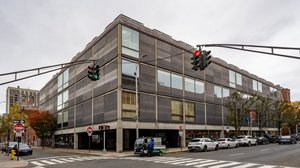 Yale Center for British Art |
New Haven | 1 | One of Charles II's Bishops in Ecclesiastical Robes |
Visi šioje pusėje pateikiami Robert White darbai, datuoti 1675 m. Pasidalykite šiais veikalais.
Pasirinkite metus, kad pamatytumėte jų darbus.
Pirmosios sąraše yra One of Charles II's Bishops in Ecclesiastical Robes (1675).
30 mmet. Robert White gimė 1645, o One of Charles II's Bishops in Ecclesiastical Robes datuojama 1675 m.
Mūsų kataloge yra 1 darbų autoriaus Robert White.
Daugumą jų rasite Yale Center for British Art (New Haven). Viršuje pateiktame muziejų sąraše yra išsami informacija.
Taip. Kiekvienas šioje pusėje esantis paveikslas galėto būti užsakytas kaip ranku dažytas aliejus reprodukcija arba spausdinys jums patinkaniu dydžiu. Norėdami užsakyti, tiesiog atidarykite paveikslą.
London, 1645. A child is born into a city on the cusp of profound transformation. Robert White grows up in this atmosphere, eventually finding his way into the workshop of David Loggan. This apprenticeship is the defining moment of his early life. Under Loggan, White learns the exacting discipline of the line engraver, a craft that demands absolute control over the copper plate. He does not merely copy; he inherits a position of influence within the print trade, a role that will define his entire career.
White develops a signature method that distinguishes his hand from his contemporaries. He moves away from the heavy reliance on existing paintings, often choosing to draw his subjects himself. He works in pencil—specifically black lead—on vellum. This choice of medium allows for a delicate, almost ethereal precision. He captures the likeness of the era's most prominent figures, often working directly from life to ensure the integrity of the portrait.
His output is massive, a vast collection of plates that functions as a visual census of late seventeenth-century English society. He moves between the intimate study of a single face and the complex arrangement of political groups. His copper plates serve various masters, from private collectors to the publishers of significant historical volumes.
The sheer scale of his work is difficult to quantify. He engraves from the paintings of Lely, Kneller, and Riley, but his most enduring contributions come from his own drawings. He is a man of the book, providing frontispieces, book-plates, and architectural views that populate the libraries of the elite. His son, George White, follows in these footsteps, continuing the family's engagement with the engraver's art.
The trajectory of White's life takes a sharp turn toward the end. The man who once captured the likenesses of dukes and princes finds himself in reduced circumstances. By the time he reaches Bloomsbury Market, the prosperity of his middle years has faded. He resides there for a long time, a quiet figure in a bustling district, until his death in November 1703.
His legacy remains etched in the copper and vellum he left behind. He was a technician of the highest order, a man who translated the physical presence of his contemporaries into the permanent, reproducible language of the print. Through his work, the faces of the seventeenth century remain fixed, preserved by the steady hand of a London draughtsman.